Difference Between Braising And Stewing
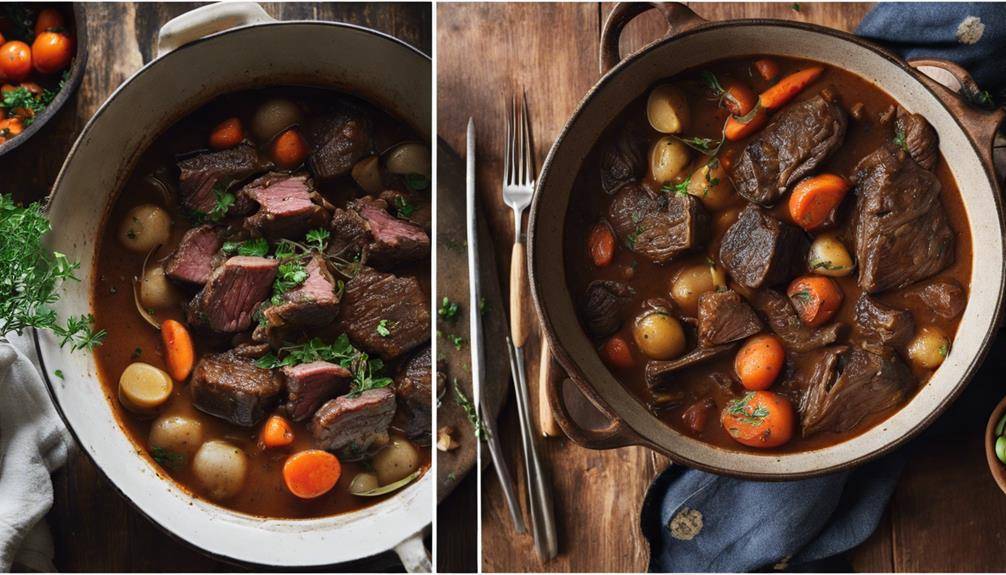
Difference Between Braising And Stewing: Braising and stewing are both slow-cooking methods, but they differ in approach. When you braise, you start by searing larger cuts of meat and then cook them slowly in a small amount of liquid, enhancing flavor. Stewing involves simmering smaller pieces of meat with plenty of liquid, allowing the flavors to meld. You'll find braised dishes are richer and more concentrated, while stews have a well-rounded consistency. Both methods are perfect for using tough cuts, but the liquid ratio and cooking times vary. Want to explore these delicious techniques further? There's plenty more to discover!
Click Here and Turn Every Masterpiece into a Showstopper!
Definition of Braising
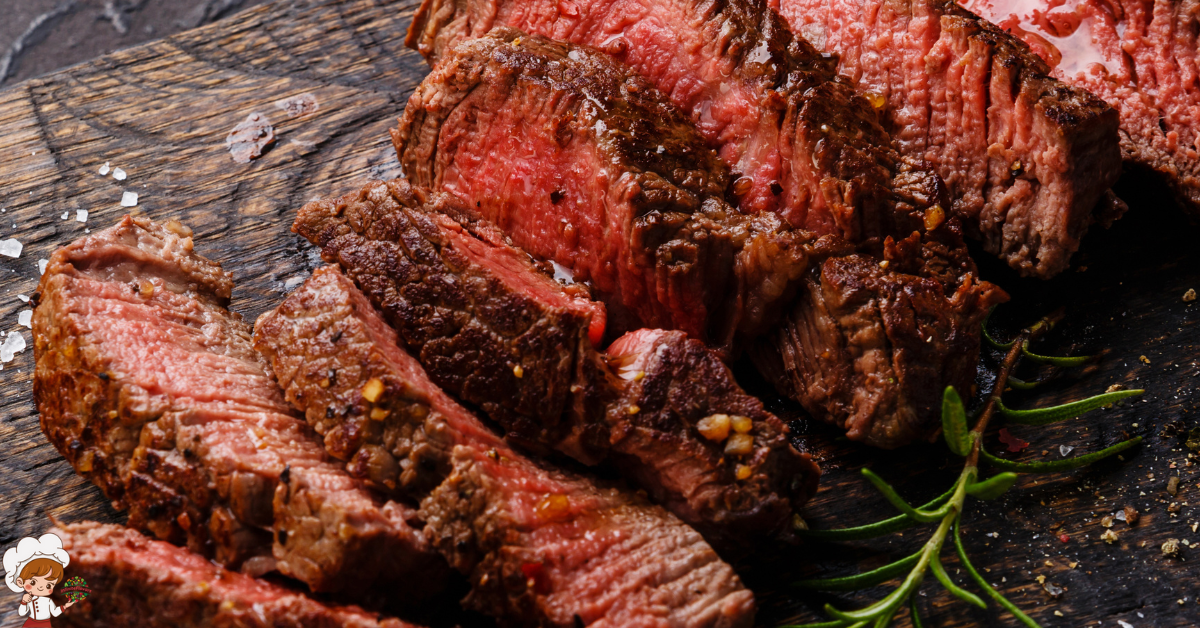
Braising is often regarded as a versatile cooking method that combines both dry and wet heat to create tender, flavorful dishes. This technique typically involves searing meat or vegetables in a hot pan before adding liquid and cooking them slowly in a covered pot. You might find that this approach not only enhances the dish's flavor but also maximizes its nutritional benefits, making it a popular choice for home cooks and chefs alike.
The history of braising dates back centuries, with origins tracing to various cultures around the world. It evolved as a practical solution for transforming tough cuts of meat into delectable meals. By using low heat and moisture, you're able to break down the connective tissues in the meat, resulting in a dish that's rich, hearty, and satisfying.
One of the key braising benefits is its ability to infuse flavors. As the ingredients simmer together, they meld, creating a harmonious taste profile that's hard to achieve with other cooking methods. Plus, braising is incredibly forgiving; you can use a wide range of ingredients and still end up with delicious results. Whether you're braising a tough cut of beef, a whole chicken, or seasonal vegetables, the method allows you to explore different flavors while achieving tenderness.
Definition of Stewing
Stewing is a cooking technique that involves simmering small pieces of meat or vegetables in liquid until they become tender and flavorful. This method dates back centuries, with stewing history tracing to ancient cultures that needed a way to maximize flavor and minimize waste. By cooking tougher cuts of meat slowly in a flavorful broth, early cooks discovered how to transform basic ingredients into delicious meals.
When you stew, you're not just cooking; you're also embracing one of the most efficient culinary techniques. Stewing benefits you in multiple ways. First, it allows the flavors from the meat, vegetables, and herbs to meld together, creating a rich and hearty dish. The low and slow cooking process breaks down tough fibers in the meat, making it fork-tender and juicy. Additionally, stewing is incredibly versatile; you can use whatever ingredients you have on hand, making it a perfect choice for using up leftovers.
Another significant benefit of stewing is its ability to create a filling meal without requiring expensive cuts of meat. By focusing on smaller pieces and tougher cuts, you can prepare a satisfying dish that's both cost-effective and nutritious. Plus, stews often taste even better the next day, making them ideal for meal prep. So, whether you're cooking for a crowd or just for yourself, stewing offers a delicious and practical way to enjoy wholesome food that's packed with flavor.
Cooking Techniques Overview
When it comes to cooking techniques, understanding the differences can greatly enhance your culinary skills. You'll find that braising and stewing are both versatile cooking methods that rely on low heat and moist environments, but they each have their unique characteristics. Both culinary techniques involve slow cooking, which tenderizes tough cuts of meat and allows flavors to meld beautifully.
Braising typically starts with browning the ingredients in fat, followed by adding a small amount of liquid. This technique allows you to develop rich flavors upfront. After that, you cover the pot and let it simmer slowly, often in the oven or on the stovetop. It's perfect for larger cuts of meat, like roasts, which benefit from this gradual cooking process.
On the other hand, stewing involves cutting ingredients into smaller pieces and cooking them completely submerged in liquid. You often start by sautéing the ingredients to build flavor before adding broth or water. Stewing requires a longer cooking time, which allows smaller pieces to become tender and absorb the flavors of the cooking liquid. It's an excellent technique for making hearty dishes like beef stew or chicken cacciatore.
Types of Ingredients Used
When you cook, the types of ingredients you choose can make a big difference in braising and stewing. You'll notice that meat choices vary, and the vegetable varieties you pick also play an essential role in the final dish. Let's explore how these ingredients shape each method.
Meat Choices Comparison
Both braising and stewing can utilize a variety of meat choices, but the types you select can greatly influence the final dish. When it comes to beef cuts, tougher options like chuck or brisket work well, as they become tender during the long cooking process. For pork options, shoulder or belly brings rich flavors, while chicken varieties, such as thighs or drumsticks, retain moisture and tenderness.
If you're in the mood for something different, lamb choices like shanks or shoulder can add a unique twist. Game meats, such as venison or rabbit, can also shine in these methods, providing a robust flavor profile.
Seafood selections are less common but can be braised or stewed; just be mindful of cooking ratios and timing to avoid overcooking. When marinating, consider using acidic ingredients like vinegar or citrus to enhance the flavor of your meat before cooking. These choices and techniques will not only impact the dish's taste but also its texture, making careful selection essential for a successful braising or stewing experience.
Vegetable Varieties Used
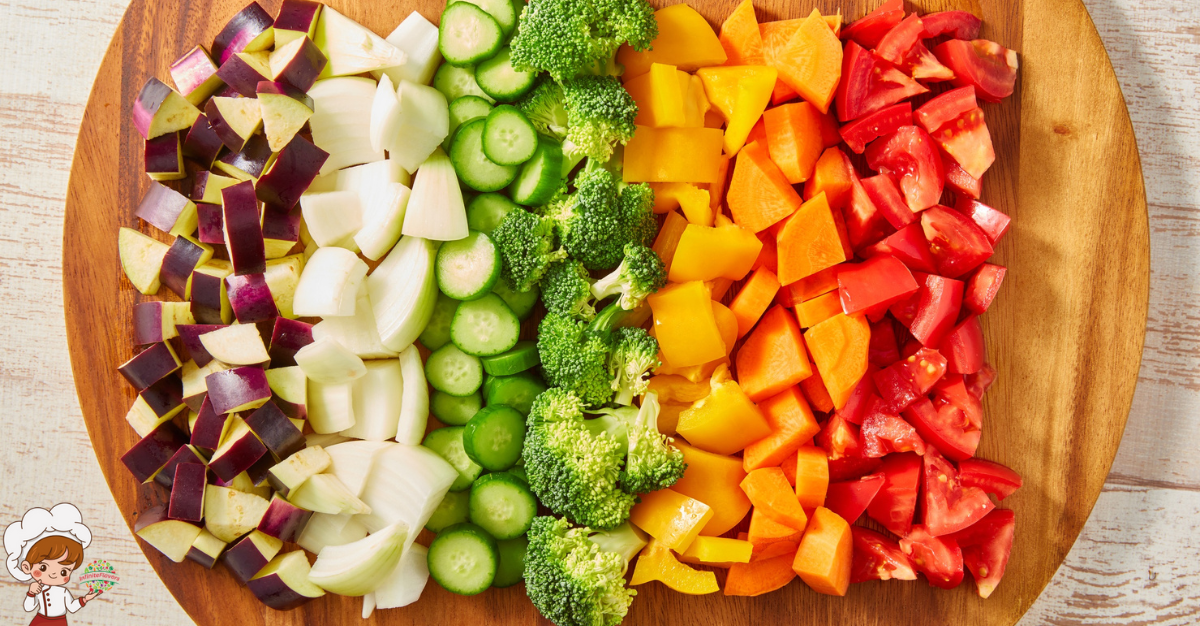
A variety of vegetables can elevate the flavors and textures in braising and stewing. When you choose root vegetable varieties, like carrots, potatoes, and parsnips, you're adding sweetness and earthiness to your dish. These vegetables hold up well during long cooking times, absorbing flavors while becoming tender and delicious.
In braising, you might want to include hearty root vegetables, as they complement the rich sauces that develop. Stewing, on the other hand, allows you to mix in different textures and flavors, so don't hesitate to toss in some leafy greens like kale or Swiss chard towards the end of cooking. They'll wilt down and contribute a burst of color and nutrients without losing their essence.
Both cooking methods benefit from seasonal vegetables, so consider what's fresh and available. You can experiment with adding turnips or rutabagas for a unique twist. Ultimately, the combination of root vegetable varieties and leafy greens can transform your dish, enhancing both flavor and nutrition. So next time you're braising or stewing, remember to get creative with your vegetable choices!
Click Here and Turn Every Masterpiece into a Showstopper!
Amount of Liquid Required
In braising, you'll typically use less liquid than in stewing, allowing the meat to soak up the flavors while still retaining moisture. This method relies on low and slow cooking, where the meat absorbs the surrounding liquid, enhancing its taste and texture. You'll often find that the liquid used in braising is just enough to cover the bottom of the pot, creating a steamy environment that helps achieve the desired tenderness.
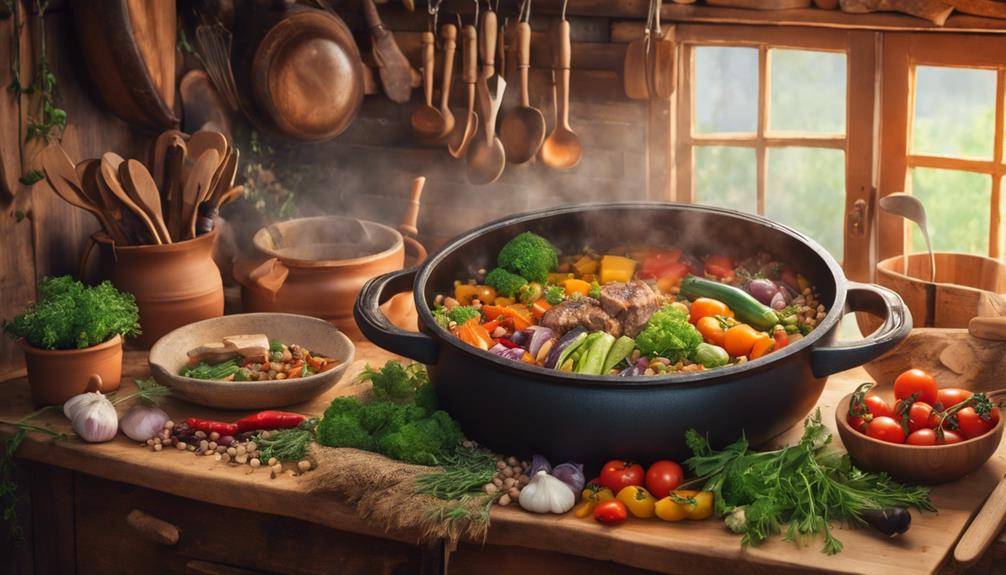
On the other hand, stewing requires a larger volume of liquid, fully submerging the ingredients. This technique promotes more extensive liquid absorption, which results in a dish that's rich and hearty. The vegetables and meat both benefit from this method, developing a deep, cohesive flavor profile as they cook together.
When you're braising, you want to focus on the balance between the liquid and the meat. Too much liquid can lead to boiling rather than braising, which diminishes the meat's ability to retain moisture. In contrast, during stewing, the ample liquid helps maintain a consistent temperature throughout the dish, ensuring all ingredients cook evenly.
Ultimately, understanding the amount of liquid required for each method will enhance your cooking experience. Whether you choose to braise or stew, knowing how to manage liquid absorption is key to achieving a flavorful and satisfying meal.
Cooking Time Comparison
Cooking time varies considerably between braising and stewing, impacting the final texture and flavor of your dish. When you're braising, you typically cook larger cuts of meat. This method usually takes anywhere from two to four hours, depending on the size and type of meat. The key is to use low and slow heat sources for best results. You'll want to keep the temperature low, which allows the connective tissues to break down, resulting in tender meat.
On the other hand, stewing involves smaller, bite-sized pieces of meat and often requires a shorter cooking time. You can expect to stew your ingredients for about one to two hours. Because you're using smaller pieces, the heat penetrates quickly, cooking the meat through while also allowing the flavors to meld. This method works well with a variety of heat sources, including stovetops, slow cookers, or even pressure cookers if you're short on time.
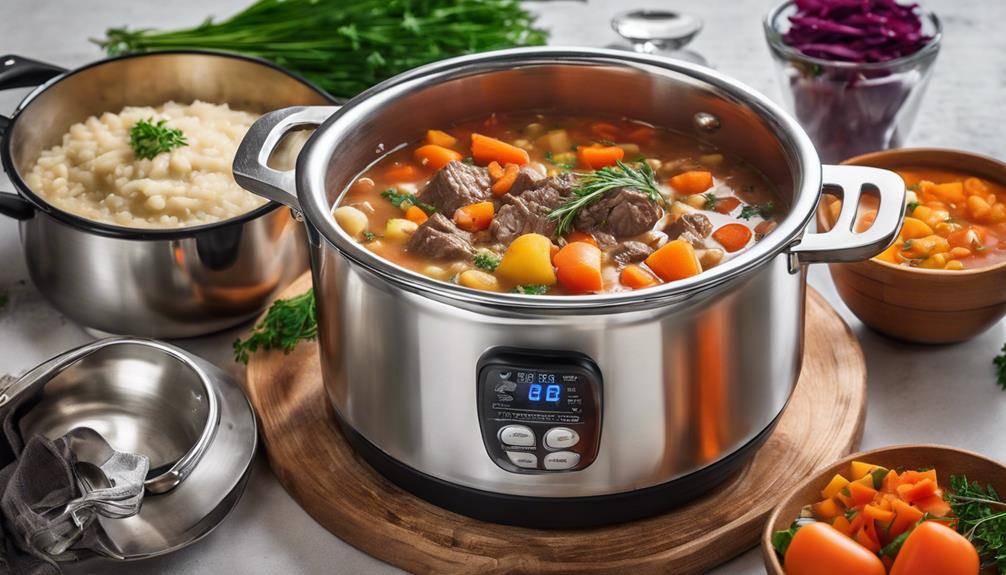
In both methods, the choice of cooking equipment can impact your cooking time. A Dutch oven is a popular option for braising, as it retains heat well and distributes it evenly. For stewing, a heavy pot or even a slow cooker can be your best friend, allowing you to set it and forget it while you go about your day. Understanding these cooking times helps you plan your meal better, ensuring you achieve the desired texture and tenderness in your final dish.
Flavor Development Differences
When you think about flavor development in braising and stewing, the composition of the cooking liquid plays an essential role. Each method uses different techniques to concentrate flavors, which can really elevate your dish. Understanding these differences can help you choose the best approach for your next meal.
Cooking Liquid Composition
Braising and stewing both rely on liquid to enhance flavor, but the composition of that liquid varies considerably. In braising, you typically use a smaller amount of liquid, often a combination of broth, wine, or even beer, to create a rich and concentrated flavor profile. The liquid types are carefully chosen to complement the meat and vegetables, allowing their natural flavors to shine through while still providing moisture.
On the other hand, stewing employs a larger volume of liquid, usually stock or broth, which fully submerges the ingredients. This results in a different seasoning balance, where the flavors meld together over a longer cooking time. You'll find that in stewing, the added liquid types can include tomatoes, vinegar, or various seasonings to enhance flavors more broadly. Since the ingredients are submerged, the seasoning must be adjusted accordingly to guarantee that each bite is flavorful.
Ultimately, understanding how liquid composition impacts your dish helps you create a balance between the ingredients' natural flavors and the added seasonings, whether you're braising or stewing.
Flavor Concentration Techniques
The way you concentrate flavors in braising versus stewing reveals important differences in technique. In braising, you often start with a sear, creating a rich, brown crust that adds depth through flavor layering. You'll then add your aromatic infusions—like herbs, spices, and vegetables—before covering the meat with a small amount of liquid. This method allows the flavors to meld as they cook low and slow, intensifying the final dish.
On the other hand, stewing requires you to submerge the ingredients in liquid right from the start. While this method also offers flavor layering, it relies more heavily on the liquid to extract flavors from the meat and vegetables. The result is a more uniform taste throughout the dish, as the flavors blend during the cooking process.
Both techniques enhance the final flavor, but braising leans towards a concentrated, layered profile, while stewing provides a more balanced, consistent flavor. Understanding these differences will help you choose the right method for your desired outcome, ensuring your meals are as flavorful as possible.
Best Dishes for Each Method
Explore the rich flavors that emerge from both braising and stewing by trying out some classic dishes. Each method offers a unique way to enhance the natural taste of ingredients, so you'll want to immerse yourself in a few popular braised dishes and classic stewed recipes.
For braising, you can't go wrong with a classic beef bourguignon. This French dish combines tender beef, red wine, and aromatic vegetables to create a meal that practically melts in your mouth. Another favorite is braised short ribs, where the meat becomes incredibly tender and absorbs all the delicious flavors from broth and herbs. Don't forget about braised cabbage; it's an excellent side that pairs beautifully with many main courses, adding a savory touch to your plate.
When it comes to stewing, a hearty beef stew is a timeless choice. Packed with chunks of beef, potatoes, and carrots simmered in a rich broth, it's comfort food at its finest. You might also enjoy a classic chicken and dumplings recipe, where succulent chicken mingles with fluffy dumplings in a savory sauce. For a vegetarian option, consider a lentil stew, filled with vegetables and spices, offering a filling and nutritious alternative.
Click Here and Turn Every Masterpiece into a Showstopper!
Frequently Asked Questions: Difference Between Braising And Stewing
Can Braising and Stewing Be Done in a Slow Cooker?
Yes, you can definitely use a slow cooker for both techniques! Slow cooker techniques enhance flavor infusion, allowing ingredients to meld beautifully over time, creating delicious, tender dishes without much hands-on effort from you.
What Are the Best Cuts of Meat for Braising?
For braising techniques, you'll want to choose ideal meats like chuck roast, brisket, or short ribs. These cuts become tender and flavorful after slow cooking, making them perfect for your next delicious braising adventure.
Is There a Vegetarian Alternative to Braising and Stewing?
You can absolutely use vegetarian ingredients for a similar cooking method! Try mushrooms, eggplant, or lentils. Slow-cooking these options enhances flavor, creating rich, satisfying dishes that mimic the depth of traditional braising and stewing.
How Do I Adjust Cooking Times for High-Altitude Cooking?
When cooking at high altitude, you'll need to make adjustments for time and temperature. Consider using pressure cooking to reach the necessary heat, since water boils at lower temperatures, affecting your cooking times.
Can I Use Wine in Both Braising and Stewing?
Yes, you can use wine in both methods. Different wine types enhance your dishes uniquely, adding depth to flavor profiles. Choose a robust red for braising and a crisp white for stewing to elevate your meals.

Conclusion
In summary, both braising and stewing offer unique ways to create delicious, tender dishes. While braising typically involves larger cuts of meat and less liquid, stewing uses smaller pieces and more liquid. Each method enhances flavor and texture, making them perfect for different types of meals. So whether you're craving a hearty stew or a succulent braise, you can confidently choose the right technique to elevate your cooking and impress your guests.