14 Great Tips To Convert Meat Recipes Into Vegetarian Delights
Convert Meat Recipes Into Vegetarian Delights; You can easily convert your favorite meat recipes into vegetarian delights by focusing on flavor and texture. Start with umami-rich ingredients like mushrooms or nutritional yeast to mimic savory flavors. Experiment with plant-based proteins such as tofu and tempeh, and don’t shy away from legumes for added texture and nutrition. Use herbs and spices to enhance your dishes, layering flavors for complexity. Incorporating seasonal vegetables keeps your meals fresh. Embrace creativity in substitutions and explore global cuisines for inspiration. With these tips in mind, you’ll discover even more deliciously satisfying plant-based alternatives.
Understand Flavor Profiles
Understanding flavor profiles is essential for creating delicious vegetarian meat recipes. You’ll want to dive deep into the different tastes and aromas that can elevate your dishes. Start by exploring various herb infusions; they can add a fresh, vibrant note to your recipes. For instance, basil, cilantro, and thyme each bring their unique characteristics, helping to mimic the complexity you find in meat-based dishes.
Next, consider flavor layering. This technique involves combining multiple ingredients that complement each other, creating depth and richness. For example, sautéing onions and garlic as a base can introduce a savory foundation, while adding spices like smoked paprika or cumin can impart warmth and depth. You can also experiment with umami-rich ingredients like mushrooms or nutritional yeast, which can replicate that satisfying, savory quality often associated with meat.
Don’t forget to balance flavors as well! Sweetness from roasted vegetables or a splash of balsamic vinegar can counteract saltiness, while acidity from lemon juice or vinegar can brighten the overall profile. As you experiment, take notes on how these combinations work together, adjusting as needed to suit your taste.
Choose Plant-Based Proteins
When you’re choosing plant-based proteins, tofu and tempeh are excellent options that add texture and versatility to your meals. Don’t forget about legumes and pulses, which pack a nutritional punch and can elevate your dishes. By incorporating these ingredients, you’ll enhance both flavor and health benefits in your vegetarian recipes.
Tofu and Tempeh Options
Tofu and tempeh are excellent plant-based protein options that can elevate your vegetarian meals. When you’re experimenting with meat recipes, consider using tofu in various textures—firm, soft, or extra firm. Firm tofu holds up beautifully in stir-fries, while soft tofu works wonders in soups or smoothies. Don’t forget to press the tofu before cooking to remove excess moisture, allowing it to absorb flavors better.
Tempeh, on the other hand, offers a nutty flavor and a firmer texture that can make it a satisfying substitute for meat. To really enhance its taste, marinate tempeh in your favorite sauces or spices. Tempeh marinades can include soy sauce, garlic, ginger, or even a splash of maple syrup for sweetness. Let it soak for at least 30 minutes, or even overnight, to maximize the flavor infusion.
Both tofu and tempeh are versatile enough to fit into a wide range of dishes, from tacos to stir-fries. By incorporating these plant-based proteins, you’ll not only enjoy delicious meals but also create satisfying vegetarian versions of your favorite recipes.
Legumes and Pulses Benefits
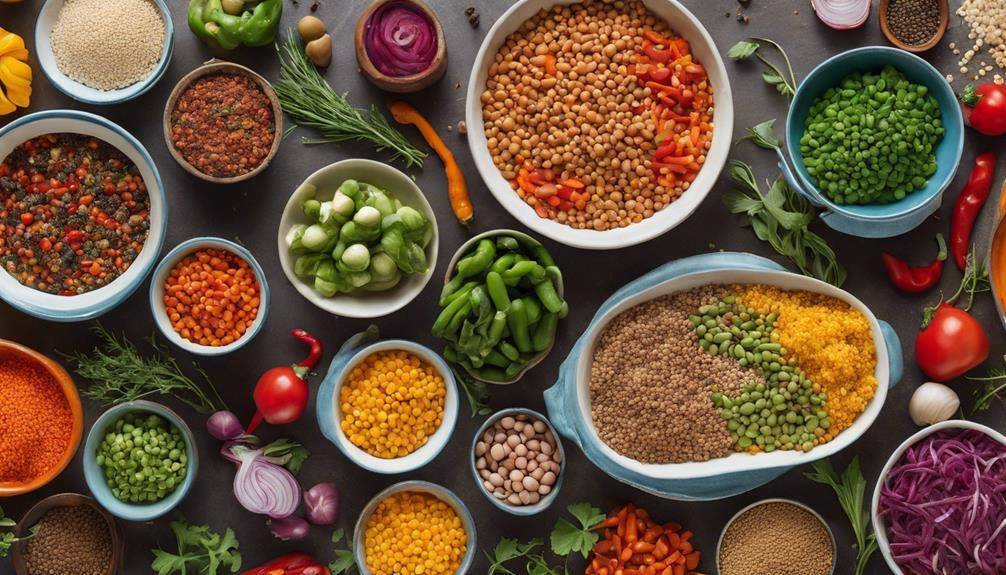
Incorporating legumes and pulses into your vegetarian meals opens up a world of flavor and nutrition. These nutrient-dense foods, like lentils, chickpeas, and black beans, are packed with protein, fiber, and essential vitamins and minerals. Their impressive nutritional value makes them an excellent substitute for meat, ensuring you still get the protein your body needs.
You can easily experiment with various cooking methods to bring out the best in legumes and pulses. Try simmering lentils in soups or stews for a hearty meal, or roasting chickpeas for a crunchy snack. You can also blend beans into dips or spreads, adding a delightful twist to your appetizers.
Don’t forget about their versatility! Use legumes in salads, casseroles, or tacos, and you’ll discover an array of textures and tastes that satisfy your cravings. Plus, they’re budget-friendly and have a long shelf life, making them a practical choice for any kitchen. By choosing legumes and pulses, you’re not only enhancing your dishes but also embracing a healthier lifestyle. So go ahead, make them a staple in your vegetarian cooking repertoire!
Experiment With Textures
Experimenting with textures can elevate your vegetarian meat dishes from ordinary to extraordinary. When you think about your favorite meat recipes, consider what makes them so appealing. Often, it’s the variety of textures that makes each bite satisfying. To replicate that sensation, explore texture variations in your vegetarian ingredients.
Start by swapping out some common meat components. For instance, use jackfruit to mimic pulled pork’s fibrous texture or try mushrooms for their meaty bite. Cauliflower can be roasted to create a crunchy exterior while remaining tender inside. Don’t forget about nuts and seeds; they can add a delightful crunch to your dishes. Mixing these ingredients can produce unexpected and delightful results.
Another way to enhance textures is through cooking methods. Try pan-searing, roasting, or even grilling to bring out different textures in your vegetables and plant-based proteins. For example, grilling can give a smoky flavor along with a charred texture, making your dish more complex. You might also consider creating layers, like a crispy topping for a creamy casserole or a crunchy slaw to accompany soft tacos.
Use Umami-Rich Ingredients
Umami-rich ingredients are the secret weapon in transforming your vegetarian meat dishes from bland to bold. These flavor boosters pack a punch and can elevate your meals, making them satisfying and delicious. When you’re looking to replicate that savory depth typically found in meat, you’ll want to reach for some key umami sources.
Mushrooms, especially shiitake and portobello, are fantastic umami sources. They bring a rich, earthy flavor that mimics the taste of meat beautifully. You can sauté them, grill them, or even use them in sauces to add depth. Another excellent choice is fermented products like soy sauce, miso, or nutritional yeast. These ingredients not only enhance the overall flavor but also bring a delightful complexity to your dishes.
Tomatoes, particularly sun-dried or roasted varieties, also serve as powerful umami sources. They add a sweet and tangy richness that can elevate any dish. Don’t forget about smoked paprika or liquid smoke; these can infuse your vegetarian recipes with a smoky essence reminiscent of barbecued meats.
Incorporate Seasonal Vegetables
When you embrace seasonal vegetables in your vegetarian meat recipes, you not only enhance the flavors but also support local agriculture and sustainability. Seasonal sourcing allows you to take advantage of the freshest produce available, bursting with nutrients and flavor. Visiting local markets can be a delightful experience, where you can discover a variety of vegetables that are at their peak, adding vibrancy to your dishes.
Start by researching what’s in season in your area. Depending on the time of year, you might find an array of vibrant greens, root vegetables, or even squashes. Incorporating these ingredients into your recipes can elevate a simple dish into something truly special. For example, if it’s fall, roasted butternut squash can replace the meat in a hearty stew, providing a naturally sweet and creamy texture.
Additionally, consider mixing and matching seasonal vegetables for added depth. For instance, pairing sweet carrots with earthy mushrooms can create a delicious contrast that satisfies your palate. Don’t hesitate to experiment with color and texture, as seasonal vegetables often come in a variety of shapes and hues, making your meals not only tasty but visually appealing.
Explore Meat Alternatives
Exploring meat alternatives opens up a world of culinary creativity and health benefits. You can replace traditional meat with a variety of plant-based options that not only satisfy your tastebuds but also enhance your meals. For instance, try seitan recipes, which have a chewy texture that mimics meat. If you’re in the mood for something fun and flavorful, whip up some jackfruit tacos; the shredded jackfruit soaks up spices beautifully.
Chickpea curry is another excellent choice, packed with protein and bursting with flavor. Combine it with quinoa salads for a nutritious side dish that complements any meal. For a hearty main course, consider mushroom stroganoff—its creamy sauce and earthy flavors make it a perfect comfort dish. Cauliflower steaks are another exciting alternative; simply season and roast them for a delightful, meaty bite.
You can also prepare a lentil shepherd’s pie, where lentils replace meat and create a rich, savory filling. Tempeh burgers are a fantastic option for grilling season, offering a firm texture and nutty taste that pairs well with your favorite toppings. Don’t forget about vegetable stir fry, which allows you to showcase an array of colorful veggies, delivering a satisfying crunch.
Lastly, incorporate nut-based cheeses into your meals for a creamy finish. With these options, you’ll find that exploring meat alternatives can be both enjoyable and delicious, making your vegetarian dishes irresistible.
Adjust Cooking Times
Cooking vegetarian meat alternatives often requires adjusting cooking times to achieve the best texture and flavor. Unlike traditional meats, plant-based options like tofu, tempeh, and seitan can cook much faster or slower depending on the cooking techniques you choose. For instance, while chicken might take 20 minutes to grill, firm tofu could be ready in just 10 minutes. Conversely, certain legumes may need longer simmering times to become tender compared to ground beef.
To manage your time effectively, pay close attention to the specific cooking instructions for your chosen alternatives. You’ll want to guarantee you’re not overcooking or undercooking them. For example, sautéing mushrooms or zucchini might take only a few minutes, while larger chunks of eggplant could require more time to soften. Adjusting the heat level can also help; cooking over medium heat allows for better control and prevents burning.
Additionally, consider batch cooking. Preparing larger quantities of vegetarian proteins at once can save you time in the long run, as they can easily be refrigerated or frozen for later use. This approach will not only enhance your time management but also make meal prep more efficient.
Ultimately, keep a close eye on your cooking times, and don’t hesitate to taste along the way. This way, you’ll find that perfect balance that elevates your vegetarian dishes to delightful new heights.
Flavor With Spices and Herbs
To elevate your vegetarian meat dishes, focus on the right spices and herbs. You’ll discover essential herbs to brighten flavors and spice combinations that add depth to your meals. Don’t forget to explore flavor enhancers and techniques that can take your dishes to the next level.
Essential Herbs to Use
When it comes to creating delicious vegetarian meat alternatives, crucial herbs play a vital role in enhancing flavor. Using a fresh herb medley can transform your dishes from bland to vibrant. For instance, basil, parsley, and cilantro bring a burst of freshness that complements various ingredients. You can easily chop them up and toss them into your stir-fry, pasta, or salads.
Don’t underestimate the power of dried herbs, either. They’re perfect for long-simmering dishes like stews or sauces, allowing their flavors to develop over time. Just make sure you store your dried herbs properly in a cool, dark place to maintain their potency.
Thyme, oregano, and rosemary are fantastic choices that can add depth and warmth to your vegetarian recipes. A sprinkle of these herbs can make your veggie burgers or lentil loaf feel hearty and satisfying.
Experiment with different combinations to find what suits your taste. Remember, the right herbs can elevate your vegetarian dishes, making them appealing even to meat lovers. So, stock up on these crucial ingredients and let them inspire your culinary adventures!
Spice Combinations for Depth
Releasing the full potential of your vegetarian meat dishes often comes down to the right spice combinations. Start by experimenting with spice layering techniques, which involve adding spices at different stages of cooking. This method allows flavors to develop and deepen, creating a more complex and satisfying dish.
Begin with a base of aromatics like onions and garlic, then add spices like cumin and coriander early on. These aromatic spice blends provide a hearty foundation. For a kick, consider adding chili powders or smoked paprika later in the cooking process.
Don’t forget to complement your spices with fresh or dried herbs. A sprinkle of thyme or basil can elevate your dish, enhancing the natural flavors of your ingredients.
Consider regional cuisine for inspiration—curry powders, za’atar, or Mexican adobo can transform your vegetarian recipes into something extraordinary. Remember, it’s all about balance; taste as you go, adjusting spices to your preference. By mastering these spice combinations, you’ll open up a world of flavor in your vegetarian dishes, making them as rich and satisfying as their meat counterparts.
Flavor Enhancers and Techniques
Building on those spice combinations, flavor enhancers and techniques can elevate your vegetarian meat dishes even further. Start by incorporating smoky flavors using paprika or liquid smoke to mimic that grilled taste. Create savory marinades with ingredients like soy sauce, garlic, and ginger to infuse depth into your proteins, whether they’re tofu or tempeh.
Don’t forget sweet accents! A touch of maple syrup or honey can balance bold contrasts in your dishes. For tangy additions, consider a splash of vinegar or citrus juice to brighten the overall flavor profile. Nutty infusions from tahini or nut butters can add richness and complexity.
You can also play with creamy textures by introducing nut-based sauces or coconut milk for a decadent touch. For crunch, sprinkle on crunchy toppings like toasted nuts or seeds to provide textural contrast. Fresh garnishes such as cilantro or green onions can enhance the visual appeal and freshness of your meal.
Lastly, explore spicy elements like chili flakes or hot sauce to give your dish a kick. By blending these techniques and enhancers, you’ll transform your vegetarian recipes into satisfying, flavorful delights!
Create Hearty Sauces
Creating hearty sauces is a game-changer for vegetarian meat dishes, adding depth and flavor that can elevate any meal. When you want to replicate the richness typically found in meat-based sauces, focus on achieving the right sauce thickness. A thicker sauce not only clings beautifully to your ingredients but also creates a satisfying mouthfeel. To achieve this, consider using pureed vegetables, such as cooked carrots or roasted red peppers, or even a roux made from flour and plant-based butter.
Flavor balancing is essential when crafting your sauce. Start with a base of aromatics like onions, garlic, or shallots, then enhance it with herbs and spices that complement your dish. Don’t shy away from umami-rich ingredients such as mushrooms, nutritional yeast, or soy sauce. These elevate the overall taste, mimicking the savory notes typically provided by meat.
You can also experiment with different liquids to build your sauce’s foundation. Vegetable broth, tomato puree, or even a splash of red wine can add complexity. If you’re looking for creaminess, consider coconut milk or cashew cream, which can transform a simple sauce into something luxurious.
Utilize Grains and Legumes
When you’re looking to boost the protein in your vegetarian dishes, grains and legumes are your best friends. Experiment with flavorful combinations like quinoa and brown rice, or try crafting rich sauces using lentils and chickpeas. These ingredients not only add texture but also enhance the overall taste of your meals.
Protein-Packed Alternatives
For delicious vegetarian meat recipes, incorporating protein-packed alternatives like grains and legumes is essential. These ingredients not only offer a hearty texture but also boost the nutrient density of your meals. When you replace meat with options like lentils, chickpeas, or quinoa, you’re adding rich protein sources that keep you satisfied and energized.
When meal planning, consider how you can use grains and legumes in creative ways. For instance, black beans can easily replace ground beef in tacos, while lentils make a fantastic base for shepherd’s pie. Rice and beans together create a complete protein, ensuring you’re meeting your dietary needs.
Additionally, don’t overlook the versatility of whole grains like farro, barley, or bulgur. They can serve as a filling component in salads, casseroles, or stir-fries. By incorporating these protein-packed alternatives, you’ll create meals that are not only nourishing but also flavorful and satisfying.
Flavorful Grain Combinations
Combining grains and legumes can elevate your vegetarian meals while enhancing their flavor and texture. Start with a quinoa pilaf, mixing in some roasted vegetables and chickpeas for a hearty dish. For a revitalizing option, try a farro salad packed with fresh herbs, diced cucumbers, and a squeeze of lemon. If you’re after something creamy, a barley risotto made with vegetable broth and sautéed mushrooms can be divine.
Don’t overlook the versatility of a millet bowl topped with sautéed greens and black beans. Wild rice is another fantastic base, especially when mixed with dried cranberries and pecans for a sweet and savory contrast. A couscous mix can be light and fluffy, perfect for soaking up a tangy vinaigrette while paired with lentils for added protein.
For a unique twist, whip up a bulgur blend with roasted bell peppers and olives. An amaranth dish can be nutty and satisfying, while a spelt recipe brings a chewy texture to your meals. Finally, consider a teff combination with sautéed kale, creating a nutrient-rich, filling option. Embrace these grains, and you’ll transform your cooking!
Legume-Based Sauces
Legume-based sauces can completely transform your vegetarian dishes, adding depth and richness while maximizing nutrition. By exploring different legume varieties, you can create sauces that not only enhance flavor but also pack a protein punch. Consider using lentils, chickpeas, or black beans as your base. These legumes offer unique textures and tastes, allowing you to customize your sauces to suit your dishes.
To achieve the desired sauce thickness, adjust the cooking time and the amount of liquid you use. For a creamy consistency, blend cooked legumes with vegetable broth, garlic, and spices until smooth. Alternatively, leave some legumes whole to create a chunkier sauce that adds more interest to your meal.
Don’t shy away from experimenting! You can infuse your sauces with herbs, spices, and even vegetables to elevate the flavor profile. For instance, adding roasted red peppers or sun-dried tomatoes can introduce a delightful twist. By incorporating legume-based sauces into your cooking, you’ll not only enjoy rich and satisfying meals but also reap the nutritional benefits that legumes provide. Enjoy the journey of transforming your vegetarian dishes into comforting delights!
Master the Art of Substitution
Mastering the art of substitution opens up a world of possibilities in vegetarian cooking. When you swap meat for plant-based ingredients, you’ll not only enhance your dishes but also achieve nutritional balance. Take a close look at the flavors and textures in your meat recipes, then find suitable replacements that maintain the essence of the dish.
For instance, if a recipe calls for ground beef, you can use lentils or mushrooms as a hearty substitute. Both options offer satisfying textures while adding depth to your meal. When it comes to cooking techniques, consider how the original meat is prepared. If you’re searing chicken, try grilling marinated eggplant or tofu instead. Both options can soak up flavors beautifully and provide that satisfying char you crave.
Don’t forget about spices and herbs! They play an essential role in creating the taste profile of your dish. When substituting, experiment with different seasonings to enhance the new ingredients in your meal. For instance, if you’re switching out bacon, smoked paprika can provide that smoky essence you miss.
Lastly, keep in mind that some ingredients may require different cooking times or methods. Be flexible and adjust as needed. By mastering these substitutions, you’ll not only create delicious vegetarian meals but also broaden your culinary skills. Embrace the adventure—your taste buds will thank you!
Try Egg and Dairy Options
When you’re looking to create hearty vegetarian meals, don’t overlook the versatility of eggs and dairy. These ingredients can add richness, texture, and flavor that makes your dishes satisfying and delicious. Egg-based dishes, such as frittatas or quiches, can serve as excellent replacements for meat-heavy recipes. You can easily load them with vegetables, cheese, and herbs, creating a meal that’s both nutritious and filling.
If you’re avoiding eggs, consider using dairy substitutes to achieve similar results. For instance, silken tofu blended with nutritional yeast can mimic the creamy texture of scrambled eggs or be used as a base in sauces. Greek yogurt can replace sour cream in dips or dressings, adding a tangy flavor and protein boost.
Cheese also plays an essential role in vegetarian cooking. Try incorporating ricotta, mozzarella, or feta into your recipes for added depth. If you want to keep things dairy-free, explore options like cashew cheese or almond-based products. These dairy substitutes can give you that creamy, indulgent taste without the animal products.
Embrace Global Cuisines
Exploring global cuisines opens up a world of flavors and textures that can elevate your vegetarian dishes. By embracing cultural influences from around the world, you can transform traditional dishes into delightful vegetarian creations. Start by researching food history to understand how various cultures have utilized regional spices and global ingredients. This knowledge will help you appreciate the nuances of flavor traditions and inspire you to incorporate them into your cooking.
Consider adopting different culinary techniques and cooking methods from various cuisines. For instance, you could use Indian tandoor techniques to roast vegetables or experiment with Mediterranean grilling. These methods can enhance the natural flavors of your vegetarian ingredients, making your dishes more exciting. Try creating fusion recipes that blend elements from different cultures, like a Thai-inspired veggie curry or a Mexican-style quinoa salad.
Ingredient sourcing is also key. Seek out specialty markets that offer diverse produce and spices, allowing you to experiment with authentic flavors. You can easily elevate a simple vegetable stir-fry by adding some Szechuan peppercorns or a dash of harissa for a North African twist.
Test and Tweak Recipes
When you’re experimenting with vegetarian meat recipes, don’t be afraid to swap out ingredients to find what works for your taste. Adjusting cooking times can also make a big difference in texture and flavor. Remember, the goal is to create a dish that you love, so feel free to make it your own!
Experiment With Ingredients
Getting creative in the kitchen can lead to some amazing vegetarian meat recipes, so don’t hesitate to mix and match different ingredients. Start by exploring various plant-based proteins like lentils, chickpeas, or tofu. These can serve as fantastic substitutes for meat, but remember to focus on flavor balancing. You want your dish to taste rich and satisfying, so consider adding spices, herbs, or sauces that complement your chosen ingredients.
When ingredient sourcing, look for fresh vegetables, grains, and legumes that inspire you. Seasonal produce can bring vibrant flavors and textures to your dish. For instance, roasted mushrooms can provide a savory, umami kick, while roasted bell peppers add sweetness. Don’t shy away from experimenting with different cuisines—try incorporating Asian, Mediterranean, or Latin American flavors into your vegetarian creations.
Additionally, think about how you can replicate the textures of meat. Grating vegetables like zucchini or carrots can mimic ground meat in certain recipes. You might even experiment with nuts and seeds for an extra crunch or creaminess. Keep tasting and adjusting until you find the perfect balance that satisfies your palate. Happy cooking!
Adjust Cooking Times
Adjusting cooking times is essential for perfecting your vegetarian meat recipes. When you switch from meat to plant-based ingredients, the cooking techniques often change considerably. For instance, tofu and tempeh may need shorter cooking times than chicken, while hearty vegetables like eggplant or mushrooms can require a bit longer to achieve the right texture.
Start by following the original recipe’s cooking time but keep an eye on your dish as it cooks. You might find that vegetables soften faster than you expect, or that beans and lentils take longer to become tender. Make recipe adjustments by testing for doneness periodically. Use a fork to check if ingredients are cooked through, and taste as you go.
Don’t forget that some flavors develop better with slow cooking, so don’t rush that process if it suits your recipe. Finally, jot down your observations and adjustments for future reference. This way, you’ll refine your timing and techniques for the next time you whip up a delicious vegetarian version of your favorite meat dish.
Frequently Asked Questions: Convert Meat Recipes Into Vegetarian Delights
Can I Use Tofu in Any Meat Recipe Substitution?
Absolutely, you can use tofu as a meat substitute! Experiment with different tofu textures and marinating methods to enhance flavor. Firm tofu works well in stir-fries, while silken tofu’s great for sauces and soups.
What Are the Best Vegetarian Options for High-Protein Meals?
For high-protein meals, consider incorporating lentil protein and tempeh benefits. Lentils offer fiber-packed nutrition, while tempeh’s fermented goodness boosts protein intake. You’ll find these options versatile and satisfying in various dishes. Enjoy experimenting!
Are There Vegetarian Alternatives to Bacon or Sausage?
You’ve got great plant-based options like tempeh or seitan that mimic bacon and sausage. Add a smoky flavor with liquid smoke or smoked paprika to elevate your dishes and satisfy those cravings perfectly.
How Can I Enhance the Flavor of Bland Vegetables?
To enhance bland vegetables, you can experiment with herb combinations like basil and thyme. Try roasting or sautéing them with garlic and olive oil to reveal deeper flavors, making your dish more vibrant and delicious.
What Common Mistakes Should I Avoid When Converting Recipes?
When converting recipes, avoid overcooking vegetables and ignoring ingredient substitutions. Don’t rely solely on meat replacements; explore diverse cooking techniques to enhance flavors. Experiment with spices and textures to create satisfying vegetarian dishes that shine.

Conclusion
By following these tips, you can easily transform your favorite meat recipes into delicious vegetarian dishes. Embrace the diversity of plant-based ingredients and don’t be afraid to experiment with flavors and textures. Remember, cooking is about creativity, so feel free to test and tweak your recipes until they’re just right. With a little practice, you’ll discover that vegetarian cooking can be just as satisfying and flavorful as traditional meat dishes. Enjoy your culinary adventure!
If you enjoyed exploring this topic and want to dive even deeper, be sure to check out some of our other articles here on Infinite Flavors. From rich culinary histories to creative twists on classic recipes, there’s always something new to discover. Whether you’re curious about the origins of a dish, looking for fresh inspiration in the kitchen, or simply love learning about food culture, our collection of posts is the perfect next step on your flavor journey.
Exploring Amazing Gluten-Free Vegetarian Cuisine: A How-To
Exciting Top 10 Tips For Perfect Vegetarian Burgers
Easy Vegetarian Recipes For Busy College Students