Delving Into Amazing Argentinian Cuisine: 14 Essential Tips
Delving Into Amazing Argentinian Cuisine; Argentinian cuisine is a feast for the senses that you won’t want to miss. Start by understanding the cultural significance of asado, a beloved barbecue tradition featuring carefully grilled meats. Explore regional specialties, like the hearty locro from the north or Patagonia’s savory lamb dishes. Don’t forget to embrace empanadas, which offer delicious fillings and pair perfectly with traditional sauces. Savor a crispy Milanesa or indulge in sweet dulce de leche treats. As you navigate these culinary delights, you’ll uncover more customs and flavors that make Argentina’s food scene vibrant and unique. More delicious discoveries await you!
Understanding Asado
When it comes to Argentinian cuisine, you can’t overlook asado—it’s the heart and soul of the country’s culinary culture. Asado isn’t just a meal; it’s a cherished ritual that brings family and friends together. You’ll find that this tradition revolves around grilling meats, often over an open flame or on a parrilla, a type of grill that’s fundamental to the experience.
To truly appreciate asado traditions, you’ll want to understand the significance of the cuts of meat used. From succulent flank steaks to tender ribs, each cut has its place in the asado lineup. You’ll also notice that the seasoning is kept simple, usually just salt, allowing the natural flavors of the meat to shine through.
As you engage in the grilling techniques, you’ll see that patience is key. Unlike quick barbecues, asado is a slow-cooked affair. The meat is often cooked at a lower temperature for an extended period, ensuring it remains juicy and flavorful. You’ll appreciate the art of managing the fire, adding wood or charcoal to maintain a consistent heat.
When you’re invited to an asado, be prepared for more than just food. It’s about community, sharing stories, and enjoying the moment. So, grab a glass of Malbec, immerse yourself in the experience, and savor the delicious flavors that define Argentinian cuisine. You’ll find that understanding asado is essential to truly enjoying all that Argentina has to offer.
Exploring Regional Specialties
As you venture deeper into Argentinian cuisine, you’ll discover that each region boasts its own unique specialties, shaped by local ingredients and cultural influences. The diverse landscapes—from the lush Pampas to the arid Northwest—create a variety of flavors and dishes that reflect the area’s culinary traditions.
In the north, for instance, you’ll encounter dishes like locro, a hearty stew made with corn and beans, influenced by indigenous cultures. The flavors here are bold, often featuring spices and herbs that evoke a sense of the region’s vibrant history.
Traveling south, Patagonia offers an entirely different experience. The region is known for its rich lamb dishes, particularly cordero al palo, where the meat is slow-roasted over an open flame. This preparation highlights the importance of regional influences in Argentinian cooking, showcasing the high-quality meats available in this vast area.
In the northeast, you can’t miss the iconic mate, a traditional drink that embodies the social culture of the region. It’s often accompanied by delicious pastries, a nod to European immigrants who brought their culinary traditions to Argentina.
Each area tells a story through its food, so don’t hesitate to explore these specialties. By tasting local dishes, you’ll gain a deeper appreciation of the region’s history and the way it shapes Argentinian cuisine as a whole. With each bite, you’re not just enjoying a meal; you’re experiencing the rich tapestry of flavors and traditions that define this beautiful country.
Embracing Empanadas
When you’re exploring Argentinian cuisine, you can’t overlook empanadas. These delightful pockets come in various types, each with unique fillings and regional twists. Let’s also talk about the perfect pairings that elevate your empanada experience.
Types of Empanadas
Empanadas are a beloved staple of Argentinian cuisine, and you’ll find a variety of delicious types to savor. The classic fillings typically include ground beef, chicken, and cheese, each bringing its unique flavor to the table. While the traditional method for preparing empanadas often involves baking, you might also come across fried versions that offer a crispy texture.
When it comes to baking techniques, the dough is essential. Many prefer a flaky, golden crust that contrasts beautifully with the savory filling inside. Some recipes call for a simple wheat flour dough, while others might use a corn flour blend for a gluten-free option. Don’t be surprised if you encounter sweet empanadas too; fillings like dulce de leche or fruit make for a delightful dessert.
Whether you enjoy them as a snack or a meal, empanadas are versatile and can be customized to suit your taste. Experiment with different fillings, and don’t hesitate to try various baking techniques to create your perfect empanada. Each bite offers a taste of Argentina’s rich culinary heritage, making it an experience you won’t forget.
Regional Variations Explained
Argentina’s diverse regions bring a unique flair to empanadas, showcasing local ingredients and traditions. Each area has its own take on this beloved dish, influenced by cultural nuances and culinary traditions.
In the Northwest, for instance, you’ll find empanadas stuffed with spicy meats and potatoes, reflecting indigenous flavors. Moving south to Mendoza, the empanadas often feature a rich filling of beef, olives, and spices, a nod to the region’s agricultural bounty. Here, the wine culture also shines through, as locals enjoy their empanadas with a glass of Malbec.
In the coastal regions like Buenos Aires, seafood empanadas are a popular choice, demonstrating the influence of Mediterranean cooking. You’ll savor fillings made with fresh fish or shrimp, often seasoned with herbs and citrus.
Each bite of an empanada tells a story of local history and cultural influences. Whether you’re indulging in a sweet version filled with quince or a hearty meat option, you’ll appreciate how these regional variations reflect the heart and soul of Argentina’s culinary traditions. So, as you explore the country, don’t miss out on sampling the diverse empanadas that each region has to offer!
Perfect Pairings for Empanadas
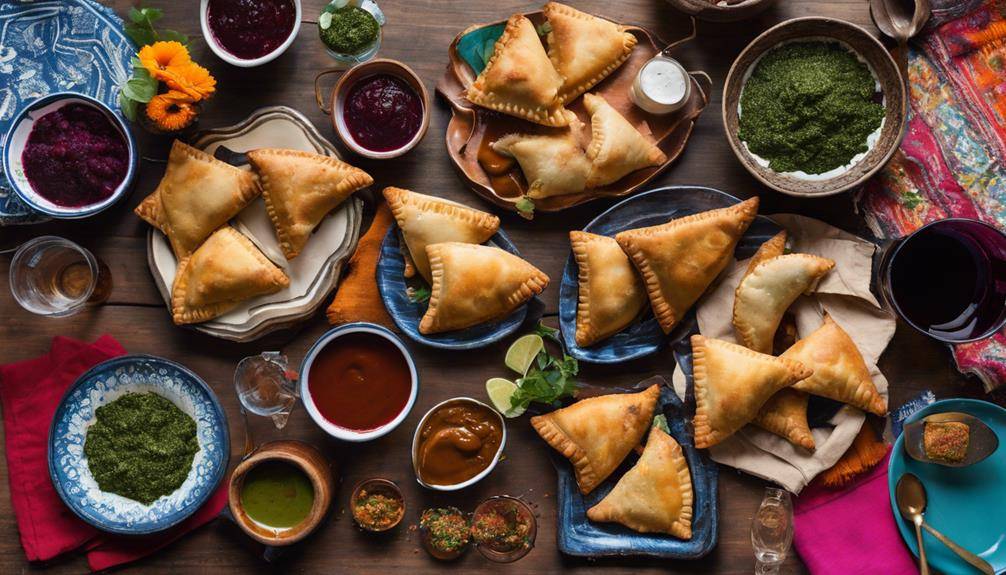
There’s nothing quite like enjoying empanadas alongside the perfect drink to enhance their flavors. To elevate your meal, consider a variety of sauce options. Chimichurri, a classic Argentinian sauce, brings a zesty kick, while a creamy garlic sauce offers a rich contrast. Dipping sauces can transform your empanada experience, creating delightful flavor contrasts.
For side dishes, think about traditional salads or roasted vegetables that complement the taste profiles of your empanadas. You can also explore different serving styles, like arranging them on a platter for a festive gathering, or serving them individually for a more intimate meal occasion.
Ingredient pairings are essential too. If your empanadas are filled with savory meats, pairing them with a fruity red wine can enhance the flavors. On the other hand, lighter fillings, like cheese or spinach, might go well with a crisp white wine or invigorating soda.
Don’t forget the cultural significance of empanadas in Argentinian cuisine; they’re perfect for gatherings and celebrations. By utilizing various cooking techniques and thoughtfully selecting pairings, you’ll create a memorable dining experience that honors this beloved dish.
Savoring Milanesa
When you think of Argentinian comfort food, Milanesa is sure to come to mind. You’ll want to explore authentic preparation methods and discover the popular variations that make this dish so beloved. Plus, finding the ideal accompaniments can elevate your Milanesa experience to a whole new level.
Authentic Preparation Methods
If you want to savor an authentic Milanesa, it’s all about the details in the preparation. First, focus on ingredient sourcing; fresh, quality meat is essential. Traditionally, beef or chicken cutlets are used, so choose cuts that are tender and flavorful.
Next, you’ll want to employ traditional techniques. Start by pounding the meat to an even thickness, which helps it cook uniformly. Season it simply with salt and pepper to enhance the natural flavors.
Then, set up a breading station with seasoned flour, beaten eggs, and breadcrumbs. For that classic crunch, use homemade breadcrumbs if possible. Dredge the meat through the flour, dip it in the eggs, and coat it well with breadcrumbs.
Once breaded, heat oil in a skillet until it shimmers, then fry the cutlets until golden brown and crispy. Don’t overcrowd the pan; this guarantees even cooking.
Popular Variations Explored
Savoring the deliciousness of Milanesa can take many forms, as this beloved dish has inspired a variety of regional adaptations. In Argentina, you’ll find Milanesa served in numerous ways, showcasing local ingredients and unique flavor profiles. From the classic breaded beef version to the chicken or even eggplant variations, each region boasts its own twist, influenced by local culinary traditions.
As you explore Argentinian street food, don’t miss the chance to try Milanesa a la Napolitana, a cheesy delight that combines the Milanesa with ham and melted cheese. This variation often pops up at lively food festivals, where the aroma of frying meat fills the air.
Cultural influences also play a role in how Milanesa is prepared and served. Different cooking techniques, like grilling or frying, yield distinct textures and tastes. Pairing it with regional desserts, such as dulce de leche treats, creates a delightful meal experience. Whatever your preference, Milanesa’s versatility allows you to enjoy it in countless ways, making it a staple of Argentinian cuisine that reflects the country’s rich culinary heritage.
Ideal Accompaniments Suggested
A variety of accompaniments can elevate your Milanesa experience, making it even more delightful. Start with traditional sides like mashed potatoes or a fresh, zesty salad. These options balance the richness of the breaded meat.
Don’t forget to explore different salsa recipes to complement your Milanesa. A tangy salsa criolla, made with diced onions, tomatoes, and bell peppers, adds a revitalizing touch. Alternatively, a spicy chimichurri can bring a burst of flavor that pairs beautifully with the crispy exterior of the Milanesa.
When it comes to wine selection, a good Malbec is your best bet. Its bold flavors and smooth finish enhance the savory notes of the dish. If you prefer white wine, try a Torrontés; its floral characteristics can provide a lovely contrast to the meat.
Discovering Dulce De Leche
Dulce de leche is a beloved staple in Argentinian cuisine, capturing the hearts and taste buds of locals and visitors alike. Its dulce origins trace back to various Latin American countries, but Argentina has truly made it its own. This rich, caramel-like spread boasts a creamy texture that’s simply irresistible. You’ll find it used in a variety of desserts, pastries, and even as a topping for pancakes or ice cream.
When you immerse yourself in Argentinian cuisine, don’t miss the opportunity to savor dulce de leche in its many forms. Try alfajores, which are delightful cookies filled with this sweet treat and often rolled in coconut or dusted with powdered sugar. Or, indulge in a slice of torta de dulce de leche, a layered cake that showcases this creamy goodness at its finest.
If you’re feeling adventurous, you can even make your own dulce de leche at home. All you need are just two ingredients: sweetened condensed milk and a bit of patience. The process involves simmering the milk until it thickens, turning into a luscious caramel color. It’s a rewarding experience that’ll give you a deeper appreciation for this Argentine classic.
When you visit Argentina, you’ll notice that dulce de leche isn’t just a dessert; it’s a way of life. So, embrace this sweet delight, and let it take you on a delicious journey through Argentinian culture.
Appreciating Malbec Wine
When you think of Argentinian wine, Malbec’s rich flavors probably come to mind. You’ll find notable regions producing this gem, and pairing it with the right food can elevate your experience. Let’s explore the tasting notes and discover how to enjoy Malbec to its fullest.
Notable Malbec Regions
Malbec’s allure captivates wine enthusiasts around the world, and Argentina is home to some of the most notable regions producing this rich varietal. If you’re looking to dive deeper into Malbec wine, you can’t overlook Mendoza, the crown jewel of Argentinian wine production. This region boasts an ideal Malbec terroir, with its high altitude, sunny days, and cool nights creating perfect growing conditions.
Another significant area is the Uco Valley, known for its diverse microclimates that further enhance the complexity of Malbec flavors. Here, you’ll find vineyards nestled against the Andes, which contribute to the unique mineral characteristics of the wine. Don’t forget about San Juan, where the warmer climate fosters a different expression of Malbec, often with riper fruit notes.
Each of these regions showcases the versatility of Malbec, allowing you to appreciate the nuances in taste and aroma. Exploring these areas offers a deeper understanding of how terroir influences this beloved varietal. So, whether you’re sipping a glass in a cozy restaurant or enjoying a bottle at home, you’ll be savoring the distinct essence of Argentina’s Malbec heritage.
Food Pairing Suggestions
Pairing food with Malbec can elevate your dining experience, enhancing the wine’s rich flavors and complementing your meal. This Argentinian red is known for its bold profile, making it perfect for hearty dishes. To start, consider grilled meats like asado, where the smoky flavors harmonize beautifully with Malbec’s fruitiness.
Don’t forget about Argentinian cheeses; a platter featuring aged provolone or blue cheese can create a delightful contrast to the wine’s intensity. If you’re feeling adventurous, try pairing Malbec with empanadas filled with flavorful meats and spices.
Traditional sauces can also elevate your meal. A chimichurri sauce, with its fresh herbs and garlic, complements the wine brilliantly, enhancing the overall dining experience.
For a lighter option, roasted vegetables drizzled with olive oil can balance Malbec’s richness while still allowing the wine to shine.
As you explore these pairings, remember that the key is to balance flavors. The more you experiment, the better your understanding of how Malbec can transform your meal. Enjoy the journey of discovering which combinations resonate with your palate!
Tasting Notes Overview
As you explore the world of Malbec, you’ll quickly notice its deep, dark color and rich aromas. This wine, primarily grown in Argentina, boasts a variety of flavor profiles that can include notes of dark fruits like blackberry and plum, often complemented by hints of chocolate and tobacco. To truly appreciate these nuances, you’ll want to employ some effective tasting techniques.
Start by swirling the glass to release the wine’s bouquet, then take a moment to inhale its complex scents. When you sip, let the wine coat your palate, noting the balance between fruitiness and acidity. Malbecs can range from smooth and velvety to bold and tannic, making each bottle unique.
Don’t forget to pay attention to the finish; a long, lingering aftertaste often indicates quality. As you taste, consider how the wine’s structure—its body, tannins, and acidity—contributes to the overall experience. Pairing Malbec with flavorful dishes, like grilled meats or rich sauces, enhances its profile even further. By honing these tasting techniques, you’ll deepen your appreciation for this quintessential Argentinian wine.
Enjoying Choripán
Choripán is a must-try when diving into Argentinian cuisine, and you’ll want to savor every bite. This iconic street food features a juicy chorizo sausage nestled in a crusty bread roll, often topped with chimichurri sauce for an explosion of flavor. But before you indulge, it’s fascinating to learn about its choripán history. Originating from the gauchos of Argentina, this dish reflects the country’s rich culinary traditions, where grilling meats over open flames is a cherished practice.
As you explore choripán variations, you’ll discover a delightful array of options depending on where you are in Argentina. Some regions may offer different types of bread or even unique sausages infused with local spices. In Buenos Aires, for instance, you might find choripán served with a spicy twist, while other areas might emphasize the smokiness of the chorizo. You can even experiment with toppings—some prefer a simple drizzle of chimichurri, while others go bold with pickled vegetables or spicy sauces.
When you’re ready to enjoy your choripán, seek out a local parrilla (grill) or food stand. Don’t hesitate to ask for recommendations on the best version they serve. Pair it with a cold beer or a glass of Malbec to enhance the experience. Trust me, each bite of choripán is a journey through Argentina’s culture, bringing together history, flavor, and tradition in one incredible dish.
Tasting Provoleta
After enjoying a delicious choripán, your taste buds will be ready for another Argentinian classic: provoleta. This mouthwatering dish is a grilled cheese that hails from the heart of Argentinian asado culture. Traditionally made from provolone cheese, provoleta has a rich history that dates back to the Italian immigrants who settled in Argentina. They brought with them their love for cheese, and over time, this dish evolved into a beloved staple at barbecues.
To truly savor provoleta, you’ll want to focus on the right cooking techniques. Start by selecting a high-quality, thick slice of provolone. You can enhance the flavor by sprinkling it with oregano, chili flakes, or even a drizzle of olive oil before grilling. The key to a perfect provoleta is to cook it over medium heat, allowing the cheese to melt gradually while forming a delightful golden crust. Keep an eye on it, as you don’t want it to spill over.
Once it’s ready, serve it hot and bubbly, ideally alongside some crusty bread for dipping. As you take your first bite, you’ll experience a melty texture that’s both savory and satisfying. Provoleta isn’t just a side dish; it’s a true representation of Argentinian hospitality and culinary tradition, making it a must-try on your culinary journey. So, grab your friends, fire up the grill, and enjoy this cheesy delight!
Sampling Alfajores
When you sample alfajores, you’ll discover a variety of types that showcase Argentina’s rich culinary heritage. Each region adds its own twist, so exploring these variations can be a tasty adventure. To enhance your experience, consider perfect pairings that complement the sweet, creamy delight of these treats.
Types of Alfajores
Alfajores are a beloved treat in Argentina, and sampling the different types can be a delightful experience. These sweet cookies typically consist of two layers, filled with a range of decadent chocolate fillings or dulce de leche. You’ll notice that the cookie textures can vary, from soft and crumbly to firmer and more cake-like.
Each region boasts its own favorites, reflecting local ingredients and cultural significance. For instance, some regions prefer alfajores coated in chocolate, while others might dust them with powdered sugar or coconut. You might find that serving styles differ, too; they can be enjoyed as a casual snack or presented at festive occasions, making them a versatile treat.
Homemade variations often add a personal touch, allowing families to pass down recipes that highlight their historical origins. As you explore these delightful desserts, take note of how each type captures the essence of Argentine culture. Whether you go for a traditional version or a modern twist, sampling alfajores is an essential part of experiencing Argentina’s rich culinary landscape. Enjoy every bite, and savor the sweet stories behind these iconic treats!
Regional Variations Explored
Sampling alfajores reveals a fascinating array of regional variations across Argentina. Each province boasts its own unique take on this beloved treat, influenced by local ingredients and cultural influences. For instance, in Buenos Aires, you’ll find alfajores filled with dulce de leche and coated in chocolate, a style that has become iconic nationwide.
Traveling north to Salta, you might discover alfajores made with a corn-based dough, reflecting the area’s indigenous roots and culinary techniques. Meanwhile, in the southern province of Patagonia, you’ll encounter variations that incorporate local fruits, such as berries or apples, adding a distinct and invigorating twist.
Don’t forget to try the alfajores from Córdoba, where they often include a hint of citrus zest in the filling, showcasing the region’s agricultural bounty. Each bite tells a story of local traditions and flavors, emphasizing the rich tapestry of Argentina’s culinary landscape.
As you explore these variations, you’ll not only satisfy your sweet tooth but also gain insight into the diverse cultural influences that shape Argentinian cuisine. Keep an open mind and palette; you’re in for a delightful journey through taste!
Perfect Pairings Suggested
Savoring alfajores becomes even more enjoyable when you consider the perfect pairings that enhance their flavors. Start with wine pairings; a sweet Malbec complements the dulce de leche beautifully. If you’re in the mood for something savory, cheese selections like aged manchego can balance the sweetness, creating a delightful contrast.
For sauce recommendations, a drizzle of chocolate sauce adds an indulgent touch. If you’re serving alfajores as a dessert choice, consider presenting them alongside fresh berries to introduce a tart flavor profile that cuts through the richness. Beverage options like yerba mate or a light sparkling water can also refresh your palate.
When it comes to spice combinations, a sprinkle of cinnamon over the alfajores can elevate their taste. Think about side dishes, too; a light fruit salad pairs well, enhancing the overall experience. You can experiment with serving styles, placing alfajores on a rustic wooden board for a casual vibe or on elegant china for a more formal occasion.
Presentation tips matter; dusting them with powdered sugar before serving not only adds a touch of elegance but also highlights their deliciousness. Enjoy these pairings and elevate your alfajor experience!
Learning About Mate
Mate, a traditional Argentinian drink, holds a special place in the hearts of locals and visitors alike. This unique beverage, made from the leaves of the yerba mate plant, is much more than just a drink; it’s a social ritual that brings people together. When you visit Argentina, you’ll likely encounter mate rituals, where friends and family share a gourd of mate, passing it around while engaging in lively conversations. It’s a bonding experience that reflects the warm hospitality of the culture.
To truly appreciate mate, you’ll want to learn how to prepare it. Start by filling a gourd about half full with yerba mate, then tilt it slightly to create a small cavity. Add hot (not boiling) water to the bottom and place a bombilla (metal straw) into the yerba. Sip slowly to enjoy the earthy flavors. If you’re offered the gourd, remember to drink it all and pass it back; this shows respect and appreciation for the shared experience.
Beyond its cultural significance, mate boasts numerous health benefits. It’s packed with antioxidants, vitamins, and minerals, making it a nourishing beverage. Many people enjoy its stimulating effects, thanks to the caffeine content, which can enhance focus and energy. So, as you explore Argentinian cuisine, don’t miss out on this iconic drink. Embrace the mate rituals, savor the flavors, and enjoy the health benefits that come with this cherished tradition.
Experiencing Traditional Breakfast
Starting your day with a traditional Argentinian breakfast offers a delightful glimpse into the country’s culinary culture. While breakfast isn’t the main meal in Argentina, it’s still an experience you won’t want to miss. You’ll typically find a light spread featuring various breakfast pastries, perfect for satisfying your morning cravings.
One of the highlights is the medialuna, a crescent-shaped pastry that’s often compared to a croissant. These flaky treats come in sweet and savory varieties, making them a versatile choice. You might also encounter other delicious options like facturas, which are sweet pastries filled with dulce de leche or custard. Pair these delights with a steaming cup of coffee or a traditional beverage, such as yerba mate, to kickstart your day.
As you indulge, don’t forget to savor the unique flavors of the local jams and cheeses, which add an extra layer of richness to your breakfast. The combination of sweet and savory elements creates a balanced meal that reflects the diverse influences on Argentinian cuisine.
In many cafes, you’ll discover that locals often enjoy their breakfast while socializing, giving you a chance to immerse yourself in the vibrant culture. So, when you’re in Argentina, take the time to experience a traditional breakfast. It’s not just about the food; it’s about connecting with the local way of life and enjoying a moment of relaxation before diving into the day ahead.
Recognizing Seasonal Ingredients
Understanding seasonal ingredients is essential to truly appreciating Argentinian cuisine. The flavors and textures of dishes can markedly change based on what’s in season. When you focus on seasonal produce, you’ll experience the freshest ingredients that truly highlight the essence of the region’s culinary traditions.
In Argentina, the seasons vary widely from north to south. For example, summer brings a bounty of tomatoes, peppers, and melons, while winter offers hearty root vegetables like potatoes and carrots. You’ll notice that many traditional recipes evolve with the changing seasons, so it’s important to stay aware of what’s available.
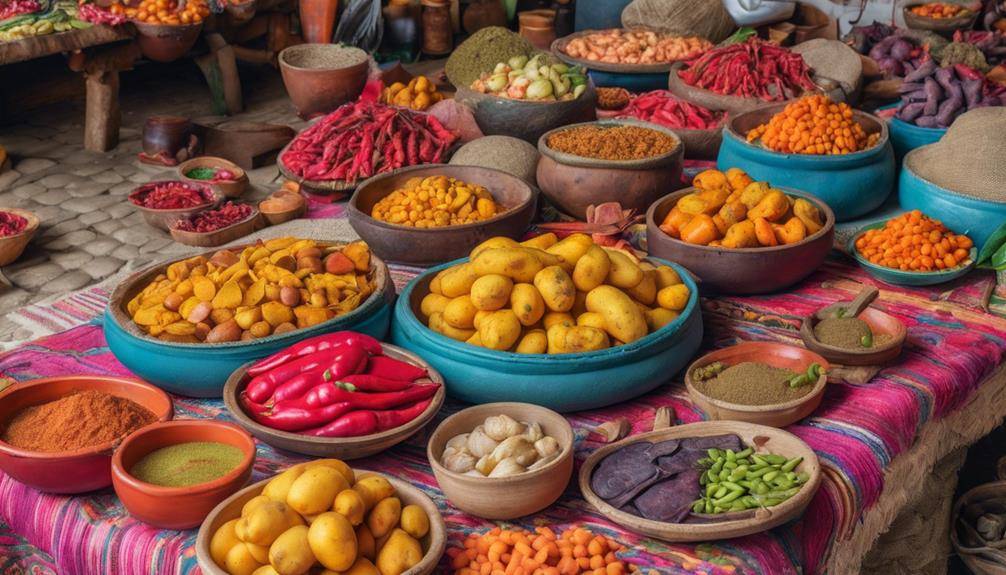
Visiting local markets is one of the best ways to recognize seasonal ingredients. These markets are vibrant and filled with vendors showcasing their freshest produce. When you stroll through, you can engage with local farmers, ask about their harvests, and learn about the best ingredients to use for your meals. You’ll find that seasonal produce not only tastes better but also supports local agriculture.
Don’t hesitate to try new fruits and vegetables you may not be familiar with. Each season brings unique flavors and textures that can elevate your cooking. By incorporating these seasonal ingredients into your meals, you’ll create dishes that are not only delicious but also reflect the rich agricultural heritage of Argentina. Embrace this approach, and your culinary journey will be all the more rewarding.
Navigating Street Food
How can you truly experience the vibrant culture of Argentina? One of the best ways is by diving into the street food scene. Street vendors are everywhere, offering a variety of popular dishes that reflect the country’s rich culinary heritage. You can find everything from empanadas to choripán, each bursting with flavor.
To make the most of your street food adventure, keep a few timing tips in mind. Visit during lunch hours when vendors are busy and food is freshly made. Early evenings are also great, as many locals grab a bite after work. Look for busy stalls; they often indicate quality and popularity.
Food safety is essential, so always choose vendors who maintain cleanliness and have a good turnover of food. It’s also smart to ask locals for recommendations on hidden gems—those lesser-known spots that serve the best bites. When it comes to budget options, street food is your friend. You’ll find delicious meals that won’t break the bank.
Familiarize yourself with local customs and culinary etiquette. In Argentina, it’s common to enjoy food standing up, so don’t be surprised if there aren’t many tables. Also, don’t forget to greet the vendor politely; a friendly “gracias” goes a long way.
Pairing Food With Culture
While exploring Argentine cuisine, you’ll quickly realize that each dish tells a story about the country’s diverse cultural influences. The culinary traditions in Argentina are a beautiful blend of Italian, Spanish, indigenous, and other immigrant flavors. Each meal you enjoy offers a glimpse into the rich history and cultural significance of the region.
Take a classic asado, for example. This traditional barbecue isn’t just about the food; it’s a social event that brings families and friends together. You’ll find that the way meat is prepared and shared reflects the importance of community in Argentine culture. Similarly, dishes like empanadas showcase regional variations and local ingredients, illustrating how geography shapes culinary practices.
When you sit down to enjoy a meal, consider the stories behind it. Each bite can connect you to the past, from the indigenous roots in dishes like locro, a hearty stew, to the Italian influence in pasta and pizza. This understanding enriches your dining experience, allowing you to appreciate not just the flavors but the cultural narratives they convey.
To truly enjoy Argentine cuisine, immerse yourself in its context. Pair your meals with local wines or traditional drinks like mate, and you’ll find that the experience becomes more meaningful. Food in Argentina isn’t just sustenance; it’s a celebration of heritage, identity, and the vibrant tapestry of cultures that have shaped the nation.
Frequently Asked Questions: Delving Into Amazing Argentinian Cuisine
What Are Common Dietary Restrictions in Argentinian Cuisine?
In Argentinian cuisine, common dietary restrictions include gluten intolerance and vegan preferences. You’ll find gluten-free options in traditional dishes, and with some vegan adaptations, many meals can cater to your dietary needs while enjoying the flavors.
How Do I Find Authentic Argentinian Restaurants Abroad?
To find authentic Argentinian restaurants abroad, check online restaurant reviews and focus on those embracing traditional culinary traditions. Look for menus featuring classics like asado and empanadas, ensuring a genuine dining experience. Enjoy your culinary adventure!
Are There Vegetarian Options in Traditional Argentinian Dishes?
Yes, you’ll find vegetarian options in traditional Argentinian dishes. Many chefs offer vegetarian substitutions, like using grilled vegetables in empanadas or regional variations with lentils. Always ask for options to guarantee a delightful experience!
What Utensils or Tools Are Essential for Making Argentinian Food?
When you’re making Argentinian food, an asado grill is essential for perfecting those smoky flavors. Don’t forget an empanada mold to shape your delicious pastries neatly. These tools will elevate your culinary experience immensely.
How Can I Learn to Cook Argentinian Dishes at Home?
To learn Argentinian dishes at home, gather authentic Argentinian ingredients and practice essential cooking techniques. Watch online tutorials, experiment with recipes, and don’t hesitate to ask locals for tips and tricks to enhance your skills.

Conclusion
In your journey through Argentinian cuisine, you’ve uncovered the richness of asado, the charm of empanadas, and the sweetness of dulce de leche. Embrace the diverse regional specialties and seasonal ingredients that make each dish unique. Don’t shy away from street food; it’s where you’ll find authentic flavors. Remember, each meal tells a story, connecting you to Argentina’s vibrant culture. So, grab a fork and dig in—there’s so much more to explore and savor!