The Best Dietician Recommended Meal Prep for Weight Loss
Dietician Recommended Meal Prep for Weight Loss; Are you tired of feeling like a ship lost at sea when it comes to weight loss? Well, meal prep might just be the compass you’ve been searching for. Like a well-oiled machine, dietitian recommended meal prep can help you navigate the tricky waters of weight loss with ease and efficiency. But how exactly does it work? And what steps should you take to ensure success?
In this discussion, we will unravel the secrets behind effective meal prep for weight loss, providing you with practical tips and strategies that will leave you feeling confident and in control of your health journey. So, buckle up and get ready for a voyage towards a healthier, happier you.
Understanding the Basics of Meal Prep
To successfully meal prep for weight loss, it is crucial to have a solid understanding of the basics of meal prep. Meal prep is a strategy that involves preparing and portioning meals in advance to save time, money, and to support your weight loss goals. By taking some time to plan and prepare your meals ahead of time, you can make healthier choices and avoid impulse eating.
One of the main benefits of meal prep is that it helps you control your portion sizes. When you have pre-portioned meals ready to go, you are less likely to overeat or indulge in unhealthy snacks. This can be especially beneficial for individuals who are trying to lose weight, as portion control is a key factor in achieving and maintaining a healthy weight.
Meal prep is also a great option for busy individuals. By dedicating a few hours each week to meal prep, you can have healthy and nutritious meals ready to grab and go throughout the week. This can save you time and energy, as you won’t have to worry about cooking and cleaning up after every meal. Additionally, meal prep can save you money by reducing the need to eat out or order takeout.
To get started with meal prep, begin by planning your meals for the week. Choose recipes that are easy to make in bulk and can be stored and reheated easily. Invest in some quality food storage containers to keep your meals fresh and organized. Take the time to chop vegetables, cook proteins, and portion out your meals in advance. With a little bit of planning and preparation, meal prep can become a valuable tool in your weight loss journey.
Essential Tools for Effective Meal Prep
Now that you understand the basics of meal prep and its benefits for weight loss, let’s explore the essential tools that will help you effectively prepare your meals. One of the key aspects of successful meal prep is organization. Having the right tools to keep your ingredients and meals organized can save you time, money, and effort.
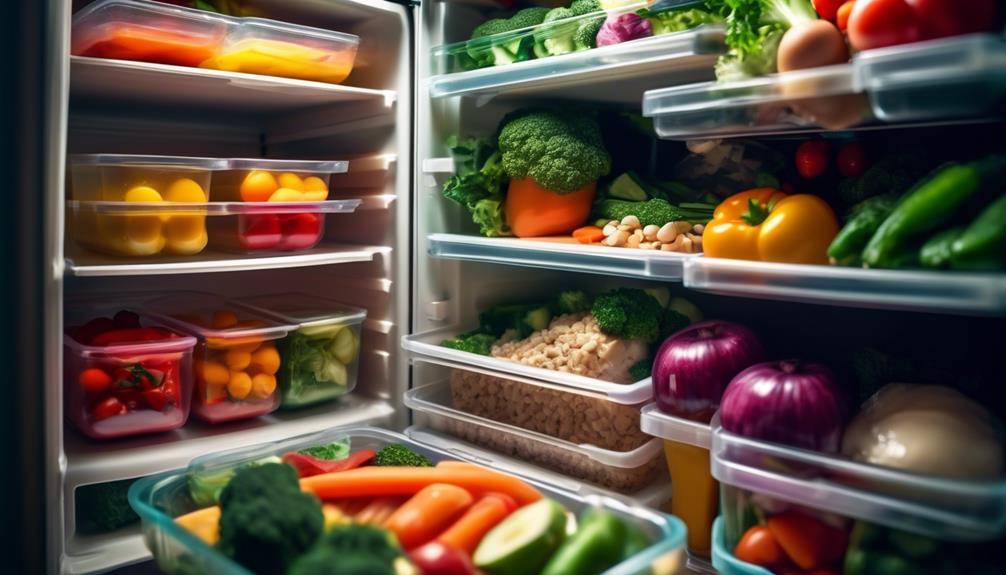
When it comes to meal prep organization, investing in a set of meal prep containers is crucial. These containers come in various sizes and shapes, making it easy to portion out your meals and store them in the refrigerator or freezer. Look for containers that are microwave-safe, dishwasher-safe, and leak-proof to ensure convenience and prevent any messes.
Another tool that can greatly aid in meal prep organization is a good set of food storage bags. These bags are perfect for storing pre-cut vegetables, marinated meats, or portioned snacks. Opt for resealable bags that are durable and freezer-safe to maintain the freshness of your ingredients.
To further enhance your meal prep efficiency, consider purchasing a quality set of kitchen knives. Having sharp, reliable knives will make chopping, dicing, and slicing ingredients a breeze, saving you time and effort in the kitchen.
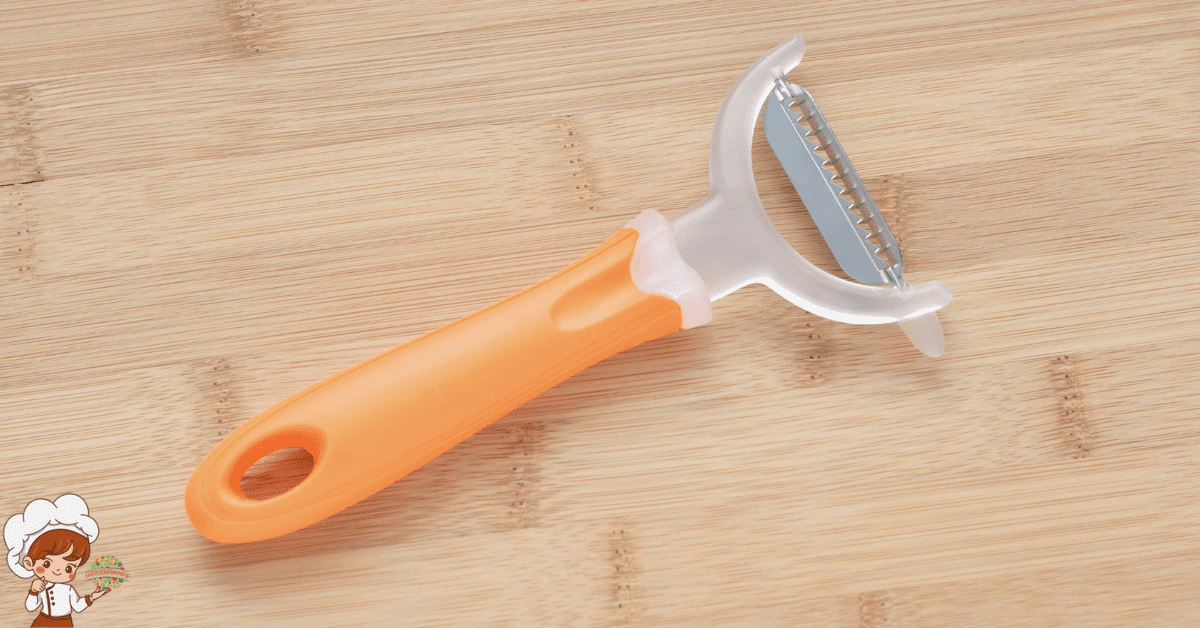
Additionally, having a selection of kitchen gadgets such as a food processor, blender, and vegetable spiralizer can add versatility to your meal prep routine. These tools make it easier to prepare ingredients in bulk, allowing you to create a variety of healthy meals and snacks.
Planning Your Weekly Meal Prep Schedule
When it comes to planning your weekly meal prep schedule, two key points to consider are time-saving meal prep and variety in meal choices. By dedicating a specific time each week to prepare your meals in advance, you can save time and avoid making unhealthy food choices when you’re busy or tired. Additionally, incorporating a variety of nutritious and delicious meals into your meal prep can help you stay motivated and prevent boredom with your diet.
Time-Saving Meal Prep
For a time-saving approach to meal prep, create a weekly schedule that outlines your meals and cooking tasks. By planning ahead, you can save time and ensure that you have healthy meals ready to go throughout the week. Here are some time-saving tips and meal prep hacks to help you streamline the process:
- Choose recipes that can be prepared in advance and easily reheated.
- Opt for ingredients that can be prepped in bulk, such as chopping vegetables or marinating proteins.
- Use kitchen tools like a slow cooker or instant pot to cook meals while you focus on other tasks.
- Invest in quality storage containers to keep your prepped meals fresh and organized.
- Set aside dedicated time each week for meal prep, such as on Sundays, to establish a routine.
Variety in Meal Choices
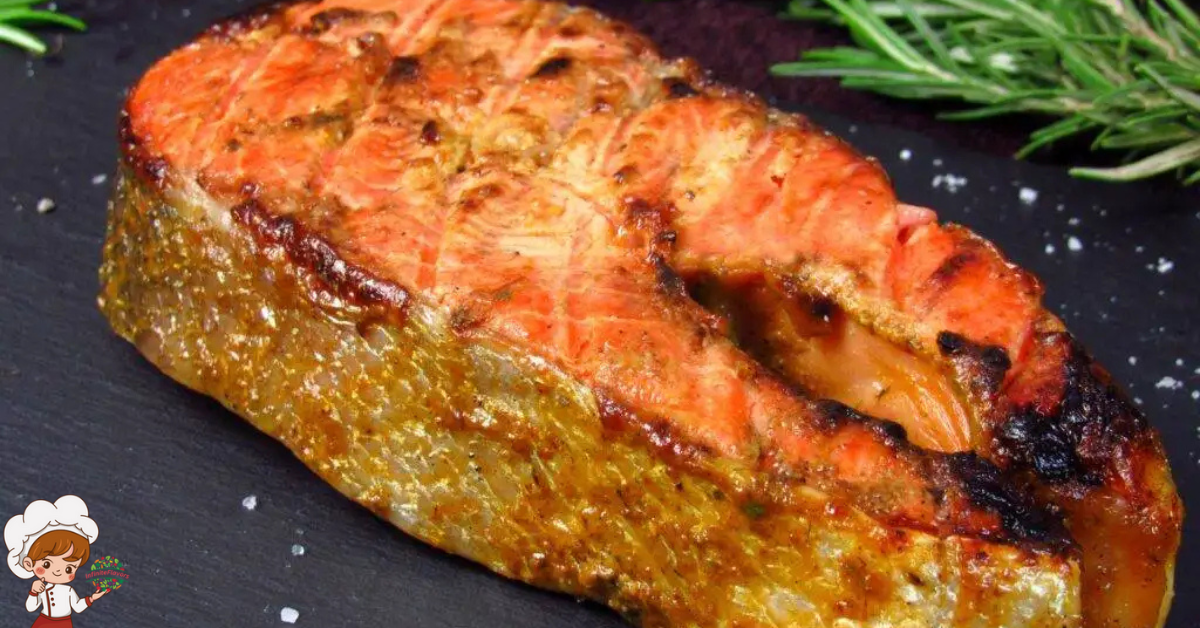
To ensure a varied and satisfying meal prep experience, it is important to plan your weekly schedule with a diverse range of meal choices. Having a variety of meal options not only keeps your taste buds excited but also provides a balanced intake of nutrients for optimal weight loss. When planning your meals, consider incorporating different protein sources like chicken, fish, tofu, or beans. Experiment with various vegetables, such as leafy greens, cruciferous veggies, and colorful peppers, to add flavor and texture.
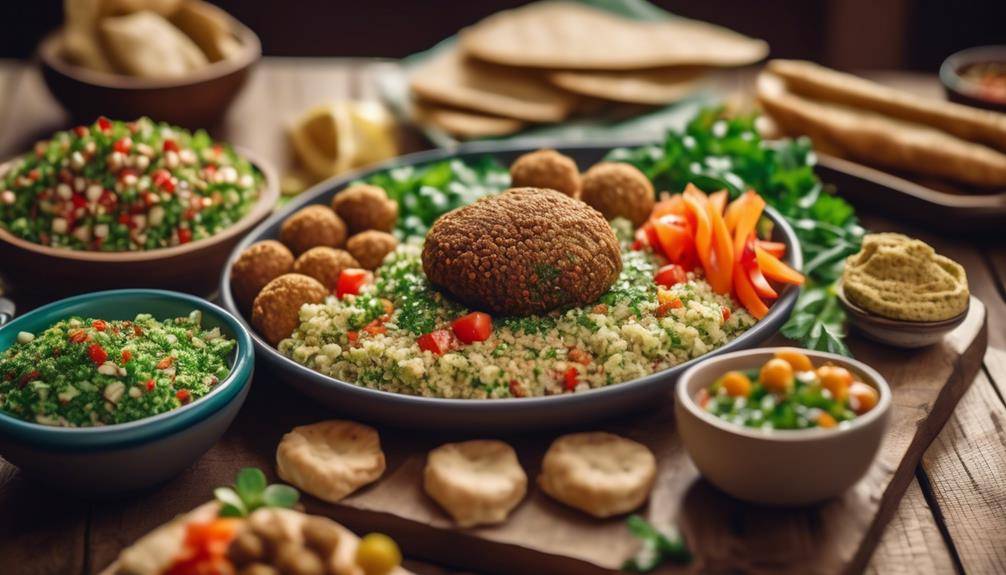
Don’t forget to include whole grains like quinoa, brown rice, or whole wheat pasta for added fiber and energy. To make meal prep easier, you can try batch cooking different recipes and portioning them out for the week. By following these meal prep tips and ideas, you can enjoy a diverse and delicious menu while achieving your weight loss goals.
Preparing Nutrient-Dense Meals for Weight Loss
To achieve weight loss through meal prep, it is crucial to focus on nutrient-dense meals. These meals should include essential nutrients like protein, fiber, healthy fats, and carbohydrates. By combining these nutrients in balanced proportions, you can create meals that keep you satisfied and support your weight loss goals. Additionally, practicing portion control techniques will help ensure that you are consuming the right amount of calories for weight loss.
Essential Nutrients for Weight Loss
Including nutrient-dense meals in your weight loss meal prep is crucial for achieving your goals. These meals provide essential nutrients that support your body’s functions and help you maintain a healthy weight. Here are five key nutrients to focus on:
- Protein: Helps build and repair tissues, supports muscle growth, and keeps you feeling full longer.
- Fiber: Aids in digestion, promotes satiety, and helps regulate blood sugar levels.
- Healthy fats: Provide energy, support brain health, and help absorb fat-soluble vitamins.
- Vitamins and minerals: Essential for overall health, metabolism, and immune function.
- Hydration: Staying hydrated is important for weight loss as it helps control hunger and supports proper digestion.
Balanced Meal Combinations
When planning your weight loss meal prep, it’s important to focus on creating balanced meal combinations that are nutrient-dense and support your goals. To achieve this, consider incorporating a variety of food groups in each meal. Start by including a lean source of protein, such as chicken breast, tofu, or beans. Pair it with a serving of whole grains like quinoa or brown rice for sustained energy. Add plenty of vegetables, like leafy greens, broccoli, or bell peppers, to provide essential vitamins and minerals.
Lastly, don’t forget to include a healthy fat source, such as avocado or olive oil, to promote satiety and support nutrient absorption. By following these balanced meal ideas and meal prep tips, you can ensure that your meals are well-rounded and support your weight loss efforts.
Portion Control Techniques
One effective strategy for preparing nutrient-dense meals for weight loss is utilizing portion control techniques. By practicing healthy portion sizes and mindful eating techniques, you can better manage your calorie intake and promote weight loss. Here are five techniques to help you control your portions and make healthier choices:
- Use smaller plates and bowls to trick your mind into thinking you have a full plate.
- Measure and weigh your food to ensure accurate portion sizes.
- Fill half your plate with non-starchy vegetables to increase volume and fiber content.
- Slow down and savor each bite, paying attention to your body’s hunger and fullness cues.
- Keep unhealthy snacks out of sight and have pre-portioned healthy snacks readily available.
Smart Strategies for Portion Control in Meal Prep
To ensure effective portion control in your meal prep, focus on using smaller plates and bowls. This simple strategy can help you reduce portion sizes without feeling deprived. Research has shown that people tend to eat more when they are presented with larger portions, regardless of hunger levels. By using smaller plates and bowls, you can visually trick your brain into thinking you are eating more, leading to greater satisfaction with smaller amounts of food.
Another smart strategy for portion control in meal prep is to practice mindful eating. This involves paying attention to your body’s hunger and fullness cues and eating slowly. Take the time to savor each bite and listen to your body’s signals of satisfaction. By eating mindfully, you can better gauge when you are truly full and avoid overeating.
In addition to using smaller plates and practicing mindful eating, it is also important to follow portion size guidelines. A general rule of thumb is to fill half of your plate with non-starchy vegetables, one-quarter with lean protein, and one-quarter with whole grains or starchy vegetables. This balanced approach ensures you are getting a variety of nutrients while keeping portions in check.
Lastly, consider pre-portioning your meals and snacks in advance. This can help prevent mindless eating and make it easier to stick to appropriate portion sizes. Invest in a set of reusable containers or use a kitchen scale to weigh out your servings. By taking the time to portion out your meals ahead of time, you can avoid the temptation to overeat and make healthier choices throughout the day.
Storing and Reheating Meals for Longevity and Convenience
For optimal longevity and convenience, it is important to properly store and reheat your prepped meals. By following these guidelines, you can ensure that your meals stay fresh and delicious, even when stored for an extended period of time.
Here are five key tips for storing and reheating your meal prep:
- Invest in high-quality, airtight containers: Using durable containers that seal tightly will help prevent air and moisture from entering, which can lead to spoilage. Look for containers that are microwave-safe and freezer-friendly for added convenience.
- Freeze individual portions: If you have a busy schedule and don’t have time to cook every day, consider freezing individual portions of your prepped meals. This way, you can simply thaw and reheat one portion at a time, eliminating the need to cook a whole meal from scratch.
- Label and date your meals: When storing your prepped meals, be sure to label them with the contents and the date they were prepared. This will help you keep track of how long each meal has been stored and ensure that you consume them before they expire.
- Choose long-term storage options: For even longer storage, consider vacuum-sealing your prepped meals. This method removes excess air, helping to prevent freezer burn and maintain the quality of your meals for an extended period.
- Follow proper reheating guidelines: When reheating your prepped meals, make sure to follow the recommended guidelines for each type of food. This will ensure that your meals are heated evenly and thoroughly, reducing the risk of foodborne illnesses.
Frequently Asked Questions: Dietician Recommended Meal Prep for Weight Loss
Can Meal Prepping Help With Weight Loss Even if I Have a Busy Schedule?
Yes, meal prepping can definitely help with weight loss, even if you have a busy schedule. It allows you to plan and prepare healthy meals in advance, saving time and reducing the temptation to make unhealthy food choices. Here are some tips for quick meal prepping.
How Can I Ensure That My Meal Prepped Meals Stay Fresh Throughout the Week?
To ensure your meal prepped meals stay fresh throughout the week, follow these tips: store them in airtight containers, refrigerate promptly, and consider freezing some portions. These practices will help preserve freshness and extend their shelf life.
Is It Possible to Meal Prep for Weight Loss Without Compromising on Taste?
Yes, you can meal prep for weight loss without compromising on taste. Incorporate these meal prep tips and choose healthy and flavorful recipes. It’s possible to enjoy delicious meals while achieving your weight loss goals.
Are There Any Specific Foods That I Should Avoid When Meal Prepping for Weight Loss?
When meal prepping for weight loss, it’s important to avoid foods high in added sugars, saturated fats, and refined grains. Instead, focus on incorporating lean proteins, whole grains, fruits, vegetables, and healthy fats. Follow these meal prep tips for success.
Can Meal Prepping Save Me Money on Groceries in the Long Run?
Meal prepping can save you money on groceries in the long run. By planning and preparing your meals in advance, you can avoid impulse purchases and waste. Additionally, it allows you to buy ingredients in bulk, which is often more cost-effective.

Conclusion
In conclusion, meal prep is a practical and evidence-based approach for weight loss. By understanding the basics of meal prep, using essential tools, and planning a weekly schedule, you can easily prepare nutrient-dense meals that support your weight loss goals. Additionally, smart strategies for portion control and proper storage and reheating techniques ensure the longevity and convenience of your meals. Incorporating meal prep into your routine can help you stay on track with your weight loss journey.