Exactly How To Simmer Food Properly
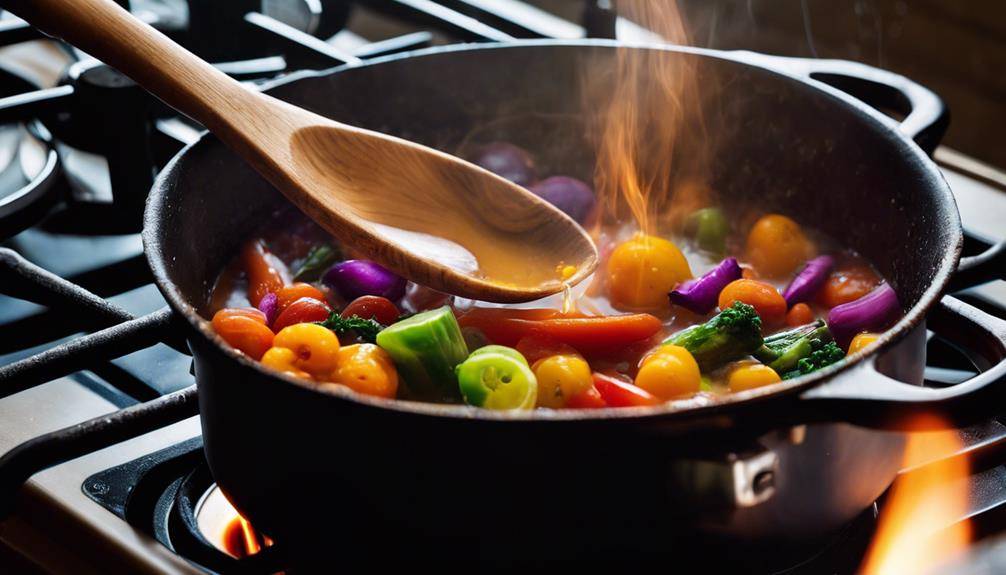
Exactly How To Simmer Food Properly; To simmer food properly, start with a heavy-bottomed pot and add your ingredients along with liquid. Gradually heat it until small bubbles gently rise to the surface, ideally between 180°F to 205°F. Keep the lid slightly ajar to maintain moisture while allowing steam to escape. Avoid high heat since it can lead to boiling, which alters texture and flavor. Stir occasionally and monitor the temperature to guarantee a consistent simmer. This gentle cooking method develops rich flavors and tenderizes ingredients. If you’re curious about tips for enhancing flavor and avoiding common mistakes, there’s more to explore!
What Is Simmering?
Simmering is a cooking technique where you heat food gently in liquid, just below its boiling point. This method is perfect for developing flavors and tenderizing ingredients. When you simmer, you’re allowing the food to cook slowly, which helps retain nutrients and moisture. It’s essential to keep an eye on the temperature; too high, and you risk boiling, which can lead to overcooked or tough results.
You might come across various simmering techniques that can enhance your cooking. For instance, using a heavy-bottomed pot or pan distributes heat evenly, reducing the chances of hot spots that could cause food to stick or burn. Additionally, covering the pot can help maintain a consistent temperature and reduce evaporation.
There are several simmering myths that can mislead novice cooks. One common myth is that you must see bubbles to know you’re simmering. In reality, a gentle movement of the liquid’s surface is all you need. Another myth suggests that simmering takes considerably longer than boiling, but that’s not true; it’s often about the same cooking time, just with a different outcome.
The Difference Between Boiling and Simmering
Understanding the difference between boiling and simmering is essential for achieving the desired results in your cooking. Boiling involves cooking food in water or broth at a rolling boil, typically around 212°F (100°C). You’ll notice large bubbles rapidly breaking the surface, which can be great for certain dishes like pasta or blanching vegetables. However, using boiling techniques can sometimes lead to overcooked, mushy textures, especially for delicate ingredients.
On the other hand, simmering occurs at a lower temperature, usually between 180°F to 205°F (82°C to 96°C). In this state, you’ll see gentle bubbles forming and rising to the surface without the vigorous action of boiling. This method is ideal for soups, stews, and sauces, as it allows flavors to meld together without breaking down the food too much.
It’s important to dispel some simmering myths; for instance, many believe simmering takes too long or that it doesn’t cook food well. In reality, simmering is a slower cooking process that can enhance flavor while maintaining the integrity of your ingredients. It’s particularly useful when you want to achieve a tender texture without losing the essence of the dish. By understanding these differences, you can choose the right technique for your meals, ensuring they turn out just the way you want them. So next time you cook, consider whether boiling or simmering is the best fit for your recipe!
Equipment Needed for Simmering
To achieve perfectly simmered dishes, having the right equipment is essential. First and foremost, a sturdy pot or saucepan is important. Opt for one with thick walls that distributes heat evenly. This guarantees your food simmers gently rather than boiling rapidly, which can ruin delicate flavors and textures. A lid is also important; it helps maintain moisture and temperature during the simmering process.
Next, consider a heat source that allows for precise temperature control. Whether you’re using a gas stove, electric burner, or induction cooker, you’ll want to adjust the heat easily to maintain that ideal simmer. Investing in a burner with low settings can greatly enhance your simmering techniques.
Don’t forget about utensils! A long-handled spoon is handy for stirring, while a ladle can help you serve your dish without splashing. Silicone or wooden utensils are ideal, as they won’t scratch your pots and are easy to clean.
Lastly, equipment maintenance plays a key role in your cooking success. Regularly check for any wear and tear on your pots, and clean them properly to prevent food buildup. A well-maintained pot can make a considerable difference in simmering performance and longevity.
With the right equipment and proper maintenance, you’ll be well on your way to mastering the art of simmering and creating delicious, tender dishes that bring out the best in your ingredients.
Choosing the Right Pot
Selecting the right pot is essential for achieving a perfect simmer. The pot’s material and size greatly influence how evenly your food cooks, so you’ll want to choose wisely. Stainless steel, cast iron, and enameled cast iron are excellent options for simmering. Stainless steel is durable and conducts heat well, while cast iron retains heat, providing consistent cooking. Enameled cast iron combines the benefits of both, allowing for beautiful presentation and easy cleaning.
When it comes to pot size, consider the quantity of food you’re simmering. A pot that’s too small can lead to overflow, while one that’s excessively large may not maintain the heat efficiently. Ideally, your pot should have enough space to accommodate the ingredients comfortably, allowing for even heat distribution. If you’re simmering a stew or soup, a larger pot—like a Dutch oven—works well, as it can hold more liquid and ingredients without crowding. For smaller tasks, like simmering sauce or grains, a medium-sized pot should suffice.
Also, think about the pot’s shape. A wider base offers more surface area for evaporation, which can be beneficial when thickening sauces. In contrast, a tall pot may trap steam and moisture, making it ideal for dishes that require a longer simmering time without too much reduction. Ultimately, choosing the right pot material and size will set you up for simmering success, ensuring your dishes come out beautifully cooked every time.
Ideal Temperature for Simmering
Once you’ve chosen the right pot, knowing the ideal temperature for simmering is essential to achieving perfect results. Simmering is all about finding that sweet spot between boiling and just below boiling, typically between 180°F to 205°F (82°C to 96°C). At this range, you’ll see small bubbles gently rising to the surface, creating a calm and steady movement in your pot.
Temperature control is vital when you’re implementing simmering techniques. If your temperature is too low, your food might not cook evenly or thoroughly. Conversely, if it’s too high, you risk boiling, which can lead to overcooking or breaking apart delicate ingredients. To maintain that ideal simmer, you’ll often need to adjust your heat source. Start with a higher heat to bring your pot up to temperature, then gradually lower it until you reach that gentle simmer.
Using a kitchen thermometer can help you monitor the temperature accurately. If you don’t have one, keep an eye on the bubbles. They should be small and consistent. If they start becoming vigorous, reduce the heat immediately. Mastering the ideal temperature for simmering not only enhances flavor but also improves texture. You’ll notice that meats become tender, and flavors meld beautifully when you simmer correctly. So, focus on that temperature range, and you’ll be well on your way to perfecting your simmering skills in no time!
How to Achieve a Simmer
Achieving a perfect simmer requires attention to detail and a bit of patience. First, start by selecting the right pot. A heavy-bottomed pot distributes heat evenly, preventing hot spots that can cause your food to stick or burn. Once you’ve chosen your pot, fill it with your ingredients and enough liquid to cover them, allowing for proper heat distribution.
Next, apply heat gradually. Turn your burner to medium or medium-low, depending on your stove’s settings. As the liquid heats, watch for small bubbles forming at the bottom of the pot. This is an early sign that you’re approaching a simmer.
Here’s an essential simmering tip: once you see those bubbles, lower the heat slightly to maintain a gentle bubbling. Avoid boiling, as this can break down delicate ingredients or change the texture of your dish. If you notice the bubbles becoming too vigorous, turn down the heat and give it a moment to settle.
Another helpful simmering technique is to use a lid. Covering your pot can help maintain heat and moisture, but be sure to leave it slightly ajar to allow steam to escape. This also helps control the simmering temperature.
Ingredients That Benefit From Simmering
When you simmer meats, you can unveil incredible tenderness that makes every bite enjoyable. Vegetables also shine when simmered, as the gentle heat helps release their natural flavors. Understanding which ingredients benefit from this technique can elevate your cooking.
Meats for Tenderness
Simmering is a game changer for tough cuts of meat, transforming them into tender, flavorful dishes. When you choose cuts like chuck roast, brisket, or pork shoulder, you’re setting the stage for delicious results. These meats typically have more connective tissue, which breaks down beautifully during the simmering process, making them melt-in-your-mouth tender.
To maximize tenderness, consider using marinating techniques before you start simmering. A good marinade not only adds flavor but also helps to tenderize the meat. Ingredients like vinegar, citrus, or yogurt can work wonders in breaking down tough fibers.
Once your meat has simmered to perfection, don’t skip the resting periods. Allowing it to rest after cooking lets the juices redistribute, resulting in a more succulent bite. A 15-30 minute resting period can make a significant difference in texture and flavor.
Vegetables for Flavor
While tender meats are a highlight of simmering, don’t overlook the incredible flavor enhancements that vegetables can bring to your dishes. Using effective simmering techniques, you can extract deep, rich flavors from various vegetable combinations, transforming your meals into culinary delights.
Start with aromatic vegetables like onions, garlic, and carrots. When you simmer them, they release their natural sugars, creating a sweet base for your dish. You can also experiment with other vegetables like celery, bell peppers, and leeks. Each adds its unique depth and dimension when simmered properly.
For a more complex flavor profile, consider adding herbs and spices like thyme, bay leaves, or black pepper. These elements not only complement the vegetables but also enhance the overall taste of your dish. Don’t forget to adjust your simmering time based on the vegetables you choose—harder varieties like potatoes take longer, while softer ones like zucchini cook quickly.
Common Mistakes to Avoid
Avoiding common mistakes is essential for mastering the art of simmering food. One of the biggest pitfalls is not paying attention to heat control. If your heat is too high, you risk boiling your ingredients instead of simmering them, which can lead to overcooking risks. This not only affects the texture of your food but can also diminish the flavors you’re trying to enhance.
Another common error is overcrowding the pot. When you add too many ingredients at once, it can lower the temperature drastically, preventing proper simmering. Instead, simmer smaller batches to maintain the right temperature and guarantee even cooking.
Don’t ignore the importance of timing, either. It’s easy to lose track and let your food simmer for too long. Overcooking not only alters the taste but can also affect the nutritional value of your ingredients. Set a timer and check your food periodically to avoid this common mistake.
Lastly, be cautious about adding cold ingredients to your simmering pot. Cold items can shock the temperature, disrupting your carefully controlled simmer. Instead, bring ingredients to room temperature beforehand or add them gradually to maintain a consistent simmer.
Flavor Enhancements While Simmering
When simmering, adding aromatic herbs and spices can elevate your dish’s flavor profile considerably. Don’t forget the impact of acidic ingredients, which can brighten and balance the overall taste. Let’s explore how these enhancements can transform your cooking experience.
Aromatic Herbs and Spices
To enhance the flavors of your simmering dishes, incorporating aromatic herbs and spices can make all the difference. These additions not only elevate the taste but also create a fragrant experience that draws everyone to your kitchen. Start by exploring various herb combinations, like thyme and rosemary for a rustic touch, or basil and oregano for a Mediterranean flair.
When simmering, consider the timing of your herb additions. Fresh herbs should be added towards the end of the cooking process to preserve their vibrant flavor, while dried herbs can be introduced earlier to allow their flavors to meld.
Spice infusions can also transform your dish into something extraordinary. A pinch of cumin or coriander can add warmth, while a dash of paprika or chili flakes may introduce heat. Don’t hesitate to experiment with different spice blends to find the perfect balance for your palate.
Acidic Ingredients Impact
Acidic ingredients play an essential role in enhancing the flavor profile of your simmering dishes. When you incorporate ingredients like tomatoes, vinegar, or citrus juice, you’re not just adding tang; you’re creating an acidic balance that brightens and elevates the overall taste. This balance is vital, especially in hearty dishes that might otherwise feel heavy or overwhelming.
When simmering, the acidic components help to tenderize proteins and break down tough fibers, resulting in a more palatable texture. As these ingredients simmer, they infuse your dish with complex flavor profiles, making every bite more enjoyable. For instance, a splash of red wine can deepen the flavor of a beef stew, while lemon juice can refresh a rich chicken soup.
To achieve the best results, add acidic ingredients toward the end of the cooking process. This way, you preserve their vibrant flavors and prevent them from becoming too muted. Experiment with different acidic ingredients to see how they transform your dishes. Ultimately, mastering the use of acidity will not only enhance your simmering skills but also make your meals more flavorful and exciting.
Recipes Perfect for Simmering
Simmering is a fantastic technique for developing rich flavors in a variety of dishes. If you’re looking to master some recipes perfect for simmering, you’re in luck. Let’s explore a few that will elevate your cooking game.
First up, you can’t go wrong with a classic beef stew. Combine tender chunks of beef, potatoes, carrots, and your favorite herbs in a pot, then cover with broth. Use simmering techniques to let the flavors meld together for a couple of hours, resulting in a hearty dish that warms the soul.
Another great option is a comforting chicken soup. Start by simmering chicken pieces in water with onions, garlic, and celery. This creates a flavorful base, and you can add variations like noodles or rice. The longer you let it simmer, the more intense the flavors become.
Don’t forget about chili! A simmering pot of beans, tomatoes, and spices can yield countless recipe variations. Just toss in some ground meat or veggies and let it bubble away for an hour or two.
Lastly, try a vegetable ratatouille, where you’ll simmer eggplant, zucchini, and bell peppers in olive oil and tomatoes. This dish showcases how simmering techniques can transform fresh ingredients into a delightful medley of flavors.
With these recipes, you’ll find that simmering not only enhances taste but also creates comforting meals that bring people together. Enjoy experimenting!
Health Benefits of Simmered Foods
Simmering your food not only enhances flavors but also helps retain essential nutrients that can be lost during other cooking methods. You’ll find that simmered dishes are easier on your digestive system, making it simpler for your body to absorb the goodness. By incorporating more simmered meals into your diet, you’re supporting both your health and your taste buds.
Nutrient Retention Advantages
When you simmer food, you often reveal a treasure trove of nutrients that might otherwise be lost through other cooking methods. This gentle cooking technique helps in nutrient preservation, allowing vitamins and minerals to remain intact. Unlike boiling or frying, which can strip away essential nutrients, simmering uses lower temperatures that protect delicate compounds.
By simmering, you create an environment where nutrients can infuse into the dish without being compromised. For example, vegetables simmered in broth not only retain their vitamins but also contribute their nutrients to the liquid, creating a nourishing meal. This method also enhances flavors, making your meals both healthier and more delicious.
Additionally, simmering can break down tough fibers in foods, making them easier to digest while keeping their nutritional benefits. It’s especially effective for legumes and grains, which release beneficial substances when cooked slowly.
Digestive Health Boost
Over time, incorporating simmered foods into your diet can greatly boost your digestive health. When you simmer foods, you’re often breaking down tough fibers and cell walls, making it easier for your body to digest and absorb nutrients. This process helps release digestive enzymes, which are vital for breaking down food efficiently.
Simmered foods often include a variety of vegetables, legumes, and grains, which can be rich in fiber. Fiber is essential for maintaining a healthy gut, as it promotes regular bowel movements and feeds beneficial gut bacteria. Plus, if you add probiotic foods like yogurt or fermented vegetables to your meals, you’ll enhance your gut flora even further.
The gentle cooking method of simmering not only preserves nutrients but also helps retain the natural flavors and textures of your ingredients. This means you’ll enjoy your meals more, which can lead to better digestion. So, if you want to support your digestive health, make simmered dishes a staple in your kitchen. You’ll notice the difference in how you feel and function, leading to a happier, healthier gut.
Frequently Asked Questions: Exactly How To Simmer Food Properly
Can I Simmer Food in a Slow Cooker?
Yes, you can simmer food in a slow cooker! It’s great for developing flavors. By using simmering techniques, you’ll enjoy the slow cooker benefits, like tender meats and rich, savory dishes cooked to perfection.
How Long Should I Simmer Different Types of Meat?
When simmering meat, it’s essential to take into account the type. For tender cuts, simmer 1-2 hours; tougher cuts may need 3-4 hours. Adjust your simmering techniques to achieve the desired meat textures for best flavor.
Does Simmering Reduce the Nutritional Value of Food?
Simmering can affect nutrient retention, but it often retains more nutrients than other cooking methods like boiling. By gently cooking your food, you preserve flavors and nutrients, ensuring a healthier meal overall.
Can I Cover the Pot While Simmering?
Yes, you can cover the pot while simmering. This technique helps retain moisture and heat. Just be mindful of the pot materials; some conduct heat better than others, affecting your simmering techniques.
Is It Safe to Leave Food Simmering Unattended?
Leaving food simmering unattended isn’t safe. While you might want to multitask, it’s best to monitor the pot. Mastering simmering techniques requires your attention to prevent burning or overflows, ensuring a delicious outcome.

Conclusion
Simmering is a simple yet effective way to elevate your cooking. By understanding the technique and avoiding common mistakes, you can enhance the flavors of your dishes while reaping health benefits. Remember to choose the right pot and maintain the ideal temperature for the best results. So, the next time you’re in the kitchen, don’t hesitate to try simmering your favorite recipes. You’ll enjoy the delicious outcomes and the satisfaction of mastering this essential cooking method!
If you enjoyed exploring this topic and want to dive even deeper, be sure to check out some of our other articles here on Infinite Flavors. From rich culinary histories to creative twists on classic recipes, there’s always something new to discover. Whether you’re curious about the origins of a dish, looking for fresh inspiration in the kitchen, or simply love learning about food culture, our collection of posts is the perfect next step on your flavor journey.
The Great Difference Between Simmering Vs Boiling In Cooking
Great Cooking Techniques Understanding Simmering
The Best Practices For Simmering Food