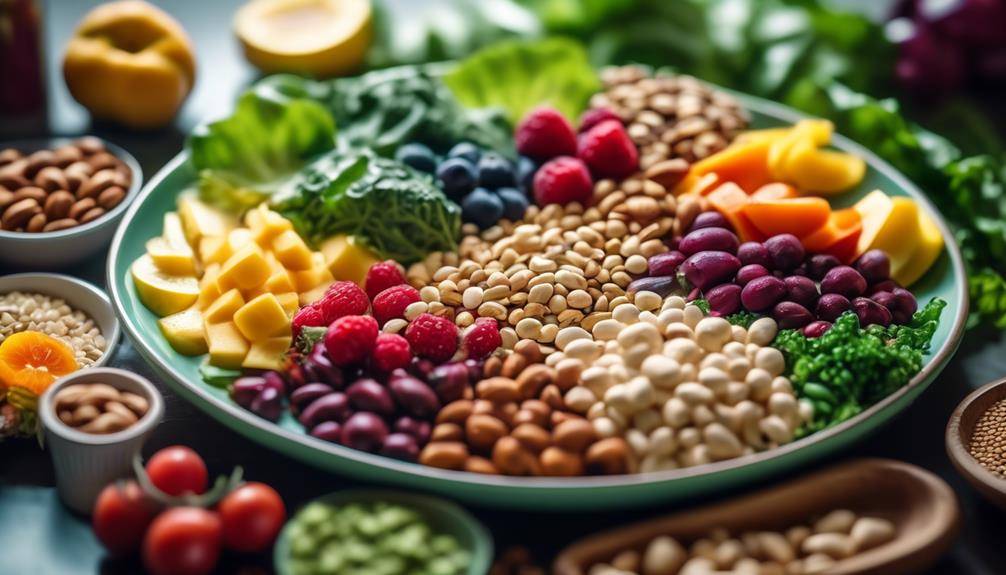
Exciting Plant Protein Trends in Health Food
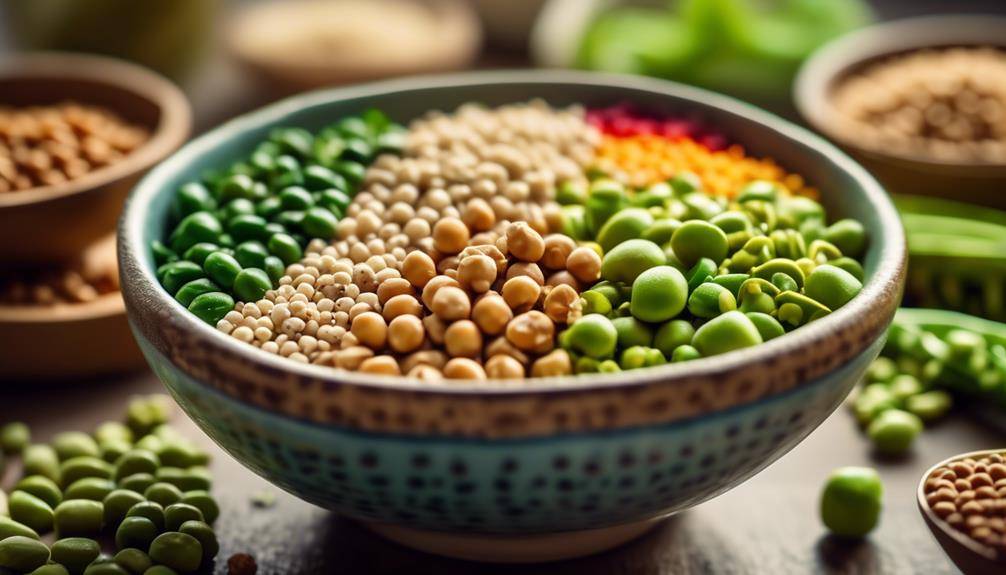
Exciting Plant Protein Trends in Health Food; Have you ever wondered why plant protein has gained so much popularity in the health food industry? With the rise of plant-based diets and the increasing awareness of the benefits of plant proteins, it’s no surprise that people are gravitating towards these nutritious alternatives. But what are the most popular plant protein sources and how do they compare to their animal counterparts? And what about plant protein supplements?
In this discussion, we will explore the current trends in plant protein, uncover delicious recipes and meal ideas, and even take a glimpse into the future of plant protein in health food. Get ready to discover the exciting world of plant protein and its impact on your well-being.
The Rise of Plant-Based Diets
Plant-based diets have been steadily gaining popularity in recent years as more people recognize the health and environmental benefits of consuming less animal products. The benefits of plant-based diets are vast and well-documented. Research shows that these diets are associated with lower risks of heart disease, high blood pressure, type 2 diabetes, and certain types of cancer. Plant-based diets are also rich in fiber, vitamins, and minerals, which can help improve digestion, boost the immune system, and promote overall well-being.
One of the primary benefits of plant-based diets is their positive impact on the environment. Animal agriculture is a significant contributor to greenhouse gas emissions, deforestation, and water pollution. By reducing the consumption of animal products, individuals can help mitigate these environmental issues. Additionally, plant-based diets require less land, water, and resources compared to traditional animal-based diets, making them more sustainable in the long run.
While plant-based diets have numerous benefits, they also come with certain challenges. One common concern is meeting the nutrient needs of the body, particularly for essential nutrients like vitamin B12, iron, and omega-3 fatty acids. However, with proper planning and a varied diet, it is entirely possible to obtain these nutrients from plant sources. Another challenge is the social aspect of following a plant-based diet, especially in social gatherings or when dining out. However, with the increasing popularity of plant-based diets, more restaurants and food options are becoming available to accommodate those following this lifestyle.
Benefits of Plant Proteins
Plant proteins offer numerous nutritional advantages that make them a valuable addition to any diet. They are often rich in fiber, vitamins, and minerals, while also being low in saturated fat and cholesterol. Additionally, choosing plant proteins over animal proteins can have a positive impact on the environment, as plant-based diets require less land, water, and resources to produce.
Nutritional Advantages
With their diverse range of essential nutrients, plant proteins offer numerous nutritional advantages that can support a healthy and balanced diet. Here are four key benefits of incorporating plant proteins into your diet:
- High in Fiber: Plant-based protein sources, such as legumes, nuts, and whole grains, are rich in dietary fiber. Fiber helps regulate digestion, promotes satiety, and supports a healthy gut microbiome.
- Antioxidant-Rich: Many plant proteins, like soybeans and quinoa, contain antioxidants, which help protect cells from damage caused by free radicals. Antioxidants have been linked to a reduced risk of chronic diseases, including heart disease and certain cancers.
- Heart-Healthy: Plant proteins are often low in saturated fat and cholesterol, making them a heart-healthy alternative to animal proteins. Consuming plant proteins has been associated with lower blood pressure and reduced risk of cardiovascular diseases.
- Nutrient-Dense: Plant proteins are packed with essential vitamins and minerals, such as iron, magnesium, and vitamin C. These nutrients are important for overall health and play a role in energy production, immune function, and bone health.
Environmental Sustainability
Incorporating plant proteins into your diet not only offers numerous nutritional benefits but also contributes to environmental sustainability. Livestock farming has a significant environmental impact, with the production of meat and dairy contributing to greenhouse gas emissions, deforestation, water pollution, and habitat destruction. By choosing plant-based proteins, you can help reduce these negative effects on the environment.
Plant proteins require fewer resources, such as land, water, and feed, compared to animal proteins. They also have a lower carbon footprint, as plants produce fewer greenhouse gases during cultivation and processing. Additionally, opting for plant proteins can align with ethical considerations in food choices. By reducing our dependence on animal agriculture, we can promote animal welfare and work towards a more sustainable and compassionate food system.
Popular Plant Protein Sources
When it comes to popular plant protein sources, you’ll find a wide range of nutrient-rich options to choose from. These plant-based proteins offer a variety of essential vitamins, minerals, and antioxidants that can support your overall health. Additionally, opting for plant proteins is a sustainable choice, as they have a lower environmental impact compared to animal-based proteins. Plus, the versatility of plant proteins allows you to incorporate them into a variety of dishes, making it easier to meet your protein needs.
Nutrient-Rich Plant Proteins
To incorporate nutrient-rich plant proteins into your diet, consider adding popular plant protein sources such as legumes, tofu, and quinoa. These options provide a wide range of essential nutrients and are suitable for vegans and vegetarians. Here are four plant protein sources that are not only delicious but also packed with nutrients:
- Lentils: These legumes are a great source of protein, fiber, and iron. They can be used in soups, salads, and stews.
- Chickpeas: This versatile legume is high in protein, fiber, and folate. You can enjoy them in hummus, curries, or roasted as a crunchy snack.
- Tempeh: Made from fermented soybeans, tempeh is a complete protein that is also rich in probiotics. It can be used as a meat substitute in stir-fries, sandwiches, or salads.
- Chia seeds: These tiny seeds are an excellent source of protein, omega-3 fatty acids, and antioxidants. They can be added to smoothies, oatmeal, or baked goods.
Sustainable Protein Options
Now let’s explore sustainable protein options by focusing on popular plant protein sources. In today’s health-conscious society, sustainable farming and ethical consumption have become important considerations for many individuals. When it comes to plant-based protein, there are several options that align with these values. One popular choice is lentils, which are not only packed with protein but also require significantly less water and produce fewer greenhouse gas emissions compared to animal-based protein sources.
Another sustainable option is quinoa, a complete protein that is highly nutritious and can be grown in diverse climates, reducing the need for transportation and minimizing its carbon footprint. Additionally, chickpeas are a versatile protein source that can be used in various dishes and are known for their low environmental impact. Choosing these plant-based proteins can support sustainable farming practices and promote ethical consumption.
Versatility of Plant Proteins
One of the key reasons why plant proteins have gained popularity is their versatility as popular protein sources. When it comes to cooking methods, plant protein alternatives offer a wide range of possibilities. Here are four ways you can incorporate plant proteins into your meals:
- Blend into smoothies: Add a scoop of plant-based protein powder to your favorite fruit and vegetable smoothies for a nutrient-packed boost.
- Use as a meat substitute: Plant proteins like tofu, tempeh, and seitan can be cooked and seasoned to mimic the texture and taste of meat, making them great alternatives for burgers, stir-fries, and tacos.
- Sprinkle on salads: Top your salads with roasted chickpeas, hemp seeds, or quinoa for an extra dose of protein and a satisfying crunch.
- Bake into treats: Substitute traditional flour with protein-rich alternatives like almond flour or chickpea flour when baking cookies, muffins, or breads.
With these cooking methods and plant protein alternatives, you can easily incorporate more plant-based proteins into your diet while enjoying a variety of delicious and nutritious meals.
Plant Protein Supplements on the Market
Plant protein supplements have seen a significant rise in popularity and availability in recent years. According to market analysis, the demand for plant protein supplements has been driven by the growing consumer interest in plant-based diets and the desire for alternative protein sources. With the increasing number of people embracing vegetarian and vegan lifestyles, plant protein supplements have become a convenient and effective way to meet their dietary needs.
The market for plant protein supplements is diverse, offering a wide range of options to cater to different preferences and requirements. There are numerous brands and formulations available, offering protein powders, bars, and ready-to-drink shakes. These supplements are typically made from a variety of plant sources, including soy, peas, rice, hemp, and chia seeds, among others. Such diversity allows consumers to choose products based on their taste preferences, nutritional requirements, and dietary restrictions.
Plant protein supplements have gained popularity not only among vegans and vegetarians but also among individuals looking to reduce their meat consumption or incorporate more plant-based protein into their diets. These supplements offer a convenient way to supplement protein intake, especially for those with busy lifestyles or limited access to plant-based protein sources.
It is important to note that while plant protein supplements can be a valuable addition to a balanced diet, they should not be relied upon as the sole source of protein. Whole foods should always be prioritized, as they provide a broader range of nutrients and fiber. Additionally, individuals with specific dietary needs or medical conditions should consult with a healthcare professional before incorporating plant protein supplements into their diet.
Plant Protein Recipes and Meal Ideas
Looking to incorporate more plant-based protein into your meals? Here are some delicious and nutritious plant protein recipes and meal ideas to try:
- Plant Protein Smoothies: Start your day off right with a plant protein-packed smoothie. Blend together a combination of fruits like berries, bananas, and kiwi with a plant-based protein powder made from sources like peas, hemp, or brown rice. Add almond milk or coconut water for a refreshing and protein-rich beverage.
- Plant Protein Snacks: When you need a quick and satisfying snack, opt for plant protein snacks. Roasted chickpeas, edamame, or mixed nuts and seeds are excellent sources of plant-based protein. You can also make your own protein bars using ingredients like oats, nut butter, and protein powder.
- Buddha Bowls: Create a balanced meal by assembling a Buddha bowl. Start with a base of leafy greens or whole grains like quinoa or brown rice. Add roasted vegetables, such as sweet potatoes, broccoli, and bell peppers. Top it off with plant protein sources like tofu, tempeh, or legumes. Drizzle with a homemade dressing made from tahini or avocado for added flavor.
- Plant Protein Stir-fry: Stir-fries are a quick and easy way to incorporate plant protein into your meals. Use tofu, tempeh, or seitan as your protein source and stir-fry it with a variety of colorful vegetables like bell peppers, carrots, and snap peas. Season with soy sauce, ginger, and garlic for a delicious and protein-packed meal.
Incorporating plant protein into your meals doesn’t have to be boring or complicated. With these recipes and ideas, you can enjoy a variety of tasty and nutritious plant protein-rich dishes.
The Future of Plant Protein in Health Food
The future of incorporating plant protein into health food is an exciting and promising prospect, with numerous innovations and advancements on the horizon. Technology plays a crucial role in plant protein production, offering solutions to some of the challenges in incorporating plant proteins into processed foods.
One of the main challenges in incorporating plant proteins into processed foods is the taste and texture. However, with advancements in technology, researchers are developing new methods to improve the sensory attributes of plant-based proteins. For example, extrusion technology is being used to create plant-based meat alternatives that closely mimic the taste and texture of animal-based products. This technology allows for the creation of products that are not only delicious but also sustainable and healthy.
Another challenge is the limited availability of plant proteins. However, technology is playing a significant role in addressing this issue as well. Through the use of genetic engineering and biotechnology, scientists are working to increase the yield and quality of plant proteins. For instance, researchers are developing crops that are specifically engineered to produce higher levels of protein, thereby increasing the availability of plant-based protein sources.
Furthermore, technology is also being used to improve the processing and manufacturing of plant proteins. New techniques, such as microencapsulation and nanoemulsion, are being employed to enhance the stability and functionality of plant proteins in various food applications. These advancements help to overcome the challenges associated with incorporating plant proteins into processed foods, ensuring their successful integration into the health food industry.
Frequently Asked Questions: Exciting Plant Protein Trends in Health Food
Are Plant-Based Diets Suitable for All Individuals, Including Athletes and Those With High Protein Requirements?
Plant-based diets can be suitable for all individuals, including athletes and those with high protein requirements. Pregnant women can follow plant-based diets with proper nutrition, and plant protein supplements can benefit elderly individuals.
Are There Any Potential Drawbacks or Limitations to Consuming Plant Proteins Instead of Animal Proteins?
There are potential health risks and an environmental impact associated with consuming plant proteins instead of animal proteins. It’s important to consider these drawbacks and limitations when making dietary choices.
What Are Some Common Misconceptions or Myths Surrounding Plant Proteins and Their Health Benefits?
Common misconceptions about plant proteins include the belief that they are incomplete and inadequate sources of protein. However, plant proteins can provide all essential amino acids and offer various health benefits, such as reducing the risk of chronic diseases.
How Do Plant Protein Sources Compare in Terms of Their Amino Acid Profiles and Overall Nutritional Composition?
When it comes to comparing plant protein sources, understanding their amino acid profiles and overall nutritional composition is key. It’s important to consider factors like essential amino acids and the balance of nutrients they provide.
What Are Some Creative Ways to Incorporate Plant Proteins Into Everyday Meals and Snacks?
To incorporate plant proteins into your everyday meals and snacks, get creative with recipes. Try making plant protein snacks like roasted chickpeas or edamame hummus. These options are not only delicious but also provide the nutritional benefits of plant proteins.

Conclusion
In conclusion, plant-based diets and plant protein sources have seen a significant rise in popularity in the health food industry. With their numerous benefits and abundance of nutrients, plant proteins offer a viable alternative to animal-based proteins. From sources like legumes, nuts, and seeds to the wide variety of plant protein supplements available on the market, individuals have plenty of options to incorporate plant proteins into their diets. As the demand for plant-based products continues to grow, the future of plant protein in health food looks promising.
If you enjoyed exploring this topic and want to dive even deeper, be sure to check out some of our other articles here on Infinite Flavors. From rich culinary histories to creative twists on classic recipes, there’s always something new to discover. Whether you’re curious about the origins of a dish, looking for fresh inspiration in the kitchen, or simply love learning about food culture, our collection of posts is the perfect next step on your flavor journey.
Health Benefits Of Innovative Plant Proteins
The Exciting Plant Protein Food Trend Forecasts
New Developments In Plant-Based Protein