4 Best Techniques For Preparing And De-Shelling King Crabs
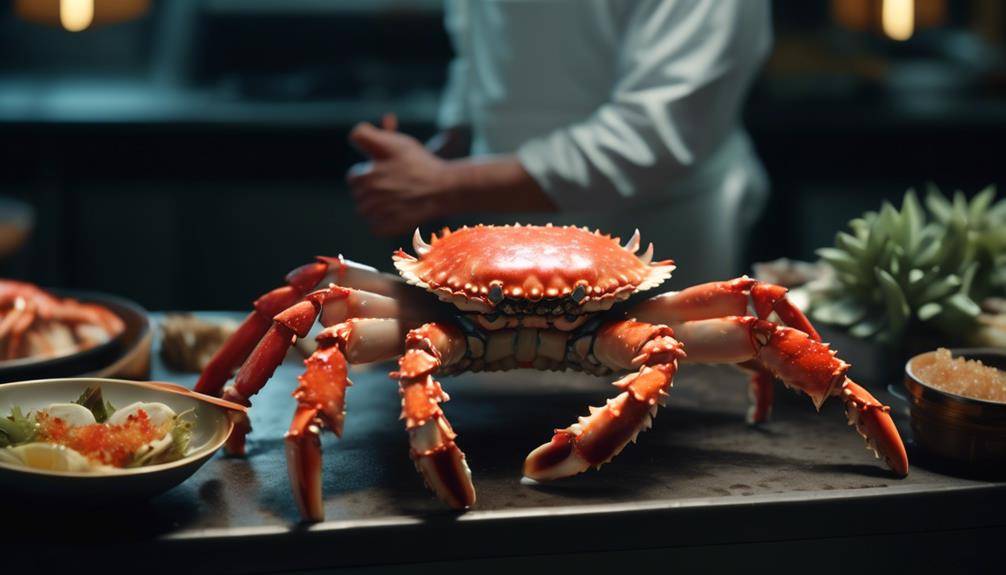
For Preparing And De-Shelling King Crabs; Have you ever found yourself struggling to prepare and de-shell king crabs? Whether you’re a seasoned chef or a cooking enthusiast, mastering the art of handling these majestic creatures can be quite a challenge. But fear not! In this discussion, we will explore the four best techniques for preparing and de-shelling king crabs. These techniques will not only help you conquer the task at hand but also elevate your culinary skills to a whole new level. So, get ready to discover the secrets behind boiling, steaming, grilling, and baking king crabs, as well as some expert tips and tricks along the way. Get ready to become a king crab connoisseur!
Boiling: The Traditional Method
To begin the process of boiling king crabs, you can choose to use a large pot filled with water and a variety of flavorful seasonings. Boiling is a traditional and popular method for cooking king crabs, as it helps to retain the natural flavors and textures of the meat. Not only is this method easy to execute, but it also offers several health benefits.
Boiling king crabs allows the meat to cook evenly and thoroughly, ensuring that it is safe to consume. The high heat of boiling kills any potential bacteria or parasites that may be present in the crab. Additionally, boiling preserves the nutritional value of the meat, making it a healthy choice for your meal.
When it comes to cooking time, it is important to consider the size of the king crabs. Generally, it is recommended to boil the crabs for about 8 to 10 minutes per pound. For example, if you have a 2-pound crab, you should boil it for approximately 16 to 20 minutes. This ensures that the meat is fully cooked and easily separates from the shell.
During the boiling process, you can enhance the flavor of the king crabs by adding various seasonings. Many people choose to include ingredients such as garlic, lemon wedges, bay leaves, and Old Bay seasoning. These flavorful additions infuse the meat with a delightful taste, making every bite a savory experience.
Steaming: A Healthier Alternative
If you’re looking for a healthier way to cook king crabs, steaming is the way to go. Steaming preserves more nutrients and natural flavors compared to boiling, which can leach out some of the crab’s goodness. In addition, steaming also helps to maintain the delicate texture of the crab meat, ensuring a succulent and tender dining experience.
Health Benefits of Steaming
Steaming king crabs offers an array of health benefits, making it a healthier alternative to other cooking methods. Here are some reasons why steaming is a great way to prepare and enjoy king crab:
- Retains Nutritional Value: Steaming helps preserve the delicate nutrients present in king crab meat. Unlike other cooking methods like boiling or frying, steaming allows the meat to retain its vitamins, minerals, and omega-3 fatty acids, which are essential for heart health and brain function.
- Low in Calories and Fat: Steaming is a low-fat cooking method that does not require adding any oil or butter. This means that steamed king crab is a healthier option for those watching their calorie or fat intake.
- Enhances Natural Flavor: Steaming allows the natural flavors of king crab meat to shine through. The gentle heat from steaming helps maintain the sweet and succulent taste of the crab without overpowering it with added flavors.
- Preserves Texture: Steaming helps maintain the tender and delicate texture of king crab meat. It prevents the meat from becoming tough or rubbery, ensuring a satisfying dining experience.
Steaming Vs Boiling
When comparing cooking methods for king crabs, steaming emerges as a healthier alternative to boiling. Steaming involves cooking the crabs using the natural moisture from the food itself, without adding any extra oil or fats. This method helps to preserve the natural flavors and textures of the crab, resulting in a succulent and tender meat.
Additionally, steaming retains more of the nutrients and vitamins compared to boiling, as the food is not immersed in water for an extended period of time. On the other hand, boiling can cause the crab meat to become waterlogged and lose some of its original taste. So, if you’re looking for a healthier option that maintains the integrity of the crab, steaming is the way to go.
Tips for Perfect Steamed Crabs
To achieve perfectly steamed crab claws, follow these expert tips that will enhance the flavors and textures while preserving the natural goodness of the succulent meat:
- Start with a flavorful steaming liquid: Add a mixture of water, beer, and your choice of aromatics such as bay leaves, garlic, and lemon slices to the pot. This will infuse the crabs with a delicious aroma as they steam.
- Use a steaming rack: Elevating the crabs above the liquid allows for even cooking and prevents them from becoming waterlogged.
- Steam for the right amount of time: Depending on the size of the crabs, steam them for about 8-10 minutes per pound. This ensures that the meat is perfectly cooked, tender, and juicy.
- Allow for proper resting time: After steaming, let the crabs rest for a few minutes to allow the meat to relax and absorb any remaining flavors from the steaming liquid.
Grilling: Adding a Smoky Flair
For a smoky and flavorful twist, consider grilling your king crabs to perfection. Grilling is a fantastic cooking method that adds a unique and delicious smoky flavor to your crab meat. To achieve the best results, it’s important to use proper grilling techniques and smoking methods.
Firstly, you’ll need to prepare your grill. Start by preheating it to medium-high heat, around 400 to 450 degrees Fahrenheit. This high heat will help to sear the crab meat and lock in its natural juices. You can also add some wood chips or chunks to the grill to create a smoky flavor. Popular choices include hickory, mesquite, or applewood.
Next, it’s time to prepare the king crabs for grilling. Thaw them if they’re frozen, and then brush them with melted butter or olive oil to prevent sticking. You can also add some seasoning to enhance the flavor, such as garlic powder, paprika, or Old Bay seasoning. Be sure to coat the crabs evenly for a balanced taste.
Once the grill is hot and the crabs are seasoned, place them directly on the grill grates. Close the lid and let them cook for about 6 to 8 minutes per side. The exact cooking time will depend on the size of the crabs, so keep an eye on them to avoid overcooking. You’ll know they’re done when the meat is opaque and easily flakes off the shell.
Finally, once the king crabs are grilled to perfection, remove them from the heat and let them rest for a few minutes. This will allow the juices to redistribute and ensure a tender and juicy bite. Serve them with some melted butter or a squeeze of lemon for a delightful burst of flavor.
Grilling king crabs is a fantastic way to elevate their taste and add a smoky flair. By following these grilling techniques and smoking methods, you’re guaranteed to enjoy a mouthwatering feast that will impress your family and friends.
Baking: Retaining Maximum Flavor
To continue enhancing the flavor of your king crabs, let’s explore the art of baking and how it can help retain maximum flavor. Baking is a fantastic cooking method for king crabs, as it allows for gentle heat to penetrate the meat, resulting in a delectable and tender dish. Here are some tips to ensure the best flavor preservation and retaining tenderness when baking your king crabs:
- Preheat the oven: Before placing your king crabs in the oven, make sure to preheat it to the recommended temperature. This will ensure even cooking and help retain the natural flavors of the crab.
- Seasoning: Enhance the taste of your king crabs by marinating them in your favorite seasonings. Whether it’s a blend of herbs and spices or a simple mixture of butter and garlic, allow the flavors to infuse into the meat for a more delicious outcome.
- Wrap in foil: To lock in the moisture and retain tenderness, wrap the king crabs in aluminum foil. The foil creates a steamy environment, resulting in succulent and juicy meat.
- Cooking time: Be mindful of the cooking time to avoid overcooking the king crabs. They are delicate creatures, and baking them for too long can lead to a loss of tenderness and flavor. Follow the recommended cooking time guidelines to achieve the perfect texture.
Cutting: Simplifying the De-Shelling Process
Now it’s time to master the art of cutting when it comes to de-shelling king crabs. Using the right knife techniques is crucial to make the process easier and more efficient. By segmenting and separating the different parts of the crab, you’ll be able to remove those tough shells with precision and ease.
Knife Techniques
Using precise knife techniques can greatly simplify the de-shelling process of king crabs, ensuring an efficient and enjoyable culinary experience. Here are some cutting methods that will make your task easier:
- Starting with the legs: Begin by cutting through the joints where the legs meet the body. This will allow you to separate the legs from the main body easily.
- Cracking the shell: Use the back of your knife or a crab cracker to gently crack the shell along the leg joints. This will help you access the succulent meat inside.
- Removing the claws: Hold the claw firmly and use a sharp knife to carefully cut through the joint. This will allow you to separate the claw from the body without losing any meat.
- Extracting the meat: To extract the meat from the legs, use the tip of your knife to gently push the meat out from the shell. Be careful not to damage the meat while doing so.
With these knife techniques, you’ll be able to de-shell king crabs with ease, making your dining experience even more delightful.
Segmenting and Separating
Segmenting and separating the different parts of the king crab is a crucial step in simplifying the de-shelling process and ensuring that you can enjoy the succulent meat with ease. To begin, locate the joints where the legs meet the body. Using a sharp knife, carefully cut through these joints to separate the legs from the body.
Next, focus on the claws. Gently crack the claws using a crab cracker or the back of a heavy knife to expose the meat. Then, using a pair of kitchen shears, carefully cut along the edges of the shell to remove the meat in one piece. For the body, use a knife to cut open the top shell and remove the gills and internal organs. Finally, separate the body into sections by cutting through the joints with a knife. These segmenting techniques and separating methods will make the de-shelling process much simpler and more efficient.
Removing Tough Shells
To further simplify the de-shelling process and make it easier to remove the tough shells, it is important to employ cutting techniques that allow for a smoother and more efficient experience. Here are some cutting techniques and shell removal methods that you can use:
- Segmenting: Start by cutting the king crab into manageable sections. This will make it easier to remove the tough shells and access the succulent meat inside.
- Cracking: Use a crab cracker or a mallet to gently crack the tough shells. This will create small openings that will make it easier to peel off the shell.
- Scissors: Use a pair of kitchen scissors to cut through the tough shell, especially around the joints and legs. This will allow you to remove the meat without damaging it.
- Twisting: Twist the legs and claws to separate them from the body. This will loosen the shell and make it easier to remove.
Cracking: Breaking Open the Shells
With a firm grip and a strong downward motion, crack open the sturdy shell of the king crab to reveal its succulent, tender meat within. Cracking the shell of a king crab requires skill and precision to ensure you extract every last bit of delicious meat. Here are some cracking techniques and shell removal tips to help you navigate this culinary challenge.
To begin, place the king crab on a sturdy surface, such as a cutting board or a crab-cracking station, with the legs facing upwards. Take a crab cracker or a pair of kitchen shears and position them at the base of the leg joint. Apply steady pressure with your hand, gradually increasing the force until you feel the shell crack. Be careful not to exert too much force, as you don’t want to crush the meat inside.
Once you’ve cracked the shell, use your fingers to pry it open and reveal the succulent meat inside. Gently wiggle the leg to loosen the meat, then pull it out in one smooth motion. If you encounter any resistance, use a small fork or a seafood pick to help dislodge the meat from the shell. Repeat this process for each leg until you’ve extracted all the meat.
For the body of the king crab, use a crab cracker or a mallet to crack open the shell. Start at the widest part of the body and work your way towards the narrower end. Be sure to crack the shell in several places to make it easier to remove. Once cracked, carefully pull apart the shell to access the delectable meat inside.
Using Scissors: Precision and Control
Using scissors with precision and control is an alternative technique for de-shelling king crabs, allowing for a more precise and controlled approach to extracting the succulent meat within. When using scissors to de-shell king crabs, it is important to employ the right techniques and cutting tips to ensure a successful and enjoyable dining experience. Here are some key points to keep in mind:
- Choose the right scissors: Opt for sturdy kitchen scissors with sharp blades to efficiently cut through the tough shell of the king crab. Make sure they are comfortable to hold and have a good grip for better control.
- Locate the joints: Before starting, identify the joints where the crab’s legs meet the body. These joints are the easiest places to cut through the shell. Position the scissors at these points to make the process smoother.
- Cut with precision: Apply gentle pressure on the scissors and carefully cut through the shell along the joints. Take your time and maintain control over the scissors to avoid damaging the delicate meat inside.
- Use short, decisive cuts: Instead of attempting to cut through the entire shell in one go, use short, precise cuts to gradually open up the crab. This technique allows for better control and minimizes the risk of accidentally crushing the meat.
Peeling: Removing the Outer Shell
When peeling the outer shell of a king crab, you will discover a satisfying and rewarding process that builds upon the precision and control of using scissors. To successfully remove the outer shell, you will need to employ knife techniques that involve segmenting and separating the crab’s body.
Begin by flipping the crab onto its back, exposing its underbelly. With a sharp knife, make an incision along the center of the crab’s body, starting from the tail and working your way up to the head. Use a gentle sawing motion to ensure a clean cut. As you slice through the shell, be careful not to cut into the meat.
Next, use your hands to carefully separate the shell from the body. Start from the tail end and work towards the head, gently pulling the shell away as you go. Be cautious not to tear the delicate meat underneath. If any sections of the shell prove stubborn, use the tip of the knife to help loosen them.
Once the shell is removed, you will see the segmented structure of the crab’s body. Use your knife to separate the individual segments. Start by cutting through the joints, which are the softer parts between the segments. This will make it easier to detach each segment and expose the succulent meat within.
Remember to take your time and exercise patience as you navigate through this process. The reward of perfectly peeled and segmented king crab meat is well worth the effort. Enjoy the satisfaction of knowing that you have successfully mastered the art of peeling and uncovering the delicious treasure hidden within the outer shell.
Cleaning: Rinsing and Removing Impurities
To ensure the cleanliness and purity of the king crab meat, it is essential to thoroughly rinse and remove any impurities. Cleaning the crab properly will not only enhance the taste of the meat but also ensure its safety for consumption. Here are some effective rinsing techniques and cleaning methods to follow:
- Start by rinsing the king crab under cold running water. This will help remove any surface dirt or sand particles that may be clinging to the shell.
- Use a soft brush or sponge to gently scrub the crab’s shell. This will help remove any stubborn impurities that are stuck to the surface.
- Pay special attention to the joints and crevices of the crab’s legs. These areas tend to accumulate more dirt and impurities.
- For a more thorough cleaning, you can soak the crab in a mixture of cold water and vinegar. The acidic properties of the vinegar will help break down any remaining impurities and also reduce any fishy odor.
Seasoning: Enhancing the Natural Flavors
Enhance the natural flavors of your king crab by adding a carefully selected combination of seasonings. Seasoning techniques can truly elevate the taste of your crab, making it even more delicious and enjoyable. Whether you prefer a simple yet classic blend of salt and pepper or want to experiment with more complex flavors, there are countless options to choose from.
One popular seasoning technique for king crab is marinating. Marinating allows the flavors to penetrate the meat, resulting in a more flavorful and tender crab. You can create your own marinade using ingredients such as olive oil, lemon juice, garlic, and herbs like thyme or parsley. Let the crab marinate for at least 30 minutes before cooking to allow the flavors to fully develop.
Another option is to use a dry rub. A dry rub consists of a mixture of spices and herbs that are rubbed onto the crab before cooking. This method allows the flavors to infuse the meat without the need for marinating. Common ingredients for a dry rub include paprika, garlic powder, onion powder, cayenne pepper, and black pepper. Adjust the proportions according to your taste preferences and apply the rub evenly on the crab.
For those who enjoy a bit of heat, consider adding some spice to your crab. Cayenne pepper, chili powder, or even a dash of hot sauce can add a kick to your dish. Be mindful of the level of spiciness you desire and adjust accordingly.
Serving: Presenting the King Crab
To truly savor the flavors of your perfectly seasoned king crab, it’s important to understand the art of serving and presenting this majestic seafood delicacy. Here are some serving techniques and plating ideas to elevate your dining experience:
- Classic Plating: For a timeless approach, place the king crab legs on a large platter, arranging them in an elegant fan shape. Garnish the platter with lemon wedges and fresh herbs, such as parsley or dill, to add a touch of vibrancy.
- Individual Plating: To create a more personalized presentation, serve each guest with their own individual plate. Artfully arrange a few king crab legs on each plate, making sure to leave space for dipping sauces and accompaniments. This allows your guests to fully appreciate the beauty and flavor of the crab.
- Surf and Turf: For a luxurious twist, serve the king crab alongside a juicy steak or tenderloin. This surf-and-turf combination creates a delightful contrast of flavors and textures. Place the king crab legs on one side of the plate and the steak on the other, drizzling both with melted butter or a savory sauce of your choice.
- Creative Plating: Let your imagination run wild and experiment with unique plating ideas. For example, you could serve the king crab legs on a bed of creamy risotto or nestled atop a colorful salad. Play with different textures, colors, and presentations to create a visually stunning dish that will impress your guests.
Pairings: Delicious Accompaniments
Delight your taste buds with an array of delectable accompaniments that perfectly complement the rich and succulent flavors of king crab. When it comes to serving king crab, there are several delicious side dishes that can elevate your dining experience.
One classic pairing is melted butter. The smooth and creamy texture of melted butter adds a luxurious touch to the sweet and briny meat of the king crab. Simply dip the crab meat into the melted butter for a heavenly combination of flavors.
Another fantastic accompaniment is lemon wedges. The bright and tangy flavor of lemon cuts through the richness of the crab meat, enhancing its natural sweetness. Squeeze a lemon wedge over the crab meat or drizzle a little lemon juice on top for a burst of freshness.
For a heartier option, consider serving roasted potatoes alongside your king crab. The crispy exterior and fluffy interior of the potatoes provide a satisfying contrast to the tender crab meat. Season the potatoes with herbs and spices to add an extra layer of flavor.
When it comes to wine pairings, a crisp and refreshing white wine is an excellent choice. The acidity in the wine helps to balance the richness of the crab meat, while the fruity undertones complement its natural sweetness. Consider a Chardonnay or a Sauvignon Blanc for a perfect match.
Storage: Keeping Leftover Crab Fresh
To ensure that your leftover crab stays fresh and delicious, proper storage techniques are essential. Follow these tips to keep the freshness intact and enjoy your crab leftovers for another meal:
- Refrigerate promptly: After you’ve finished your meal, make sure to refrigerate any leftover crab as soon as possible. Leaving it out at room temperature for too long can lead to bacterial growth and spoilage.
- Use airtight containers: Transfer the crab meat to airtight containers or resealable plastic bags before storing them in the refrigerator. This will help prevent any odors from spreading and maintain the quality of the crab meat.
- Separate the shells: If you’ve stored the crab with the shells still intact, it’s important to remove them before refrigerating. The shells can release enzymes that can break down the crab meat and affect its taste and texture.
- Label and date: To keep track of how long the crab has been stored, label the containers or bags with the date of storage. This will help you ensure that you consume the leftovers within a safe timeframe.
Tips and Tricks: Expert Advice for Success
For optimal results when preparing and cooking king crabs, here are some expert tips and tricks to ensure your success. Whether you’re grilling or baking your king crab, these techniques will help you achieve a delicious and satisfying meal.
When grilling king crab, it’s important to preheat your grill to medium-high heat. This will ensure that the crab cooks evenly and retains its natural flavors. Brush the crab legs with melted butter or olive oil to prevent sticking and add a rich, buttery taste. Place the crab legs directly on the grill grates and cook for about 4-6 minutes per side. The crab is ready when the shells turn a vibrant red color and the meat is opaque and firm to the touch.
If you prefer to bake your king crab, preheat your oven to 375°F. Place the crab legs on a baking sheet lined with aluminum foil. Drizzle them with melted butter or your favorite seasoning for added flavor. Bake the crab legs for approximately 10-12 minutes, or until the shells turn a bright red color and the meat is heated through. You can also broil the crab legs for a few minutes at the end to give them a nice crispy texture.
Frequently Asked Questions: For Preparing And De-Shelling King Crabs
How Long Should I Boil King Crabs For?
You should boil king crabs for about 8-10 minutes per pound. However, there are alternative cooking methods like steaming or grilling that can also yield delicious results. Experiment with different techniques to find your favorite!
Can I Steam King Crabs Without a Steamer Basket?
Yes, you can steam king crabs without a steamer basket. One alternative is to use a large pot with a tight-fitting lid. Simply place a heat-proof plate or a rack at the bottom of the pot, add water, and steam the crabs until they are cooked to perfection.
Are There Any Specific Grilling Techniques for Cooking King Crabs?
To grill king crabs, start by preheating the grill to medium-high heat. Brush the crabs with melted butter, sprinkle with seasoning, and place them on the grill. Cook for about 5-7 minutes per side, until the shells turn bright red and the meat is heated through. Grilling is a delicious alternative cooking method for king crabs, giving them a smoky and charred flavor.
What Is the Best Way to Cut King Crabs for Easy De-Shelling?
To make de-shelling king crabs easier, start by using a sharp knife to cut along the length of the legs. Then, gently crack the shell with a mallet or the back of a knife. These cutting techniques, along with alternative methods, will ensure a smooth de-shelling process.
How Do I Clean King Crabs Before Cooking Them?
To clean king crabs before cooking, start by removing the gills. Gently pull them out and discard. Then, rinse the crabs under cold water to remove any dirt or debris. This will ensure they are ready for cooking.

Conclusion
In conclusion, the key to preparing and de-shelling king crabs lies in choosing the right technique that suits your taste and preferences. Whether you opt for the traditional boiling method, the healthier steaming option, the smoky flavor from grilling, or the maximum flavor retention with baking, there is a technique for everyone. Don’t forget to simplify the de-shelling process by cutting the crab and serve it with delicious accompaniments. With expert advice and tips, you’ll be able to enjoy a perfect king crab meal every time.
If you enjoyed exploring this topic and want to dive even deeper, be sure to check out some of our other articles here on Infinite Flavors. From rich culinary histories to creative twists on classic recipes, there’s always something new to discover. Whether you’re curious about the origins of a dish, looking for fresh inspiration in the kitchen, or simply love learning about food culture, our collection of posts is the perfect next step on your flavor journey.
4 Of The Best Methods For Creating Fresh Fish Ceviche
5 Of The Best Techniques For Preparing Seafood Paella
Unveiling The Amazing Art Of Whole Fish Baking