Mastering Gluten-Free Cake Recipes: Tips & Techniques
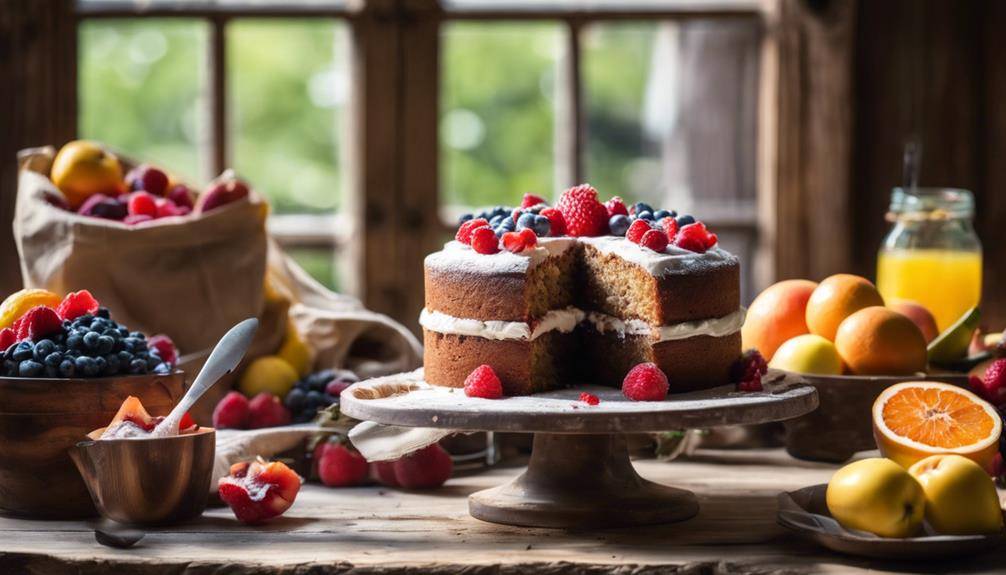
Mastering Gluten-Free Cake Recipes: Tips & Techniques: To master gluten-free cake recipes, start by choosing the right flour blends, such as almond for moisture and rice for lightness. Use binding agents like xanthan gum to mimic gluten's elasticity. Pay attention to your mixing techniques—whisk dry ingredients thoroughly and fold in delicate items gently to keep air in. Preheat your oven to 325°F – 350°F for even baking and check for doneness a bit earlier than traditional cakes. Finally, don't forget to experiment with decorating and storing your creations. There's plenty more to discover about achieving that perfect gluten-free cake texture and flavor.
Understanding Gluten-Free Flours
Click Here and Turn Every Masterpiece into a Showstopper!
When it comes to baking gluten-free cakes, understanding the various types of gluten-free flours is vital for achieving the right texture and flavor. Each flour has its unique characteristics that affect baking chemistry, so you'll want to explore different options. Common gluten-free flours include almond, coconut, rice, and oat, but don't overlook regional flours that can add distinct flavors and textures to your cakes.
Many bakers find success with flour blends, combining multiple flours to create the desired texture variations and flavor enhancement. For instance, a mix of almond flour for moisture retention and rice flour for lightness can yield a cake that's both tender and flavorful. When making ingredient substitutions, consider the nutritional profiles of the flours. Some may be higher in protein or fiber, impacting the overall healthiness of your cake.
Rising agents play a significant role as well, especially in gluten-free baking. You'll often need to use baking powder or baking soda in conjunction with the right flour blend to achieve the perfect rise. Different cake styles may require specific flours; for example, a rich chocolate cake might benefit from a denser flour like buckwheat, while a light vanilla cake may shine with a lighter blend.
Ultimately, experimenting with various flours and blends will help you discover what works best for your gluten-free cakes, allowing you to create delicious treats that everyone can enjoy.
Essential Baking Tools
To achieve the best results in gluten-free cake baking, having the right tools is fundamental. Start with baking scales and measuring cups to guarantee precise ingredient quantities. Gluten-free flours can vary in density, so accurate measurements can make all the difference in your cake's texture.
Next, invest in high-quality mixing bowls. A set of different sizes is useful for various tasks, from mixing batters to combining dry ingredients. When you're ready to fold in delicate ingredients, silicone spatulas are a must. They're flexible and won't scratch your bowls or pans, making them perfect for gentle mixing.
Choosing the right cake pans is essential. Opt for pans that are the right size for your recipes and have a non-stick coating. This will help your cakes release easily and maintain their shape. Don't forget about parchment paper; lining your pans with it can further prevent sticking and simplify cleanup.
An oven thermometer is another fundamental tool. Ovens can often be inaccurate, and maintaining the correct temperature is critical for gluten-free baking success. Finally, once your cakes are out of the oven, use cooling racks to allow for proper air circulation. This prevents sogginess and helps your cakes set evenly.
With these fundamental baking tools in your kitchen, you'll be well-equipped to create delicious gluten-free cakes that everyone will enjoy. Happy baking!
Key Ingredients to Consider
Understanding the key ingredients in gluten-free baking is essential for achieving the perfect cake texture and flavor. Start by exploring nut flours, such as almond or coconut flour, which provide a rich taste and moisture. They're great alternatives to traditional wheat flour. Don't forget about binding agents like xanthan gum; it helps mimic the elasticity gluten usually provides.
When it comes to sweetness, consider using alternative sweeteners like coconut sugar or maple syrup. These options not only sweeten your cake but can also add unique flavors. If you're avoiding dairy, look for dairy substitutes like almond milk or coconut yogurt, which can enhance the cake's moisture.
To keep your cake fluffy and tender, incorporate moisture retainers like applesauce or mashed bananas. These ingredients not only add moisture but also serve as excellent egg replacements, helping to bind your cake together. Flavor enhancers, such as vanilla extract or citrus zest, can take your cake to the next level, adding depth and character.
Don't overlook texture modifiers, which can help achieve that desirable crumb. A combination of nut flours and xanthan gum will give your cake the structure it needs. Finally, consider cake toppings; fresh fruits, gluten-free ganache, or whipped coconut cream can beautifully finish off your creation. With these key ingredients in mind, you'll be well-equipped to bake delicious gluten-free cakes that everyone will love.
Mixing Techniques for Success
Successful gluten-free cake baking relies heavily on the right mixing techniques. These methods can make or break your cake's texture and overall success. One of the most important techniques is whisking. When you use whisking methods, you're incorporating air into your batter, which helps create a light and fluffy cake. Make certain to whisk your dry ingredients thoroughly before adding them to the wet ingredients, as this will help avoid clumps and guarantee a smoother batter.
After combining your wet and dry ingredients, it's crucial to mix gently. This is where folding techniques come into play. Instead of stirring vigorously, use a spatula to lift the batter from the bottom of the bowl and fold it over the top. This technique preserves the air you've incorporated through whisking and prevents the cake from becoming dense. Be careful not to overmix; just fold until you see no dry flour.
If you're adding delicate ingredients like chocolate chips or fruit, fold them in at the very end. This way, you won't crush them, and they'll distribute evenly throughout the cake. Remember to always scrape down the sides of the bowl to guarantee everything's well combined.
Baking Time and Temperature
Baking gluten-free cakes requires precise attention to time and temperature to guarantee the best results. Unlike traditional cakes, gluten-free varieties can behave differently, so following specific baking times and making necessary temperature adjustments is essential. Start by preheating your oven to the correct temperature, usually between 325°F and 350°F. This guarantees that your cake bakes evenly from the start.
When it comes to baking times, gluten-free cakes often need a bit more time than their wheat-based counterparts. Keep an eye on your cake as it bakes, but don't open the oven door too early—this can cause the cake to collapse. Generally, check for doneness about 5 to 10 minutes before the suggested baking time in your recipe. A toothpick inserted into the center should come out clean or with a few moist crumbs attached, not wet batter.
If you live at a higher altitude or in a humid climate, you may need to make temperature adjustments. Lowering the temperature slightly can help prevent the cake from browning too quickly while the inside remains undercooked. Similarly, if your cake starts to brown too fast, you can cover it with aluminum foil to protect the top.
Click Here and Turn Every Masterpiece into a Showstopper!
Decorating Gluten-Free Cakes
Decorating gluten-free cakes can be just as fun and creative as decorating traditional ones. With a bit of imagination, you can turn your gluten-free creation into a stunning centerpiece that'll impress your guests. Start with a smooth layer of frosting. Whether you prefer buttercream, cream cheese, or whipped cream, make sure it's spread evenly for a polished look.
Once your frosting is in place, it's time to play with decorative toppings. Fresh fruits, edible flowers, and chocolate shavings can add a pop of color and texture to your cake presentation. If you're going for a more intricate design, consider using fondant or modeling chocolate, which can be shaped into various decorations. Just remember, gluten-free doesn't mean you have to compromise on style!
Don't forget to experiment with different heights and layers. Stacking cakes can create a dramatic effect, especially when you alternate flavors or colors. Use a cake stand to elevate your masterpiece, making it the focal point of your event. Adding a drizzle of sauce or a sprinkle of nuts can also enhance the visual appeal.
For a finishing touch, consider adding a personalized cake topper. It could be a simple message or a themed decoration that ties into the occasion. With these tips, your gluten-free cake will not only taste delicious but also look incredible, making it a memorable highlight at any gathering. Enjoy the decorating process and let your creativity shine!
Storing and Freezing Tips
When it comes to storing your gluten-free cakes, knowing the ideal conditions can make a big difference in taste and texture. You'll want to master freezing techniques to preserve freshness and have easy access to treats later on. Plus, understanding the best thawing methods will guarantee your cakes taste just as delicious when you're ready to enjoy them.
Optimal Storage Conditions
Storing gluten-free cakes properly guarantees they stay fresh and delicious for as long as possible. First, make sure you control humidity by storing your cake in an area with stable moisture levels. Use airtight containers to keep out excess air, which can lead to dryness or spoilage. For short-term storage, placing your cake in a cool, dark spot works well, but for long-term storage, consider refrigeration.
Temperature regulation is key to mold prevention. Keep your cake at a consistent temperature, ideally below 75°F (24°C). If you're planning to store the cake for an extended period, freezer safety becomes vital. Wrap your cake tightly in plastic wrap before placing it in an airtight container to prevent freezer burn. This method not only aids in flavor preservation but also helps maintain cake longevity.
When you're ready to enjoy your cake, let it thaw in the refrigerator overnight to keep its texture intact. Remember, the way you store your gluten-free cake can make a significant difference in its taste and texture, so take these steps seriously to make sure you savor every bite!
Freezing Techniques Explained
Freezing your gluten-free cake can be a game changer, allowing you to enjoy your favorite treat anytime without sacrificing quality. To guarantee effective cake preservation, it's essential to use the right freezing methods. Start by letting your cake cool completely. Once cooled, wrap it tightly in plastic wrap, making sure there are no exposed areas that could lead to freezer burn. For added protection, consider placing the wrapped cake in an airtight container or a resealable freezer bag.
If your cake has frosting, it's best to freeze it without the icing first. Once frozen solid, you can add the frosting before serving. This prevents the frosting from becoming mushy during the freezing process.
When it comes to slicing, you might want to cut your cake into individual portions before freezing. This way, you can grab a piece whenever you want without having to thaw the entire cake. Remember to label your cake with the date you froze it, so you can keep track of freshness. By following these freezing methods, you'll guarantee your gluten-free cake remains delicious and ready to enjoy whenever you crave a sweet treat!
Thawing Methods and Tips
After you've frozen your gluten-free cake, knowing how to thaw it properly is vital for maintaining its taste and texture. Start by moving the cake from the freezer to the fridge for a gradual thawing process. This method is one of the best thawing techniques, as it helps preserve moisture and flavor. Allow it to sit in the fridge for at least 8 hours or overnight, depending on the cake's size.
If you're short on time, you can use a quicker method: place the cake on the counter at room temperature. Just be cautious not to leave it out for more than two hours to avoid compromising food safety. Cover the cake with plastic wrap or a clean kitchen towel to keep it from drying out.
Once thawed, consider giving your cake a light frosting touch-up to enhance its appearance. For the best results, consume your thawed cake within a few days. If you follow these defrosting tips, you'll guarantee that your gluten-free cake remains delicious and enjoyable, just like it was when freshly baked.
Troubleshooting Common Issues
If your gluten-free cake turns out dense or crumbly, don't worry—you're not alone. There are simple fixes that can help you achieve the perfect texture. Let's explore some solutions to these common baking challenges.
Dense Texture Solutions
While achieving the perfect gluten-free cake can sometimes feel like an uphill battle, addressing a dense texture is often a matter of making a few simple adjustments. First, consider the type of flour you're using. Blending gluten-free flours, like almond or coconut flour with a starch such as tapioca or potato, can improve moisture retention and lighten the overall structure.
Next, be mindful of your liquid ingredients. Adding an extra egg or incorporating yogurt can create a lighter crumb while enhancing flavor. Don't forget about the importance of baking powder; verify it's fresh to help your cake rise effectively.
Incorporating ingredients like applesauce or pureed fruits can also provide moisture and natural sweetness, contributing to flavor enhancement without the need for excess sugar.
Lastly, avoid overmixing your batter. This can lead to a denser texture as it develops too much air into the batter. Instead, mix just until combined for a fluffier outcome. By making these adjustments, you'll find that achieving a light, airy gluten-free cake is not only possible but can become your new baking reality.
Crumbly Cake Fixes
A crumbly gluten-free cake can be frustrating, especially when you've put in the effort to create something delicious. Luckily, there are effective fixes to enhance both the cake moisture and crumb structure.
First, consider your flour blend. Using a mix that includes a higher starch content, like tapioca or potato starch, can help retain moisture. Next, don't shy away from adding a bit more liquid. Ingredients like applesauce, yogurt, or eggs can boost moisture levels, improving the overall texture.
If your cake is still crumbly, try adjusting the fat content. Adding a little extra butter or oil can help bind the ingredients and create a richer crumb. Additionally, make certain you're not overmixing your batter, as this can lead to a tough cake with poor crumb structure.
Lastly, check your baking time and temperature. Baking at too high a temperature can dry out the cake, resulting in crumbles. Use a toothpick to test for doneness; it should come out clean when your cake is perfectly baked. With these adjustments, you can transform a crumbly cake into a moist, delightful treat!
Click Here and Turn Every Masterpiece into a Showstopper!
Frequently Asked Questions: Mastering Gluten-Free Cake Recipes: Tips & Techniques
Can I Substitute Eggs in Gluten-Free Cake Recipes?
Yes, you can substitute eggs in gluten-free cake recipes! Use egg alternatives like applesauce or flaxseed meal as binding agents. They help maintain moisture and structure, ensuring your cake turns out delicious and satisfying.
How Do I Ensure My Cakes Rise Properly?
To guarantee your cakes rise properly, adjust your baking powder ratios according to your recipe. This helps create a light, fluffy cake texture that's essential for success. Don't forget to sift dry ingredients for best results!
What Are the Best Dairy-Free Options for Gluten-Free Cakes?
For the best dairy-free options in gluten-free cakes, use nut milk instead of regular milk and replace butter with vegan butter. These substitutions keep your cake moist while ensuring it's deliciously rich and dairy-free.
Can I Use Regular Cake Recipes for Gluten-Free Baking?
You can't directly use regular cake recipes for gluten-free baking. Instead, substitute gluten-free flours and adjust ingredients like baking soda to guarantee your cake rises properly and has the right texture. Experiment for best results!
How Do I Enhance Flavor in Gluten-Free Cakes?
To enhance flavor in gluten-free cakes, experiment with gluten substitutes like almond or coconut flour. Don't forget to add flavor extracts, such as vanilla or almond, to elevate your cake's taste and aroma considerably.

Conclusion
Mastering gluten-free cake baking can be a rewarding adventure. By understanding the unique properties of gluten-free flours and using the right tools and techniques, you can create delicious cakes that everyone will enjoy. Don't forget to experiment with flavors and decorations to make each cake your own. With practice, you'll troubleshoot any issues that come up and find joy in baking gluten-free treats. So, grab your ingredients and get started—your perfect cake awaits!

Baking something sweet? Start with our Best Step-by-Step Cookie Baking Guide — the baking basics behind desserts like this one.