The Great Advantages Of Smoking Over Grilling
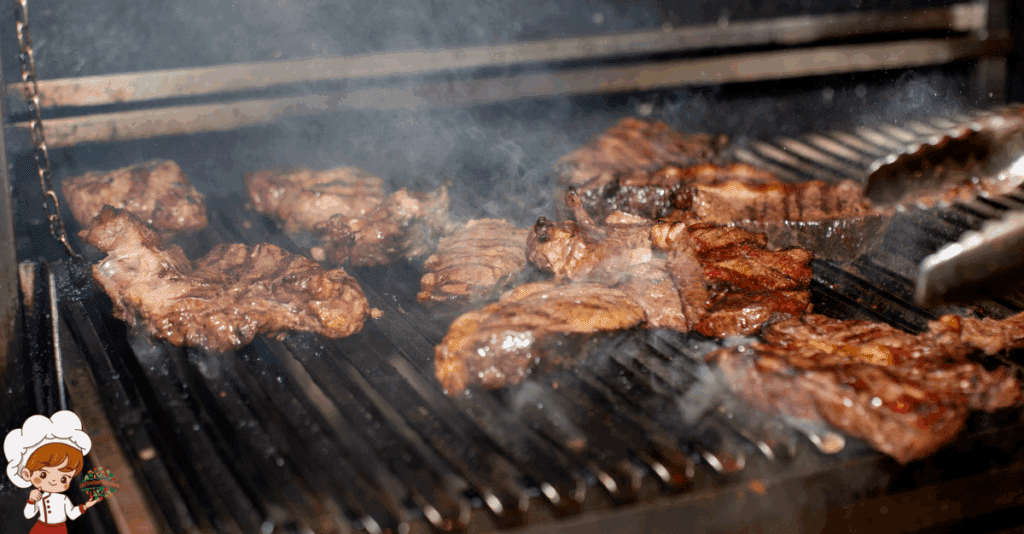
Great Advantages Of Smoking Over Grilling; Smoking beats grilling in several ways. You’ll enjoy richer, more complex flavors as the smoke seeps into your food, enhancing natural tastes. The longer cooking times let tough cuts become tender and juicy, perfect for those big meals. Plus, you have greater control over temperature, ensuring your meat cooks evenly. Smoking is also less hands-on, freeing you to enjoy your gathering while the food cooks. With a variety of wood choices, you can experiment to discover what suits your palate. There’s plenty more to uncover about this flavorful technique, so stick around for more insights!
Enhanced Flavor Profiles
Often, you’ll find that smoking food creates richer, more complex flavor profiles compared to grilling. The slow infusion of smoke allows the flavors to meld beautifully, enhancing the natural taste of your ingredients. By using different smoke types, you can elevate your dishes to new levels. For instance, hickory imparts a strong, bacon-like flavor, while applewood gives a mild, fruity essence. Choosing the right wood can make all the difference in your culinary creations.
When it comes to ingredient pairings, smoking opens up a world of possibilities. You can experiment with various proteins and vegetables to discover delightful combinations. For example, fatty cuts of meat, like brisket or pork shoulder, thrive on long, low-temperature smoking, absorbing the aromatic smoke and developing a depth of flavor that grilling often can’t match. Pair these with robust spices or a sweet glaze to complement the smokiness.
Don’t overlook vegetables, either. Smoking bell peppers or zucchini can enhance their sweetness and provide a savory twist. You might even consider adding herbs like rosemary or thyme to your wood chips for an extra kick.
Ultimately, smoking allows you to explore a range of flavors that simply can’t be achieved through grilling alone. So next time you fire up your smoker, remember the endless possibilities waiting for you. Embrace the adventure of ingredient pairings and smoke types to create something truly unique and memorable.
Longer Cooking Times
When you choose smoking, you’re embracing longer cooking times that can really pay off. This patience not only enhances flavor profiles but also develops a tender texture that grilling simply can’t match. Plus, you gain greater control over the cooking process, allowing for a truly satisfying meal.
Enhanced Flavor Profiles
Smoking food provides a unique advantage over grilling by allowing for enhanced flavor profiles through longer cooking times. When you smoke, the slow cooking process gives flavors the chance to develop and mingle, resulting in a depth that grilling simply can’t match. The smoke infuses your meat, fish, or vegetables, creating a flavor complexity that tantalizes your taste buds.
As the food cooks over low heat, it absorbs the aromatic depth of the wood, whether you choose hickory, mesquite, or applewood. Each type of wood contributes its unique characteristics, allowing you to experiment and discover combinations that suit your palate. This gradual infusion enhances not only the surface flavors but also penetrates deeper, creating a harmonious blend throughout your dish.
With smoking, you can also incorporate marinades and rubs, which, combined with the smoke, elevate the overall profile of your food. The result is a rich, multi-layered taste experience that leaves grilling behind. So, when you’re in the mood for something extraordinary, remember the advantages of smoking—it’s all about savoring those enhanced flavors that only time and smoke can create.
Tender Texture Development
One of the key benefits of smoking is how it develops a tender texture in your food, thanks to the longer cooking times involved. When you smoke meat, the low and slow cooking method allows for ideal smoke penetration, which enhances flavor and tenderness simultaneously. The extended exposure to heat breaks down tough fibers and connective tissues, resulting in a melt-in-your-mouth experience.
Another factor contributing to this tenderness is meat marbling. The fat interspersed within the meat gradually melts during the smoking process, basting the meat from the inside out. This not only adds moisture but also creates a rich, buttery texture that grilling often can’t achieve. While grilling tends to cook meats quickly over high heat, which can lead to dryness and toughness, smoking allows the meat to relax and absorb flavors deeply over time.
Greater Cooking Control
With greater cooking control, smoking allows you to fine-tune the temperature and timing to achieve perfect results every time. Unlike grilling, where high heat can lead to uneven cooking, smoking provides a more deliberate approach. You can set your smoker to a low and steady temperature, often between 225°F and 250°F, which means you get to manage the cooking process with precision.
This temperature management is essential for tougher cuts of meat that require longer cooking times. You can let the meat absorb the smoke flavor while breaking down connective tissues, resulting in a tender and juicy final product. As you monitor the internal temperature, you can make adjustments to the smoker’s heat or add more wood chips for additional flavor without the fear of overcooking.
Longer cooking times in smoking also give you the flexibility to experiment with different woods and spices, enhancing your dish’s complexity. So, when you choose to smoke instead of grill, you aren’t just cooking; you’re orchestrating a culinary experience. Embrace the control that smoking offers, and you’ll elevate your cooking to a whole new level.
Versatility in Ingredients
Throughout the cooking process, you’ll find that smoking offers a remarkable versatility in ingredients that grilling simply can’t match. While grilling often focuses on a limited range of ingredients, smoking opens up a world of possibilities. You can experiment with various types of meats, vegetables, and even fruits, allowing for unique ingredient combinations that elevate your dishes.
One of the best aspects of smoking is its adaptability. You can create adaptable recipes that cater to your taste preferences and dietary needs. Whether you’re using traditional meats like brisket and ribs or venturing into seafood and plant-based options, the smoking process complements a wide array of ingredients. The smoke infuses your food with rich flavors, enhancing anything you throw into the smoker.
For instance, consider how well smoked salmon pairs with dill and lemon. Or think about the delightful contrast of smoked vegetables like bell peppers and zucchini with a tangy balsamic glaze. You can even smoke cheeses, which adds an unexpected twist to your charcuterie board. This versatility means you’re not limited to just the usual burger or hot dog fare when smoking.
Moreover, smoking allows you to utilize different wood types, each imparting distinct flavors to your ingredients. Whether you prefer the sweet notes of applewood or the boldness of hickory, these choices enable you to customize your ingredient combinations even further. Ultimately, smoking empowers you to craft dishes that are truly one-of-a-kind, making your culinary adventures exciting and flavorful.
Tenderizing Tough Cuts
When you smoke tough cuts of meat, the slow cooking process breaks down the fibers, making them tender and juicy. You also get the added benefit of flavor infusion techniques that enhance the meat’s taste. Plus, the moisture retention keeps everything succulent, so you’re left with a dish that’s both delicious and easy to chew.
Slow Cooking Process
In the slow cooking process, you transform tough cuts of meat into tender, flavorful dishes that melt in your mouth. By using low and slow heat, you break down the collagen in the meat, making it supremely tender. This method is particularly effective with cuts like brisket or pork shoulder, which can be tough if cooked too quickly.
As the meat cooks slowly, it absorbs smoke, enhancing its flavor profile considerably. The gentle heat allows the smoke absorption to occur gradually, creating a rich, smoky taste without overwhelming the meat. You’ll notice that the longer cooking time helps the flavors meld beautifully, resulting in a dish that’s both tender and deeply satisfying.
Moreover, slow cooking helps retain moisture, preventing the meat from drying out. The combination of slow heat and smoke absorption creates an ideal environment for developing complex flavors and textures. So, when you choose to smoke your meat, you’re not just cooking; you’re crafting a culinary experience that takes advantage of the natural qualities of the meat. Embrace the slow cooking process, and you’ll enjoy tender results every time.
Flavor Infusion Techniques
Flavor infusion techniques are essential for transforming tough cuts of meat into mouthwatering dishes. When you smoke meat, you take advantage of smoke absorption to penetrate the meat deeply, enhancing its flavor profile. This slow process allows the smoky goodness to mingle with the natural flavors of the meat, resulting in a rich, savory taste.
To achieve the best results, consider flavor layering. Start by marinating your meat with spices, herbs, and oils to create a robust foundation. Then, as you smoke the meat, add wood chips that complement the seasonings you’ve used. Different woods, like hickory or apple, impart unique flavors, enriching the overall taste experience.
Combining these techniques helps tenderize tough cuts, breaking down connective tissues while infusing them with layers of flavor. You’ll notice that the meat becomes not just more tender, but also packed with complexity that grilling simply can’t achieve. So, when you’re ready to elevate your cooking game, remember that smoking offers you the chance to explore the delicious world of flavor infusion techniques, making even the toughest cuts irresistible.
Moisture Retention Benefits
Smoking meat offers significant moisture retention benefits, especially for tenderizing tough cuts. When you smoke meat, the lower smoke temperature allows for a longer cooking time, which helps break down connective tissues in tougher cuts like brisket or pork shoulder. This slow cooking process creates a perfect environment for moisture absorption, ensuring that your meat stays juicy and tender.
Unlike grilling, where high heat can quickly dry out the exterior, smoking envelops the meat in a gentle, flavorful haze. As the meat cooks slowly, the moisture from the smoke penetrates deeper, enhancing the overall texture. You’ll find that after several hours, the tough fibers become succulent and fork-tender.
Additionally, the combination of wood smoke and the right humidity levels during smoking helps retain juices within the meat. This means that when you finally slice into your masterpiece, you’ll experience a burst of flavor and tenderness that grilling just can’t match. By choosing smoking over grilling, you’re giving tough cuts the care and time they need to transform into mouthwatering, juicy delights.
Smoke Ring Creation
One of the most enchanting aspects of smoked meats is the creation of a smoke ring, a pink layer that forms just beneath the surface. When you smoke your meat, this beautiful ring acts as a visual indicator of the cooking process, showcasing the magic of smoke penetration. You might wonder how this phenomenon occurs, and it’s all about the interaction between the meat, smoke, and heat.
As you smoke your meat, the combination of low temperatures and wood smoke allows the chemical compounds in the smoke to react with the myoglobin in the meat. This reaction creates the characteristic pink hue of the smoke ring, which not only looks appealing but also signifies a well-smoked piece of meat. Unlike grilling, where high heat can quickly cook the exterior, smoking keeps the temperatures low and slow, allowing the smoke to work its magic over time.
Beyond aesthetics, the smoke ring enhances the flavor depth of your meat. The compounds responsible for forming the ring also contribute to the overall smoky flavor. This depth of flavor is often elusive in grilled meats, where the intense heat can overpower the subtler notes of smoke.
Healthier Cooking Options
When you choose smoking over grilling, you’re opting for a cooking method that often results in lower fat content in your meals. Plus, the slow cooking process enhances flavor profiles, making your food taste even better. You’ll also experience reduced carcinogen exposure, making your meals not just tastier but healthier too.
Lower Fat Content
Compared to grilling, smoking often results in lower fat content in your meals, making it a healthier cooking option. When you smoke your food, the process allows excess fats to drip away, which isn’t always the case with grilling. The slow cooking method of smoking means you can enjoy tender results without adding unnecessary fats or oils to enhance flavor retention.
You’ll find that smoked meats and vegetables retain their natural flavors while benefiting from a healthier profile. As the smoke infuses your food, it enhances taste without the need for heavy marinades or greasy sauces. This not only helps you cut down on calories but also guarantees that you’re consuming less saturated fat, which can contribute to various health issues.
Enhanced Flavor Profiles
How can smoking elevate the flavors of your food? When you smoke your dishes, you reveal a world of flavor complexity that grilling simply can’t match. The process infuses your meats and vegetables with rich smoke profiles, allowing them to absorb aromatic compounds that enhance their natural flavors.
Each type of wood you choose, whether it’s hickory, mesquite, or applewood, brings its unique characteristics to the table. This means that you can experiment and create distinct flavor combinations that suit your palate. You’ll notice how smoking imparts a depth that grilling often misses, giving your dishes a savory, nuanced taste that leaves a lasting impression.
Moreover, smoking allows for better control over cooking temperatures, which means you can achieve that perfect balance of tenderness and flavor without the risk of charring. This slow and low cooking method preserves moisture while deepening the flavors, resulting in a mouthwatering experience. So, next time you’re deciding between smoking and grilling, remember that smoking offers you a way to elevate your culinary creations with unparalleled flavor complexity. You’ll taste the difference in every bite!
Reduced Carcinogen Exposure
While savoring those rich flavors from smoking, it’s also important to contemplate the health implications of your cooking methods. When you smoke food, you often expose it to lower temperatures compared to grilling. This difference can greatly reduce your exposure to harmful carcinogens. High-temperature grilling can create harmful compounds like polycyclic aromatic hydrocarbons (PAHs) and heterocyclic amines (HCAs), which are linked to various health risks.
On the other hand, smoking allows for a gentler cooking process. Different smoke types, like hickory or applewood, not only enhance flavor development but also minimize the risk of these carcinogenic substances forming. The longer cooking times at lower temperatures help break down potential toxins more effectively.
Unique Cooking Techniques
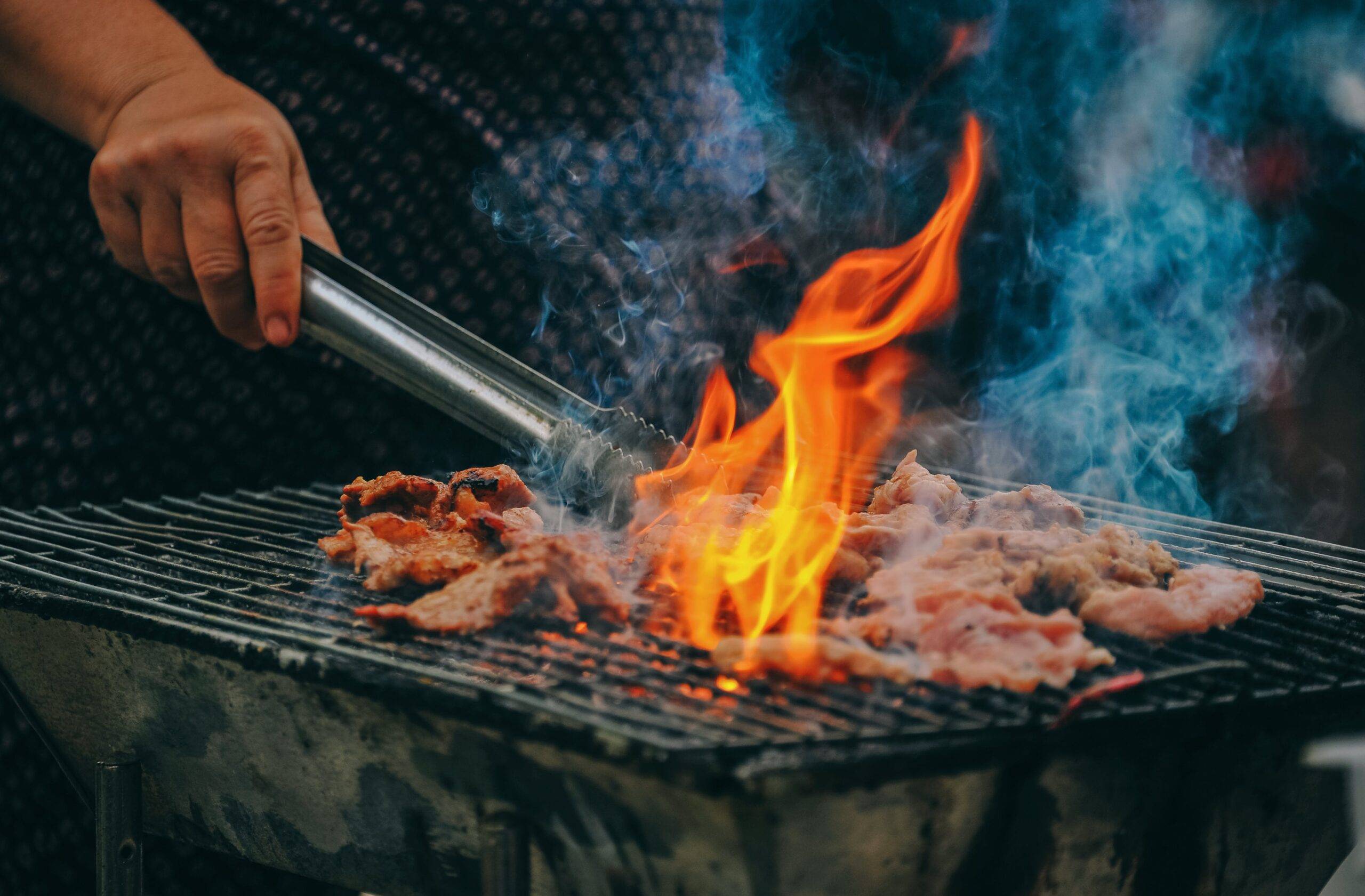
When it comes to unique cooking techniques, smoking offers a flavor profile that grilling simply can’t match. By utilizing both cold smoking and hot smoking methods, you can achieve diverse textures and flavors in your dishes. Cold smoking, for instance, allows you to infuse foods like cheeses or fish with smoke without cooking them, making it a great preservation method. On the other hand, hot smoking cooks your food while imparting that rich, smoky flavor.
Wood selection plays an essential role in the smoking process. Different types of wood, such as hickory, mesquite, or applewood, each bring distinct flavors to your dishes. You’ll want to take into account flavor pairing; for example, hickory complements pork beautifully, while fruit woods work well with poultry.
Temperature control is critical in smoking, as it allows you to maintain the ideal heat for the specific technique you’re using. Investing in quality cooking equipment like a smoker or a grill with a smoking box can make a significant difference in your results. You might also think about charcoal alternatives, such as wood chunks or pellets, to enhance the smoking process.
Many regions have their own unique smoking techniques, which can inspire your culinary adventures. By experimenting with smoke infusions and various methods, you’ll discover creative ways to elevate your meals. Embrace these unique cooking techniques, and you’ll find that smoking can transform your culinary repertoire.
Improved Moisture Retention
Smoking not only enhances flavor but also greatly improves moisture retention in your food. When you smoke meats or vegetables, the process allows for better smoke absorption, which in turn contributes to moisture preservation. Unlike grilling, where high heat can quickly dry out your ingredients, smoking utilizes lower temperatures over an extended period, locking in juices and flavors.
As the smoke envelops your food, it creates a barrier that helps prevent moisture loss. This is particularly important for cuts of meat that tend to dry out easily, such as chicken breasts or pork loin. The slow and steady cooking process allows the fibers to relax, absorbing the smoke and moisture, making every bite tender and juicy.
Moreover, the wood chips used in smoking can release natural oils and compounds that further enhance moisture retention. This means you end up with a dish that’s not only flavorful but also retains a succulent texture—a hallmark of well-smoked food. You’ll notice that even after hours of cooking, the moisture stays locked in, making it less likely for your meal to end up dry or tough.
In contrast, grilling often leaves you with a charred exterior while the inside might become overcooked and dry. By choosing to smoke rather than grill, you guarantee that your dishes maintain their natural juiciness. So, if you want to serve up mouth-watering, moist meals, smoking is definitely the way to go.
Greater Batch Cooking
One of the standout benefits of smoking is its ability to accommodate greater batch cooking. When you decide to smoke your food, you can easily prepare larger quantities at once, making it a game-changer for busy individuals or families. Instead of grilling one or two pieces at a time, smoking allows you to fill your smoker with a variety of meats and vegetables, maximizing your batch preparation efforts.
This method not only saves you time but also enhances your meal planning. Imagine having a week’s worth of delicious smoked meats ready to go in your refrigerator or freezer. You simply smoke a large cut of brisket or a whole chicken, and you’ve got meals lined up for days. This time efficiency means less daily cooking and more time to enjoy your meals with family and friends.
Moreover, smoking tends to develop deeper flavors, allowing you to elevate the taste of your batch-cooked items. You can experiment with different wood chips and seasoning blends, creating a range of flavors that keep your meals exciting.
With the convenience of greater batch cooking, you can also explore different recipes simultaneously. Want to try smoked ribs, chicken wings, and a side of vegetables all in one go? Go for it! This flexibility in batch preparation not only simplifies your cooking process but also guarantees that you always have delicious, smoky options ready to delight your taste buds.
Minimal Supervision Needed
While you’re busy with other tasks, you can set your smoker and let it work its magic with minimal supervision. Unlike grilling, where you’re constantly flipping and checking for doneness, smoking allows you to focus on other things while your food slowly develops rich flavors. With the right setup, you can achieve perfect smoke management without being tied to your cooking station.
Once you’ve prepared your meat and set the temperature, you can relax or tackle other chores. The low and slow method of smoking means that your food doesn’t require constant attention. You can check in occasionally to verify everything’s on track, but the long cooking times give you the freedom to step away without the risk of burning your meal.
Another advantage of smoking with minimal supervision is achieving that perfect flavor balance. As the wood chips smolder, they infuse your meat with deep, complex flavors, which develop over time. You won’t need to worry about flare-ups or adjusting heat levels like with grilling. The consistent heat and smoke help maintain the flavor profile you’re aiming for, allowing the natural taste of the meat to shine alongside the smoky notes.
In essence, smoking allows you to enjoy the cooking process without the constant vigilance required for grilling. You can savor the experience of preparing your meal while your smoker quietly does the hard work for you.
Better for Outdoor Gatherings
When it comes to outdoor gatherings, smoking proves to be a crowd-pleaser that brings people together. The rich, smoky aroma wafting through the air sets the perfect tone for a relaxed, inviting atmosphere. Unlike grilling, which often requires constant attention and can lead to rushed meals, smoking allows you to enjoy the social interactions with your friends and family while your food cooks slowly and steadily.
You can set up your smoker and let it work its magic while you mingle, share stories, and enjoy the outdoor ambiance. This makes smoking an ideal choice for long gatherings where everyone can take their time to savor the flavors and each other’s company. It creates a laid-back vibe that encourages conversation and connection, ensuring that the focus remains on enjoying the moment rather than stressing over the food.
With smoking, you also have the opportunity to prepare larger cuts of meat that feed more guests, which is perfect for parties. Imagine the delight on your friends’ faces as they gather around, excited to share in the delicious feast you’ve prepared. As the smoke curls into the sky, it enhances the overall experience, making your outdoor event not just about the food, but about building memories together.
In short, smoking transforms outdoor gatherings into enjoyable experiences filled with laughter, connection, and great food, making it the perfect choice for your next get-together.
Variety of Wood Choices
Choosing the right type of wood for smoking can greatly enhance the flavor of your meats and other dishes. Unlike grilling, where you might stick to just one or two types of fuel, smoking offers a wide variety of wood choices that can transform your culinary experience. Each type of wood brings its own unique flavor profile, giving you the chance to experiment and discover what you love best.
When it comes to wood selection, you’ve got plenty of options. For instance, hickory provides a strong, smoky flavor that’s perfect for red meats. If you’re looking for something milder, applewood offers a sweet, fruity aroma that works well with poultry and pork. Mesquite, on the other hand, delivers an intense flavor that’s ideal for grilling steaks. By incorporating different woods into your smoking techniques, you can create dishes that are uniquely yours.
Don’t forget that you can also mix woods to achieve a more complex flavor. Combining hickory with cherry wood, for example, can add depth and sweetness that enhances the overall dish. As you refine your wood selection, pay attention to how each type influences the final taste. This exploration not only makes smoking more enjoyable but also elevates your cooking to new heights. Ultimately, the variety of wood choices available allows you to customize your smoking experience, making it a rewarding and flavorful journey.
Distinct Culinary Experience
Smoking offers a distinct culinary experience that sets it apart from grilling, allowing you to explore flavors in a way that’s both engaging and satisfying. When you smoke your food, you immerse yourself in a world of smoke nuances that elevate each dish. Unlike grilling, where high heat often dominates, smoking relies on low temperatures, letting the flavors meld and develop over time. This slower cooking process creates a deeper flavor complexity that can transform even the simplest cuts of meat into mouthwatering masterpieces.
As you ignite your smoker, the choice of wood greatly impacts the final taste. Each type of wood imparts its unique smoke nuances, from the fruity hints of applewood to the robust, earthy tones of hickory. You can experiment with different combinations, allowing you to tailor the flavor profile to your liking. This level of customization is hard to achieve with grilling, where the focus is primarily on achieving a charred exterior.
The gradual infusion of smoke not only enhances the taste but also contributes to the tenderness of the meat. The low and slow method breaks down collagen, resulting in a juicy, fall-off-the-bone texture. Every bite carries the essence of smoky goodness, making your culinary creation a sensory delight. So, when you choose to smoke over grill, you’re embracing a journey through flavor complexity that’s unparalleled, ensuring each meal becomes an unforgettable experience.
Frequently Asked Questions: Great Advantages Of Smoking Over Grilling
Can Smoking Be Done Indoors, or Is It Strictly Outdoor?
You can smoke indoors, but be aware of safety concerns like ventilation and fire hazards. It’s crucial to use proper equipment and guarantee your space is suitable to avoid any risks while enjoying your indoor smoking experience.
What Types of Wood Are Best for Smoking Different Meats?
For smoking meats, choose wood types based on desired wood flavor profiles. For beef, hickory works great; for chicken, applewood adds sweetness; and for pork, cherry wood offers a balanced, fruity flavor. Enjoy experimenting!
How Does Smoking Affect the Nutritional Value of Food?
Smoking enhances the flavor of your food while promoting nutrient retention. It preserves vitamins and minerals better than other cooking methods, allowing you to enjoy richer tastes and healthier meals that satisfy both your palate and body.
Are There Specific Tools Needed for Effective Smoking?
For effective smoking, you’ll need essential equipment like a smoker, wood chips, and a thermometer. Mastering various smoking techniques will enhance your results, ensuring your food is flavorful and perfectly cooked every time.
Can Smoking Be Combined With Other Cooking Methods?
Yes, you can definitely combine smoking with other cooking methods! For instance, you can use sous vide for precise cooking times, then finish with smoking for delightful flavor infusion, creating a truly unique culinary experience.

Conclusion
To sum up, smoking offers unique advantages over grilling that can elevate your cooking experience. With enhanced flavor profiles and the ability to tenderize tough cuts, you’ll impress your guests with mouthwatering dishes. Plus, the minimal supervision required lets you enjoy the outdoors without constant attention to the grill. Whether you’re experimenting with different wood choices or creating that perfect smoke ring, smoking truly delivers a distinct culinary experience that grilling just can’t match. So, why not give it a try?
If you enjoyed exploring this topic and want to dive even deeper, be sure to check out some of our other articles here on Infinite Flavors. From rich culinary histories to creative twists on classic recipes, there’s always something new to discover. Whether you’re curious about the origins of a dish, looking for fresh inspiration in the kitchen, or simply love learning about food culture, our collection of posts is the perfect next step on your flavor journey.
The Best Guide To Hot Smoking Vs Cold Smoking
Best Seasonings For Smoking Chicken