12 Great Tips For Cooking With Exotic Spices
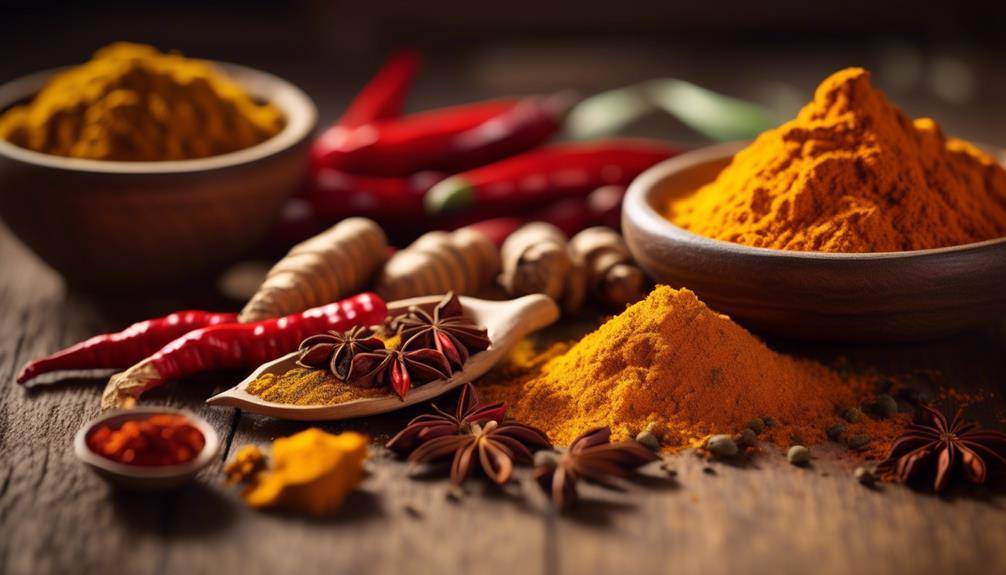
Great Tips For Cooking With Exotic Spices; Step into the vibrant world of exotic spices and let your taste buds embark on a flavor-filled adventure. With each new spice, you unlock a treasure chest of culinary possibilities waiting to be explored. But how do you navigate this diverse landscape and ensure your dishes are seasoned to perfection? Fear not, for we have compiled 12 indispensable tips to guide you on your flavorful journey. So, buckle up and prepare to elevate your cooking to new heights, as we unveil the secrets to mastering the art of cooking with exotic spices.
Understand Flavor Profiles
To fully explore the world of exotic spices, it is essential to understand flavor profiles and how they can elevate your cooking to new levels of taste and satisfaction. Flavor pairing is a crucial concept when it comes to using exotic spices in your dishes. It involves combining spices that complement each other, creating a harmonious blend of flavors that enhance the overall taste of your food. By understanding the flavor profiles of different spices, you can create unique and exciting culinary experiences.
When considering flavor pairing, it’s important to take note of the key characteristics of each spice. For example, cumin has a warm, earthy flavor with a hint of smokiness, while cardamom has a strong, aromatic taste with citrus undertones. By combining these two spices, you can create a complex and flavorful spice infusion that adds depth to your dishes. Experimenting with different flavor combinations will allow you to discover new and exciting tastes that will elevate your cooking to new heights.
Spice infusion is another technique that can enhance the flavor of your dishes. It involves infusing the flavors of various spices into oils, sauces, or marinades. This process allows the spices to release their aromatic compounds, creating a rich and intense flavor profile. For example, infusing chili peppers and garlic into olive oil can create a spicy and fragrant oil that adds a kick to your dishes.
Understanding flavor profiles and experimenting with flavor pairing and spice infusion techniques will open up a world of possibilities in your cooking. By incorporating exotic spices into your dishes, you can elevate their taste and create unique and memorable culinary experiences. So, go ahead and explore the world of exotic spices, and let your taste buds embark on a flavorful journey.
Start With Small Amounts
Before diving into the world of exotic spices, it is recommended to start with small amounts to familiarize yourself with their flavors and to ensure the perfect balance in your dishes. Understanding spice measurements and experimenting with spice ratios are key elements in achieving the desired results.
When it comes to working with exotic spices, using them in moderation is crucial. Their potency can vary greatly, and using too much of a particular spice can overpower the other flavors in your dish. By starting with small amounts, you can gradually build up the intensity of the flavors to your liking. This allows you to develop a better understanding of how different spices interact with each other and with the ingredients in your recipe.
Understanding spice measurements is also important in achieving the right balance. Most recipes provide guidelines on the amount of spice to use, but it’s important to remember that these measurements are not set in stone. They serve as a starting point, and it’s up to you to adjust them according to your taste preferences. Starting with small amounts allows you to make these adjustments more easily, ensuring that the flavors are well-balanced and harmonious.
Experimenting with spice ratios is another way to enhance your culinary creations. You can try combining different spices to create unique flavor profiles or adjust the ratios of spices in a recipe to suit your personal taste. Starting with small amounts gives you the freedom to play around with these ratios without fear of ruining the entire dish.
Research Spice Origins
When it comes to cooking with exotic spices, researching their origins is of utmost importance. By understanding where a spice comes from, you gain valuable insights into its flavor profile, cultural significance, and traditional uses. Additionally, researching spice origins allows you to ensure that you are purchasing spices sourced ethically and sustainably, supporting local communities and promoting fair trade practices. So, take the time to dig into the origins of your favorite spices and enhance your culinary adventures with a deeper appreciation for their rich history and unique characteristics.
Spice Origins Importance
Spice origins play a significant role in enhancing the flavors of your dishes, adding depth and complexity to your culinary creations. Understanding where spices come from not only allows you to appreciate their unique taste profiles but also provides insight into the cultural significance and historical context of these ingredients. Here are three reasons why spice origins are important:
- Spice trade routes: The origins of spices are closely tied to ancient trade routes. These routes not only facilitated the exchange of goods but also fostered cultural exchange, leading to the development of diverse culinary traditions around the world.
- Cultural significance: Spices hold immense cultural significance in many societies. They are often used in traditional rituals, celebrations, and medicinal practices. Learning about spice origins can deepen your understanding of different cultures and their culinary heritage.
- Quality and authenticity: Knowing the origin of a spice can help ensure its quality and authenticity. Different regions have unique growing conditions, soil composition, and processing techniques that contribute to the distinct flavors and aromas of spices. By sourcing spices from their original regions, you can ensure that you are using the most authentic and flavorful ingredients in your cooking.
Benefits of Researching
By researching the origins of spices, you can unlock a treasure trove of knowledge that will enhance your culinary skills and elevate your dishes to new levels of flavor. Understanding where a spice comes from allows you to better appreciate its unique characteristics and use it in a way that complements other ingredients. Researching techniques, such as studying historical texts or consulting with experts, can provide valuable insights into the traditional uses and flavor profiles of different spices.
Additionally, exploring the origins of spices allows you to discover new and exciting flavors that you may not have considered before. Experimenting with spices from different regions can add depth and complexity to your dishes, taking your cooking to a whole new level. So, take the time to research and explore the origins of spices, and you’ll be rewarded with a world of culinary possibilities.
Experiment With Spice Blends
To enhance your culinary creations, consider exploring the exciting world of spice blends. Experimenting with unique flavors and creating your own spice blends can take your dishes to a whole new level. Here are three reasons why you should embrace the art of blending spices:
- Endless Flavor Combinations: By experimenting with different spice blends, you can create unique flavor profiles that can transform any dish. From a tangy and smoky barbecue blend to a fragrant and aromatic curry spice mix, the possibilities are endless. Mixing spices allows you to customize the flavors according to your taste preferences and the specific dish you are preparing.
- Enhanced Depth and Complexity: Spice blends are carefully crafted combinations of various spices, each bringing its own distinct flavor to the mix. By blending spices, you can achieve a harmonious balance of flavors, adding depth and complexity to your dishes. The combination of different spices creates layers of taste that can elevate even the simplest of recipes.
- Versatility in Cooking: Creating your own spice blends gives you the flexibility to use them in a wide range of dishes. Whether you’re cooking meat, vegetables, or even desserts, a well-crafted spice blend can add a burst of flavor to any dish. From marinades and rubs to seasonings and sauces, spice blends can be used in various ways to enhance the taste of your culinary creations.
Properly Store Your Spices
Properly storing your spices is essential for maintaining their freshness and preserving their vibrant flavors. By following some simple guidelines, you can ensure that your spices stay potent and aromatic for longer periods of time.
First and foremost, it’s important to store your spices in a cool, dry place. Heat and moisture are the biggest enemies of spices, as they can cause them to lose their flavor and aroma quickly. Avoid storing them near the stove or in the refrigerator, as the fluctuating temperatures can negatively affect their quality.
Investing in proper storage containers is also crucial. Opt for airtight containers that are made of either glass or metal. These materials will help to keep out moisture and prevent the spices from being exposed to light, which can also degrade their quality. Labeling your containers is a great way to stay organized and easily identify each spice.
When it comes to spice organization, it’s best to arrange them in a way that makes it easy for you to find what you need. Many people find that organizing their spices alphabetically or by cuisine is helpful. Alternatively, you can group them based on their usage, such as baking spices, cooking spices, or herbs.
Lastly, be mindful of the expiration dates on your spice jars. While spices don’t necessarily spoil, they do lose their potency over time. It’s a good idea to periodically go through your spice collection and discard any that are past their prime.
Grind Your Own Spices
Grinding your own spices allows you to experience the true essence of their flavors. When you grind spices yourself, you release their aromatic oils, resulting in a more vibrant and intense taste. By taking the time to grind your own spices, you can elevate your dishes to a whole new level of deliciousness.
Freshly Ground Spices
Enhance the flavors of your dishes by incorporating the aromatic richness of freshly ground spices. Grinding your own spices not only adds depth and complexity to your meals, but also allows you to maximize their flavor profiles. Here are three reasons why freshly ground spices are a game-changer in your kitchen:
- Intensified Aromas: When spices are freshly ground, their essential oils are released, resulting in a more potent and fragrant aroma. This enhances the overall sensory experience of your dishes.
- Enhanced Flavors: The process of grinding spices unlocks their full flavors, making them more vibrant and pronounced in your culinary creations. This adds layers of complexity and depth to your dishes.
- Greater Control: By grinding your own spices, you have complete control over the texture. Whether you prefer a fine powder or a coarser consistency, you can tailor the grind to suit your recipe.
Enhanced Flavors
To unlock the full potential of your spices and amplify the flavors in your dishes, there’s nothing quite like the satisfaction of grinding your own spices. When you grind your spices fresh, you not only ensure maximum flavor but also have the freedom to experiment with different flavor pairings and cooking techniques. The act of grinding releases the essential oils and aromas trapped inside the spices, resulting in a more intense and complex flavor profile.
For example, when grinding cumin seeds, you’ll notice a distinct earthy aroma that elevates the taste of your dishes. Similarly, freshly ground cinnamon adds a warm and fragrant touch to your desserts. So, whether you’re making a curry, soup, or even a dessert, grinding your own spices is a simple yet effective way to enhance the flavors in your cooking.
Use Spices in Marinades and Rubs
Spice up your marinades and rubs with a burst of exotic flavors. Adding exotic spices to your marinade recipes and rub techniques can elevate your dishes to new heights. Here are three ways to incorporate these flavors into your cooking:
- Experiment with Different Spice Combinations: Don’t be afraid to mix and match spices to create unique flavor profiles. For example, try combining cumin, coriander, and smoked paprika for a smoky and earthy rub. Or, mix turmeric, ginger, and cardamom for a warm and aromatic marinade. The possibilities are endless, so let your creativity run wild.
- Toast and Grind Your Spices: To enhance the flavors of your marinades and rubs, consider toasting and grinding your spices. Toasting spices, like cumin seeds or whole peppercorns, in a dry pan intensifies their flavors and releases their natural oils. Then, grind them using a mortar and pestle or a spice grinder for a fresher and more fragrant spice blend.
- Marinate and Rub in Advance: For maximum flavor infusion, marinate your meats or vegetables for at least 30 minutes, or even overnight. The longer the marinade sits, the more time the spices have to penetrate the ingredients and impart their flavors. Similarly, when using a dry rub, apply it to your meats in advance and let them sit in the refrigerator for a few hours before cooking. This allows the spices to deeply flavor the meat and create a delicious crust.
Pair Spices With Complementary Ingredients
Now that you have mastered the art of using spices in marinades and rubs, let’s take it a step further and explore how to pair these exotic spices with complementary ingredients to create culinary masterpieces. Complementary ingredient selection is crucial in enhancing the flavors of the spices and creating a harmonious balance in your dishes. By understanding the principles of spice pairing techniques, you can elevate your cooking to new heights.
When selecting complementary ingredients, consider the flavor profiles of both the spice and the main ingredient. For example, if you are using a spicy spice like cayenne pepper, pairing it with a cooling ingredient like yogurt can help balance the heat and provide a creamy texture. Similarly, the earthy flavors of cumin can be complemented by the natural sweetness of carrots or the richness of roasted eggplant.
Texture also plays a vital role in complementary ingredient selection. If you are working with spices that have a strong aroma and flavor, such as cloves or star anise, pairing them with ingredients that have a softer texture, like braised meats or slow-cooked vegetables, can help absorb and mellow out the flavors, resulting in a well-rounded dish.
Another technique to consider is to use ingredients that have similar flavor profiles to the spices you are working with. For instance, if you are using cardamom, which has a warm and citrusy taste, pairing it with ingredients like citrus fruits or ginger can enhance and complement the spice’s flavor.
Use Spices to Enhance Desserts and Beverages
Ready to take your desserts and beverages to the next level? Let’s talk about using spices to enhance these sweet treats. From cinnamon in apple pie to cardamom in chocolate cake, sweet spice pairings can add depth and complexity to your desserts. And why stop there? Spice-infused beverages like chai tea or spiced hot chocolate can provide a comforting and aromatic experience. Get ready to tantalize your taste buds and impress your guests with these deliciously spiced creations.
Sweet Spice Pairings
Enhance the flavors of your desserts and beverages with a delightful blend of exotic spices, creating a sensory experience that will leave your taste buds craving for more. Incorporating sweet and savory combinations in your desserts and beverages can take them to a whole new level. Here are three unexpected spice pairings that will add a touch of sophistication to your creations:
- Cinnamon and Cardamom: These warming spices work wonders in sweet treats like apple pie or hot chocolate. The combination of cinnamon’s sweet and spicy notes with cardamom’s floral and citrusy flavors creates a harmonious balance that will elevate your desserts.
- Nutmeg and Clove: These aromatic spices are perfect for adding depth and complexity to your baked goods. Try using them in pumpkin pie or spiced tea for a comforting and indulgent experience.
- Ginger and Star Anise: The combination of ginger’s zesty kick and star anise’s licorice-like flavor adds a unique twist to desserts and beverages. Use them in gingerbread cookies or mulled wine for a delightful and unexpected taste.
Experimenting with these sweet spice pairings will unlock a whole new world of flavors in your desserts and beverages, making them truly unforgettable.
Spice-infused Beverages
Elevate your beverage game with the enticing flavors and aromas of spice-infused drinks, adding a touch of excitement to your desserts and beverages. Spice-infused cocktails are a great way to experiment with unique flavor combinations while enjoying the health benefits of spice-infused beverages.
When it comes to spice-infused beverages, the possibilities are endless. You can add warming spices like cinnamon and nutmeg to hot apple cider for a cozy fall treat, or infuse your favorite spirits with cardamom and cloves for a delicious twist on classic cocktails.
Not only do spice-infused beverages taste amazing, but they also offer numerous health benefits. Many spices, such as ginger and turmeric, have anti-inflammatory properties and can aid in digestion. Spices like cinnamon and cayenne pepper can help regulate blood sugar levels.
Incorporate Spices Into Everyday Cooking
Spice up your everyday cooking by incorporating a variety of exotic flavors and aromas into your favorite dishes. Understanding the origins of spices and the benefits of experimenting with spice blends can help you take your culinary creations to the next level. Here are three tips to help you incorporate spices into your everyday cooking:
- Explore Spice Origins: Take a journey around the world through your spice rack. Each spice has a story to tell, with unique flavors and aromas that are deeply rooted in different cultures and cuisines. For example, cumin is commonly used in Indian and Middle Eastern dishes, while paprika adds a smoky flavor to Hungarian cuisine. By understanding the origins of spices, you can appreciate their cultural significance and incorporate them into your dishes with confidence.
- Experiment with Spice Blends: Don’t be afraid to mix and match different spices to create your own unique blends. Experimenting with spice blends can add depth and complexity to your dishes. For example, combining cinnamon, nutmeg, and allspice can create a warm and comforting flavor profile, perfect for adding to baked goods or savory dishes like stews and curries. By experimenting with spice blends, you can personalize your dishes and discover new flavor combinations that will impress your taste buds.
- Start Small: If you’re new to cooking with spices, it’s best to start with small amounts and gradually increase as you become more comfortable. This way, you can adjust the flavors to your liking without overpowering your dish. Remember, a little goes a long way when it comes to spices, so start with a pinch and taste as you go. This approach allows you to develop your palate and find the perfect balance of flavors in your everyday cooking.
Incorporating spices into your everyday cooking can elevate your dishes from ordinary to extraordinary. By understanding spice origins and experimenting with spice blends, you can create unique flavors and aromas that will make your taste buds dance with delight. So go ahead, spice up your cooking and embark on a culinary adventure like never before!
Balance Heat and Flavors
As you continue your culinary journey of incorporating spices into your everyday cooking, it’s important to master the art of balancing heat and flavors to create harmonious and satisfying dishes. Achieving the perfect balance and harmony of flavors can elevate your dishes from ordinary to extraordinary. One way to achieve this balance is through flavor experimentation.
When experimenting with flavors, it’s essential to consider the heat level of the spices you are using. Some spices, such as cayenne pepper or chili powder, can pack a punch and add a fiery heat to your dishes. Others, like cinnamon or nutmeg, bring warmth and depth to your recipes. By combining spices with varying heat levels, you can create a well-rounded flavor profile that is neither too spicy nor too bland.
To achieve balance, start by using small amounts of hot spices and gradually increase the quantity until you reach your desired level of heat. This way, you have better control over the final result. Remember that a little goes a long way, especially with potent spices like cumin or paprika.
Another way to achieve balance is by pairing spices that complement each other. For example, if you’re using a spicy spice like cayenne pepper, consider balancing it with sweeter spices like cinnamon or cloves. The sweetness will help mellow out the heat and create a more harmonious flavor profile.
Don’t be afraid to experiment with different combinations of spices to find your own unique flavor balance. Taste as you go and adjust accordingly. Keep in mind that achieving balance is a personal preference, and what works for one person may not work for another. So trust your taste buds and have fun exploring the world of flavors. With practice, you’ll soon become a master at balancing heat and flavors, creating dishes that are both exciting and satisfying.
Get Creative With Spice Combinations
Get ready to unleash your culinary creativity by exploring the endless possibilities of spice combinations. Spice pairing techniques can elevate your dishes to new heights, adding depth, complexity, and unique flavors. Here are three innovative spice uses to inspire your next culinary adventure:
- Contrast and Complement: One technique to create interesting flavor profiles is to combine spices that contrast and complement each other. For example, the warmth of cinnamon can be beautifully balanced with the tanginess of cumin. This combination works well in both sweet and savory dishes, adding a delightful twist to classics like apple pie or roasted vegetables. Experiment with different spice pairings to find your favorite contrasting and complementary flavors.
- Regional Fusion: Another way to get creative with spice combinations is to explore regional fusion. By blending spices from different cuisines, you can create unique and exciting flavor profiles. For instance, combining Indian garam masala with Mexican chili powder can result in a fusion of aromatic spices and fiery heat. Use these regional fusion blends to spice up your tacos, curries, or stir-fries, and transport your taste buds to a whole new culinary experience.
- Herb and Spice Symphony: Don’t limit yourself to using spices alone; consider incorporating fresh herbs into your spice combinations. The combination of spices and herbs can create a symphony of flavors in your dishes. For example, pairing rosemary with paprika and garlic can add a vibrant and herbaceous touch to roasted meats or vegetables. Let your imagination run wild and experiment with different herb and spice symphonies to create dishes that are bursting with flavor.
Frequently Asked Questions: Great Tips For Cooking With Exotic Spices
Can I Use Exotic Spices in Baking or Only in Savory Dishes?
You can definitely use exotic spices in baking! Not only do they add unique flavors to your sweet treats, but they also bring a whole new level of excitement and depth to your desserts. So go ahead, experiment and enjoy the benefits of baking with exotic spices!
How Can I Tell if a Spice Blend Is Authentic and High-Quality?
To verify the authenticity and quality of a spice blend, start by checking the label for any artificial additives or fillers. Look for reputable brands that source their spices from trusted suppliers. Trust your senses – smell, taste, and texture can reveal a lot about the spice’s quality.
What Are Some Unique Ways to Incorporate Exotic Spices Into My Everyday Cooking?
To incorporate exotic spices into your everyday cooking, get creative with flavor combinations. Enhance simple dishes by adding a pinch of cardamom to your morning oatmeal or a dash of turmeric to your scrambled eggs.
Are There Any Common Cooking Mistakes to Avoid When Using Exotic Spices?
When using exotic spices, it’s important to avoid common mistakes like overusing them or not properly storing them. Overusing can overpower the dish, while improper storage can lead to loss of flavor.
Can I Substitute Exotic Spices With More Commonly Used Spices in a Recipe?
You can definitely substitute exotic spices with more commonly used spices in a recipe. However, keep in mind that the flavors may not be exactly the same, so adjust the quantities accordingly for the best results.
Conclusion
Incorporating exotic spices into your cooking can elevate flavors and add excitement to your dishes. By understanding flavor profiles, starting with small amounts, and researching spice origins, you can confidently experiment with spice blends and create unique flavor combinations. Properly storing your spices and using them to enhance desserts and beverages will ensure their freshness and versatility. So be bold, get creative, and let your taste buds embark on a flavorful adventure with these exotic spices!
If you enjoyed exploring this topic and want to dive even deeper, be sure to check out some of our other articles here on Infinite Flavors. From rich culinary histories to creative twists on classic recipes, there’s always something new to discover. Whether you’re curious about the origins of a dish, looking for fresh inspiration in the kitchen, or simply love learning about food culture, our collection of posts is the perfect next step on your flavor journey.
The 6 Best Spices To Elevate Vegan Dishes
Discovering Italian Cuisine Great Ways To Spice It Up
What Are Some Great Techniques For Blending Cooking Spices