15 Great Tips For Perfect Turkish Rice And Pilaf Dishes
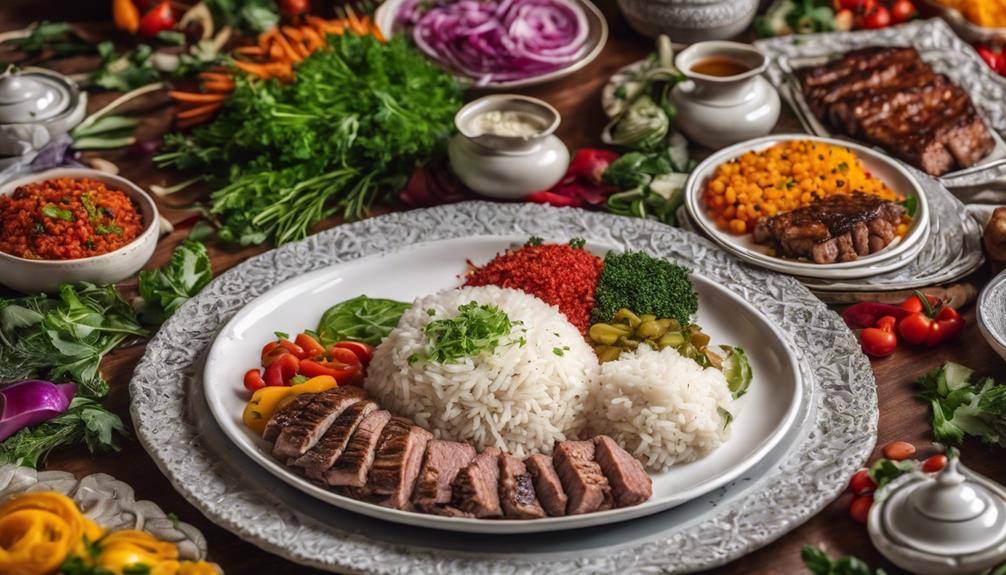
Great Tips For Perfect Turkish Rice And Pilaf; To make perfect Turkish rice and pilaf, start by choosing long-grain varieties like basmati, and rinse them thoroughly to remove excess starch. Soak the rice for at least 30 minutes to enhance fluffiness. Use a 1:1.5 water-to-rice ratio and flavor your cooking liquid with herbs or broth. Sauté or toast the rice in olive oil before adding water to elevate flavor. Cook it gently in a heavy-bottomed pot, tightly sealing the lid to maintain steam. Let it rest after cooking, then fluff with a fork. Ready to explore more insightful techniques for your Turkish rice and pilaf?
Choose the Right Rice
Choosing the right rice is essential for creating flavorful Turkish rice and pilaf. You’ll find several rice varieties that can elevate your dishes, each with distinct flavor profiles and cooking techniques. For traditional Turkish pilaf, look for long-grain rice, such as basmati or jasmine. These types provide a light, fluffy texture that complements the dish’s overall presentation.
Don’t overlook regional differences in rice preferences. In southeastern Turkey, for example, you might encounter shorter grain varieties that yield a creamier texture. This can add a unique twist to your pilaf, making it a delightful centerpiece for your meal.
When it comes to serving suggestions, consider pairing your rice with grilled meats, stews, or roasted vegetables to create a balanced dish. You can also enhance flavor by sautéing the rice in olive oil or butter before adding liquid, allowing it to absorb rich tastes during cooking.
Nutritional benefits are another essential aspect of choosing your rice. Opt for whole grain varieties when possible, as they retain more fiber and nutrients compared to refined options. This choice not only boosts the dish’s healthiness but also enhances its flavor.
Ultimately, selecting the right rice involves understanding how different varieties interact with your cooking techniques and regional preferences. By doing so, you’ll create a truly authentic Turkish rice or pilaf that satisfies both your taste buds and your guests.
Rinse the Rice Properly
Rinsing the rice properly is an essential step in achieving that perfect texture for your Turkish rice and pilaf. When you wash your rice, you’re removing excess starch, which can lead to clumping and a gummy consistency. By using effective rice washing techniques, you can guarantee that each grain cooks evenly and remains fluffy.
Start by placing your rice in a fine mesh strainer or a bowl. Rinse it under cold running water, swirling it gently with your fingers. You’ll notice the water turning cloudy—that’s the excess starch being released. Continue rinsing until the water runs clear, which usually takes a few minutes. This process not only enhances the texture but also helps eliminate any impurities or dust that may be present.
The rinsing benefits extend beyond just texture; it also helps improve the overall flavor of your dish. By removing the extra starch, you allow the rice to absorb more of the delicious broth or seasoning you’ll add later. If you’re using basmati rice, this step is particularly important, as it guarantees each grain remains separate.
Soak for Optimal Texture
To achieve the best texture in your Turkish rice and pilaf, soaking the rice for at least 30 minutes before cooking is key. This simple step enhances the overall quality of your dish, ensuring that each grain is fluffy and perfectly cooked. The soaking benefits are numerous: it helps the rice absorb water, allowing it to expand and cook more evenly. You’ll find that soaked rice not only cooks faster but also retains its shape better, reducing the risk of mushiness.
During the soaking duration, the rice releases excess starch, which can make your pilaf sticky. By soaking, you’re effectively rinsing away that starch, leading to a more desirable texture in the final dish. Plus, soaking activates the grains, allowing them to absorb flavors more readily during cooking, which is especially important in Turkish cuisine where spices and herbs play a significant role.
Use the Right Ratio
Getting the water to rice ratio right is essential for achieving perfect Turkish rice and pilaf. Depending on the type of grain you’re using, you may need to adjust that ratio to guarantee your dish turns out just right. Let’s explore how to measure it effectively for the best results.
Water to Rice Ratio
Achieving the perfect texture in Turkish rice or pilaf hinges on the right water to rice ratio. Generally, a good rule of thumb is to use a 1:1.5 ratio for most rice varieties, meaning for every cup of rice, you’ll want 1.5 cups of water. However, this can vary depending on the rice you’re using and the cooking techniques you prefer. For instance, long-grain rice like basmati often requires a bit less water, while short-grain rice may need slightly more.
It’s essential to measure your water accurately. If you’re using a rice cooker, refer to the manufacturer’s instructions, as they may have specific recommendations for the rice variety you’re using. If you’re cooking on the stove, bring the water to a boil before adding the rice, then reduce the heat and cover it to let it steam properly.
Adjusting for Grain Type
When cooking Turkish rice or pilaf, it’s important to adjust your water ratio based on the type of grain you’re using. Different grain varieties absorb water differently, and this can make or break your dish. For example, long-grain rice, like basmati, typically requires a water ratio of 1:1.5, while medium-grain rice, such as Calrose, often needs about 1:2.
If you’re using short-grain rice, which is stickier, you might want to stick with a 1:1 ratio. It’s also vital to take into account cooking times; longer cooking grains need more time to soften and absorb water, while shorter grains cook faster.
Always rinse your rice thoroughly to remove excess starch, which can lead to clumping. After rinsing, let it soak for about 30 minutes to an hour; this helps guarantee even cooking and a better texture.
Keep in mind that factors like altitude and humidity can also affect your water needs, so don’t hesitate to experiment a little. Adjusting for grain type will help you achieve that perfect, fluffy texture that’s important for authentic Turkish rice and pilaf dishes.
Flavor Your Cooking Liquid
To elevate your Turkish rice or pilaf, focus on the cooking liquid’s flavor. The right broth options can make a world of difference. Instead of using plain water, consider vegetable stocks or chicken broth to infuse your dish with depth. These choices provide essential flavor layers that enhance the overall taste.
Don’t stop there! Experiment with cooking herbs like bay leaves, thyme, or parsley. Adding these herbs to your cooking liquid can create a fragrant base that complements the rice beautifully. Spice blends are another fantastic way to introduce complexity. A pinch of cumin or a dash of paprika can transform a simple dish into something extraordinary.
Zest additions, such as lemon or orange, can brighten your rice or pilaf. Just a bit of citrus zest enhances the flavor profile and adds a revitalizing finish. Infusion techniques can also elevate your dish. For instance, steeping saffron in your broth before adding it to the rice can impart a luxurious aroma and color.
If you’re looking for seasoning alternatives, consider adding a splash of soy sauce or a sprinkle of salt during cooking. This not only enhances the flavor but also balances the dish. Remember, the goal is to create a cooking liquid that’s rich and aromatic. By thoughtfully selecting your cooking liquid, you’ll guarantee your Turkish rice and pilaf dishes are not just good, but unforgettable.
Sauté Before Cooking
Sautéing your rice before cooking can really enhance its flavor and texture. Choosing the right fat, whether it’s butter, olive oil, or another option, plays a vital role in achieving that perfect taste. Timing is key, so make sure to get that sauté just right for the best results.
Importance of Sautéing Rice
For achieving the perfect texture and flavor in your rice dishes, sautéeing the rice before cooking is vital. This simple step, often overlooked, offers numerous sautéeing benefits that enhance your final dish. When you toast the rice, it develops a nutty aroma and rich flavor, creating a solid foundation for your pilaf or rice dish.
By heating the grains in a bit of fat, you allow the rice to absorb those delicious flavors, resulting in a more complex taste. Sautéeing also helps to keep the grains separate during cooking, preventing that undesirable clumpiness. The process coats each grain in a thin layer of oil, which helps to lock in moisture and guarantees even cooking.
You’ll notice a significant difference in texture, as the lightly toasted rice yields a fluffier and more appealing result. Don’t rush through this step; allow the rice to turn a lovely golden color before adding your liquid. Trust me, the extra time you spend on this vital technique will pay off with a delightful dish that impresses everyone at the table. So, get ready to elevate your rice game!
Choosing the Right Fat
The choice of fat you use when sautéing rice plays a significant role in the overall flavor and texture of your dish. You’ve got plenty of options, but the most common are butter and various oils. Each offers a unique taste and aroma that can elevate your rice or pilaf.
Butter options are particularly popular in Turkish cuisine, adding a rich, creamy flavor. You might choose unsalted butter for better control over seasoning or opt for ghee, which has a nutty taste and higher smoke point. Just remember that butter can burn easily, so watch the heat.
On the other hand, oil varieties like olive oil, sunflower oil, or even sesame oil can introduce different profiles to your dish. Olive oil provides a fruity note, while sesame oil adds a distinct Asian flair. If you want a lighter option, sunflower oil lets the rice’s natural flavors shine through without overpowering them.
Ultimately, the right fat depends on your personal preference and the dish you’re preparing. Experiment with different combinations to find what works best for your taste buds, and you’ll create perfectly sautéed rice every time.
Timing for Best Flavor
To achieve the best flavor in your rice or pilaf, timing is essential, especially when it comes to sautéing before cooking. Sautéing the grains in your chosen fat, like butter or olive oil, enhances flavor development and sets the stage for a delicious dish. Start by heating your fat in a pot over medium heat. Once it’s hot, add the rice or bulgur and stir it frequently for about 2 to 3 minutes.
This quick sautéing releases the starches and helps create a nutty aroma. Be careful not to let the grains brown; you want to toast them lightly for ideal flavor. After this initial step, add your liquid according to the cooking times for your specific grain. For instance, long-grain rice typically requires a 2:1 liquid-to-rice ratio.
Once you’ve added the liquid, cover the pot and reduce the heat to low. This timing is vital for achieving tender grains without excess moisture. So, remember: a good sauté before cooking not only boosts flavor but also elevates the overall texture of your rice or pilaf, making your dish truly memorable.
Control the Temperature
Controlling the temperature during cooking is fundamental for achieving perfectly fluffy Turkish rice and pilaf. When you start the cooking process, it’s imperative to bring your water or broth to a boil before adding the rice. This initial high temperature helps to seal the grains and prevents them from becoming mushy. Once you’ve added the rice, it’s time to shift gears. Lower the heat to a simmer. This is where temperature control plays an essential role in your cooking techniques.
If you keep the heat too high, you’ll risk burning the rice at the bottom while leaving the top layers undercooked. Instead, maintain a gentle simmer. This allows the rice to absorb the liquid evenly, resulting in a tender texture throughout. You might also want to take into account using a heavy-bottomed pot, as it helps distribute heat evenly and minimizes hot spots that can lead to uneven cooking.
As the rice cooks, resist the urge to lift the lid too often. Each time you do, you lose steam and heat, which can disrupt the cooking process. If you find that your rice is absorbing liquid too quickly, don’t hesitate to adjust the temperature slightly. A little bit of patience goes a long way here.
Cover for Even Cooking
To achieve perfectly cooked rice or pilaf, covering your pot is essential for proper heat distribution. A well-sealed lid traps steam and moisture, ensuring even cooking throughout. Let’s explore some effective lid sealing techniques to enhance your dish.
Proper Heat Distribution
When you’re cooking Turkish rice or pilaf, proper heat distribution is essential for achieving that perfectly fluffy texture. Uneven heat can lead to clumpy rice or burnt bits, which is something you definitely want to avoid. To start, choose your cooking vessels wisely. A heavy-bottomed pot or pan helps distribute heat more evenly, preventing hotspots that can scorch your rice.
Next, consider your heat sources. If you’re using a gas stove, the flames should be adjusted to guarantee that the heat is consistent across the bottom of the cooking vessel. If you’re using an electric stove, you’ll need to be mindful of how quickly it heats up and cools down.
It’s also important to start with medium heat to sauté your ingredients, then reduce it to low once you add the rice and liquid. This gradual approach allows the rice to absorb moisture evenly without the risk of burning. Stirring occasionally can also help guarantee that every grain gets the same treatment. By paying attention to heat distribution, you’ll set the stage for perfectly cooked Turkish rice or pilaf every time.
Lid Sealing Techniques
Seal the lid tightly to lock in steam and moisture, which are essential for even cooking in Turkish rice and pilaf. The type of lid you use can greatly impact your dish. Different lid types, such as glass or heavy metal, can affect how well they seal. A tight-fitting lid traps steam effectively, preventing it from escaping and guaranteeing your grains cook uniformly.
To master sealing techniques, consider using a clean kitchen towel between the pot and the lid. This method absorbs excess moisture and creates a tighter seal, promoting a fluffier texture in your rice. Additionally, avoid lifting the lid too often during cooking. Each time you open it, steam escapes, disrupting the cooking process and leading to uneven results.
If you’re using a pot with a vented lid, be mindful of the steam escaping through the vents. You can place a heavy object on top to help secure it better. Ultimately, the right combination of lid type and sealing techniques will elevate your Turkish rice and pilaf to perfection. Embrace these tips, and you’ll guarantee delicious, evenly cooked dishes every time!
Let It Rest
Allowing your rice or pilaf to rest is essential for achieving the perfect texture. When you finish cooking, resist the urge to plunge in immediately. Letting it rest has significant rest benefits that enhance the overall dish. The steam continues to circulate within the pot, allowing the grains to firm up and absorb any remaining moisture. This process prevents your rice or pilaf from becoming mushy or clumpy.
To implement effective resting techniques, simply remove the pot from heat and keep the lid on for about 10 to 15 minutes. This time frame allows the grains to settle, creating a fluffier, more enjoyable texture. If you’ve made a pilaf, you might also consider transferring it to a warm serving dish after the resting period. This helps maintain warmth without additional cooking, which can further alter the texture.
During this resting phase, it’s also a good opportunity to prepare any accompanying dishes or garnishes. You could chop fresh herbs, slice vegetables, or get your proteins ready. By the time you’re set to serve, your rice or pilaf will have transformed into a beautifully textured dish that holds its shape and enhances your overall meal experience.
Fluff With a Fork
Achieving the ideal texture for your rice or pilaf isn’t complete until you give it a gentle fluff. This step is vital for creating that light, airy consistency that makes your dish so enjoyable. Once your rice or pilaf has rested adequately, it’s time to break out the fork and put your fluff techniques into action.
Start by taking a fork and gently running it through the rice or pilaf. Avoid using a spoon, as it can mash the grains together and create a dense texture. Instead, your fork usage should be deliberate and gentle. Hold the fork at an angle and lift the rice from the bottom of the pot, allowing it to fall back down. This technique helps separate the grains without breaking them.
As you fluff, think about moving in a circular motion, gradually working your way around the pot. If you notice any clumps, lightly break them apart with the tines of the fork. It’s important to maintain a light touch throughout the process—too much pressure can lead to a mushy result.
Once you’ve fluffed the rice or pilaf, you’ll see how beautifully it transforms. Each grain will be distinct, and the texture will be perfect for serving. This final step elevates your dish, ensuring that every bite is as delicious as the last. So, don’t skip this essential technique—it’s what will truly set your Turkish rice and pilaf apart!
Experiment With Add-Ins
When you’re ready to elevate your rice or pilaf, don’t hesitate to experiment with different add-ins. Try mixing in flavorful vegetable combinations, aromatic herbs, or even nutty texture boosters to create a dish that’s uniquely yours. Each addition can bring a whole new dimension to your meal, so have fun and get creative!
Flavorful Vegetable Combinations
To elevate your Turkish rice and pilaf, experiment with various vegetable combinations that can enhance both flavor and texture. Seasonal vegetables are your best friends here. Think about adding finely diced carrots, peas, or bell peppers for a burst of color and sweetness. You could also try sautéing some zucchini or eggplant for a heartier dish.
Don’t forget to incorporate complementary spices to tie everything together. A sprinkle of cumin can add warmth, while a touch of paprika brings a smoky flavor that pairs well with vegetables. If you want a bit of heat, a pinch of red pepper flakes can spice things up nicely.
Mixing in vegetables not only boosts nutrition but also creates a delightful medley of flavors. For instance, combining spinach with onions and garlic can infuse your rice with an aromatic essence.
Feel free to get creative—there are no strict rules! Whether you’re using leftovers or fresh produce from the market, every combination can lead to a unique and delicious dish. Enjoy the process of experimenting, and you’ll soon find your perfect blend of vegetables for your Turkish rice and pilaf.
Aromatic Herb Enhancements
Fresh herbs can transform your Turkish rice and pilaf into a fragrant masterpiece. By experimenting with various herb combinations, you can elevate the dish’s flavor profile considerably. Start with classic options like parsley, dill, and mint, which add freshness and complexity. For a bolder taste, consider thyme or rosemary. These herbs not only enhance the aroma but also infuse the rice with delightful undertones.
When using seasoning techniques, think about when to add your herbs. Adding them during the cooking process allows their flavors to meld beautifully with the rice, while sprinkling fresh herbs on top just before serving provides a vibrant touch. You can also try toasting dried herbs in a bit of olive oil before incorporating them for an extra depth of flavor.
Don’t hesitate to mix and match! A combination of dill and mint can add a revitalizing twist, while thyme paired with a hint of cumin offers a warm, earthy blend. Ultimately, your goal is to create a harmonious balance that complements the other ingredients. So, get creative and enjoy the aromatic journey that fresh herbs can bring to your Turkish rice and pilaf!
Nutty Texture Boosters
Adding a variety of nuts and seeds can elevate the texture of your Turkish rice and pilaf, creating a delightful crunch that contrasts beautifully with the fluffy grains. Start by toasting nuts like almonds, pine nuts, or pistachios in a dry skillet until they’re golden and fragrant. This simple step boosts their flavor and adds an irresistible nuttiness.
Don’t forget about using seeds, too. Sprinkle in some toasted sesame or sunflower seeds for a different texture and a nutritional punch. They can complement the grains while adding a satisfying crunch.
When you’re adding spices, consider incorporating spices that pair well with nuts and seeds, like cumin or coriander. These spices can enhance the overall flavor profile, blending beautifully with the nutty elements.
Experimenting with textures can take your dish to the next level. Try mixing in cooked barley or quinoa with your rice for an intriguing combination of grains. Each element you add helps create a unique dish that’s both hearty and satisfying. Remember, the key is to balance the flavors while enriching the texture, so enjoy the process of blending flavors and discovering your perfect nutty additions!
Try Different Cooking Methods
Experimenting with various cooking methods can elevate your Turkish rice and pilaf dishes to new heights. By diversifying your approach, you’ll discover unique textures and flavors that can transform your meals. One method you should definitely try is pressure cooking. It greatly reduces cooking time while ensuring the rice remains moist and tender. Just be mindful of the water-to-rice ratio, as too much liquid can lead to mushy rice.
On the other hand, don’t overlook steaming techniques. Steaming your rice can enhance its natural flavor while providing a fluffy texture. You can use a traditional steamer or even a colander set over a pot of simmering water. This method allows the rice to cook evenly without becoming overly wet.
Additionally, consider the absorption method, which is popular in Turkish cuisine. By sautéing the rice in butter or oil before adding liquid, you infuse more flavor and help each grain stay separate.
You can also experiment with different types of rice, such as basmati or jasmine, to see how they respond to these methods. Each variety brings its unique qualities, so don’t hesitate to mix things up.
Lastly, remember that the cooking method you choose can also depend on the dish you’re preparing. For instance, a rich pilaf might benefit from pressure cooking, while a simpler rice dish could shine with steaming. So get creative and find the cooking method that best suits your palate!
Serve With Traditional Accompaniments
No matter how you decide to cook your rice, pairing it with traditional accompaniments can elevate your meal. Turkish cuisine is rich with cultural influences that celebrate flavor and texture, and adding traditional sides can truly enhance the experience.
Consider serving your rice or pilaf alongside a revitalizing cucumber and tomato salad. This light dish balances the hearty grains and adds a burst of freshness. Another fantastic option is to include a dollop of yogurt. The creaminess of yogurt complements the rice beautifully and offers a cooling effect, especially if your dish has a bit of spice.
You might also want to serve your rice with grilled meats or vegetables. Kebab, in particular, pairs excellently with rice and brings a smoky flavor that enhances the overall meal. If you’re feeling adventurous, try making a spicy Turkish pepper paste to drizzle over your rice; it adds an exciting kick that reflects the boldness of Turkish cuisine.
Don’t forget about lentils! A side of lentil soup or a simple lentil salad can add a nutritious element and create a well-rounded plate. Additionally, stuffed grape leaves (dolma) make for an excellent accompaniment, offering a delightful contrast in flavor and texture.
Incorporating these traditional sides not only elevates your rice dish but also pays homage to the rich cultural influences that shape Turkish cuisine. So go ahead, get creative with your pairings, and enjoy the delicious journey!
Store Leftovers Correctly
To keep your Turkish rice and pilaf tasting fresh for your next meal, proper storage is key. Start by refrigerating leftovers within two hours of cooking to guarantee safety and maintain flavor retention. Use airtight storage containers to minimize exposure to air, which can lead to spoilage and loss of taste. Make certain to label your containers with the date, so you keep track of their shelf life.
If you know you won’t finish the leftovers within a few days, consider freezing portions. Dividing your rice and pilaf into smaller containers makes it easier to reheat only what you need, supporting portion control and reducing waste. Just remember that frozen dishes are best consumed within three months for ideal flavor.
When you’re ready to enjoy your leftovers, follow some reheating tips. For rice, adding a splash of water before microwaving helps restore moisture. You might also want to cover the container to trap steam, guaranteeing even heating. Alternatively, you can reheat on the stovetop over low heat, stirring occasionally to prevent sticking.
Incorporating meal prep practices into your routine can also streamline storage. Cook larger batches and store them in the fridge or freezer for quick, delicious meals throughout the week. By following these guidelines, you’ll enjoy your Turkish rice and pilaf at their best, preserving both flavor and texture for every bite.
Practice Makes Perfect
Mastering the art of Turkish rice and pilaf takes time, so don’t be discouraged by any initial missteps. Each time you cook, you’ll gain a better understanding of the rice varieties and the techniques that work best for you. Practice is essential when it comes to perfecting your dishes.
Start by experimenting with different rice varieties, such as baldo or jasmine, to see which one complements your cooking style and preferences. Each variety has unique characteristics—some absorb flavors better, while others provide a fluffier texture. As you cook, take notes on what works and what doesn’t. This way, you’ll build a personal reference guide that reflects your taste.
Delve into the cooking traditions that define Turkish rice and pilaf dishes. Observe how traditional recipes use specific spices and ingredients to enhance flavor. You might find that a pinch of saffron or a sprinkle of dried mint transforms your dish from good to exceptional.
Don’t hesitate to seek feedback from friends and family. Their insights can help you refine your technique and elevate your cooking. Remember, even seasoned cooks have faced challenges; it’s all part of the journey.
Frequently Asked Questions: Great Tips For Perfect Turkish Rice And Pilaf
Can I Use Brown Rice Instead of White Rice for Pilaf?
Yes, you can use brown rice for pilaf, but it’ll change the texture. While brown rice benefits include more fiber and nutrients, it may result in a chewier dish compared to traditional white rice pilaf.
What Types of Dishes Pair Well With Turkish Rice and Pilaf?
Turkish rice and pilaf pair well with traditional accompaniments like grilled meats, stews, or roasted vegetables. For flavor enhancements, consider adding herbs, nuts, or dried fruits to create a delightful, balanced meal you’ll love.
How Do I Know When the Rice Is Perfectly Cooked?
You’ll know the rice is perfectly cooked when it’s tender yet slightly firm, with a fluffy texture. Use steaming and soaking techniques to achieve that ideal consistency, ensuring every grain is distinct and flavorful.
Are There Gluten-Free Options for Turkish Rice Dishes?
Yes, there are gluten-free options for Turkish rice dishes. You can try gluten alternatives like quinoa or millet as rice substitutes, ensuring you still enjoy the flavors while accommodating dietary needs. Just adjust cooking times accordingly!
Can I Use a Rice Cooker for Turkish Rice Recipes?
You can definitely use a rice cooker for Turkish rice recipes. Its advantages include precise cooking and convenience, making pilaf cooking methods easier. Just adjust water ratios for the perfect texture, and enjoy hassle-free cooking!

Conclusion
By following these 15 essential tips, you’ll elevate your Turkish rice and pilaf dishes to perfection. Remember to choose the right rice, rinse and soak it properly, and experiment with various cooking methods. Don’t forget to flavor your cooking liquid and serve with traditional accompaniments for an authentic experience. With practice, you’ll master the art of making delicious rice that’s sure to impress your family and friends. Enjoy your culinary journey!