The Exciting Irresistible Allure of Pumpkin Spice Cookies
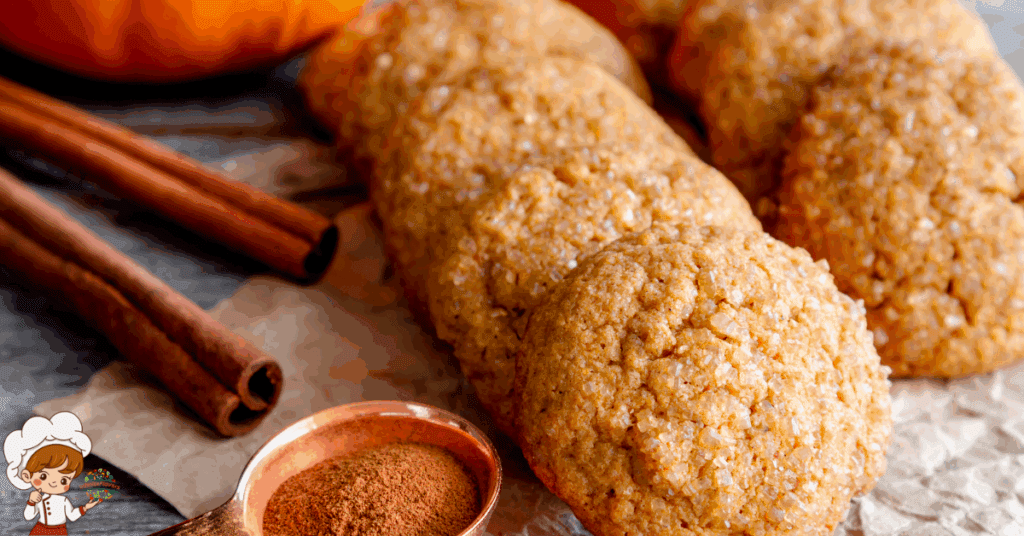
Irresistible Allure of Pumpkin Spice Cookies; Few seasonal treats capture the spirit of autumn like pumpkin spice cookies. Their soft, spiced aroma fills kitchens with warmth, while their rich, earthy sweetness comforts the soul as cooler weather sets in. For many, baking pumpkin spice cookies is as much a ritual of fall as carving pumpkins, sipping spiced lattes, or gathering around Thanksgiving tables. But where did this beloved seasonal cookie come from? What historical journey led to the creation of pumpkin spice and, ultimately, its incorporation into cookies? To truly appreciate the tradition, flavor, and cultural significance of pumpkin spice cookies, we need to explore the intertwined histories of pumpkins, spices, and cookies themselves.
The Ancient Origins of Pumpkin: From Indigenous Traditions to Global Kitchens
The story of pumpkin spice cookies begins with the pumpkin itself. Pumpkins are native to the Americas and were cultivated by Indigenous peoples long before European colonization. Archaeological evidence shows that pumpkins and other squash varieties were domesticated in Central and South America more than 7,000 years ago. Early Indigenous communities roasted, boiled, dried, and ground pumpkins into flour, using them as a dietary staple.
When European explorers arrived in the Americas, they were introduced to pumpkins and quickly brought them back across the Atlantic. Pumpkins were hardy, easy to grow, and versatile in cooking, making them an attractive crop in Europe. However, it was in North America—particularly in the English colonies—that pumpkins became essential to local diets. Colonists used pumpkins to make pies, breads, and puddings, often sweetened with molasses or honey. This was the beginning of pumpkin-based desserts, which would eventually evolve into more refined creations like pumpkin pie and, centuries later, pumpkin spice cookies.
The History of Spice Blends: From Ancient Trade Routes to the Spice Rack
To understand pumpkin spice, we must first consider the history of spices. Spices such as cinnamon, nutmeg, ginger, and cloves were once among the most valuable commodities in the world. Traded along the Silk Road and across maritime routes, these aromatic ingredients fueled global exploration and shaped economies for centuries.
In the Middle Ages, spices were prized not only for their flavor but also for their perceived medicinal qualities. Cinnamon was thought to warm the body, nutmeg was considered an aphrodisiac, and ginger was used to aid digestion. By the Renaissance, spice blends became common in European baking, particularly in festive sweets like gingerbread and spiced cakes.
The pumpkin spice blend we recognize today is a modern American adaptation of these ancient spice traditions. The combination of cinnamon, nutmeg, ginger, and cloves (sometimes with allspice) reflects centuries of culinary experimentation. While these spices were historically used in European desserts, it was the pairing with pumpkin in the United States that cemented their iconic status.
The Birth of Pumpkin Spice in American Baking
Pumpkin and spice first came together in American kitchens during the colonial era. Recipes from the 18th and 19th centuries describe pumpkin puddings, pies, and breads seasoned with cinnamon, ginger, and nutmeg. These early pumpkin-spice pairings reflected both the availability of pumpkins in the New World and the influence of European spice traditions.
By the 19th century, pumpkin pie had become a staple at Thanksgiving celebrations. The spices that complemented pumpkin so well became closely associated with the holiday season. The popularity of pumpkin pie not only solidified pumpkin spice as a quintessential flavor but also created opportunities for innovation in other baked goods, such as cookies, cakes, and bars.
The Rise of Cookies in America
While pumpkins and spice were establishing themselves in American culinary culture, cookies were undergoing their own evolution. The word “cookie” comes from the Dutch word koekje, meaning “little cake.” Dutch settlers brought cookies to America in the 1600s, and the tradition spread across the colonies.
By the 19th century, cookies had become a staple of American households, thanks to the increased availability of sugar, flour, and baking innovations. The invention of baking powder and soda revolutionized cookie-making, allowing for lighter, fluffier textures. Cookbooks from the late 1800s began to feature a wider variety of cookie recipes, including spiced versions that incorporated cinnamon, nutmeg, and cloves.
This intersection—pumpkin, spice, and cookies—was inevitable. By the early 20th century, home bakers began experimenting with pumpkin in cookie recipes, creating the soft, cake-like confections we know today as pumpkin spice cookies.
Pumpkin Spice in Modern Food Culture
The modern explosion of pumpkin spice as a cultural phenomenon is often attributed to the early 2000s and the Starbucks Pumpkin Spice Latte. However, pumpkin spice-flavored baked goods—cookies included—had long been enjoyed in American kitchens before the latte craze. What Starbucks did was popularize pumpkin spice as a seasonal flavor brand, turning it into a marker of autumn itself.
Pumpkin spice cookies benefited greatly from this trend. Once considered a homey, nostalgic treat, they began appearing in bakeries, coffee shops, and grocery store shelves as part of the broader pumpkin spice wave. Today, pumpkin spice cookies are seen as both a classic homemade delight and a commercial favorite, often packaged alongside pumpkin spice breads, donuts, and muffins.
Why Pumpkin Spice Cookies Became a Seasonal Favorite
There are several reasons why pumpkin spice cookies became so beloved. First, they are deeply tied to seasonal nostalgia. The flavors of pumpkin and spice immediately evoke fall traditions, from harvest festivals to Thanksgiving dinners. Second, the cookies themselves offer a comforting, moist texture that pairs beautifully with hot drinks like coffee, cider, or tea. Third, they serve as an accessible way to enjoy pumpkin spice at home, without the complexity of baking a full pie.
These factors combine to make pumpkin spice cookies a symbol of autumn comfort. Whether enjoyed warm from the oven or purchased from a bakery, they embody the flavors, scents, and feelings of the season.
The Global Appeal of Pumpkin Spice Cookies
Though pumpkin spice is often considered quintessentially American, pumpkin and spiced desserts exist worldwide. In Japan, pumpkin (often kabocha squash) is used in sweet buns and cakes. In Latin America, spiced pumpkin candies and desserts are common around Día de los Muertos. In Europe, gingerbread and other spiced cookies have long been traditional.
Pumpkin spice cookies, however, represent a uniquely American fusion. They draw on Indigenous crops, European spice traditions, and modern baking techniques. Their growing popularity abroad demonstrates the universal appeal of warm, spiced flavors combined with the versatility of pumpkin.
The Evolution of Pumpkin Spice Cookies in Today’s Kitchens
Today, pumpkin spice cookies are celebrated in countless variations. Some are soft and cake-like, almost resembling little whoopie pies. Others are chewy and dense, perfect for pairing with cream cheese frosting or chocolate chips. Gluten-free, vegan, and even keto adaptations have made pumpkin spice cookies accessible to wider audiences.
Food bloggers and chefs have also elevated the cookie, experimenting with gourmet twists like browned butter, candied ginger, or stuffed cream cheese centers. While the essence of pumpkin spice remains the same, modern creativity ensures that pumpkin spice cookies continue to evolve.
Cultural Symbolism: More Than Just a Cookie
Pumpkin spice cookies represent more than just a dessert—they symbolize tradition, comfort, and the joy of seasonal change. They are baked for family gatherings, offered as gifts, and shared during holiday celebrations. In many ways, they carry the same cultural weight as pumpkin pie, serving as edible reminders of home, warmth, and belonging.
The rise of pumpkin spice as a cultural phenomenon has only amplified this symbolism. Each autumn, the return of pumpkin spice cookies signals the arrival of a season that many people look forward to all year.
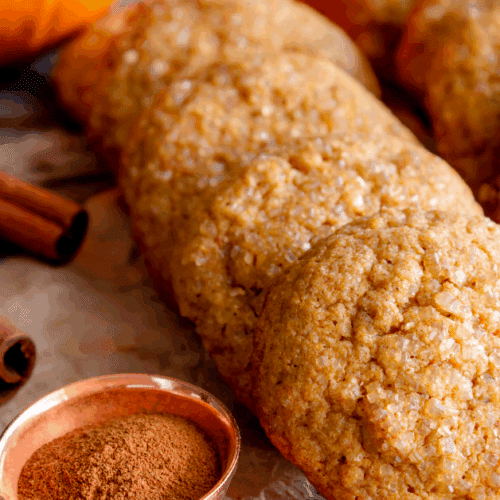
Pumpkin Spice Cookies Recipe
Ingredients
- 1 cup 2 sticks unsalted butter, softened
- 1 cup light brown sugar packed
- 1/2 cup granulated sugar
- 1 cup canned pumpkin purée not pumpkin pie filling
- 1 large egg
- 2 teaspoons pure vanilla extract
- 2 1/2 cups all-purpose flour
- 1 teaspoon baking powder
- 1 teaspoon baking soda
- 1/2 teaspoon salt
- 2 teaspoons ground cinnamon
- 1 teaspoon ground ginger
- 1/2 teaspoon ground nutmeg
- 1/4 teaspoon ground cloves
- 1 1/2 cups white chocolate chips or chopped pecans optional, for texture and flavor
Instructions
- Preheat the Oven
- Set your oven to 350°F (175°C). Line two baking sheets with parchment paper or silicone baking mats to prevent sticking and ensure even baking.
- Cream the Butter and Sugars
- In a large mixing bowl, beat the softened butter, brown sugar, and granulated sugar together using a hand mixer or stand mixer until light and fluffy. This should take about 2–3 minutes and helps create a soft cookie texture.
- Incorporate Wet Ingredients
- Add in the pumpkin purée, egg, and vanilla extract. Beat until everything is well combined. The mixture may look slightly grainy or separated, which is perfectly fine.
- Mix the Dry Ingredients
- In a separate medium bowl, whisk together the flour, baking powder, baking soda, salt, cinnamon, ginger, nutmeg, and cloves. This step ensures the spices are evenly distributed.
- Combine Wet and Dry Mixtures
- Gradually add the dry ingredients to the wet ingredients, mixing just until combined. Do not overmix, as this can make the cookies tough instead of tender.
- Fold in Extras (Optional)
- Gently stir in white chocolate chips or chopped pecans if desired. These add sweetness, creaminess, or crunch to complement the pumpkin spice flavor.
- Scoop the Dough
- Using a cookie scoop or tablespoon, drop rounded spoonfuls of dough onto the prepared baking sheets, leaving about 2 inches of space between each cookie.
- Bake the Cookies
- Bake for 12–15 minutes, or until the cookies are set and the edges are slightly golden. They should remain soft in the center, which gives them their cake-like texture.
- Cool and Enjoy
- Remove the cookies from the oven and let them rest on the baking sheet for 2–3 minutes before transferring them to a wire rack to cool completely.
- Optional Glaze (for Extra Sweetness)
- 1 cup powdered sugar
- 2 tablespoons milk or cream
- 1/2 teaspoon vanilla extract
- Whisk together the powdered sugar, milk, and vanilla until smooth. Drizzle over cooled cookies for a bakery-style finish.
FAQ: Irresistible Allure of Pumpkin Spice Cookies
1. When were pumpkin spice cookies first created?
Pumpkin spice cookies likely originated in the early 20th century when home bakers began experimenting with incorporating pumpkin and traditional pie spices into cookie recipes.
2. Are pumpkin spice cookies an American invention?
Yes, pumpkin spice cookies are uniquely American, though they are influenced by Indigenous pumpkin cultivation, European spice traditions, and the popularity of cookies brought by Dutch settlers.
3. Why are pumpkin spice cookies so popular in autumn?
The flavors of pumpkin and spice are strongly associated with fall harvests, Thanksgiving, and holiday traditions. Their comforting, warming taste makes them especially appealing in cooler months.
4. Do pumpkin spice cookies taste like pumpkin pie?
Yes, pumpkin spice cookies share many of the same flavors as pumpkin pie, thanks to the use of cinnamon, nutmeg, ginger, and cloves. However, cookies often have a lighter, cake-like texture.
5. Can pumpkin spice cookies be made year-round?
Absolutely! While they are most popular in fall, canned pumpkin and pumpkin spice blends are available year-round, making it possible to enjoy these cookies any time.
6. Are pumpkin spice cookies part of the pumpkin spice craze?
Yes, they are one of the most enduring and authentic examples of pumpkin spice desserts, existing long before the pumpkin spice latte trend popularized the flavor in mainstream culture.
7. Are pumpkin spice cookies only made with pumpkin?
Traditionally, yes, but variations exist that use other squashes or even sweet potatoes, though pumpkin remains the most popular base.
8. Do other cultures have similar cookies?
While pumpkin spice cookies are American, other cultures have pumpkin desserts and spiced cookies, though not typically combined in the same way.

Conclusion: The Enduring Legacy of Pumpkin Spice Cookies
Pumpkin spice cookies are more than just a seasonal treat; they are a culinary tradition rooted in history, culture, and nostalgia. From the Indigenous cultivation of pumpkins to the global trade of spices, and from colonial pumpkin puddings to modern kitchen creations, the journey of pumpkin spice cookies reflects centuries of culinary evolution.
Their enduring popularity comes from their ability to connect people to the comforting flavors of autumn. They symbolize family traditions, holiday gatherings, and the universal love of sweet, spiced treats. As pumpkin spice continues to dominate seasonal food culture, pumpkin spice cookies stand out as one of the most authentic and beloved expressions of this flavor craze. Whether baked at home or bought at a bakery, they remain a timeless reminder of the warmth and joy that food can bring.