Great Traditional Korean Drinks And Beverages
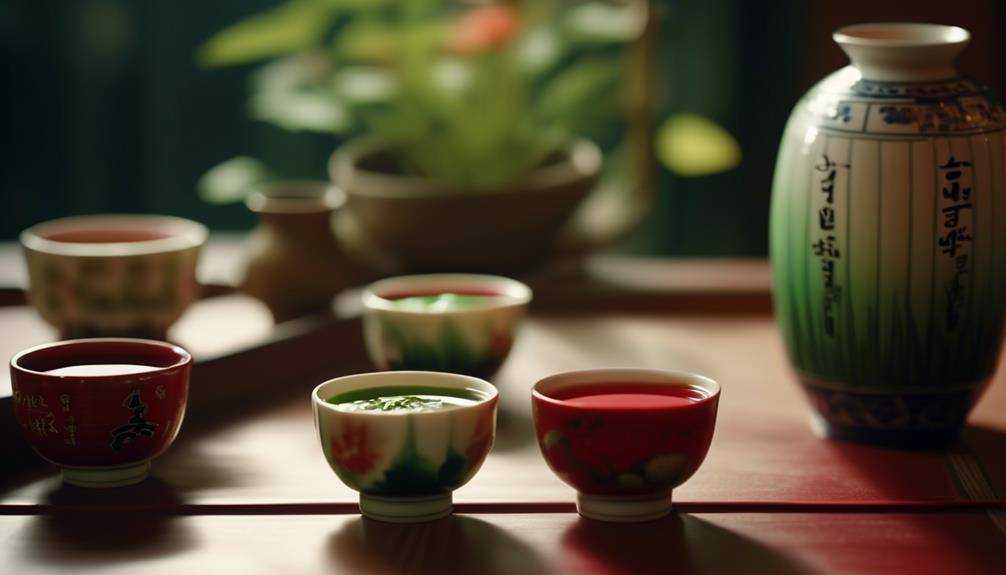
Great Traditional Korean Drinks And Beverages; Step into a world where time slows down and flavors dance upon your palate, as you explore the enchanting realm of traditional Korean drinks and beverages. From centuries-old brewing techniques to the incorporation of unique ingredients, the rich history and cultural significance of these beverages are sure to captivate your senses. But that’s just the beginning; there is so much more to discover about the wide array of traditional Korean drinks and their health benefits. So, get ready to embark on a tantalizing journey as you uncover the secrets of this fascinating world.
History of Korean Drinks
The history of Korean drinks dates back centuries, offering a fascinating glimpse into the rich cultural heritage of the country. Korean drink culture holds immense cultural significance and has played a vital role in shaping the social fabric of Korea. From traditional teas to alcoholic beverages, these drinks have evolved over time while still retaining their cultural essence.
One of the most iconic Korean drinks is makgeolli, a traditional rice wine that has been enjoyed by Koreans for centuries. Made from fermented rice, makgeolli is known for its milky appearance and slightly sweet taste. It holds a special place in Korean culture as it was often used in traditional rituals and ceremonies. Its accessibility and affordability made it a popular choice among the common people.
Another important aspect of Korean drink culture is the prominence of traditional teas. Korean teas, such as green tea and barley tea, have been an integral part of Korean daily life. These teas are not only enjoyed for their taste but also for their medicinal properties and health benefits. For example, green tea is known for its antioxidant properties and is often consumed for its detoxifying effects.
In addition to traditional teas, Korea is also known for its unique alcoholic beverages, such as soju and makgeolli. Soju, a clear distilled liquor, is the most popular alcoholic beverage in Korea. It is often consumed during social gatherings and is considered a symbol of friendship and camaraderie. Makgeolli, on the other hand, is a traditional rice wine that is slightly fizzy and has a tangy flavor. It is often paired with Korean street food and is enjoyed by people of all ages.
Types of Traditional Korean Liquors
With a deep-rooted history of traditional drinks, it is fascinating to explore the diverse range of traditional Korean liquors that have been cherished for centuries. These liquors are not only a testament to the skill and craftsmanship of Korean brewers but also carry immense cultural significance. Using traditional brewing methods passed down through generations, these liquors have become an integral part of Korean celebrations and rituals.
Here are five traditional Korean liquors that are worth mentioning:
- Makgeolli: This milky-white rice wine is a favorite among Koreans. Made by fermenting a mixture of rice, water, and nuruk (a fermentation starter), Makgeolli has a slightly sweet and tangy taste. It is often enjoyed in social gatherings and is known for its low alcohol content.
- Soju: Considered the most popular liquor in Korea, Soju is a clear distilled spirit made from rice, wheat, or barley. It has a clean and smooth flavor, and its alcohol content can range from 16% to 53%. Soju is commonly consumed during festive occasions and is often used as a base for cocktails.
- Baekseju: This medicinal liquor is made from a blend of herbs, rice, and honey. With its unique herbal aroma and sweet taste, Baekseju is believed to have health benefits. It is usually served as a digestif and is considered a traditional remedy for various ailments.
- Cheongju: Known as “clear liquor,” Cheongju is a rice wine made from fermented rice without any additives. It has a delicate and crisp flavor, with a slightly sweet aftertaste. Cheongju is often enjoyed on special occasions and is considered a symbol of purity and refinement.
- Sujeonggwa: While not a traditional liquor in the strictest sense, Sujeonggwa is a traditional Korean punch made from cinnamon, ginger, dried persimmons, and brown sugar. It is typically served cold and is known for its refreshing and spicy taste.
These traditional Korean liquors not only showcase the rich brewing heritage of Korea but also hold immense cultural significance. Whether it’s the beloved Makgeolli or the iconic Soju, each liquor has a distinct flavor profile that reflects the craftsmanship and tradition behind its production. So, the next time you have the opportunity to try a traditional Korean liquor, savor it, and appreciate the centuries-old brewing methods that went into its creation.
Popular Non-Alcoholic Korean Beverages
If you’re looking to explore the vibrant world of Korean beverages without the alcohol, there are a variety of popular non-alcoholic options to quench your thirst. While traditional Korean drinks often involve alcohol, there are many alternatives that offer unique flavors and cultural significance. One popular choice is Korean tea, which has a long history and is often enjoyed during traditional Korean tea ceremonies.
Korean tea ceremonies are a cultural practice that dates back centuries and are still performed today. These ceremonies involve the preparation and serving of tea, with a focus on mindfulness and appreciation of the tea’s aroma, flavor, and appearance. Some popular types of Korean tea include green tea, barley tea, and citron tea. Green tea, known as nokcha, is made from the leaves of the Camellia sinensis plant and is known for its earthy and refreshing taste. Barley tea, called boricha, is a caffeine-free option that has a nutty flavor and is commonly consumed during meals. Citron tea, called yuja cha, is made from the citrus fruit yuja and has a sweet and tangy taste.
In addition to traditional Korean tea ceremonies, there are also popular modern twists on traditional drinks. One example is the Korean fruit punch, called sujeonggwa. This drink is made by simmering cinnamon, ginger, and dried persimmons in water, and is then sweetened with sugar or honey. It has a unique flavor profile that is both sweet and spicy, making it a popular choice among locals and tourists alike.
Whether you’re interested in experiencing the tranquility of a Korean tea ceremony or trying a modern twist on a traditional drink, the world of non-alcoholic Korean beverages has something for everyone. These drinks not only offer delightful flavors but also provide a glimpse into the rich cultural heritage of Korea. So, sit back, relax, and enjoy a refreshing sip of Korea’s non-alcoholic delights.
Health Benefits of Korean Tea
When it comes to Korean tea, there are several health benefits that you should know about. Firstly, Korean tea is known for its detoxification properties, helping to cleanse your body and improve digestion. Additionally, Korean tea is packed with immune-boosting antioxidants that can help enhance your overall well-being. Lastly, drinking Korean tea can have stress-relieving effects, providing a calming and soothing experience for both your mind and body. So, whether you’re looking to detoxify, boost your immune system, or unwind after a long day, Korean tea is an excellent choice.
Tea for Detoxification
What are the health benefits of Korean tea for detoxification? Korean tea has long been known for its detoxifying properties, helping to cleanse and rejuvenate the body. Here are some key benefits you can experience by incorporating Korean tea into your detox routine:
- Boosts metabolism: Korean tea can help increase your metabolism, aiding in weight loss and improving digestion.
- Flushes out toxins: Drinking Korean tea regularly can help flush out harmful toxins from your body, promoting overall wellness.
- Replenishes electrolytes: Korean tea contains essential minerals that can help replenish electrolytes, keeping your body hydrated and balanced.
- Supports liver function: Korean tea can support liver health by promoting detoxification processes and reducing inflammation.
- Calms the mind: Korean tea is known for its calming properties, helping to reduce stress and improve mental clarity.
Incorporating Korean tea into your detox routine can provide numerous health benefits, supporting your overall well-being. Whether enjoyed as part of traditional tea ceremonies or through various tea recipes, Korean tea is a valuable addition to any detoxification regimen.
Immune-Boosting Properties
Korean tea offers a range of immune-boosting properties that can enhance your overall health and well-being. Traditional Korean tonics are known for their ability to strengthen the immune system and protect against various illnesses. These immune-boosting recipes often include ingredients such as ginseng, ginger, and honey, which have been used for centuries in Korean medicine for their therapeutic properties.
Ginseng, in particular, is renowned for its immune-enhancing effects and is often incorporated into teas to promote vitality and resilience. Ginger, on the other hand, is known for its anti-inflammatory properties and can help to alleviate symptoms of colds and flu. With their rich history and natural ingredients, these traditional Korean tonics can provide a delicious and effective way to support your immune system and maintain optimal health.
Stress-Relieving Effects
With its ability to enhance your overall well-being and support your immune system, Korean tea also offers stress-relieving effects that can promote a sense of calm and relaxation. When life gets overwhelming, incorporating Korean tea into your routine can help alleviate stress and provide a much-needed break. Here are five ways Korean tea can aid in stress management and relaxation techniques:
- The warm aroma and soothing flavors of Korean tea can create a comforting atmosphere, helping you unwind after a long day.
- The act of sipping tea can be a mindfulness practice, allowing you to focus on the present moment and let go of stress.
- Certain compounds found in Korean tea, such as L-theanine, have been shown to promote relaxation and reduce anxiety.
- Taking a break to enjoy a cup of tea can provide a moment of self-care and allow you to prioritize your mental well-being.
- Korean tea rituals, such as the traditional tea ceremony, can provide a sense of ritual and tranquility, further enhancing its stress-relieving effects.
Incorporating Korean tea into your daily routine can be a simple yet effective way to manage stress and promote relaxation.
Traditional Brewing Techniques
In the realm of Korean drinks and beverages, the art of traditional brewing techniques takes center stage, showcasing a meticulous process that yields rich, complex flavors and a nod to cultural heritage. Traditional Korean brewing methods have been honed over centuries, passed down from generation to generation, and are still used today to create some of the most beloved Korean drinks.
One of the key elements in traditional Korean brewing is the fermentation process. Fermentation is a natural process where microorganisms, such as yeast or bacteria, break down complex substances into simpler ones, resulting in the production of alcohol, carbon dioxide, or other byproducts. In the context of traditional Korean drinks, fermentation plays a crucial role in developing unique flavors and textures.
Korean brewers have mastered the art of fermentation, using various techniques to create a wide range of drinks. The fermentation process may involve the use of specific ingredients, such as rice, barley, or fruits, which are carefully selected and prepared to achieve the desired flavor profile. Temperature control is also essential, as slight variations can significantly affect the fermentation process and the final product.
One well-known traditional brewing technique in Korea is the “onngi” fermentation method. Onngi refers to the traditional earthenware jars used for fermenting beverages. These jars are porous, allowing air to circulate while maintaining a stable temperature. The onngi fermentation method is often used for making traditional rice wines like makgeolli and cheongju, as well as other fermented drinks like sikhye, a sweet rice beverage.
Unique Ingredients in Korean Drinks
Get ready to explore the intriguing world of Korean drinks and their unique ingredients. From exotic tea blends to medicinal herbal infusions, Korean beverages offer a wide array of flavors and health benefits. These drinks are crafted with precision and care, using ingredients that have been cherished for centuries in Korean culture. So, let’s embark on a flavorful journey and discover the fascinating ingredients that make Korean drinks truly one-of-a-kind.
Exotic Tea Blends
Exotic tea blends in Korean drinks captivate the palate with their unique ingredients, offering a delightful and intriguing experience for tea enthusiasts. These blends are carefully crafted using traditional brewing methods that have been passed down through generations. Here are five examples of exotic tea blends that will transport you to the vibrant world of Korean tea:
- Mugwort Tea: Known for its earthy aroma and slightly bitter taste, mugwort tea is believed to have medicinal properties and is often consumed for its calming effects.
- Persimmon Leaf Tea: Made from the leaves of the persimmon tree, this tea has a delicate sweetness and is rich in antioxidants, making it a popular choice for promoting digestive health.
- Bamboo Leaf Tea: With its refreshing and grassy flavor, bamboo leaf tea is known for its detoxifying properties and is often consumed to improve metabolism and boost energy levels.
- Corn Silk Tea: Made from the silky fibers found on corn cobs, this tea has a mild and slightly sweet taste. It is believed to have diuretic properties and is often consumed to promote urinary tract health.
- Lotus Leaf Tea: This tea has a subtle floral aroma and a refreshing taste. It is often enjoyed for its ability to aid digestion and promote weight loss.
Each of these exotic tea blends offers a unique and flavorful experience, showcasing the diversity and creativity of Korean tea culture.
Medicinal Herbal Infusions
With a rich tradition of herbal remedies and natural healing, Korean drinks incorporate unique ingredients in their medicinal herbal infusions, providing a holistic approach to wellness. These medicinal herbal infusions are deeply rooted in traditional healing methods, passed down through generations. The natural remedies used in these drinks are carefully selected for their therapeutic properties and are believed to promote overall health and well-being.
One popular ingredient used in Korean medicinal herbal infusions is ginseng. Ginseng is known for its adaptogenic properties, which help the body adapt to stress and boost energy levels. Another common ingredient is ginger, which is believed to aid digestion and relieve nausea. Other herbs and plants like jujube, cinnamon, and licorice root are also commonly used for their various medicinal benefits.
These medicinal herbal infusions are not only enjoyed for their taste but are also valued for their potential health benefits. By incorporating these natural remedies into their beverages, Koreans embrace a holistic approach to wellness, taking care of their bodies from the inside out.
Frequently Asked Questions: Great Traditional Korean Drinks And Beverages
What Are Some Popular Traditional Korean Drinks That Can Be Enjoyed Without Alcohol?
If you’re looking for non-alcoholic Korean beverages, there are plenty of traditional options to try. From refreshing teas like omija and yuja to savory drinks like sikhye, you can explore the rich flavors of traditional Korean drinks.
Are There Any Health Benefits Associated With Drinking Korean Tea?
Drinking Korean tea offers numerous health benefits, such as improving digestion, boosting the immune system, and reducing stress. Additionally, Korean tea holds significant cultural importance in traditional ceremonies, symbolizing harmony and respect.
How Did Traditional Brewing Techniques Contribute to the Development of Korean Drinks?
The ancient brewing techniques in Korea played a significant role in the development of traditional drinks. The fermentation process was crucial in creating unique flavors and enhancing the health benefits of these beverages.
What Are Some Unique Ingredients Used in Traditional Korean Drinks?
Some unique ingredients used in traditional Korean drinks are ginger, jujube, and pine needles. These ingredients contribute to the flavor profiles by adding a spicy, sweet, and refreshing taste to the beverages.
Are There Any Traditional Korean Drinks That Have a Long History but Are Not Widely Known Outside of Korea?
There are indeed traditional Korean drinks with medicinal properties and lesser known fermented beverages in Korea that have a long history but are not widely known outside of Korea.

Conclusion
In conclusion, traditional Korean drinks and beverages offer a rich history, diverse flavors, and numerous health benefits. From traditional liquors like soju and makgeolli to refreshing non-alcoholic options like sikhye and sujeonggwa, there is something for everyone to enjoy. These drinks are not only delicious but also showcase the unique brewing techniques and ingredients that make Korean beverages stand out. Whether you’re looking for a refreshing beverage or a cultural experience, exploring traditional Korean drinks is a must.