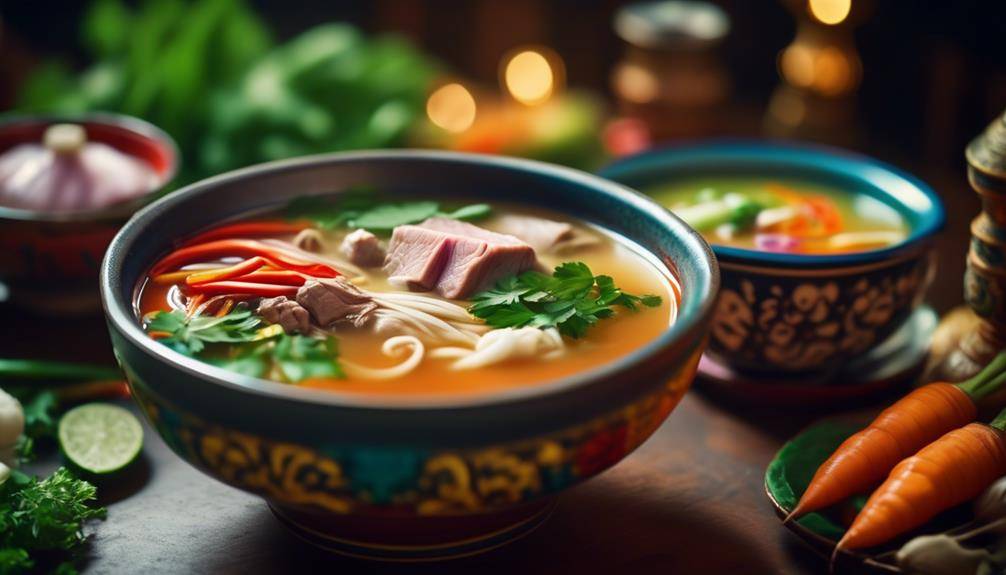
Great Traditional Korean Soups And Stews For A Hearty Meal
Korean Soups And Stews For A Hearty Meal; Did you know that traditional Korean soups and stews are not only delicious but also a staple in Korean cuisine? With a rich history dating back centuries, these hearty dishes have become a symbol of comfort and nourishment. From the fiery spiciness of Yukgaejang Soup to the comforting flavors of Galbitang Beef Stew, there is something for everyone to enjoy.
So, if you’re looking to explore the world of Korean cuisine and savor the comforting warmth of a hearty meal, join us as we take a closer look at some of the most popular traditional Korean soups and stews. You won’t want to miss out on the flavors that await you.
Classic Kimchi Jjigae
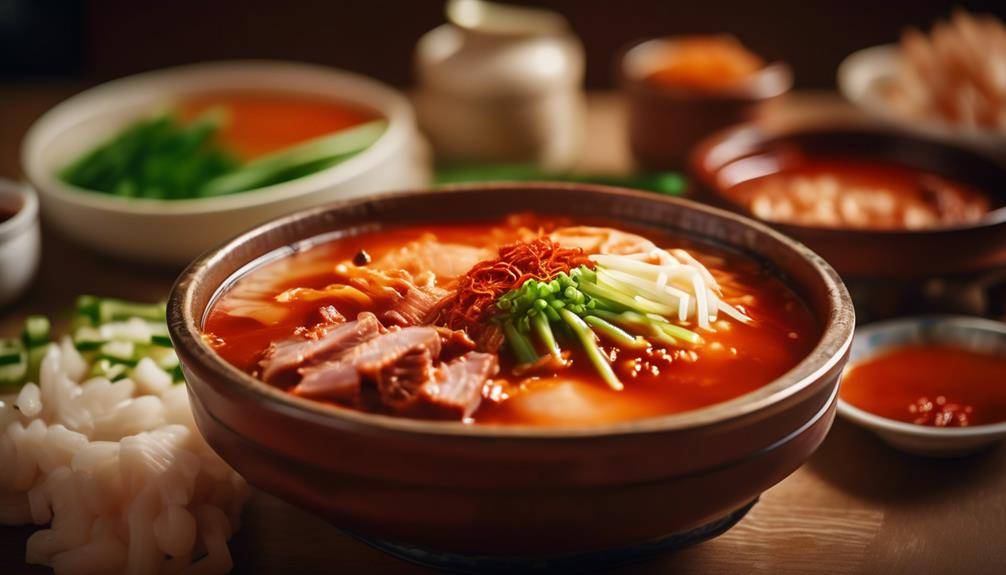
If you’re a fan of spicy and flavorful Korean cuisine, Classic Kimchi Jjigae is a must-try dish that will tantalize your taste buds. This traditional Korean stew is bursting with bold and tangy flavors that will leave you craving for more. Made with fermented cabbage, pork, tofu, and an array of seasonings, this dish is a staple in Korean households and is often enjoyed during cold winter months.
The star ingredient of this dish is the classic kimchi, a fermented cabbage that is known for its distinctive tangy and spicy taste. The kimchi is combined with tender pieces of pork, creating a rich and savory broth that is the base of the stew. The addition of tofu adds a soft and silky texture, while the seasonings of garlic, ginger, and soy sauce enhance the overall flavor profile.
One of the fascinating aspects of Classic Kimchi Jjigae is its ability to be customized according to personal preferences. Some variations of this dish include adding seafood such as shrimp or clams, or even incorporating other vegetables like mushrooms or zucchini. No matter the variation, the traditional flavors of the kimchi remain at the forefront, providing a delightful combination of spicy, sour, and umami flavors.
To truly experience the authentic taste of Korean cuisine, Classic Kimchi Jjigae is a dish that should not be missed. Its bold and robust flavors, coupled with its rich cultural heritage, make it a beloved dish among Koreans and food enthusiasts alike. So, grab a spoon and get ready to indulge in the delightful flavors of this classic Korean stew.
Spicy Yukgaejang Soup
Spice up your taste buds with the fiery and invigorating flavors of Spicy Yukgaejang Soup, a Korean dish that will leave you craving for more. This traditional soup is made with shredded beef, vegetables, and a spicy broth that will warm you up from the inside out. The combination of ingredients creates a rich and robust flavor that is both comforting and satisfying.
Here are some cooking variations and health benefits of Spicy Yukgaejang Soup:
- Cooking Variations:
- You can customize the level of spiciness by adjusting the amount of gochujang (Korean chili paste) and gochugaru (Korean chili flakes).
- Some variations include adding mushrooms, tofu, or bean sprouts for added texture and flavor.
- You can also use different types of meat such as chicken or pork instead of beef for a different twist on the dish.
- Health Benefits:
- The spicy broth of Yukgaejang Soup is believed to have detoxifying properties and can help with digestion.
- The combination of beef and vegetables provides a good source of protein, vitamins, and minerals.
- The soup is also low in calories and fat, making it a healthy option for those watching their weight.
- The spices in the soup, such as gochujang and gochugaru, have been found to have anti-inflammatory and antioxidant properties.
- The soup is also known to boost the immune system and improve blood circulation.
Hearty Galbitang Beef Stew
Get ready to learn all about the delicious and satisfying Galbitang Beef Stew. This hearty dish is made with tender beef short ribs, simmered to perfection in a flavorful broth. You’ll discover the key ingredients and steps to prepare this Korean favorite, as well as how to serve and enjoy it. So, let’s dive into the world of Galbitang and get ready to tantalize your taste buds.
Ingredients and Preparation
To create a delicious and satisfying Hearty Galbitang Beef Stew, gather the essential ingredients and follow this simple preparation method. This traditional Korean soup is not only rich in flavor but also offers numerous health benefits. Here’s how you can make it:
- Start by simmering beef short ribs in a pot of water with garlic and ginger for a few hours to create a flavorful broth.
- Skim off any impurities that rise to the surface during the simmering process.
- Remove the beef from the broth, shred it into bite-sized pieces, and set it aside.
- Add vegetables like radish, onion, and mushrooms to the broth and cook until they are tender.
- Finally, return the shredded beef to the pot and season the stew with soy sauce, salt, and pepper to taste.
Cooking and Serving Instructions
To cook and serve your Hearty Galbitang Beef Stew, follow these simple steps for a delicious and satisfying meal. First, gather your ingredients: beef short ribs, onion, garlic, ginger, Korean radish, and green onions. In a large pot, add the beef ribs and cover with water. Bring to a boil, then reduce the heat and simmer for 1 to 1.5 hours until the meat is tender. Skim off any impurities that rise to the surface.
Next, add the onion, garlic, ginger, and Korean radish to the pot and continue simmering for another 30 minutes. Remove the beef ribs and shred the meat, discarding the bones. Return the shredded meat to the pot and season with salt and pepper to taste. Serve your Hearty Galbitang Beef Stew hot, garnished with sliced green onions. Enjoy this comforting Korean stew with a side of steamed rice and kimchi for a complete meal.
Comforting Seolleongtang Soup
When looking for a comforting and nourishing soup, few options can compare to the rich and flavorful Seolleongtang Soup. This traditional Korean soup is made by simmering beef bones for hours until they release their rich flavors and nutrients. The result is a silky and milky broth that is both comforting and satisfying.
Here are some variations of Seolleongtang that you can try:
- Ox bone Seolleongtang: This is the classic version of the soup, made with beef bones and brisket. The bones are simmered for several hours to create a rich and flavorful broth. The brisket is then sliced thinly and added to the soup, along with some green onions and salt for seasoning.
- Yukgaejang Seolleongtang: This is a spicy variation of Seolleongtang, made with the addition of shredded beef, vegetables, and spicy seasonings like gochujang (Korean chili paste) and gochugaru (Korean chili flakes). It adds a kick of heat and a depth of flavor to the soup.
- Yukgaejang Seolleongtang: This variation of Seolleongtang is made with sliced beef, mushrooms, and vegetables like radish and zucchini. It is a lighter version of the soup, perfect for those who prefer a milder taste.
- Seafood Seolleongtang: This variation of Seolleongtang is made with seafood like clams, shrimp, and squid, along with vegetables like cabbage and bean sprouts. It has a lighter and fresher taste compared to the traditional beef-based soup.
- Mung bean Seolleongtang: This variation of Seolleongtang is made with mung beans, which gives the soup a slightly sweet and nutty flavor. It is a vegetarian-friendly option that is still packed with nutrients and flavors.
No matter which variation you choose, Seolleongtang Soup is a comforting and nourishing option that will warm your heart and soul. So go ahead and give it a try!
Flavorful Doenjang Jjigae
If you’re ready to explore another delicious and comforting Korean soup, get ready to indulge in the flavorful Doenjang Jjigae. This traditional soup is made with doenjang, a fermented soybean paste that is rich in flavor and packed with health benefits.
Doenjang Jjigae is a savory soup that is commonly enjoyed in Korean households. It is made by simmering doenjang with various vegetables, tofu, and sometimes meat or seafood. The result is a hearty and flavorful dish that is perfect for warming up on a cold day.
One of the key ingredients in Doenjang Jjigae is doenjang, which is a staple in Korean cuisine. It is made by fermenting soybeans with salt and water, resulting in a thick paste with a complex and deep flavor. Doenjang is not only delicious but also has numerous health benefits. It is rich in protein, vitamins, and minerals, and is known to promote gut health and digestion.
In addition to doenjang, Doenjang Jjigae typically includes a variety of vegetables such as onions, garlic, zucchini, and mushrooms. These vegetables not only add flavor and texture to the soup but also provide a range of nutrients. The soup is often garnished with green onions or sesame oil for added aroma and taste.
Whether you’re a fan of Korean cuisine or looking to try something new, Doenjang Jjigae is a must-try dish. Its flavorful broth and nutritious ingredients make it a satisfying and comforting meal. So, grab a bowl, enjoy the rich flavors, and reap the health benefits of Doenjang Jjigae.
Nourishing Samgyetang Chicken Soup
Are you looking for a nourishing and comforting soup that is packed with health benefits? Look no further than samgyetang, a traditional Korean chicken soup. Made with a whole chicken stuffed with glutinous rice, ginseng, and other medicinal herbs, this soup is not only delicious but also known for its rejuvenating properties. Learn about the traditional ingredients used and cooking techniques to make the perfect bowl of samgyetang.
Health Benefits of Samgyetang
Samgyetang, also known as Nourishing Samgyetang Chicken Soup, offers a multitude of health benefits that make it a popular choice among Korean cuisine enthusiasts.
- The benefits of ginseng in samgyetang are numerous. Ginseng is known for its immune-boosting properties, helping to strengthen the body’s defense against illnesses and diseases.
- Samgyetang is best enjoyed during the summer season, as it helps to cool down the body and replenish lost fluids and electrolytes due to excessive sweating.
- The chicken used in samgyetang is rich in protein, which aids in muscle growth and repair.
- The soup is also packed with nutrients from the various herbs and vegetables used in its preparation, providing a well-balanced meal.
- Samgyetang is believed to have medicinal properties, such as improving digestion, promoting blood circulation, and enhancing overall vitality.
With its delicious taste and numerous health benefits, it’s no wonder that samgyetang is a beloved dish in Korean cuisine. So, why not treat yourself to a nourishing bowl of samgyetang and enjoy the goodness it brings to your body?
Traditional Ingredients Used
Traditional ingredients play a crucial role in creating the nourishing and flavorful experience of Samgyetang Chicken Soup. This traditional Korean dish is known for its health benefits and delicious taste. The main ingredients used in Samgyetang include a whole young chicken, glutinous rice, garlic, ginger, and Korean ginseng. These ingredients are carefully selected to create a balanced and nourishing meal. The chicken is stuffed with glutinous rice, which absorbs the flavors of the soup and adds a delightful texture.
The soup is simmered for hours using traditional cooking methods to extract the maximum flavor and nutrients from the ingredients. Regional variations of Samgyetang may include additional ingredients such as jujubes, chestnuts, and pine nuts, adding a unique twist to the dish. Each ingredient plays a vital role in creating a wholesome and satisfying bowl of Samgyetang.
Cooking Techniques and Tips
To achieve a nourishing and flavorful bowl of Samgyetang Chicken Soup, mastering the proper cooking techniques and following a few helpful tips is essential. Here are some cooking techniques and flavor combinations that will take your soup to the next level:
- Simmer the chicken: Cooking the chicken on a low heat for a long time will result in tender and juicy meat.
- Stuff the chicken: Fill the cavity of the chicken with a mixture of garlic, ginger, and rice to infuse the soup with incredible flavors.
- Use a whole chicken: The bones and skin add richness to the broth, making it more flavorful.
- Add ginseng: This traditional Korean herb adds a unique earthy taste and is believed to have medicinal properties.
- Garnish with green onions: Adding chopped green onions on top of the soup enhances the freshness and adds a pop of color.
Satisfying Budae Jjigae Army Stew
For a truly satisfying and hearty meal, indulge in the mouthwatering flavors of Budae Jjigae Army Stew. This popular Korean dish is a fusion of American and Korean cuisine, with a unique history that dates back to the Korean War. Budae Jjigae, also known as “Army Base Stew,” was created by resourceful Koreans who used surplus food from U.S. military bases to create a delicious and filling meal.
One of the great things about Budae Jjigae is that there are alternative variations to suit different tastes. Traditional ingredients include spam, hot dogs, instant noodles, kimchi, tofu, and vegetables. However, you can also find variations with additional ingredients such as sausages, cheese, mushrooms, or seafood. This allows you to customize the stew according to your preferences and experiment with different flavors.
When enjoying Budae Jjigae, there are recommended side dishes that pair well with the stew. Some popular options include steamed rice, Korean pancakes (buchimgae), or a variety of banchan (side dishes) like kimchi, pickled radish, or soybean sprouts. These side dishes complement the rich and savory flavors of the stew, creating a balanced and satisfying meal.
The beauty of Budae Jjigae lies not only in its delicious taste but also in its cultural significance. It represents the resilience and adaptability of the Korean people during challenging times. So, the next time you crave a comforting and filling meal, give Budae Jjigae a try. You won’t be disappointed by the explosion of flavors and the unique history that comes with each spoonful.
Fragrant Miyeok Guk Seaweed Soup
Indulge in the fragrant and nourishing flavors of Miyeok Guk Seaweed Soup, a delightful continuation of your culinary exploration into Korean soups and stews. This traditional Korean soup, made with seaweed, is not only delicious but also offers a range of health benefits.
Here are some variations of Miyeok Guk that you can try:
- Beef Miyeok Guk: This version adds tender slices of beef to the soup, enhancing the flavor and adding protein to the dish.
- Seafood Miyeok Guk: For seafood lovers, this variation includes ingredients like shrimp, clams, and squid, creating a delightful medley of flavors from the sea.
- Mushroom Miyeok Guk: If you prefer a vegetarian option, this version uses various types of mushrooms, such as shiitake and oyster mushrooms, to give the soup a hearty and earthy taste.
- Tofu Miyeok Guk: Adding soft tofu to the soup gives it a creamy texture and adds an extra layer of protein and nutrients.
- Kimchi Miyeok Guk: This variation combines the tangy and spicy flavors of kimchi with the umami taste of seaweed, creating a unique and flavorful soup.
Apart from its delicious taste, Miyeok Guk also offers several health benefits. It is rich in vitamins and minerals, including iodine, calcium, and iron. Seaweed is known for its detoxifying properties and its ability to support a healthy immune system. Additionally, Miyeok Guk is low in calories and high in fiber, making it a nutritious and satisfying option for a meal.
Savory Sundubu Jjigae Tofu Stew
Immerse yourself in the rich and comforting flavors of Savory Sundubu Jjigae Tofu Stew, a delightful Korean dish that will warm your soul. This traditional Korean stew combines silky tofu with a spicy and savory broth, creating a hearty and satisfying meal. Sundubu Jjigae is known for its versatility, allowing you to customize it with various ingredients and cooking techniques to suit your taste.
To start, the key ingredient of this stew is sundubu, which is soft and creamy tofu. It is important to use fresh tofu that has a delicate texture and can absorb the flavors of the broth. The stew is typically cooked in a traditional Korean earthenware pot called a ttukbaegi, which helps retain heat and infuse the dish with a smoky flavor.
The base of the stew is made with a combination of gochujang, a fermented chili paste, and gochugaru, a Korean red pepper powder. These ingredients give the stew its signature spiciness and depth of flavor. Other common additions include seafood such as clams, shrimp, or mussels, as well as vegetables like mushrooms, zucchini, or spinach. You can also add meat like pork or beef to make it heartier.
Sundubu Jjigae can be adapted to suit various dietary restrictions and preferences. For vegetarians, you can omit the meat and seafood and add more vegetables or tofu. If you prefer a milder version, you can reduce the amount of gochujang and gochugaru. The stew can also be made with a clear broth instead of the spicy red broth, known as haemul jjigae.
Delicious Manduguk Dumpling Soup
Now, let’s turn our attention to the delectable flavors of Delicious Manduguk Dumpling Soup, a Korean dish that will leave you craving for more. This soul-warming soup is made with hearty dumplings floating in a rich, savory broth that will warm you up from the inside out. Here are some mandu making tips and variations of manduguk to enhance your culinary experience:
- Mandu Making Tips: Making the perfect dumplings is an art form, but with a few tips, you’ll be a pro in no time. Start by using a mixture of ground pork, beef, or tofu as the filling. Add finely chopped vegetables like cabbage, onions, and garlic for extra flavor. When sealing the dumplings, make sure to press the edges firmly to prevent any leaks during cooking. It’s also important to cook the dumplings in boiling water until they float to ensure they are fully cooked.
- Variations of Manduguk: While the classic manduguk features dumplings in a clear beef broth, there are several variations that you can try. For a heartier version, add sliced rice cakes and vegetables like spinach or mushrooms. You can also make a seafood manduguk by using shrimp or fish dumplings in a flavorful seafood broth. Another popular variation is the kimchi manduguk, which combines the tangy, spicy flavors of kimchi with the comforting dumplings.
Whether you’re a novice or an experienced cook, manduguk dumpling soup is a dish that you’ll love. With these mandu making tips and variations, you can customize the soup to your preferences and create a truly memorable meal. So, gather your ingredients, roll up your sleeves, and get ready to enjoy a bowl of piping hot manduguk that will warm your heart and satisfy your cravings.
Wholesome Gamjatang Pork Bone Stew
For an incredibly satisfying and nourishing dish, look no further than the Wholesome Gamjatang Pork Bone Stew. Gamjatang, which translates to “potato stew,” is a popular Korean dish known for its rich flavors and hearty ingredients. This traditional soup is made by simmering pork bones with vegetables and spices, resulting in a delicious and comforting meal.
Gamjatang comes in various variations, with each region and household having their own unique recipe. Some variations include adding additional ingredients like tofu, mushrooms, or kimchi to enhance the flavors. The dish is typically served with a side of rice and accompanied by various banchan, or side dishes, to create a complete and balanced meal.
Aside from its delicious taste, gamjatang also offers numerous health benefits. The pork bones used in the stew are rich in collagen, which can improve skin elasticity and joint health. Additionally, the slow simmering process extracts nutrients from the bones, resulting in a broth that is packed with vitamins and minerals. The addition of vegetables like potatoes, cabbage, and carrots further enhances the nutritional value of the dish.
Not only is gamjatang a satisfying meal, but it is also a wonderful way to warm up during the colder months. The combination of tender pork, hearty vegetables, and flavorful broth creates a comforting and nourishing experience. So, if you’re looking for a wholesome and delicious dish that will leave you feeling satisfied and nourished, give gamjatang a try. You won’t be disappointed.
Spicy Nakji Bokkeum Tang Octopus Stew
If you’re ready to explore another delectable Korean dish, get ready to experience the fiery and flavorful Spicy Nakji Bokkeum Tang Octopus Stew. This traditional Korean soup is known for its bold flavors and tender octopus. Here are some cooking tips and health benefits to consider when preparing and enjoying this delicious dish:
- Cooking Tips:
- Make sure to clean the octopus thoroughly before cooking to remove any sand or grit.
- Marinate the octopus in a spicy sauce for at least 30 minutes to allow the flavors to penetrate the meat.
- Use a heavy-bottomed pot to ensure even cooking and prevent the stew from burning.
- Adjust the level of spiciness to your preference by adding more or less chili pepper flakes.
- Serve the stew with a side of steamed rice and kimchi for a complete and satisfying meal.
- Health Benefits:
- Octopus is a great source of protein, low in fat, and rich in vitamins and minerals such as vitamin B12, iron, and zinc.
- The spicy sauce in the stew contains capsaicin, which has been shown to boost metabolism and aid in weight loss.
- The combination of spices and ingredients in this stew can help improve digestion and promote overall gut health.
- Octopus is also known to contain taurine, an amino acid that may have potential benefits for cardiovascular health.
Rich and Tangy Oxtail Soup
To indulge in a rich and tangy oxtail soup, prepare yourself for a comforting bowl of tender meat and flavorful broth. The key to this delicious dish lies in the rich oxtail broth, which is made by simmering oxtail bones for hours until they release their deep, meaty flavors. The result is a broth that is both savory and slightly tangy, thanks to the addition of ingredients like soy sauce, garlic, and ginger.
There are several variations of cooking oxtail soup, each with its own unique twist. In some recipes, vegetables like carrots, potatoes, and onions are added to the broth, imparting their flavors and textures to the soup. Other variations call for the addition of spices like star anise or cinnamon, which lend a subtle warmth to the dish. Some recipes even include rice cakes or glass noodles to make the soup heartier and more filling.
To make a rich and tangy oxtail soup, start by browning the oxtail pieces in a pot to enhance their flavor. Then, add water, soy sauce, garlic, ginger, and any other desired seasonings. Let the soup simmer on low heat for several hours, allowing the oxtail bones to release their rich flavors into the broth. Skim off any impurities that rise to the surface and adjust the seasoning to taste.
Once the oxtail meat is tender and falling off the bones, the soup is ready to be enjoyed. Serve it piping hot in bowls, garnished with chopped green onions or cilantro for a fresh burst of flavor. The rich and tangy oxtail soup is a hearty and satisfying dish that will warm you from the inside out.
Frequently Asked Questions: Korean Soups And Stews For A Hearty Meal
What Are the Main Ingredients Used in Traditional Korean Soups and Stews?
In traditional Korean soups and stews, the main ingredients vary depending on the dish. From hearty beef-based soups to spicy kimchi stews, there is something for everyone, regardless of dietary restrictions.
Are These Soups and Stews Commonly Consumed for Specific Occasions or Seasons in Korea?
Traditional Korean soups and stews are not only delicious but also hold cultural significance. They are commonly consumed throughout the year, with specific dishes being enjoyed during certain seasons or occasions.
Can These Traditional Korean Soups and Stews Be Easily Altered to Accommodate Dietary Restrictions or Preferences?
You’ll be delighted to know that these traditional Korean soups and stews can easily be customized to suit your dietary needs and preferences. With easily customizable recipes and creative ingredient substitutions, you can enjoy a hearty meal without any restrictions.
Are There Any Specific Health Benefits Associated With Consuming Traditional Korean Soups and Stews?
There are numerous health benefits associated with consuming traditional Korean soups and stews. They are packed with nutrients, promote digestion, boost the immune system, and can even aid in weight loss. Different types offer unique advantages.
Are There Any Regional Variations or Specialties of Traditional Korean Soups and Stews That Are Not Mentioned in This Article?
Are there any regional variations or specialties of traditional Korean soups and stews? Discover lesser-known Korean soups with unique ingredients and traditional cooking techniques. Learn about their cultural significance, historical background, popular restaurants, homemade vs. restaurant versions, vegetarian and vegan options, and fusion recipes.

Conclusion
In conclusion, traditional Korean soups and stews offer a hearty and satisfying meal experience. From the classic Kimchi Jjigae to the spicy Yukgaejang Soup, these dishes are packed with bold flavors and wholesome ingredients. Whether you’re craving the comforting Seolleongtang Soup or the flavorful Doenjang Jjigae, there’s a soup or stew to suit every taste. So why not dive into a bowl of delicious Manduguk Dumpling Soup or savor the richness of Oxtail Soup? Embrace the flavors of Korea and enjoy a truly satisfying meal.