The Great History and Origin of Easy Walnut Brownies
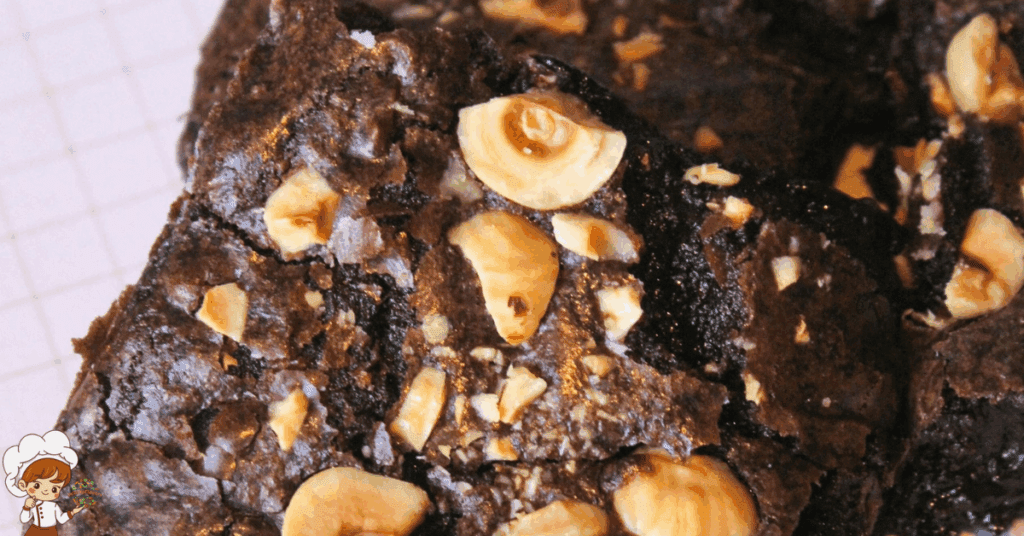
History and Origin of Easy Walnut Brownies; When you think of classic American desserts, few treats are as universally loved as the brownie — and among all its variations, Walnut Brownies hold a special place. With their rich, fudgy texture and the satisfying crunch of toasted walnuts, these brownies capture the perfect balance of indulgence and earthiness. They are nostalgic, comforting, and timeless — a dessert that feels just as at home in a lunchbox as it does on a gourmet dessert menu.
But how did this delicious combination of chocolate and walnuts come to be? To truly appreciate Walnut Brownies, it’s essential to explore the history and evolution of brownies themselves, the origins of walnut use in baking, and how these two ingredients eventually united to create one of America’s most beloved desserts.
The Sweet Beginnings: The Origin of Brownies
The brownie is one of America’s greatest culinary inventions, with roots dating back to the late 19th century. Unlike many desserts that evolved from European traditions, the brownie is distinctly American — a creation born from practicality, innovation, and a national love for chocolate.
Most food historians agree that the first brownie was likely created in the 1890s. The most famous origin story traces it back to the Palmer House Hotel in Chicago, where a chef was tasked with creating a portable dessert for the 1893 World’s Columbian Exposition. The result was a dense, chocolatey square topped with walnuts and apricot glaze — a recipe still served at the Palmer House today.
Other accounts point to community cookbooks from New England, where recipes labeled “brownies” began appearing around the early 1900s. One such recipe, published in the 1904 “Service Club Cookbook” from Chicago, was one of the earliest printed brownie recipes that resemble what we enjoy today.
These early brownies were denser than cakes but softer than cookies — a new category of baked goods that quickly captured the American imagination. They were easy to make, used affordable pantry ingredients, and became a symbol of homemade comfort and creativity.
The Evolution of Brownies in America
By the 1920s and 1930s, brownies had become a household staple across the United States. The dessert evolved alongside major cultural and culinary shifts: the rise of home baking, the spread of affordable chocolate, and the introduction of electric ovens.
Early brownie recipes varied widely. Some were cakey and light, while others leaned toward fudgy and dense. The inclusion of nuts — particularly walnuts or pecans — was common in early recipes, adding both texture and a nutty contrast to the sweetness of chocolate.
Throughout the mid-20th century, brownies became a symbol of homemade goodness and community. They appeared at bake sales, potlucks, church gatherings, and school events. Brownies were also one of the first desserts to be mass-produced and sold in boxed mixes, thanks to brands like Betty Crocker and Pillsbury in the 1950s.
By this point, Walnut Brownies had emerged as a popular variation — one that appealed to those who enjoyed a more complex, earthy dessert with layers of texture. The walnut’s mild bitterness and buttery crunch provided the perfect complement to chocolate’s rich, sweet depth.
The Nutty Companion: The History of Walnuts in Baking
To understand the significance of walnuts in brownies, it helps to look at the walnut’s long and fascinating history.
Walnuts are among the oldest cultivated nuts in the world, dating back thousands of years. Originating in ancient Persia (modern-day Iran), walnuts spread across Europe and Asia through trade routes. The Greeks and Romans prized them as a luxury food, believing they had health benefits and even mystical properties.
By the 18th and 19th centuries, walnuts were a common ingredient in European and American baking. They were used in cakes, breads, and confections, both for their taste and their symbolic association with prosperity and abundance.
When settlers brought walnut trees to North America, they thrived — especially in the Midwest and California. By the early 1900s, the California walnut industry was booming, making walnuts widely available and affordable for American home cooks.
It’s no coincidence that walnuts became the nut of choice for brownies. They were easy to source, toasted beautifully, and provided the ideal textural contrast to rich desserts.
When Chocolate Met Walnuts: The Birth of Walnut Brownies
While brownies themselves were already well-loved by the early 20th century, the addition of walnuts transformed them into a more sophisticated dessert. The first published brownie recipes often included walnuts, suggesting that the nutty variation may have been part of the brownie’s identity from the very beginning.
The Palmer House Brownie, one of the earliest documented recipes, famously included walnuts as a topping. Over time, home bakers began folding chopped walnuts directly into the batter, creating the distinct Walnut Brownie we know today.
Walnut Brownies became especially popular during the mid-20th century, a period when American baking culture celebrated homemade desserts that felt indulgent yet wholesome. They were simple enough for everyday baking but elegant enough for special occasions.
By the 1970s and 1980s, Walnut Brownies had become a classic. They appeared in nearly every community cookbook, magazine spread, and school bake sale, cementing their place in American dessert history.
Why Walnuts and Chocolate Are the Perfect Pair
The success of Walnut Brownies lies in the flavor chemistry between chocolate and walnuts. Chocolate is rich, sweet, and slightly bitter, while walnuts offer an earthy, buttery taste with subtle tannins. Together, they create a harmonious balance of flavors that’s both indulgent and complex.
From a texture standpoint, the contrast between the dense, fudgy brownie and the crunchy walnut pieces enhances every bite. This combination also adds a layer of sophistication — transforming the simple brownie into something that feels more artisan and luxurious.
Moreover, walnuts provide a nutritional bonus. They’re high in omega-3 fatty acids, antioxidants, and protein — making Walnut Brownies a dessert that feels just a bit more wholesome than the average sweet treat.
The Rise of Walnut Brownies in Popular Culture
Walnut Brownies have earned an enduring place in American culinary culture. From home kitchens to bakeries and cafés, they remain one of the most requested brownie variations.
In the postwar era, when convenience foods and boxed mixes became household staples, Walnut Brownies stood out as a dessert that still felt homemade. Even when prepared from a mix, adding walnuts gave them a personal, hand-crafted touch.
As gourmet baking evolved in the 1980s and 1990s, chefs began reimagining brownies with upscale ingredients — premium cocoa, dark chocolate, and toasted nuts. Walnut Brownies transitioned seamlessly into this new era, appealing to food lovers who valued both flavor and texture.
Today, Walnut Brownies can be found everywhere from artisan bakeries to high-end restaurants. They’re often served warm with ice cream, drizzled with chocolate ganache, or dusted with powdered sugar — but even in their simplest form, they remain deeply satisfying.
Walnut Brownies Around the World
While brownies are an American creation, the Walnut Brownie has achieved global recognition. In Europe, particularly in France and the UK, variations of chocolate walnut squares are served in cafés and patisseries. In Japan and South Korea, Walnut Brownies have been embraced as part of the Western dessert wave, often packaged as elegant gift items.
Each culture adds its own twist — some use local chocolate varieties, while others mix in caramel, coffee, or matcha. Despite these adaptations, the essence of the Walnut Brownie remains universal: a dessert that blends richness with a touch of rustic simplicity.
The Modern Revival of Walnut Brownies
In today’s dessert landscape, Walnut Brownies have experienced a modern revival, thanks to the rise of artisanal baking and social media. Their visual appeal — glossy chocolate tops studded with golden-brown walnut halves — makes them irresistible in photos and videos.
Food enthusiasts have also rediscovered Walnut Brownies for their versatility. They can be gluten-free, vegan, or sugar-reduced without losing their charm. The earthy flavor of walnuts complements alternative sweeteners like maple syrup or coconut sugar, allowing the dessert to adapt to modern dietary trends.
Even as dessert fads come and go, Walnut Brownies continue to thrive because they embody the perfect trifecta of flavor, texture, and nostalgia. They remind us of home-baked goodness while appealing to contemporary tastes.
Walnut Brownies as a Symbol of Comfort and Celebration
There’s something deeply emotional about brownies — and Walnut Brownies in particular. They evoke the warmth of childhood kitchens, family gatherings, and moments of simple indulgence. They’re often baked for birthdays, holidays, or as heartfelt gifts, representing the comforting side of baking culture.
Psychologically, the act of baking and sharing brownies is tied to feelings of generosity and connection. The added crunch of walnuts introduces a layer of texture that makes each bite more memorable — symbolizing the small joys that elevate ordinary experiences into something special.
In essence, Walnut Brownies are more than a dessert; they’re a piece of culinary heritage that continues to unite generations through shared sweetness and nostalgia.
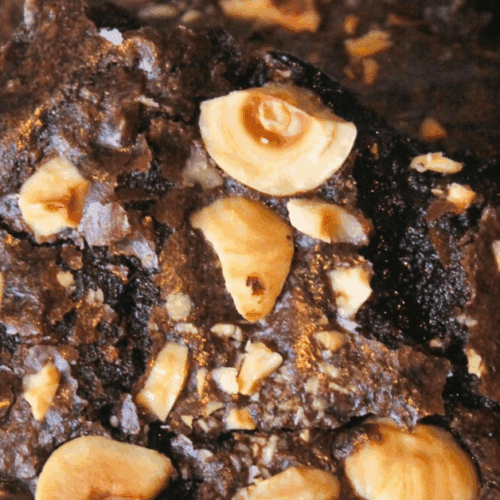
Easy Walnut Brownies
Ingredients
- – 1/2 cup butter
- – 1 cup sugar
- – 2 eggs
- – 1 tsp vanilla extract
- – 1/3 cup cocoa powder
- – 1/2 cup flour
- – 1/2 cup chopped walnuts
Instructions
- Preheat oven to 350°F (175°C). Grease an 8×8 inch pan.
- Melt butter and mix with sugar, eggs, and vanilla.
- Stir in cocoa and flour.
- Fold in walnuts.
- Pour into the pan.
- Bake for 25-30 minutes.
- Let cool before cutting.
Frequently Asked Questions: History and Origin of Easy Walnut Brownies
1. When were Walnut Brownies first created?
Walnut Brownies likely originated in the early 20th century, around the same time as the first brownie recipes. The famous Palmer House Brownie from 1893 already featured walnuts, suggesting they’ve been part of the dessert’s history from the start.
2. Are Walnut Brownies an American dessert?
Yes, brownies — including Walnut Brownies — were invented in the United States and are considered a classic American dessert.
3. Why are walnuts used in brownies?
Walnuts add texture and a nutty flavor that balances the sweetness of chocolate, creating a more complex and satisfying dessert.
4. Can other nuts be used instead of walnuts?
Yes, pecans, almonds, or hazelnuts can be used, but walnuts remain the traditional and most popular choice.
5. Are Walnut Brownies healthier than regular brownies?
While still indulgent, Walnut Brownies contain omega-3 fatty acids, antioxidants, and protein from the walnuts, making them slightly more nutritious than plain brownies.
6. Why do brownies with walnuts taste better?
The combination of the brownie’s rich chocolate flavor with the earthy crunch of walnuts creates a balanced contrast that enhances the overall taste and mouthfeel.
7. Are Walnut Brownies still popular today?
Absolutely. They’re a timeless favorite, loved for their texture, taste, and nostalgic appeal — a dessert that feels both classic and contemporary.

Conclusion: The Timeless Appeal of Walnut Brownies
The story of Walnut Brownies is a story of flavor harmony, tradition, and evolution. From their humble beginnings in American kitchens over a century ago to their global popularity today, these brownies showcase how simple ingredients can create something truly extraordinary.
Walnut Brownies continue to stand the test of time because they capture the essence of great baking — balance. The contrast between the fudgy chocolate base and the crisp, buttery walnut pieces makes each bite unforgettable. They embody the best of homemade comfort while maintaining a sophisticated edge.
Whether enjoyed warm with a scoop of ice cream, shared at a family gathering, or savored as a quiet indulgence, Walnut Brownies remind us why some desserts never fade from memory. They are a testament to culinary creativity, rooted in history yet endlessly adaptable — a dessert that celebrates both the past and the present with every delicious bite.
If you enjoyed exploring this topic and want to dive even deeper, be sure to check out some of our other articles here on Infinite Flavors. From rich culinary histories to creative twists on classic recipes, there’s always something new to discover. Whether you’re curious about the origins of a dish, looking for fresh inspiration in the kitchen, or simply love learning about food culture, our collection of posts is the perfect next step on your flavor journey.
The History And Origin Of Easy Fudgy Brownies
The History And Origin Of Amazing Peanut Butter Swirl Brownies
The Great History Of Mint Chocolate Chip Brownies