The Exciting History and Origin of Homemade Corn Tortillas
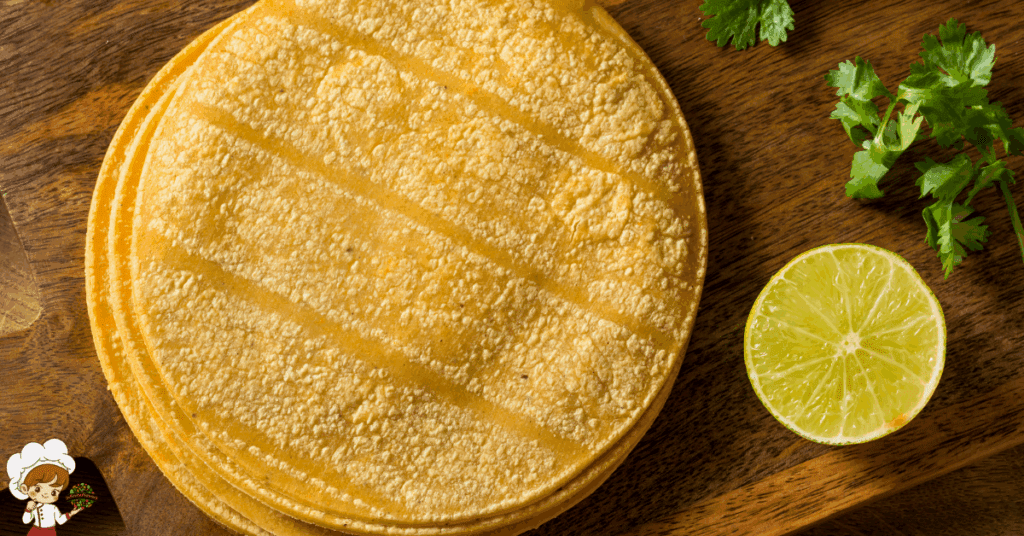
History and Origin of Homemade Corn Tortillas; Few foods are as deeply embedded in cultural identity as the tortilla. In Latin America, especially Mexico and Central America, tortillas are more than just a staple—they are a heritage. Homemade tortillas, often crafted by hand with simple ingredients and shaped with care, have nourished generations and symbolized the continuity of tradition. From the ancient kitchens of the Maya and Aztec civilizations to today’s rustic home kitchens and bustling street corners, the story of the tortilla is one of resilience, simplicity, and cultural pride.
Homemade tortillas—whether made from corn or wheat—are treasured for their taste, texture, and versatility. They serve as the base for beloved dishes like tacos, enchiladas, burritos, quesadillas, and tostadas. But beyond their culinary applications, tortillas carry centuries of history and a connection to indigenous practices that have survived colonization, globalization, and modern culinary trends. Their story is, at its core, one of identity and sustenance.
Ancient Origins: The Birth of the Tortilla
The earliest evidence of tortilla-making dates back to around 10,000 years ago in what is now Mexico and Central America. Corn, or maize, was the cornerstone of Mesoamerican agriculture and diet. The process of domesticating wild maize marked a monumental shift in human civilization, enabling the development of complex societies like the Maya and Aztecs. These civilizations built their economies, spiritual beliefs, and food systems around corn.
What set these early civilizations apart was their revolutionary technique called nixtamalization. This involved soaking and cooking maize kernels in an alkaline solution, usually limewater, to remove the hull and increase the nutritional value of the corn. Nixtamalized corn became easier to grind and more digestible, with enhanced availability of niacin and amino acids. The resulting dough, known as masa, was formed into thin discs and cooked on flat griddles called comales. These early tortillas were made entirely of corn, and the process remains largely unchanged in many indigenous communities today.
For the Maya and Aztecs, tortillas were a dietary foundation. They were eaten with beans, chilies, and squash, and used as edible utensils to scoop up sauces and fillings. Tortillas were also essential for travel and warfare, providing sustenance in portable form. In Aztec culture, tortillas were often offered to gods during religious ceremonies, signifying their sacred status.
The Spanish Influence and the Arrival of Wheat
When Spanish conquistadors arrived in the 16th century, they encountered a thriving culinary culture centered on corn. While they initially rejected the indigenous diet, seeing it as primitive, they soon recognized its nutritional value. However, they brought with them European wheat, a grain that would introduce a new type of tortilla to the region.
The Catholic Church played a major role in promoting wheat consumption, as wheat bread was used in religious rituals like Communion. Over time, especially in Northern Mexico and parts of the southwestern United States, wheat tortillas began to emerge alongside corn tortillas. This shift was also influenced by climate and geography—wheat grew more easily in northern areas than corn, leading to a higher prevalence of flour tortillas in those regions.
Wheat flour tortillas, made with flour, water, salt, and lard or shortening, are softer and more pliable than their corn counterparts. They quickly became the preferred choice in northern Mexican states such as Sonora and Chihuahua, and later in Tex-Mex cuisine. By contrast, corn tortillas remained dominant in central and southern Mexico, where indigenous customs and maize agriculture were more deeply rooted.
Tortillas in the Colonial and Post-Colonial Period
During the colonial era, tortillas continued to evolve, but they remained a symbol of indigenous identity. Despite centuries of oppression, indigenous peoples preserved their traditions, including the daily ritual of making tortillas at home. In rural communities, women would wake at dawn to grind corn by hand on metates (grinding stones), form the dough into rounds, and cook them on comales over wood fires. This labor-intensive process was passed from mother to daughter, becoming a rite of passage and a daily act of cultural preservation.
As countries like Mexico and Guatemala gained independence in the 19th century, national identity was often built around traditional foods. Corn tortillas, deeply linked to indigenous heritage, became more than just sustenance—they were a symbol of resistance and pride. In rural areas, making tortillas by hand remained a daily norm well into the 20th century.
Even as modernization brought changes, such as the use of electric mills and gas stoves, many families continued to value the taste and texture of homemade tortillas. In fact, the tactile experience of making tortillas—kneading masa, shaping rounds by hand or press, and watching them puff on a hot surface—remains one of the most cherished aspects of traditional cooking in Latin America.
Tortilla-Making Across Borders
As Latin Americans migrated northward into the United States, they brought their culinary traditions with them. By the early 20th century, Mexican-American communities were producing both corn and flour tortillas at home and in small local tortillerías. In cities like Los Angeles, San Antonio, and El Paso, the smell of fresh tortillas filled neighborhoods and markets.
Homemade tortillas became a way to stay connected to heritage in a new land. For many immigrants, making tortillas from scratch was a declaration of identity in the face of assimilation pressures. It allowed them to maintain ties to family traditions and share their culture with new generations.
The tortilla’s influence spread rapidly in American kitchens throughout the late 20th century. As Mexican cuisine gained popularity, tortillas found their way into mainstream grocery stores. While mass-produced versions offered convenience, many families still preferred the texture and flavor of homemade tortillas, inspiring a resurgence of DIY tortilla-making among food enthusiasts and cultural preservationists alike.
Modern-Day Resurgence of Homemade Tortillas
In recent years, there has been a powerful resurgence in the appreciation for homemade tortillas. As consumers become more interested in whole foods, heritage grains, and traditional techniques, tortillas made from scratch have become a symbol of slow, intentional cooking. Artisan chefs, food historians, and home cooks are embracing ancient methods like nixtamalization and hand-pressing masa into rustic rounds.
Social media and cooking shows have also played a role in reigniting interest in tortilla-making. Tutorials on Instagram and TikTok showcase the rhythmic pressing of dough and the satisfying puff of tortillas on hot comales, sparking curiosity and admiration. Cookbooks by Latinx chefs emphasize the importance of reclaiming culinary heritage through handmade tortillas, while farmers and millers promote heirloom corn varieties once nearly lost to industrial agriculture.
Making tortillas at home today is both a culinary project and a cultural celebration. It’s an opportunity to connect with centuries of tradition, to better understand the history behind one of the world’s simplest and most perfect foods, and to taste the difference that care and craftsmanship make.
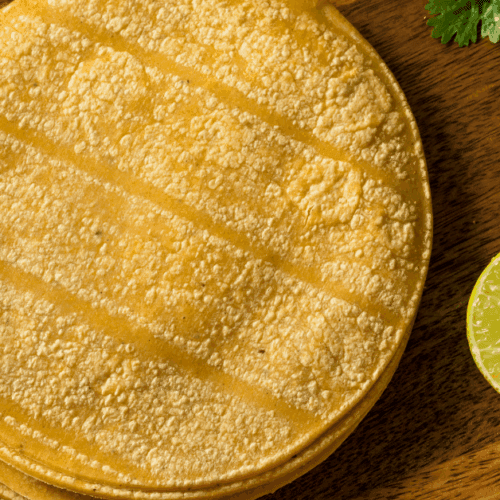
Homemade Corn Tortillas
Ingredients
- 2 cups masa harina such as Maseca or Bob’s Red Mill
- 1½ cups warm water plus more as needed
- ½ teaspoon salt
Instructions
- Mix the Dough:
- In a large bowl, combine the masa harina and salt. Gradually add the warm water while mixing with your hands until a soft, pliable dough forms. It should feel like soft playdough—not too dry or sticky. Add a tablespoon of water at a time if it feels too dry.
- Rest the Dough:
- Cover the bowl with a clean towel or plastic wrap and let the dough rest for 20 minutes. This allows the masa to fully absorb the water.
- Shape the Tortillas:
- Divide the dough into 12 equal pieces and roll them into balls. Cover them with a towel to prevent drying out. Using a tortilla press lined with plastic (or two sheets of parchment), flatten each ball into a thin 6-inch circle. Alternatively, use a rolling pin or press between heavy books.
- Cook the Tortillas:
- Heat a dry skillet, griddle, or comal over medium-high heat. Cook one tortilla at a time for about 45 seconds on the first side, flip and cook for 60–90 seconds on the second side until brown spots appear, then flip once more for 30 seconds. The tortilla may puff—this is a good sign!
- Keep Warm:
- Transfer the cooked tortillas to a clean towel and wrap to keep warm and pliable. Continue with the remaining dough.
- Serve:
- Serve warm with tacos, enchiladas, or as a side to any meal. Store extras in an airtight container in the fridge for up to 5 days or freeze for up to 3 months.
Frequently Asked Questions: History and Origin of Homemade Corn Tortillas
What is the difference between corn and flour tortillas?
Corn tortillas are made from masa harina (corn flour treated through nixtamalization), water, and salt. They have a slightly chewy texture and deep corn flavor. Flour tortillas are made from wheat flour, fat (usually lard or shortening), water, and salt, and are softer and more pliable.
Can I make tortillas without a press?
Yes. While a tortilla press creates even rounds quickly, you can use a rolling pin or even a heavy skillet to flatten the dough between sheets of plastic or parchment paper.
What is nixtamalization, and why is it important?
Nixtamalization is the process of soaking and cooking corn kernels in an alkaline solution (typically limewater). It improves the nutritional profile, flavor, and texture of corn and is essential for making authentic masa dough.
Are homemade tortillas healthier than store-bought?
Generally, yes. Homemade tortillas contain fewer preservatives and additives. You also have control over the ingredients, allowing you to use whole grains or natural fats.
How long do homemade tortillas last?
Fresh corn tortillas are best eaten within 2–3 days but can be refrigerated for up to a week or frozen for longer storage. Flour tortillas last slightly longer—up to a week in the fridge and several weeks in the freezer.
Why do tortillas puff up when cooked?
The puff is caused by steam trapped between layers of dough. A proper puff indicates that the dough is well-hydrated, the tortilla is evenly pressed, and the cooking surface is hot enough. It also results in a lighter, more tender texture.
Can I use masa harina instead of cornmeal for tortillas?
Yes, and you should. Masa harina is made from nixtamalized corn and is the correct flour for making corn tortillas. Cornmeal, which is not nixtamalized, will not produce the right texture or flavor.
How do I reheat homemade tortillas?
To reheat, place tortillas on a hot, dry skillet for about 20–30 seconds per side. You can also warm them in a damp towel in the microwave for about 30 seconds or in a low oven wrapped in foil.

Conclusion: A Circle of Heritage and Hope
The tortilla is more than just a flatbread—it is a cultural icon, a symbol of nourishment, and a bridge between past and present. Its journey from the volcanic fields of Mesoamerica to modern kitchens around the world is a testament to its adaptability and enduring appeal. Homemade tortillas, in particular, carry the essence of this legacy in every fold, puff, and bite.
In an age of mass production and fast food, the act of making tortillas by hand is radical and restorative. It invites us to slow down, to connect with our food, and to honor the traditions of those who came before us. Whether you are flipping corn tortillas on a cast iron comal in a small village or rolling flour dough in a city apartment, you are participating in a ritual that has spanned millennia.
As we look forward, the story of the tortilla continues to evolve. Its role in preserving culinary identity, fostering connection, and celebrating heritage is more vital than ever. By learning to make tortillas at home, we don’t just recreate a recipe—we preserve a story, one warm, round circle at a time.