What Are Traditional Russian Holiday Dishes And Traditions
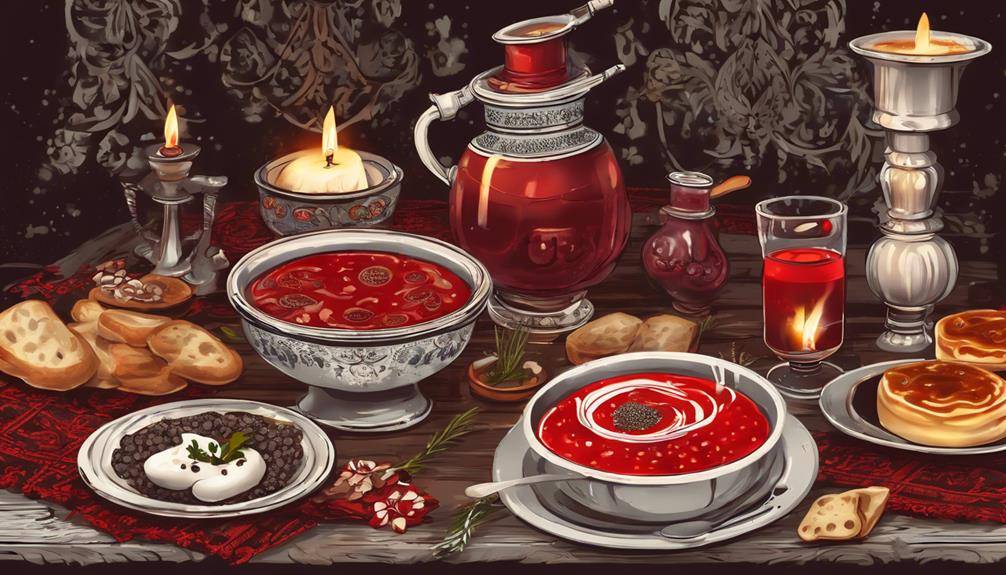
What Are Traditional Russian Holiday Dishes And Traditions: Traditional Russian holiday dishes are all about community and celebration. You'll find vibrant borscht, a hearty beet soup, symbolizing hospitality. Dumplings called pelmeni offer warmth and comfort, while blini, or pancakes, mark festivities like Maslenitsa. Pirozhki, filled pastries, are perfect snacks at family gatherings. During Easter, you can't miss kulich, a rich bread, and Paskha, a sweet cheese dessert. Holidays aren't just about food—they're about rituals too. Each celebration brings families together, creating lasting memories. If you want to know more about these delicious dishes and their meanings, there's much more to explore.
Click Here and Turn Every Masterpiece into a Showstopper!
Overview of Russian Holidays
Russian holidays are a vibrant tapestry woven from centuries of tradition and cultural significance. You'll find that these Russian festivities are rich with meaning, often marked by colorful holiday decorations and lively gatherings. Each celebration, from New Year's to Maslenitsa, brings a unique blend of seasonal celebrations that reflect the diverse heritage of the country.
As you participate in these events, you'll notice the importance of family traditions. Families often come together to celebrate, donning festive attire that showcases their regional variations. Traditional music fills the air, setting the stage for folk dances that invite everyone to join in the merriment. These communal activities foster a sense of belonging and continuity, connecting generations through shared experiences.
Religious observances also play a significant role in Russian holidays. Many festivities intertwine spiritual significance with cultural practices, creating a rich narrative that speaks to the heart of the community. Whether it's the solemnity of Easter or the joy of Christmas, you'll see how these observances shape the way people celebrate.
Throughout the year, you'll witness an array of vibrant festivals, each with its distinct customs and rituals. From the warmth of family gatherings to the lively folk dances and music, Russian holidays invite you to embrace a world steeped in history and cultural richness. By joining in these celebrations, you'll not only enjoy the festivities but also gain a deeper understanding of the cultural significance that underpins them.
Key Traditional Dishes
When you immerse yourself in the culinary world of traditional Russian holidays, you'll discover a feast of flavors that reflect the country's rich cultural heritage. Each dish you encounter has its own cultural significance, often tied to specific celebrations or regional customs. For instance, you might find a variety of fish dishes during Orthodox Christmas, symbolizing the end of fasting.
One key dish you'll likely come across is *pelmeni*, dumplings filled with meat that have regional variations across Russia. In Siberia, they might be made with game meat, while in the western parts, pork and beef are more common. These comforting bites have become a staple at family gatherings and holiday feasts.
Another beloved dish is *olivier salad*, a hearty mix of boiled potatoes, carrots, and pickles, often enjoyed during New Year's celebrations. This salad reflects the fusion of cultures in Russia, incorporating ingredients that were once considered luxurious.
Don't forget about *paskha*, a traditional Easter dessert made from cottage cheese and adorned with dried fruits. Its shape symbolizes the resurrection, making it a meaningful addition to the holiday table.
As you explore these dishes, you'll notice how they vary from region to region, showcasing local ingredients and cooking methods. Each meal tells a story, connecting you to the past and the diverse tapestry of Russian culture.
Borscht: The Heart of Russia
At the heart of Russian cuisine lies borscht, a vibrant beet soup that warms both the body and soul. This iconic dish showcases the beet's origins, tracing back to ancient times when it was cultivated in the Mediterranean and later embraced by Slavic cultures. You can find borscht in countless variations, but the essential ingredient remains the humble beet, which gives the soup its rich color and earthy flavor.
Borscht isn't just a delicious meal; it holds deep cultural symbolism. It represents hospitality and community, often served during family gatherings and festive occasions. When you partake in a bowl of borscht, you're not just enjoying a dish; you're participating in a tradition that spans generations. Each family has its own recipe, often passed down through the years, highlighting the personal touch that makes every bowl unique.
As you savor the soup, take note of the layers of flavor that come from ingredients like cabbage, potatoes, and sometimes meat. You may also find a dollop of sour cream on top, adding creamy richness that perfectly complements the borscht's tangy notes.
Whether it's a chilly winter evening or a summer gathering, borscht brings people together. It's a reminder of your roots and the cultural heritage that shapes your identity. So, the next time you enjoy this beloved dish, remember the story it tells—a celebration of flavors, history, and the warmth of Russian hospitality.
Pelmeni: Dumplings of Tradition
When you think of traditional Russian cuisine, pelmeni often comes to mind as a beloved staple. These dumplings have a rich history and are made with simple yet hearty ingredients. As you explore their preparation and the customs surrounding their serving, you'll appreciate how deeply they're woven into Russian culture.
History of Pelmeni
Pelmeni, a beloved staple of Russian cuisine, embodies the rich tapestry of culinary tradition that has evolved over centuries. You might be surprised to learn that pelmeni origins trace back to the nomadic tribes of Siberia. These early inhabitants crafted dumplings as a way to preserve meat during harsh winters, making them a practical and nutritious choice. Over time, this dish spread throughout Russia, adapting to regional tastes and ingredients.
The cultural significance of pelmeni runs deep in Russian society. These dumplings are often associated with family gatherings, holidays, and celebrations. You'll find that making pelmeni can be a communal activity, where friends and family come together to fill and shape the dumplings, sharing stories and laughter in the process. This tradition fosters a sense of togetherness, reflecting the importance of community in Russian culture.
As you explore the history of pelmeni, you'll appreciate not only its culinary evolution but also its role in connecting generations. From humble beginnings to a cherished holiday dish, pelmeni continues to symbolize warmth, comfort, and the enduring bonds of family and friendship.
Ingredients and Preparation
Crafting pelmeni is a delightful process that brings together simple ingredients and a touch of tradition. To start, you'll need flour, water, eggs, and salt for the dough, while the filling traditionally consists of minced meat—commonly beef, pork, or lamb. When it comes to ingredient sourcing, opt for fresh, high-quality meat and locally sourced produce if possible. This not only enhances flavor but also honors the essence of traditional cooking.
Once your ingredients are ready, begin by making the dough. Combine flour, salt, eggs, and water until it forms a smooth, elastic consistency. Allow the dough to rest for about 30 minutes. Meanwhile, prepare your filling by mixing the minced meat with onions, garlic, and seasonings.
Using a rolling pin, roll out the dough thinly and cut it into circles. Place a spoonful of filling in the center of each circle, fold, and pinch the edges to seal them properly. This is essential—ensure there are no gaps to keep the filling intact during cooking. Your pelmeni are now ready for boiling or freezing, depending on your preference!
Serving Traditions and Customs
Serving pelmeni is as much about the experience as it is about the dish itself. When you gather around the table with family and friends, the atmosphere becomes electric with anticipation. You'll notice the table settings, often adorned with colorful tablecloths and traditional dishware that reflect the rich culture of Russia.
As you place a steaming bowl of pelmeni in the center, the aroma fills the air, inviting everyone to dig in. It's customary to serve them with sour cream or melted butter, adding an extra layer of flavor. Don't forget to prepare for festive toasts! Each toast carries a story or a wish, connecting everyone in the moment.
While enjoying the dumplings, you might share laughter and memories, reinforcing bonds that make the meal even more special. The act of serving pelmeni becomes a ritual that combines food, love, and tradition. So, as you savor each bite, remember that the experience is enhanced by the people around you, the table settings that surround you, and the festive toasts that echo through the room, celebrating not just the dish but the joy of togetherness.
Click Here and Turn Every Masterpiece into a Showstopper!
Blini: Pancakes for Celebrations
When you think of Russian celebrations, blini often come to mind. These thin pancakes hold a rich historical significance, symbolizing the sun and the arrival of spring. You'll also find a delightful variety of toppings that can transform them into a sweet or savory treat for any occasion.
Historical Significance of Blini
Blini hold a special place in Russian culture, often symbolizing the arrival of spring and the sun. Their round shape represents the sun, making them a staple during celebrations like Maslenitsa, a festival that marks the end of winter. You might find it fascinating that blini have deep historical origins; they date back to ancient pagan rituals where they were offered to deities as a way to welcome warmer days.
As you explore the cultural symbolism of blini, you'll discover that they embody renewal and abundance. Traditionally, they are served to family and friends to foster community and connection. Each bite of these delicious pancakes reflects a rich tapestry of history, as they've been enjoyed across generations.
In modern times, you'll still see blini at family gatherings and festive occasions, reinforcing their role as a symbol of unity and joy. Whether you're savoring them during a holiday or simply enjoying them on a regular day, remember that each blin carries with it a piece of Russian heritage, linking you to the past while celebrating the present.
Variety of Toppings Used
Celebrations wouldn't be complete without the delightful toppings that elevate blini to a whole new level. When you think of blini, imagine the toppings variety that makes each bite a unique experience. From savory to sweet, you can create flavorful combinations that cater to everyone's tastes.
For a traditional touch, you might spread a layer of sour cream over your blini, followed by a sprinkle of caviar. This classic pairing brings an exquisite taste that's perfect for festive occasions. If you're in the mood for something sweet, try slathering your blini with jam or honey, then add fresh berries or whipped cream on top. These toppings create a delicious contrast, making your blini a delightful dessert.
Experimenting with toppings can be fun! You could even mix and match, combining smoked salmon with cream cheese for a savory delight or nutella with banana slices for a sweet treat. The possibilities are endless, ensuring that your blini experience is both memorable and enjoyable. So, whether it's a holiday gathering or a casual brunch, don't forget to showcase the toppings variety that makes blini truly special.
Pirozhki: Sweet and Savory Pastries
Pirozhki are beloved pastries that come in a delightful array of sweet and savory fillings, making them a staple at Russian holiday gatherings. You'll find these tasty treats often made with light and flaky puff pastry, which perfectly complements the diverse filling varieties they offer. Whether you prefer a hearty meat mixture or a sweet fruit jam, there's a pirozhki to satisfy every craving.
When you bite into a fresh pirozhki, the contrasting textures of the crispy crust and the soft filling create a mouthwatering experience. For savory options, fillings often include minced meat, cabbage, or mushrooms, all seasoned to perfection. These ingredients bring warmth and comfort, especially during the cold winter months. On the other hand, sweet pirozhki can be filled with fruits like cherries, apples, or sweetened cottage cheese, making for a delightful dessert that rounds out any holiday feast.
Pirozhki are typically baked or fried, each method offering a unique taste and texture. Baking results in a lighter, fluffier pastry, while frying creates a crispy exterior that many enjoy. You can also personalize your pirozhki by experimenting with fillings and spices, allowing you to make them your own.
No matter the filling, pirozhki embody the spirit of Russian hospitality. They're often shared among family and friends, making them not just a dish, but a symbol of warmth and togetherness during festive celebrations. So, when the holidays roll around, consider adding pirozhki to your table for a true taste of Russian tradition.
Customs and Rituals
In Russian culture, customs and rituals play an essential role in the celebration of holidays, bringing families together in meaningful ways. Each tradition you encounter is steeped in holiday symbolism that reflects the rich cultural heritage of Russia. For instance, during Maslenitsa, a festival marking the end of winter, you'll notice the emphasis on pancakes, symbolizing the sun's warmth. Participating in this ritual not only connects you to the community but also celebrates the changing of the seasons.
As you engage in these seasonal celebrations, you'll find that many rituals hold deep ritual significance. Lighting candles during Orthodox Christmas represents the light of Christ entering the world, and singing traditional songs fosters a sense of unity and joy among participants. These customs aren't just activities; they're a way to honor ancestors and pass down stories, ensuring that cultural heritage remains alive.
Another fascinating aspect is the use of specific foods in rituals. For example, preparing Kulich, a special Easter bread, is more than just baking; it embodies hope and renewal. When you share this bread, you're not only enjoying a delicious treat but also partaking in a sacred act that strengthens bonds within your family and community.
Through these customs and rituals, you'll discover the essence of Russian holidays, where every action resonates with history and meaning. Engaging in these practices allows you to experience the warmth of Russian culture and its enduring traditions.
Family Gatherings and Festivities
Family gatherings during Russian holidays create a vibrant atmosphere filled with laughter, joy, and delicious food. These festive gatherings are more than just a meal; they're a celebration of love and tradition. When you sit down with your family, you'll likely find a table laden with dishes that have been passed down through generations, highlighting cherished family recipes that everyone knows by heart.
As you gather around the table, the aroma of freshly baked pirozhki and steaming borscht fills the air. Each dish tells a story, reflecting the history and culture of your family. You may hear your grandmother sharing anecdotes about how she learned to prepare these recipes, making the food taste even better.
During these holidays, it's common to enjoy a variety of traditional dishes, from hearty meats to sweet pastries. You'll find that each family might have its unique twist on a classic recipe, adding another layer of warmth to the celebration.
Games, music, and laughter often accompany the meals, making the atmosphere even more festive. You might find yourself dancing to folk songs or playing traditional games that have been enjoyed for generations.
Ultimately, these gatherings strengthen bonds and create lasting memories, reminding you of the importance of family and tradition. So, whether it's New Year's Eve or Easter, embrace these moments and the delicious food that comes with them.
Click Here and Turn Every Masterpiece into a Showstopper!
Frequently Asked Questions: What Are Traditional Russian Holiday Dishes And Traditions
How Do Russian Holiday Dishes Vary by Region?
Russian holiday dishes vary by region, showcasing unique regional specialties. During festive gatherings, you'll find diverse flavors and ingredients reflecting local traditions, making each celebration a distinct culinary experience that highlights the country's rich cultural heritage.
What Drinks Accompany Traditional Russian Holiday Meals?
When you enjoy traditional Russian holiday meals, vodka pairings complement the rich flavors. You might also sip kvass or mead, which are popular traditional beverages, enhancing your experience and celebrating the festive atmosphere.
Are There Any Dietary Restrictions for Russian Holiday Dishes?
When planning meals, you'll find that traditional Russian holiday dishes often include vegetarian options and seafood dishes. These choices cater to various dietary preferences, ensuring everyone can enjoy the festive celebrations without restrictions.
How Are Russian Holiday Dishes Influenced by Other Cultures?
You'll notice Russian holiday dishes reflect a rich cultural fusion, showcasing influences from neighboring countries. Culinary exchange introduces spices, techniques, and flavors, creating a diverse and vibrant holiday table that celebrates the region's interconnectedness.
What Is the Significance of Bread in Russian Holiday Celebrations?
Bread's symbolism in Russian holiday celebrations reflects abundance and hospitality. You'll find it central to festive rituals, often shared among family and friends, reinforcing bonds and expressing gratitude for the harvest and togetherness.

Conclusion
To sum up, exploring traditional Russian holiday dishes and customs offers a tasty glimpse into the country's rich culture. You'll savor the warmth of borscht, the comforting embrace of pelmeni, and the festive spirit of blini. Each dish tells a story, connecting you to family gatherings and cherished rituals. So, whether you're celebrating or just curious, embracing these traditions will surely enrich your culinary experiences and deepen your appreciation for Russia's vibrant heritage.