The Great Impact of Molecular Gastronomy on Nutrition
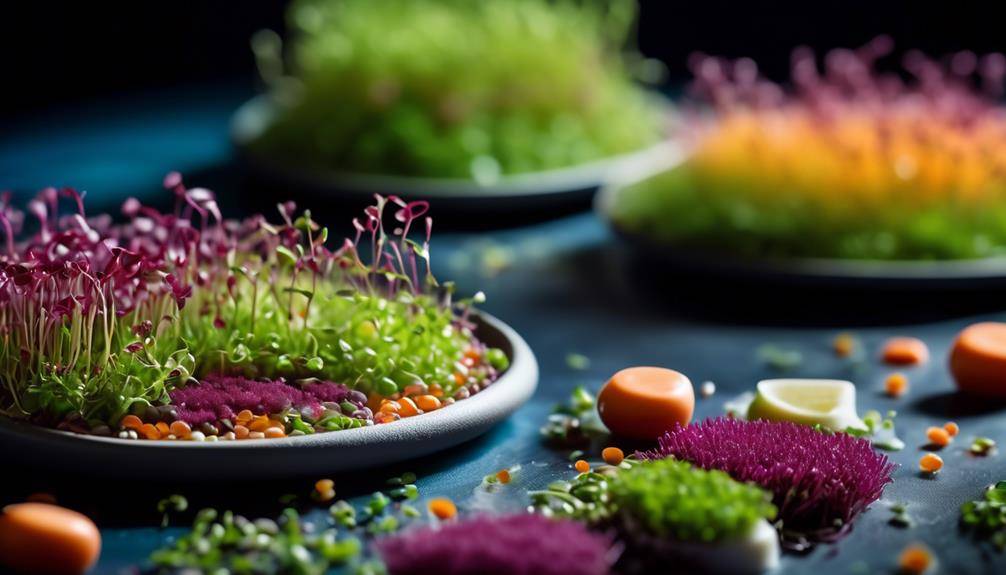
Impact of Molecular Gastronomy on Nutrition; Have you ever wondered how a simple dish can be transformed into a culinary masterpiece through the use of science and innovation? Take, for instance, the case of molecular gastronomy, where chefs experiment with unconventional cooking techniques and ingredients to create visually stunning and flavorful dishes. But what impact does this avant-garde approach have on nutrition?
In this discussion, we will explore the fascinating world of molecular gastronomy and its implications on the nutritional value of food. From enhancing the nutrient content of ingredients to reimagining the textures we find in our meals, molecular gastronomy has the potential to revolutionize the way we think about food and its impact on our health. So, let’s dive into this intriguing realm and uncover the hidden secrets behind the union of science and gastronomy.
The Origins of Molecular Gastronomy
The Origins of Molecular Gastronomy can be traced back to the late 20th century when a group of innovative chefs and scientists began to explore the principles of chemistry and physics in the culinary world. This exploration marked a turning point in the history of gastronomy, as it introduced a scientific approach to cooking and revolutionized the way food is prepared and presented.
The historical significance of molecular gastronomy lies in its departure from traditional cooking methods. Chefs like Ferran Adrià, Heston Blumenthal, and Harold McGee started experimenting with new techniques and ingredients, aiming to enhance flavors, textures, and overall dining experiences. They used scientific concepts to understand and manipulate the chemical reactions that occur during cooking, leading to the development of innovative culinary techniques.
One of the key aspects of molecular gastronomy is the use of modern equipment and ingredients. Chefs began utilizing tools such as centrifuges, liquid nitrogen, and vacuum sealers to create dishes that were visually stunning and had unique textures. They also introduced ingredients like foams, gels, and emulsions, which added complexity and depth to the flavors.
The origins of molecular gastronomy marked a shift in the culinary world, encouraging chefs to think outside the box and push the boundaries of traditional cooking. It sparked a new wave of creativity and experimentation, leading to the emergence of avant-garde cuisine.
The Science Behind Food Preparation
By understanding the principles of chemistry and physics, you can unlock the secrets behind the transformative process of food preparation. The science behind food preparation, also known as food science, is a field that combines these two disciplines to explain how different culinary techniques affect the taste, texture, and nutritional properties of food.
Food science focuses on understanding the chemical and physical changes that occur during cooking. For example, when you heat food, chemical reactions take place that can alter its flavor and texture. Understanding these reactions allows chefs to manipulate ingredients and create new and innovative dishes.
Culinary techniques are the specific methods used in food preparation. These techniques can involve a combination of heat, pressure, and different ingredients to achieve desired results. For instance, the process of emulsification, which involves combining two immiscible substances like oil and water, is used to create creamy sauces and dressings.
Food scientists also study the nutritional aspects of food preparation. They analyze how different cooking methods affect the nutrient content of foods. For example, boiling vegetables can cause some vitamins to leach out into the cooking water, while steaming helps retain more nutrients.
Understanding food science and culinary techniques can enhance your cooking skills and allow you to experiment with different flavors and textures. It can also help you make more informed choices about the nutritional value of the food you consume. So, whether you are a professional chef or a home cook, delving into the science behind food preparation can open up a world of culinary possibilities.
Molecular Gastronomy Techniques and Nutrition
Unlock the potential of molecular gastronomy techniques to enhance both the taste and nutritional value of your culinary creations. Molecular gastronomy techniques have been found to offer numerous health benefits, making them a valuable tool for both professional chefs and home cooks. These techniques involve the manipulation and transformation of ingredients at a molecular level, resulting in innovative and visually stunning dishes. But beyond their aesthetic appeal, molecular gastronomy techniques can also have a positive impact on nutrition.
One of the key advantages of molecular gastronomy techniques is their ability to preserve the nutritional content of ingredients. Traditional cooking methods often lead to the loss of essential vitamins and minerals due to high temperatures and prolonged cooking times. However, molecular gastronomy techniques, such as sous vide cooking and flash freezing, can help retain the nutritional value of food. By cooking ingredients at precise temperatures and for shorter periods, these techniques ensure that vitamins and minerals are preserved, leading to more nutritious meals.
Moreover, molecular gastronomy techniques can also be beneficial for individuals with dietary restrictions. These techniques allow for the creation of dishes that are tailored to specific dietary needs, such as gluten-free, dairy-free, or low-sodium diets. For example, ingredients can be transformed into gels, foams, or powders, which can mimic the texture and taste of certain ingredients without the need for allergenic or restricted components. This opens up a world of possibilities for individuals with food allergies or intolerances, allowing them to enjoy a wider range of flavors and textures while still adhering to their dietary restrictions.
Enhancing Nutritional Value Through Molecular Gastronomy
You can enhance the nutritional value of food through the use of molecular gastronomy techniques. These techniques include nutrient retention strategies, which help preserve the vitamins and minerals in food during the cooking process. Additionally, flavor encapsulation methods can be employed to deliver nutrients in a more concentrated and efficient manner. Lastly, texture modification strategies can be utilized to create healthier alternatives to traditional dishes, making them more appealing and enjoyable while still maintaining their nutritional value.
Nutrient Retention Techniques
One effective way to enhance the nutritional value of food is through the application of nutrient retention techniques in molecular gastronomy. These techniques focus on preserving the nutrients present in ingredients during the cooking process, ensuring that they are not lost or degraded. One such technique is sous vide, where food is cooked in a vacuum-sealed bag at a controlled temperature for an extended period. This method helps to retain vitamins and minerals that are usually lost during traditional cooking methods.
Another technique is flash freezing, where food is rapidly frozen at extremely low temperatures. This preserves the nutritional content of the ingredients by preventing the formation of ice crystals, which can damage the cellular structure of the food. By employing these nutrient preservation techniques, molecular gastronomy allows for the creation of dishes that are not only visually appealing but also have higher nutritional value.
Flavor Encapsulation Methods
Flavor encapsulation methods in molecular gastronomy offer a means to enhance the nutritional value of dishes while creating an explosion of taste sensations. By encapsulating ingredients, such as herbs, spices, or oils, chefs can control the release of flavors, resulting in a more intense and prolonged taste experience. Here are two sub-lists to help you understand the impact of flavor encapsulation methods:
- Controlled Flavor Release:
- Encapsulation allows for the slow release of flavors during the eating process, ensuring that you savor every bite.
- This technique also prevents the flavors from evaporating or dissipating too quickly, providing a more consistent taste throughout the dish.
- Ingredient Encapsulation:
- With ingredient encapsulation, chefs can preserve the delicate flavors of ingredients that are easily lost during cooking.
- By encapsulating these ingredients, their flavors are protected and can be released at the perfect moment, enhancing the overall taste of the dish.
Incorporating flavor encapsulation methods in molecular gastronomy not only enhances the nutritional value of dishes but also elevates the dining experience by creating a symphony of flavors.
Texture Modification Strategies
Texture modification strategies in molecular gastronomy play a vital role in enhancing the nutritional value of dishes while providing a unique and enjoyable dining experience. These textural modification techniques involve the use of innovative ingredient combinations to create new and exciting textures that can transform a dish into a culinary masterpiece. By using techniques such as spherification, gelification, and foams, chefs can manipulate the texture of ingredients to create interesting contrasts and combinations.
For example, spherification allows the creation of liquid-filled spheres that burst with flavor when bitten into, adding a surprising and delightful element to a dish. Gelification can be used to create smooth and creamy textures, while foams can add lightness and airiness to a dish. These textural modifications not only enhance the sensory experience of a meal but also increase the nutritional value by allowing for the incorporation of healthier ingredients in innovative and appealing ways.
The Role of Texture in Nutritious Food
The texture of nutritious food plays a crucial role in both enhancing taste and optimizing nutrient absorption. Texture analysis is a scientific method used to evaluate the physical properties of food, and it has revealed that different textures can influence how we perceive flavors and how our bodies absorb nutrients. Here are two ways in which texture impacts the nutritional benefits of food:
- Improved Digestion:
- Soft and tender textures: Foods with softer textures, such as cooked vegetables or mashed fruits, are easier to chew and digest. This aids in breaking down the food and allows our bodies to extract nutrients more efficiently.
- Fibrous textures: Foods that contain dietary fiber, like whole grains or raw vegetables, have a fibrous texture that provides bulk to our diets. This helps promote regular bowel movements and supports a healthy digestive system.
- Satiety and Portion Control:
- Crunchy textures: Foods with a crispy or crunchy texture, like nuts or raw carrots, require more chewing. This can increase the time it takes to eat a meal, giving our bodies more time to register feelings of fullness and reducing the likelihood of overeating.
- Creamy textures: Smooth and creamy textures, such as yogurt or pureed soups, can create a feeling of indulgence and satisfaction. This can help curb cravings and prevent unnecessary snacking.
Molecular Gastronomy and Flavor Perception
When it comes to flavor perception, molecular gastronomy applies scientific principles to understand how taste is perceived. By utilizing culinary innovation techniques, such as encapsulation and spherification, chefs can create unique flavor experiences that challenge traditional expectations. These techniques not only enhance the sensory experience of food but also allow for the exploration of new combinations and intensities of flavors.
Taste Perception and Science
How does molecular gastronomy contribute to our understanding of taste perception and the science behind flavor? Molecular gastronomy provides insights into taste perception and the psychological factors that influence our experience of flavors. It explores how our taste buds and brain work together to interpret and respond to different flavors.
Additionally, molecular gastronomy has revolutionized flavor pairing techniques by using scientific principles to create unexpected and exciting combinations. These techniques challenge traditional flavor pairings and allow chefs to create innovative dishes that play with our senses. By understanding the science behind flavor perception, molecular gastronomy has expanded our knowledge of taste and opened up new possibilities for culinary exploration. It continues to push the boundaries of our understanding of flavor and how we perceive it.
Culinary Innovation Techniques
Culinary innovation techniques in molecular gastronomy enhance flavor perception and elevate the dining experience through scientific principles and creative combinations. This avant-garde cuisine pushes the boundaries of traditional cooking by utilizing novel methods and ingredients. One such technique is spherification, which involves transforming liquids into gel-like spheres. By encapsulating flavors in these tiny pearls, chefs can create surprising bursts of taste and texture.
Another technique is foam creation, where ingredients are emulsified and aerated to produce light and airy foams. These foams add a delicate touch to dishes, enhancing both visual appeal and flavor. Molecular gastronomy also embraces culinary creativity by experimenting with temperature manipulation, such as using liquid nitrogen to instantly freeze ingredients or employing sous vide cooking to achieve precise and consistent results. These innovative techniques not only provide novel dining experiences but also inspire chefs to push the boundaries of their craft.
Sensory Experience Enhancement
Enhancing the sensory experience through molecular gastronomy techniques and flavor perception is a captivating way to elevate the enjoyment of food. By exploring the intricacies of flavor perception, chefs and scientists are pushing the boundaries of taste innovation, creating unique and unforgettable dining experiences.
In this pursuit, two key aspects play a crucial role:
- Food Presentation: Molecular gastronomy allows for the creation of visually stunning dishes that stimulate not only the taste buds but also the eyes. Techniques like spherification and foams add an element of surprise and excitement to the dining experience.
- Flavor Manipulation: Through the understanding of flavor perception, chefs can manipulate taste sensations, enhancing flavors or creating new ones. By experimenting with ingredients and techniques, they can create dishes that surprise and delight the palate.
Together, these techniques and innovations in flavor perception elevate dining to an art form, providing a truly immersive and unforgettable experience for food enthusiasts.
Transforming Traditional Recipes for Healthier Options
Traditional recipes can be transformed into healthier options by incorporating molecular gastronomy techniques. One way to achieve this is by transforming traditional recipes into plant-based options. By replacing animal-based ingredients such as meat and dairy with plant-based alternatives, you can create dishes that are not only healthier but also more sustainable.
Molecular gastronomy also allows for the incorporation of superfoods into dishes, further enhancing their nutritional value. Superfoods are nutrient-dense foods that are rich in antioxidants, vitamins, and minerals. By incorporating superfoods into molecular gastronomy dishes, you can boost the nutritional content of the meal while still creating a delicious and visually appealing dish.
For example, a traditional pasta dish can be transformed into a healthier option by using zucchini noodles instead of regular pasta. This not only reduces the calorie and carbohydrate content of the dish but also increases the intake of vitamins and minerals from the zucchini. By incorporating molecular gastronomy techniques such as spherification or emulsification, you can add an element of creativity and surprise to the dish.
Another example is transforming a traditional dessert like chocolate mousse into a healthier option by using avocado as a base instead of heavy cream. Avocado is a superfood that is rich in healthy fats and fiber, making it a nutritious alternative. Molecular gastronomy techniques like foaming or gelling can be used to create a creamy and indulgent texture without the need for excessive amounts of sugar or unhealthy fats.
Incorporating molecular gastronomy techniques into traditional recipes allows for the creation of healthier options that are both visually appealing and nutritionally balanced. By transforming traditional recipes into plant-based options and incorporating superfoods, you can elevate the nutritional value of dishes without compromising on taste.
Molecular Gastronomy and Food Allergies
Molecular gastronomy techniques offer innovative solutions for individuals with food allergies. By applying these techniques, chefs can create dishes that cater to specific dietary needs, allowing individuals with food sensitivities to enjoy a wider range of culinary experiences. Here are two ways in which molecular gastronomy techniques can be beneficial for individuals with food allergies:
- Ingredient Substitutions: Molecular gastronomy techniques allow chefs to transform traditional recipes by using alternative ingredients that are safe for individuals with food allergies. For example, instead of using eggs as a binding agent, chefs can use aquafaba, which is the liquid from cooked chickpeas. Aquafaba has similar properties to eggs and can be used in recipes such as meringues or mayonnaise. This substitution provides a safe and delicious option for individuals with egg allergies.
- Texture Modification: Molecular gastronomy techniques can also help recreate the textures of allergenic ingredients without using them. For instance, chefs can use techniques like spherification to create gelatin-like spheres without using gelatin, which is derived from animal collagen. This allows individuals with gelatin allergies to enjoy dishes with similar textures, such as fruit caviar or gummy-like candies.
These innovative techniques not only provide safe alternatives for individuals with food allergies but also enhance the overall dining experience by creating unique and visually appealing dishes. Molecular gastronomy techniques have the potential to transform the way individuals with food sensitivities approach their diets, offering them a wider variety of flavors and textures to enjoy while ensuring their safety. As the field of molecular gastronomy continues to evolve, the possibilities for creating allergy-friendly dishes are expanding, making it an exciting area to explore for both chefs and individuals with food allergies.
The Impact of Molecular Gastronomy on Food Sustainability
When it comes to the impact of molecular gastronomy on food sustainability, there are two key points to consider. First, sustainable food innovations are being developed through the application of molecular gastronomy techniques, such as the use of plant-based proteins and alternative ingredients. These innovations have the potential to reduce the environmental impact of food production and consumption. Second, molecular gastronomy can contribute to the reduction of food waste by transforming ingredients that would otherwise be discarded into new and exciting culinary creations. By exploring these points, we can gain a deeper understanding of how molecular gastronomy can positively influence food sustainability.
Sustainable Food Innovations
Innovations in molecular gastronomy have made significant contributions to the promotion of food sustainability through the development of new techniques and practices. These advancements have aided in the advancement of sustainable farming and the reduction of food waste. Here are some ways in which molecular gastronomy has impacted food sustainability:
- Sustainable Farming:
- Precision agriculture techniques have been developed to optimize crop yields while minimizing the use of resources such as water and fertilizers.
- Vertical farming, a method that utilizes vertical space to grow crops in urban areas, has been embraced as a sustainable solution to food production.
- Food Waste Reduction:
- Molecular gastronomy has facilitated the creation of new preservation techniques that extend the shelf life of perishable foods, reducing the amount of food that goes to waste.
- By utilizing every part of an ingredient, molecular gastronomy has also helped minimize food waste in the kitchen.
These innovations highlight the potential of molecular gastronomy to contribute to a more sustainable food system.
Environmental Impact Reduction
With its impact on sustainable farming and food waste reduction, molecular gastronomy has proven to be a powerful tool in promoting a more environmentally friendly food system. Environmental sustainability is a key focus of molecular gastronomy, as it seeks to minimize the negative impact of food production on the planet. By utilizing innovative cooking techniques and technologies, molecular gastronomy can help reduce food waste by maximizing the use of ingredients and transforming food scraps into delicious dishes.
For example, techniques such as sous vide cooking and spherification enable chefs to extract maximum flavor and nutrition from ingredients, resulting in less waste. Additionally, molecular gastronomy encourages the use of locally sourced, seasonal ingredients, reducing the carbon footprint associated with transportation. In this way, molecular gastronomy contributes to a more sustainable and eco-friendly approach to food production and consumption.
Molecular Gastronomy and the Future of Nutrition
The integration of molecular gastronomy into the realm of nutrition holds promise for shaping the future of food science and dietary practices. This innovative approach to cooking combines scientific principles with culinary techniques to create unique flavors, textures, and presentations. When it comes to the future applications of molecular gastronomy in nutrition, there are several potential benefits and advancements to consider:
- Enhanced Nutritional Quality:
- By using molecular gastronomy techniques, it is possible to enhance the nutritional quality of foods. For example, scientists can encapsulate nutrients in edible films or create nutrient-rich gels and foams, making it easier for the body to absorb essential vitamins and minerals.
- Personalized Diets:
- Molecular gastronomy allows for a more personalized approach to nutrition. Chefs and scientists can tailor the texture, taste, and appearance of dishes to individual preferences and dietary needs. This can be particularly beneficial for individuals with specific dietary restrictions or health conditions.
- Innovative Culinary Experiences:
- Molecular gastronomy opens up a world of possibilities for chefs and food enthusiasts. By utilizing techniques such as spherification, foams, and gels, they can create visually stunning and unique dishes that push the boundaries of traditional cooking. This not only enhances the dining experience but also encourages creativity and exploration in the kitchen.
The Influence of Molecular Gastronomy in Professional Kitchens
Molecular gastronomy has significantly influenced professional kitchens, revolutionizing the way chefs approach cooking and pushing the boundaries of culinary creativity. This innovative approach to cooking has had a profound impact on culinary techniques and has set new trends in professional kitchens.
One major influence of molecular gastronomy on culinary techniques is the use of scientific principles and techniques in the kitchen. Chefs now experiment with ingredients, textures, and flavors, using tools and methods borrowed from the scientific world. For example, they might use liquid nitrogen to create instant freezing or employ sous vide cooking to achieve precise temperatures. These techniques allow chefs to create unique and unexpected dishes that were previously unimaginable.
Furthermore, molecular gastronomy has inspired chefs to think outside the box and challenge traditional culinary norms. Chefs are now more inclined to experiment with unconventional ingredients and presentation styles, resulting in dishes that are visually stunning and intellectually stimulating. This approach has led to a greater emphasis on creativity and innovation in professional kitchens.
In addition, the influence of molecular gastronomy is evident in the growing trend of using food as a multisensory experience. Chefs are now incorporating elements of art, design, and even technology into their dishes, creating an immersive dining experience for their guests. This trend has not only elevated the dining experience but has also opened up new avenues for culinary exploration.
Applying Molecular Gastronomy Principles at Home
You can easily apply molecular gastronomy principles in your own home kitchen to create unique and exciting culinary experiences. By incorporating molecular gastronomy techniques into your cooking, you can elevate the flavors and presentation of your dishes. Here are a few ways to get started:
- Emulsification: Experiment with creating stable and flavorful emulsions using ingredients like soy lecithin or xanthan gum. These can be used to make creamy foams or sauces that add a burst of flavor to your dishes.
- Spherification: Try your hand at spherification, a technique that involves creating small, gel-like spheres using sodium alginate and calcium chloride. This can be done with fruit juices, broths, or even alcoholic beverages. The result is a visually stunning burst of flavor when you bite into the sphere.
- Sous Vide: Invest in a sous vide machine, which allows you to cook food at a precise temperature in a water bath. This technique ensures that your food is cooked evenly and retains its natural flavors and textures.
- Smoking: Experiment with different types of wood chips to create unique smoky flavors in your dishes. You can use a smoking gun or even a stovetop smoker to infuse your ingredients with a smoky aroma.
Frequently Asked Questions: Impact of Molecular Gastronomy on Nutrition
What Are Some Common Food Allergens That Can Be Avoided or Minimized Through Molecular Gastronomy Techniques?
You can avoid or minimize common food allergens through innovative techniques in molecular gastronomy. By manipulating ingredients and textures, chefs can create dishes that are allergen-free or reduce the presence of allergens.
How Does Molecular Gastronomy Contribute to the Sustainability of Food Production and Consumption?
Molecular gastronomy contributes to the sustainability of food production by promoting innovative techniques that reduce waste and utilize alternative ingredients. These methods can help create more efficient and environmentally friendly systems for producing and consuming food.
Are There Any Specific Nutrients That Can Be Enhanced or Modified Through Molecular Gastronomy Techniques?
You can enhance and modify specific nutrients through molecular gastronomy techniques. By manipulating ingredients and cooking methods, you can create dishes that are nutritionally enhanced, providing more vitamins, minerals, and other beneficial compounds.
Can Molecular Gastronomy Techniques Be Applied to Traditionally Unhealthy Dishes to Make Them Healthier Without Compromising Taste?
You can use molecular gastronomy techniques to make traditionally unhealthy dishes healthier without compromising taste. These innovative approaches to cooking can enhance the health benefits of traditional dishes, providing a new way to enjoy nutritious meals.
How Can Individuals Apply Molecular Gastronomy Principles in Their Own Home Cooking to Improve the Nutrition of Their Meals?
You can apply molecular gastronomy principles at home to improve the nutrition of your meals. By using techniques like spherification and emulsification, you can create healthier dishes without compromising taste.
Conclusion
In conclusion, molecular gastronomy has had a significant impact on nutrition by revolutionizing food preparation techniques and enhancing the nutritional value of dishes. By utilizing scientific principles, chefs are able to create innovative textures and flavors while maintaining the nutritional integrity of ingredients. Additionally, molecular gastronomy has the potential to contribute to food sustainability efforts by reducing waste and maximizing the use of ingredients. As this field continues to evolve, it is likely to shape the future of nutrition both in professional kitchens and at home.
If you enjoyed exploring this topic and want to dive even deeper, be sure to check out some of our other articles here on Infinite Flavors. From rich culinary histories to creative twists on classic recipes, there’s always something new to discover. Whether you’re curious about the origins of a dish, looking for fresh inspiration in the kitchen, or simply love learning about food culture, our collection of posts is the perfect next step on your flavor journey.
Exciting Future Of Molecular Gastronomy Trends
How To Start With Molecular Gastronomy
Amazing Science Behind Molecular Gastronomy Cooking