Discovering Italian Cuisine Great Ways To Spice It Up

Italian Cuisine Great Ways To Spice It Up; Are you ready to take your taste buds on a journey through the vibrant world of Italian cuisine? Get ready to tantalize your senses with a symphony of flavors that will transport you to the sun-kissed hills of Italy. In this culinary exploration, you will uncover the secret spices and herbs that breathe life into traditional Italian dishes. From the aromatic allure of basil to the fiery kick of red pepper flakes, each ingredient has a story to tell. So, grab your apron and prepare to embark on a culinary adventure that will awaken your palate and leave you craving for more.
The Essence of Italian Spices
When it comes to the essence of Italian cuisine, the vibrant and aromatic spices play a pivotal role in elevating the flavors and creating a culinary experience like no other. Italian spices are known for their ability to create flavorful combinations that enhance the taste and aroma of traditional recipes.
One of the most iconic Italian spices is oregano. Its earthy and slightly bitter taste adds depth to various dishes, including pizzas, pasta sauces, and grilled meats. Oregano is often used in combination with other spices like garlic and basil to create a harmonious flavor profile that is distinctively Italian.
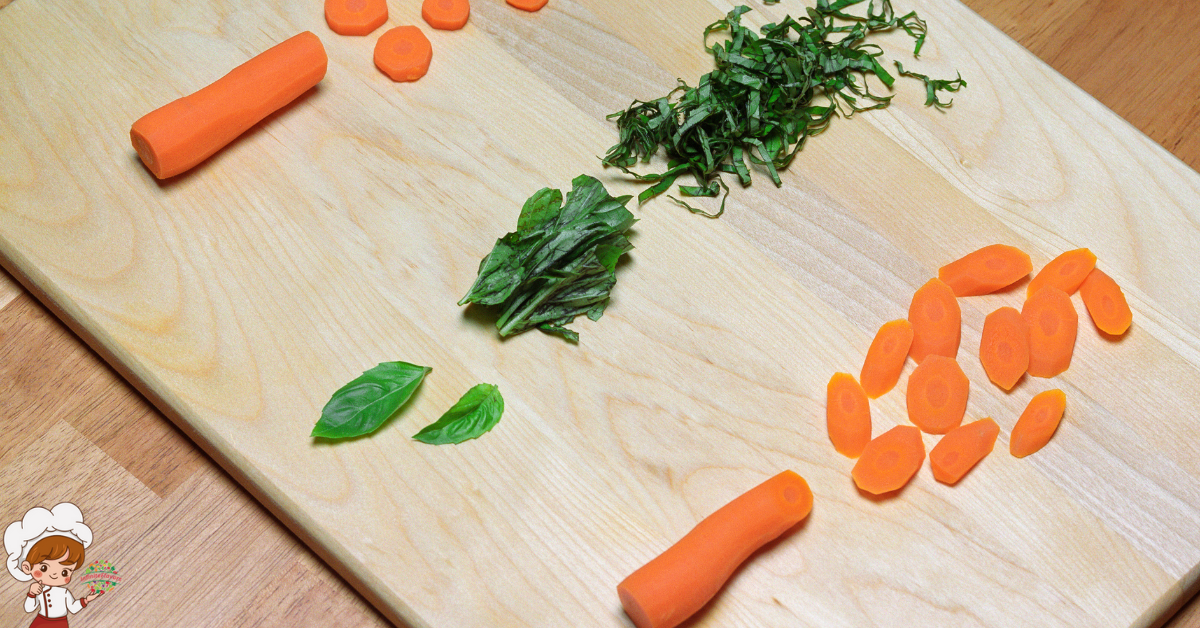
Basil is another essential spice in Italian cuisine. Its sweet and slightly peppery taste brings a refreshing and aromatic element to dishes such as Caprese salad, pesto sauce, and tomato-based pasta sauces. The combination of basil, garlic, and tomatoes is a classic trio that is frequently used in traditional Italian recipes.
Rosemary is a versatile spice that is commonly used in Italian cooking. Its pine-like aroma and distinct flavor make it a popular choice for seasoning roasted meats, potatoes, and bread. The robust and fragrant nature of rosemary adds a touch of sophistication to Italian dishes, creating a well-rounded culinary experience.
Other spices commonly used in Italian cuisine include thyme, sage, and fennel seeds. Each spice brings its unique flavor profile to the table, enhancing the overall taste of traditional Italian recipes.
Exploring the Aromatic World of Basil
Get ready to immerse yourself in the aromatic world of basil, a herb known for its captivating fragrance and versatile flavor. With various basil varieties available, each offering its own unique flavor profile, you’ll have a range of options to experiment with in your Italian dishes. From the sweet and slightly spicy Genovese basil to the citrusy and peppery Thai basil, exploring the different basil flavors will elevate your culinary creations to new heights.
Basil: Aromatic Herb
Basil, with its vibrant green leaves and distinctive aroma, adds a burst of flavor to Italian cuisine, making it a beloved and essential ingredient in many traditional dishes. But did you know that basil also offers numerous health benefits? This aromatic herb is packed with antioxidants, vitamins, and minerals that support overall well-being.
Basil has been found to have anti-inflammatory properties and may help reduce the risk of chronic diseases. It is also known to promote healthy digestion and boost the immune system. In addition to its health benefits, basil is incredibly versatile in the kitchen. From classic pesto sauce to refreshing basil-infused cocktails, there is no shortage of creative basil recipes to explore. So why not spice up your culinary adventures with this aromatic herb?
Basil Varieties: Flavor Profiles
With its diverse range of flavors and distinct characteristics, exploring the aromatic world of basil varieties is a tantalizing journey for any culinary enthusiast. Basil, a popular herb in Italian cuisine, comes in different varieties, each offering a unique flavor profile that can elevate your dishes to new heights. Here are two sub-lists to help you navigate the vast array of basil varieties and their culinary uses:
Sweet Basil Varieties:
- Genovese Basil: Known for its sweet and slightly spicy flavor, Genovese basil is a staple in traditional Italian dishes like pesto and caprese salad.
- Thai Basil: With its licorice-like flavor and hints of spice, Thai basil is perfect for adding an exotic twist to stir-fries, curries, and even cocktails.
Citrus Basil Varieties:
- Lemon Basil: As its name suggests, lemon basil offers a refreshing citrus aroma and taste, making it a great addition to seafood dishes, salads, and desserts.
- Lime Basil: This variety brings a zesty lime flavor to dishes and pairs well with Thai and Vietnamese cuisine, adding a tangy kick to soups, noodles, and marinades.
From classic Italian recipes to international culinary creations, the wide range of basil varieties ensures that there is a perfect match for every dish, allowing you to experiment and delight your taste buds with its aromatic wonders.
Unveiling the Power of Garlic in Italian Cooking
Garlic, a versatile and aromatic ingredient, holds a transformative power that elevates the flavors of Italian cuisine to new heights. Not only does garlic add a distinct and bold taste to dishes, but it also offers numerous health benefits. With its rich history and traditional uses in Italian cooking, garlic has become an essential component of many beloved recipes.
Garlic is known for its potent medicinal properties. It contains compounds that have been found to boost the immune system, lower blood pressure, and reduce the risk of heart disease. Research also suggests that garlic has antimicrobial and antiviral properties, making it a natural remedy for colds and infections.
In Italian cuisine, garlic is used in a variety of ways, adding depth and complexity to dishes. It is often sautéed in olive oil as a base for many recipes, releasing its fragrant aroma and infusing the oil with its flavor. This garlic-infused oil is then used as a foundation for sauces, soups, and stews. Garlic is also commonly minced and added to pasta dishes, enhancing the taste of classic dishes like spaghetti aglio e olio.
Furthermore, garlic is an integral part of the famous Italian condiment, pesto. In this herbaceous sauce, garlic is combined with fresh basil, pine nuts, Parmesan cheese, and olive oil, creating a vibrant and flavorful accompaniment to pasta, sandwiches, and grilled meats.
From Oregano to Rosemary: Italian Herbs Unleashed
Italian cuisine is renowned for its vibrant and aromatic flavors, and one of the key elements that contribute to its culinary excellence is the extensive use of a wide variety of herbs, from oregano to rosemary. When it comes to exploring Italian herbs, two standouts are thyme and sage. These herbs not only add depth and complexity to dishes but also bring out the true essence of Italian cuisine.
- Exploring thyme and sage in Italian cuisine:
- Thyme: This herb, with its earthy and slightly minty flavor, is commonly used in Italian cuisine. It pairs well with tomato-based sauces, roasted vegetables, and grilled meats, enhancing their taste and aroma. Its versatility makes it a staple in Italian herb blends like the famous “herbes de Provence,” which is commonly used in Italian cooking.
- Sage: Known for its strong, distinct flavor, sage adds a bold and savory note to Italian dishes. It is often used in stuffing for meats, such as turkey or pork, and in pasta dishes. Its robust flavor profile also makes it a perfect match for creamy sauces, giving them a rich and aromatic taste.
- The versatility of Italian herbs in different dishes:
- Italian herbs, including thyme and sage, can be used in a wide range of dishes, from soups and stews to pizzas and pastas. They bring depth, complexity, and a burst of flavor to these dishes, elevating them to new heights.
- Whether it’s a simple marinara sauce or a hearty meatball stew, Italian herbs play a crucial role in enhancing the overall taste and aroma. They add a touch of freshness and authenticity to the cuisine, making every bite a delight.
Adding Heat With Fiery Red Pepper Flakes
Ready to take your taste buds on a fiery journey? Adding fiery red pepper flakes to Italian cuisine is a surefire way to spice up your dishes and create bold flavor profiles. Not only do red pepper flakes bring the heat, but they also offer a plethora of health benefits, including boosting metabolism and providing a dose of vitamin C. So get ready to add a kick to your favorite Italian recipes with these fiery flakes!
Spicy Italian Flavor Profiles
When it comes to adding a fiery kick to Italian cuisine, one ingredient stands out: the bold and vibrant red pepper flakes. These tiny flakes pack a punch, infusing dishes with a spicy and smoky flavor that is characteristic of many traditional Italian recipes. Here are two ways red pepper flakes are used to create spicy Italian flavor profiles:
- Spicy pasta dishes: Red pepper flakes are often sprinkled over pasta dishes to add a touch of heat. Whether it’s a classic arrabbiata sauce or a spicy sausage and pepper pasta, the red pepper flakes elevate the dish and give it a fiery edge.
- Calabrian chili peppers: Hailing from the region of Calabria in southern Italy, these small, red chili peppers are known for their intense heat and fruity undertones. Crushed or ground Calabrian chili peppers are commonly used in Italian cuisine to add a spicy kick to sauces, marinades, and even pizza.
Incorporating red pepper flakes and Calabrian chili peppers into your Italian cooking will undoubtedly bring the heat and create flavorful dishes that will leave your taste buds tingling.
Benefits of Red Pepper
To fully appreciate the benefits of red pepper and the fiery kick it adds to Italian cuisine, one must delve into the complex flavors and culinary possibilities it presents. Red pepper, also known as cayenne pepper or crushed red pepper flakes, not only adds a spicy punch to dishes but also boasts numerous health benefits. Rich in capsaicin, a compound responsible for its heat, red pepper has been shown to improve digestion, boost metabolism, and reduce inflammation.
Additionally, it contains vitamins A, C, and E, as well as antioxidants that promote overall wellness. Culinary uses of red pepper are vast, ranging from adding a sprinkle to pasta sauces and pizzas to infusing oils and marinades with its fiery flavor. So, whether you’re looking to add a little heat to your Italian dishes or reap the health benefits, red pepper is a versatile and indispensable ingredient.
The Secret of Italian Seasoning Blends
Italian seasoning blends are a carefully crafted combination of herbs and spices that add depth and flavor to Italian dishes, elevating them to new levels of deliciousness. These blends usually consist of a mixture of dried herbs such as basil, oregano, thyme, and rosemary, along with other traditional Italian spices like garlic powder, onion powder, and red pepper flakes.
The secret to creating the perfect Italian seasoning blend lies in the careful balance of these ingredients. Each herb and spice brings its own unique flavor profile to the blend, creating a harmonious combination that enhances the taste of the dish.
Here are two key elements that make Italian seasoning blends so special:
- Traditional Italian Spices:
- Basil: This herb is a staple in Italian cuisine and brings a sweet and slightly peppery flavor to the blend. It adds a fresh and aromatic note to dishes like pasta sauces and pizzas.
- Oregano: Known for its robust and earthy flavor, oregano is commonly used in Italian cooking. It adds a warm and slightly bitter taste to the seasoning blend, making it perfect for tomato-based sauces and grilled meats.
- Aromatic Herbs:
- Thyme: With its subtle lemony flavor and earthy undertones, thyme adds a delicate touch to the Italian seasoning blend. It pairs well with roasted vegetables, soups, and stews.
- Rosemary: This herb has a strong and distinct flavor that complements a variety of dishes. Its piney and fragrant notes are perfect for seasoning roasted meats, potatoes, and bread.
Elevating Flavors With Truffle Oil and Balsamic Vinegar
Continuing our exploration of enhancing Italian flavors, let’s now turn our attention to the captivating combination of truffle oil and balsamic vinegar. These two ingredients have the power to elevate any dish to new heights, adding depth, richness, and complexity to your meals. Whether you are a seasoned chef or a home cook looking to impress, incorporating truffle oil and balsamic vinegar into your recipes will surely take your culinary skills to the next level.
Truffle oil, derived from the rare and luxurious truffle mushroom, is a potent ingredient that adds a distinct earthy and umami flavor to dishes. Its intense aroma and flavor make it perfect for enhancing simple dishes like pasta, risotto, or mashed potatoes. One popular truffle oil recipe is drizzling it over freshly popped popcorn, creating a gourmet snack that will leave your taste buds craving for more.
On the other hand, balsamic vinegar, with its sweet and tangy notes, provides a delightful contrast to the richness of truffle oil. This versatile vinegar pairs well with a variety of ingredients, from fruits and vegetables to meats and cheeses. One classic balsamic vinegar pairing is with fresh strawberries, where the acidity of the vinegar enhances the sweetness of the fruit, resulting in a harmonious blend of flavors.
When using truffle oil and balsamic vinegar together, the possibilities are endless. Try drizzling truffle oil over a caprese salad and finishing it with a drizzle of balsamic vinegar for a unique twist on a classic dish. Or, for a decadent treat, drizzle truffle oil over vanilla ice cream and finish it off with a drizzle of aged balsamic vinegar for a flavor combination that is both surprising and delightful.
Frequently Asked Questions: Italian Cuisine Great Ways To Spice It Up
What Are Some Common Italian Dishes That Use a Variety of Spices?
Italian dishes with unique spice combinations can be a delightful culinary adventure. Exploring the lesser-known spices in Italian cuisine adds depth and complexity to classic dishes like pasta arrabbiata, osso buco, and caponata.
Can You Provide Some Tips on How to Properly Store and Use Italian Spices?
Properly store and use Italian spices by keeping them in a cool, dark place to maintain their flavor. Use them in cooking to add depth and complexity to your dishes, enhancing the flavors of Italian cuisine.
Are There Any Italian Spices or Herbs That Are Difficult to Find Outside of Italy?
Italian spices and herbs like saffron, truffles, and fennel pollen can be difficult to find outside of Italy. They are unique to Italian cuisine and often need to be imported. The Italian spice market offers a wide range of authentic and traditional spice blends.
How Can I Incorporate Italian Spices Into My Everyday Cooking?
To incorporate Italian spices into your everyday cooking, start by exploring lesser known options and their unique flavor profiles. Find these spices at specialty stores or online, and experiment with adding them to your favorite dishes for an authentic Italian twist.
Are There Any Health Benefits Associated With Using Italian Spices in Cooking?
Exploring the medicinal properties of Italian spices can reveal their potential health benefits. Debunking common myths about their benefits is important. Discover how incorporating these spices in your cooking can enhance your overall well-being.

Conclusion
In conclusion, Italian cuisine is a world of flavors and aromas, brought to life by a variety of spices and herbs. From the fragrant basil to the powerful garlic, each ingredient adds a unique touch to traditional Italian dishes. The fiery red pepper flakes add a spicy kick, while the secret seasoning blends elevate the flavors to new heights. And let’s not forget the indulgence of truffle oil and balsamic vinegar, which bring a touch of luxury to any Italian meal. So, spice up your culinary adventures and discover the essence of Italian cuisine.
If you enjoyed exploring this topic and want to dive even deeper, be sure to check out some of our other articles here on Infinite Flavors. From rich culinary histories to creative twists on classic recipes, there’s always something new to discover. Whether you’re curious about the origins of a dish, looking for fresh inspiration in the kitchen, or simply love learning about food culture, our collection of posts is the perfect next step on your flavor journey.
What Great Spices Are Perfect For Seafood Dishes
Great Pro Tips For Optimal Spice Storage In Cooking
Great Fresh Vs Dried Spices A Culinary Exploration