Microwaving Techniques For Better Taste
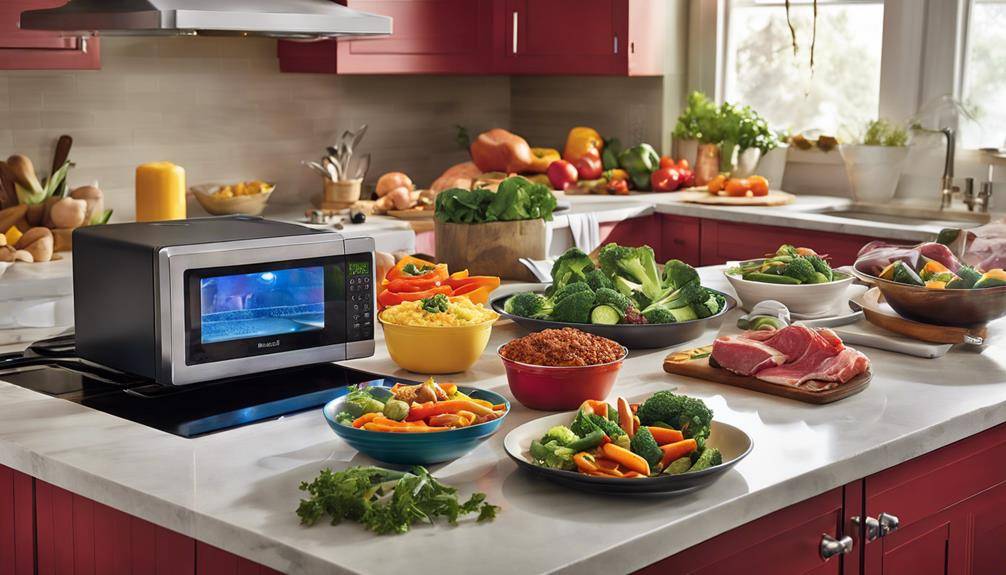
Microwaving Techniques For Better Taste; To enhance the taste of your microwaved meals, start by adjusting the power levels. Lower settings work best for delicate items, while medium is great for reheating. Choose microwave-safe cookware with a shallow, wide shape to guarantee even cooking. Don’t forget to add moisture—steam your veggies or incorporate broth for richer flavor. Pre-seasoning your ingredients helps infuse flavors throughout the cooking process. Stir and rotate your dishes midway for uniform heat. Finally, experiment with quick steaming techniques for fresh, vibrant results. Keep exploring these tips to reveal even more delicious microwave magic!
Click Here and Turn Every Masterpiece into a Showstopper!
Understand Microwave Power Levels
Have you ever wondered how microwave power levels can affect your cooking? Understanding these power settings is essential for achieving the best results in your meals. Most microwaves come with multiple power levels, and they’re not just for show. Each setting can influence how evenly and effectively your food cooks.
When you use a higher power setting, food cooks faster but may not heat uniformly. This can lead to hot spots or even burnt edges. On the other hand, lower settings allow for more even cooking, especially for delicate items like fish or baked goods. By taking the time to familiarize yourself with the power settings explained in your microwave’s manual, you can enhance your cooking experience.
To maximize microwave efficiency, consider using a medium power level for tasks like reheating leftovers or defrosting meat. This prevents overcooking the outer layer while the inside remains cold. For more delicate tasks, such as melting chocolate or softening butter, a lower power setting is your best bet.
Incorporating these microwave efficiency tips can save you time and frustration in the kitchen. Instead of mindlessly pressing the “high” button, think about the food you’re cooking and how power levels can make a difference. By adjusting the power settings, you’ll improve your dishes considerably, ensuring they’re cooked through and bursting with flavor. So, next time you reach for that microwave, remember—power levels matter!
Use Appropriate Cookware
When you microwave food, using the right cookware is essential for achieving the best taste. Make sure to choose microwave-safe materials, as some can release harmful chemicals or melt. Also, consider the size and shape of your containers, since they affect how evenly your food cooks.
Microwave-Safe Materials
Choosing the right microwave-safe materials is essential for achieving great taste and ensuring your food cooks evenly. Start with microwave safe plastics—look for BPA free materials that won’t leach harmful chemicals into your food. Glass containers are another excellent choice, as they offer great thermal conductivity and heat resistance. When using glass, make sure it’s labeled microwave-safe to avoid breakage.
Ceramic dishes can also be effective, but check for any metallic glazes, as metal avoidance is vital in microwaving. Silicone molds are perfect for baking and cooking, thanks to their flexibility and durability; they withstand high temperatures without warping.
Always prioritize food safety by ensuring your cookware goes through durability testing, which guarantees it can handle microwave conditions without degrading. Remember, the right materials not only enhance your food’s flavor but also promote even cooking. By selecting appropriate microwave-safe materials, you’ll create delicious meals without worrying about harmful chemicals or uneven heating. So, invest in quality cookware to enjoy the best results from your microwave!
Size and Shape Matters
Opt for the right size and shape of cookware to enhance your microwaving experience. The geometry of your microwave is essential; it affects how heat circulates around your food. Using cookware that fits well inside your microwave guarantees even cooking. If your dish is too large, it can block microwave waves, leading to uneven heating and cold spots.
When selecting cookware, consider the food proportions you’ll be heating. Ideally, you want to use shallow, wide containers for even heat distribution. These shapes allow microwaves to penetrate food better, cooking it thoroughly. Tall and narrow containers can trap heat and moisture, creating steam pockets that may lead to overcooked edges and undercooked centers.
Moreover, avoid stacking food in layers unless you’re using a lazy Susan or a turntable. This method disrupts microwave geometry, often resulting in inconsistent heating. Instead, spread your food out in a single layer whenever possible. By choosing appropriate cookware that complements your microwave’s design and your food proportions, you can greatly improve the taste and texture of your meals. Remember, the right cookware makes all the difference in your microwaving success!
Click Here and Turn Every Masterpiece into a Showstopper!
Add Moisture for Flavor
To boost the flavor of your microwaved dishes, adding moisture is key. You can steam your food for a juicy texture or incorporate flavorful add-ins like broth or herbs. These simple techniques will elevate your meals and keep them from drying out.
Steam for Enhanced Flavor
Steaming your food in the microwave not only adds moisture but also enhances its flavor profile considerably. When you use steam, you’re tapping into a simple yet effective technique that reveals the natural taste of your ingredients. The steam benefits include retaining essential nutrients, which often get lost during other cooking methods. By preserving these nutrients, your food tastes fresher and more vibrant.
As the steam circulates, it creates a moist environment that helps to infuse flavors throughout the dish. For example, when you steam vegetables, they become tender while maintaining their bright colors and original taste. This method also works wonders for proteins like fish and chicken, ensuring they remain juicy rather than dry.
Moreover, the gentle cooking process allows the natural sugars in your food to caramelize slightly, enhancing their sweetness and overall flavor. You’ll find that steaming not only elevates the taste of your meals but also reduces the need for excessive seasonings. So next time you microwave your ingredients, consider using steam for that perfect combination of moisture and flavor enhancement, making your dishes truly delicious.
Flavorful Add-Ins Options
Enhancing your microwave meals with flavorful add-ins can elevate both taste and moisture levels considerably. By incorporating a variety of elements, you can transform a simple dish into a culinary delight. Start with herb blends—think dried basil or oregano—that add aromatic depth. Spice combinations, like a dash of curry powder or chili flakes, can introduce warmth and complexity.
Citrus zests, such as lemon or lime, brighten up your meals and add a invigorating zing. Don’t forget about savory sauces; a drizzle of soy sauce or teriyaki can infuse your dish with rich flavors. For those looking to boost the savory profile, umami boosters like miso paste or nutritional yeast can make a significant difference.
Lastly, if you’re craving a touch of sweetness, consider sweet toppings like honey or maple syrup, which can create a delightful contrast in your meal. These add-ins not only enhance flavor but also add moisture, ensuring your microwave meals are anything but bland. Experiment with different combinations to discover your perfect blend, and enjoy the elevated taste in every bite!
Season Before Cooking
Seasoning before cooking is a game-changer for elevating the flavors of your microwaved dishes. When you take the time to add herb marinades or spice blends beforehand, you’re setting the stage for incredible taste enhancement. The microwave’s rapid cooking process means the flavors infuse more effectively when applied early on.
Experiment with different seasoning ratios to find what works best for your palate. Combining herbs and spices can lead to unique flavor infusions that transform simple ingredients into savory sensations. Think about your favorite ingredient pairings; for instance, garlic and rosemary can elevate chicken, while a mix of cumin and paprika can bring out the best in veggies.
Don’t shy away from culinary experiments! Try marinating proteins in a flavorful blend before microwaving. This not only enhances the taste but also keeps your food juicy. When cooking grains or pasta, adding a sprinkle of salt or a dash of olive oil before microwaving can make a significant difference.
Layer Food Strategically
To get the best taste from your microwaved meals, you need to layer your food strategically. This guarantees even heat distribution and helps to maximize flavor by placing ingredients in a way that enhances their taste. By considering the placement of each item, you can create a delicious dish that’s perfectly cooked every time.
Click Here and Turn Every Masterpiece into a Showstopper!
Even Heat Distribution
Layering food strategically while microwaving can make a significant difference in achieving even heat distribution. To maximize microwave efficiency, place thicker items on the outer edges of your plate, where they’ll receive more direct heat. Meanwhile, position thinner or softer foods in the center, as they cook faster. This arrangement guarantees that everything warms up uniformly.
Another key aspect is the importance of heat retention. Foods like vegetables tend to release moisture, which can create steam and help heat the surrounding items. If you’re microwaving different types of food together, consider their cooking times—stagger them based on how long each one needs. For example, start with denser foods and add lighter items halfway through cooking.
Using a microwave-safe cover can also enhance heat retention, allowing steam to circulate and guarantee that all layers of food receive adequate warmth. Avoid stacking food too high; instead, opt for a flat arrangement to promote better heat transfer. By following these simple layering techniques, you’ll not only improve microwave efficiency but also enjoy evenly heated meals every time.
Flavor Layering Methods
Strategically arranging flavors can elevate your microwave meals from mundane to delicious. Start with spice infusion by adding a blend of spices to your base ingredients. This not only amplifies the taste but also creates a robust foundation for your dish. Next, think about herb enhancement; fresh or dried herbs can introduce a fresh element that brightens up the overall flavor profile.
To achieve flavor contrast, consider pairing creamy elements with tangy or spicy components. This balance creates a dynamic experience for your taste buds. Also, focus on seasoning balance; too much salt or spice can overwhelm, so aim for harmony among all flavors.
Aromatic layering is key to enhancing your meal’s appeal. Incorporate ingredients that release enticing aromas, such as garlic, onions, or citrus zest, which can deepen the flavor experience. Finally, embrace ingredient synergy by selecting components that complement each other, promoting palate diversity. By layering flavors thoughtfully, you’ll achieve true taste elevation, making your microwave meals not just quick but also remarkably satisfying.
Strategic Ingredient Placement
How can the way you place ingredients in your microwave make a difference in taste? The answer lies in strategic ingredient placement. By layering your food thoughtfully, you can achieve ingredient harmony that enhances flavors and textures. Start with denser items at the bottom, like potatoes or chicken, since they take longer to cook. This placement precision allows them to absorb moisture and flavor from lighter ingredients that you add on top, such as vegetables or sauces.
When you stack your ingredients, consider moisture levels too. For instance, placing a bowl of water or a damp paper towel atop your dish can create steam, which keeps everything moist and prevents drying out. Additionally, avoid overcrowding your microwave; it can lead to uneven cooking. Instead, spread ingredients out, ensuring proper air circulation for even heat distribution.
Lastly, don’t forget to give your dish a gentle stir or rotate it halfway through cooking. This small step can improve ingredient harmony and elevate the overall taste. So, next time you microwave, remember that where you place your ingredients matters just as much as what you’re cooking. Enjoy a more flavorful meal with these strategic tips!
Cover for Even Heating
Covering your food while microwaving is essential for achieving even heating. When you cover your dish, it helps trap steam and heat, allowing the food to cook uniformly. This is especially important because microwaves can create hot and cold spots, making some parts of your meal overcooked while others remain cold.
To maximize the effectiveness of covering, consider your food arrangement. Place larger items toward the outer edges of the dish, while smaller pieces can go in the center. This arrangement takes advantage of the microwave rotation, ensuring that the food receives consistent heat. If you’re reheating leftovers, try to spread them out evenly and cover them with a microwave-safe lid or a damp paper towel.
Using a cover not only promotes even heating but also keeps moisture locked in, which can enhance the flavor and texture of your meal. You’ll notice that meals come out juicier and less prone to drying out. Just be sure to leave a small vent for steam to escape; otherwise, you might end up with a messy explosion inside the microwave.
Incorporating these techniques into your microwaving routine will lead to better-tasting meals. So, whether you’re reheating pizza or steaming vegetables, don’t forget to cover your food. By doing so, you’ll enjoy improved flavor and texture, making microwave cooking a more satisfying experience.
Click Here and Turn Every Masterpiece into a Showstopper!
Experiment With Timing
When it comes to microwaving, timing can make all the difference in achieving the perfect texture and flavor. Every dish has its own unique needs, and finding those ideal intervals is key to elevating your meals. Instead of sticking to generic cooking times, you should engage in timing experimentation. This means adjusting the time based on your specific microwave’s wattage and the food’s characteristics.
Start by trying shorter intervals, like 30 seconds to a minute, especially for foods that can overcook quickly. After each interval, check the food’s doneness. You’ll quickly learn how different foods react—some might need just a little more time, while others might cook faster than expected. This hands-on approach not only helps you avoid overcooking but also allows you to discover the sweet spot for each dish.
For instance, if you’re reheating pizza, you might find that 45 seconds gives you a warm slice, while a minute turns it rubbery. With timing experimentation, you can develop a sense of how much time each type of food needs.
Don’t forget to make notes on your findings. Keeping track of successful intervals will create a personal guide for future meals. By honing in on timing and recognizing the differences among various dishes, you’ll turn out consistently delicious results and impress everyone with your microwaving prowess.
Stir and Rotate Regularly
Stirring and rotating your food regularly in the microwave isn’t just a good habit—it’s crucial for even cooking and enhancing flavor. When you microwave food, certain areas heat up faster than others, leading to hot spots and cold spots. By incorporating microwave stirring and rotating food during the cooking process, you guarantee that every bite is evenly heated and delicious.
To get started, set a timer for half the cooking time and check your food. If you’re heating something like soup or a casserole, give it a good stir. This movement helps distribute the heat, allowing the food to cook more uniformly. For items like vegetables or rice, rotate the container or plate by a quarter turn. This simple action can notably improve the overall texture and taste of your meal.
If you’re working with larger dishes, consider using a microwave-safe cover or wrap to trap steam, which can further aid in cooking evenly. After stirring or rotating, feel free to give your dish a quick taste test. You might find that a little more seasoning is necessary now that everything’s heated through.
Try Quick Steaming Techniques
Quick steaming techniques can transform your microwave into a powerful tool for enhancing the flavor and texture of your meals. By using steam baskets, you can easily microwave veggies while preserving their nutrients and improving their texture. This method allows for rapid cooking, making it perfect for quick meals when you’re short on time.
To get started, fill your steam basket with fresh vegetables and add a splash of water. Cover it with a microwave-safe lid or plate, and cook on high for a few minutes. You’ll notice the vibrant colors and crisp texture of your veggies, as they’ve retained their nutrients through steaming. Plus, the steam creates a natural environment for flavor infusion, enhancing the taste without needing excessive seasoning.
When it comes to seasoning techniques, consider adding herbs or spices to the water before microwaving. This can elevate the dish, providing a delicious aroma and flavor that seeps into the vegetables. You might also try drizzling a little olive oil or lemon juice right after cooking for an added burst of taste.
Quick steaming isn’t just for veggies; you can use it for seafood or poultry too. Just remember to adjust cooking times based on the thickness of the proteins. In no time at all, you’ll be enjoying meals that are not only quick but also packed with flavor and nutrients. Embrace quick steaming techniques and watch your microwave become your new best friend in the kitchen!
Explore Microwave-Safe Desserts
Indulgence in microwave-safe desserts opens up a world of delicious possibilities that can be created in mere minutes. You can whip up a rich chocolate lava cake that oozes delight with just a few ingredients and minimal time. If you’re in the mood for something fruity, consider a quick fruit crumble topped with oats and a scoop of ice cream for an instant treat.
Mug cakes are another fantastic option; simply mix your favorite flavors in a mug, pop it in the microwave, and voilà! For a creamy delight, try cheesecake cups that blend rich cream cheese with a hint of vanilla, all ready in under five minutes. Don’t forget about brownie bites – they’re fudgy and perfect for satisfying your chocolate cravings.
If you have a craving for cookie dough, you can create a quick edible version, safe to enjoy straight out of the bowl. Banana bread is also achievable in a mug, offering a warm, comforting dessert in no time. For a classic touch, rice pudding can be prepared in just a matter of minutes, providing that creamy texture you love.
Lastly, consider pudding cups layered with your favorite toppings or simple tart recipes that can be made in a pinch. With these microwave-safe dessert ideas, you can enjoy sweet moments without the fuss, turning any time into dessert time!
Click Here and Turn Every Masterpiece into a Showstopper!
Frequently Asked Questions: Microwaving Techniques For Better Taste
Can I Microwave Frozen Food Directly Without Thawing First?
Yes, you can microwave frozen food directly without thawing first. Just follow microwave safety tips to guarantee even cooking. Enjoy the benefits of frozen food, like convenience and time-saving, while still maintaining taste and nutrition.
What Types of Cookware Are Safe for Microwave Use?
When using a microwave, you should choose microwave safe plastics and glass containers. These materials can withstand heat without melting or releasing harmful chemicals, ensuring your food heats evenly and safely. Always check for labels indicating microwave safety.
How Does Microwave Power Affect Cooking Time and Taste?
Microwave power directly impacts cooking time and taste. Higher power increases microwave efficiency, leading to quicker cooking and better flavor retention. This guarantees cooking consistency, helping you achieve perfectly cooked meals every time you use it.
Are There Any Flavors That Don’t Work Well in the Microwave?
Certain flavor combinations, like delicate herbs or citrus, don’t microwave well. You’ll find that overcooked seasonings can lose their essence. Follow seasoning tips and add fresh ingredients after microwaving for the best taste.
Can I Microwave Leftovers Without Losing Taste or Texture?
You can microwave leftovers without losing taste or texture by using proper leftover storage and reheating methods. Cover your food, use lower power settings, and stir occasionally to maintain moisture and enhance flavor.

Conclusion
By mastering these microwaving techniques, you can enhance the flavor of your meals and enjoy better-tasting dishes. Remember to adjust power levels, choose the right cookware, and add moisture for maximum flavor. Season your food beforehand and layer it strategically for even cooking. Don’t shy away from experimenting with timing and using quick steaming methods. With a little creativity, you can even whip up delicious microwave-safe desserts. Start applying these tips today, and savor the difference!