Easy Pressure-Cooking Techniques For Beginners
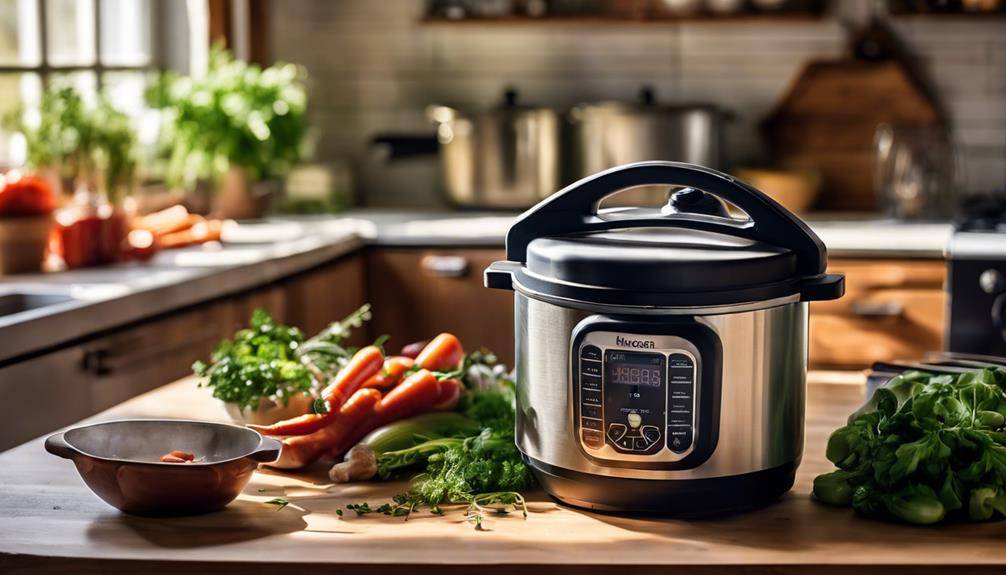
Pressure-Cooking Techniques For Beginners; Pressure cooking is a fantastic way to save time and maximize flavors in your meals. Start by choosing the right cooker—electric or stovetop—and always check the pressure valve before use. Keep an eye on cooking times and avoid overfilling the pot. Use fresh, seasonal ingredients for the best results, cutting them into uniform sizes for even cooking. Remember to include at least one cup of liquid to create steam, and practice both natural and quick release methods for safety. Each step enhances your cooking skills, leading you to delicious dishes as you explore this efficient technique further.
Click Here and Turn Every Masterpiece into a Showstopper!
Understanding Pressure Cookers
When you think about cooking, pressure cookers might not be the first tool that comes to mind, but they’re incredibly versatile and efficient. These kitchen appliances work by trapping steam inside a sealed pot, which creates high types of pressure that cook food faster than conventional methods. This means you can whip up hearty meals in a fraction of the time, making them perfect for weeknight dinners or meal prep.
Understanding the pressure cooker history can help you appreciate its design and functionality. Originally developed in the 17th century, the concept evolved through the years, leading to the modern versions we use today. Early models were simple and often unsafe, but advancements in materials and technology have made them reliable and user-friendly. Now, you can find electric and stovetop pressure cookers, each catering to different cooking styles.
Different types of pressure cookers allow for varied cooking experiences. Electric pressure cookers often come with pre-set programs for specific dishes, making them ideal for beginners. On the other hand, stovetop pressure cookers offer greater control over the cooking process, which is perfect for those who prefer a hands-on approach.
Essential Safety Tips
Using a pressure cooker can save you time in the kitchen, but it’s crucial to follow essential safety tips to avoid accidents. First and foremost, always check the pressure valve before you start cooking. Make sure it’s clean and functioning properly. A clogged valve can lead to dangerous pressure buildup, so give it a quick inspection each time you use the cooker.
Next, focus on lid safety. Confirm the lid is securely locked before turning on the heat. If it’s not properly sealed, steam might escape, and your food won’t cook correctly. Once the lid is locked, never attempt to open it while there’s still pressure inside. Wait for the pressure to drop, which can be indicated by the pressure valve or a similar mechanism.
Keep your hands and face away from the steam release when you’re ready to open the cooker. Always release steam slowly and carefully to avoid burns. It’s also a good idea to wear protective kitchen gloves for an extra layer of safety.
Lastly, never fill your pressure cooker more than two-thirds full. Overfilling can block the pressure valve and cause dangerous situations. Always follow the manufacturer’s guidelines for your specific model. By adhering to these safety tips, you can enjoy the benefits of pressure cooking without any unnecessary risks.
Preparing Ingredients
When you’re preparing to pressure cook, selecting fresh ingredients is key for the best flavor and texture. You’ll also want to master proper cutting techniques to guarantee even cooking. Let’s explore how these steps can make a big difference in your meal.
Selecting Fresh Ingredients
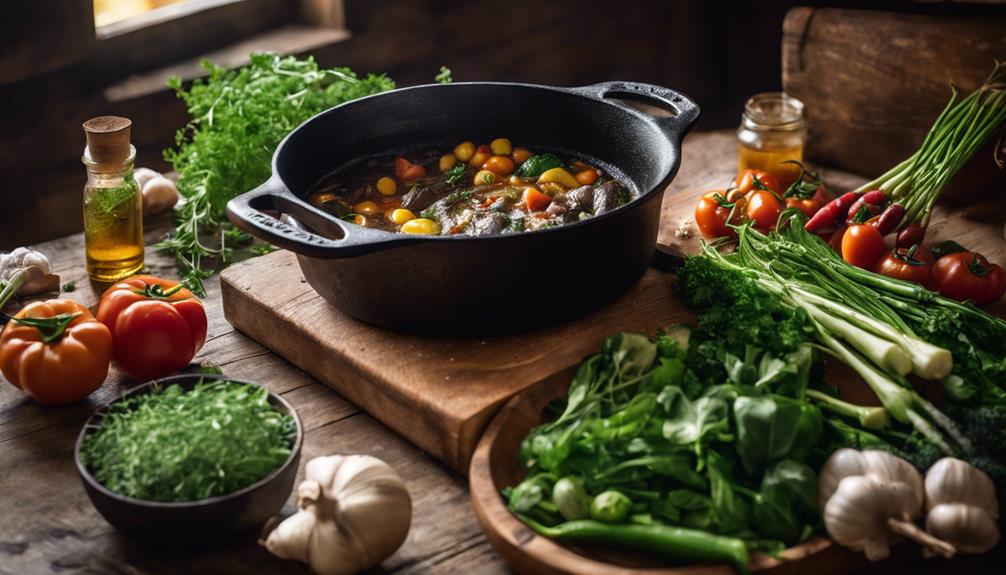
Selecting fresh ingredients is essential for achieving the best results in pressure cooking. When you choose seasonal produce, you not only support local farmers but also guarantee that you’re getting the freshest flavors. Seasonal fruits and vegetables are typically at their peak ripeness, making a noticeable difference in the taste of your dishes.
To identify quality indicators, look for vibrant colors and firm textures. For example, when selecting tomatoes, choose ones that are bright red and slightly yielding to the touch. Avoid any with blemishes or soft spots. Similarly, for leafy greens, opt for crisp, vibrant leaves without wilting or browning.
When it comes to herbs, freshness is key. Sniff them—if they smell aromatic, they’re likely fresh. If they’re limp or lack scent, they won’t enhance your meal.
Lastly, pay attention to the seasonality of produce. Ingredients like squash in the fall or asparagus in the spring will not only taste better but also provide maximum nutritional benefits. By consistently choosing fresh, seasonal ingredients, you’ll elevate your pressure cooking to new heights and create dishes that impress.
Proper Cutting Techniques
Mastering proper cutting techniques is vital for prepping ingredients in pressure cooking. With good knife skills, you’ll not only save time but also guarantee even cooking, which is important in a pressure cooker. Start by choosing a sharp knife; a dull blade can lead to accidents and uneven cuts.
When it comes to vegetable preparation, uniformity is key. Chop your vegetables into similar sizes, as this will help them cook evenly under pressure. For instance, dice onions, carrots, and celery into small, consistent pieces. When slicing, use a claw grip to secure the food and protect your fingers.
Don’t forget to practice different cuts like julienne, dice, and chiffonade, as each serves a purpose in your recipes. If you’re unsure about a specific technique, look for online tutorials or videos that demonstrate these skills. As you become more comfortable with your knife skills, you’ll notice how much more enjoyable and efficient your cooking becomes. Remember, practice makes perfect, so keep refining your cutting techniques to enhance your pressure cooking experience.
Cooking Times Guide
In pressure cooking, understanding cooking times is essential for achieving perfectly tender and flavorful dishes. Knowing the right cooking time can make or break your meal, so it’s vital to familiarize yourself with the various food types and their required times. Each ingredient has a unique cooking duration, and getting this right will enhance your meal planning efforts.
For instance, vegetables generally need less time than meats. Quick-cooking veggies like peas or spinach typically take just 1-2 minutes, while heartier options like carrots or potatoes might need 4-6 minutes. If you’re cooking tougher cuts of meat, like beef chuck or pork shoulder, you’ll want to allow for 45-60 minutes, ensuring they become tender and easy to shred.
A handy tip is to create a cooking time chart for quick reference. This chart can guide you during meal planning, helping you decide how to layer your ingredients in the pot. If you’re cooking a mixed dish, start with the ingredients that require the longest cooking time and add quicker-cooking items later in the process.
Don’t forget to account for the time it takes for the pressure cooker to come to pressure and release pressure afterward. Generally, you should add about 10-15 minutes to your total cooking time for this. By keeping these cooking times in mind, you’ll be well on your way to mastering pressure cooking and serving up delicious meals every time.
Click Here and Turn Every Masterpiece into a Showstopper!
Liquid Requirements
To achieve the best results in pressure cooking, you need to understand liquid requirements. You’ll want to know which types of liquids work best, how to measure them accurately, and the right methods for releasing steam afterward. Let’s explore these key aspects to guarantee your dishes turn out perfectly.
Essential Liquid Types
When pressure cooking, choosing the right type of liquid is vital for achieving the desired flavor and texture of your dish. Broth varieties, such as chicken, beef, or vegetable, serve as excellent bases that enhance the overall taste. You can also use cooking sauces, like soy sauce or barbecue sauce, to introduce rich flavors and complexity.
Pay attention to liquid ratios; typically, you’ll need about one cup of liquid to create steam for cooking. This moisture retention is essential, as it prevents your food from drying out while infusing it with the liquid’s flavors.
Consider flavor infusions when selecting your liquids; you can add spices, herbs, or even wine to elevate your dish. If you’re looking to make ingredient substitutions, make sure that your chosen liquid maintains the acid balance necessary for proper cooking, especially when using tomatoes or citrus.
Lastly, remember that different liquids can lead to texture differences, so try experimenting with various options to find what works best for your recipes. This way, you’ll master the art of pressure cooking in no time!
Measurement Guidelines
Getting the liquid measurement right is essential for successful pressure cooking. Without enough liquid, your food can burn, and too much can lead to unwanted splatter. Generally, you’ll want to use at least 1 cup of liquid for most recipes, but check your pressure cooker’s manual for specific requirements.
When you’re converting measurements, keep in mind that different liquids may have varying densities. For example, if you’re switching from water to broth, the volume remains the same, but the flavor will change. Use ingredient ratios to guarantee balance in your dish; if you’re cooking grains, you might need a 2:1 liquid-to-grain ratio.
If you’re adapting a recipe, make sure you adjust your liquid amounts accordingly. For instance, if you’re halving a recipe, you might think you’d simply use half the liquid. However, always double-check if the pressure cooker can still maintain enough steam.
Steam Release Methods
Understanding how steam release methods affect your pressure cooking can help guarantee your meals turn out perfectly every time. The steam release method you choose directly influences the final texture and doneness of your dish. There are two main types: natural release and quick release.
With natural release, you let the pressure decrease on its own, allowing the steam to escape gradually. This method is ideal for dishes that benefit from a longer cooking time, like stews or beans, where you want to avoid sudden pressure variations that could lead to splattering.
On the other hand, quick release involves manually venting the steam. While this method is faster, it’s best for foods that cook quickly, like vegetables or seafood. However, be cautious—rapid pressure release can lead to uneven cooking or overcooked meals.
Always check the liquid requirements in your recipe, as insufficient liquid can hinder effective steam release and affect pressure buildup. To summarize, understanding these methods and their impact on steam release will enhance your pressure cooking experience, helping you achieve consistent, delicious results.
Click Here and Turn Every Masterpiece into a Showstopper!
Natural Vs. Quick Release
Pressure cooking offers two primary methods for releasing steam: natural release and quick release. Understanding these methods helps you achieve the best results for your meals.
Natural release benefits include allowing the pressure to decrease gradually, which is ideal for dishes that need time to finish cooking. This method works well for stews, soups, and foods that expand during cooking, like beans or grains. By letting the pressure drop naturally, you prevent splattering and maintain the integrity of your food. You’ll find this technique enhances flavors, as the ingredients continue to meld together during the release process.
On the other hand, quick release is perfect for situations where you need to stop cooking immediately. This method is commonly used for vegetables and delicate proteins, like fish, that can easily overcook. In quick release scenarios, you turn the pressure valve to release steam rapidly. It’s essential to be cautious, as the steam can be extremely hot. Always use a utensil to avoid burns.
Knowing when to use each method can make a big difference in your pressure cooking experience. If you’re looking for rich, developed flavors, lean towards natural release. However, if you’re in a hurry or working with delicate ingredients, quick release will save you time and prevent overcooking. With practice, you’ll become adept at choosing the right release method for your meals.
Common Mistakes to Avoid
Mistakes in pressure cooking can lead to frustrating results and wasted ingredients. One common pitfall is not properly sealing the lid. If you don’t close it securely, you’ll encounter sealing problems that prevent the pressure from building up. Always verify that the sealing ring is clean and positioned correctly before locking the lid in place.
Another frequent mistake is ignoring the recommended cooking times. This can result in overcooking issues, where your food turns mushy or loses flavor. It’s essential to follow the timing guidelines for different ingredients and adjust according to your preferences. Remember, you can always release pressure and check your food; it’s better to start with less cooking time and add more if necessary.
Also, don’t forget to account for the natural release time. If you’re in a rush and opt for a quick release too soon, it can lead to uneven cooking or splattering, which can be dangerous. Instead, let the pressure drop naturally when possible.
Lastly, using too much liquid can also lead to problems. While you need some liquid to build pressure, too much can cause your food to boil instead of cook properly. Aim for the right balance to achieve the best results. By avoiding these common mistakes, you’ll enhance your pressure cooking experience and enjoy delicious meals without the frustration.
Flavor Enhancements Techniques
Cooking with a pressure cooker opens up a world of flavor possibilities when executed correctly. To kick things off, consider using broth selection as your base. Choose a rich, homemade or high-quality store-bought broth to enhance the overall taste of your dish. Once you’ve got that, focus on herb infusion. Fresh herbs like thyme and rosemary can be added during cooking to infuse your meal with vibrant flavors.
Spice layering is another powerful technique. Start with whole spices that you can toast before adding them in, which releases their essential oils. This simple step can transform your dish. As you layer spices, keep flavor balancing in mind; make certain that no single spice overwhelms the others.
Don’t forget about umami enhancement. Ingredients like mushrooms, soy sauce, or miso paste can bring depth to your meals. Acidity adjustment is also vital; a splash of vinegar or citrus juice can brighten flavors, especially in hearty dishes.
When it comes to seasoning timing, add salt early in the cooking process for deeper penetration, but hold off on some seasonings until the end for that fresh pop. Finally, consider ingredient pairing—certain flavors work better together, so experiment with combinations like garlic and lemon or tomatoes and basil to elevate your dish. With these techniques, you’ll reveal the full potential of your pressure cooker and create meals bursting with flavor!
Cleaning and Maintenance Tips
Regularly cleaning your pressure cooker is essential for maintaining its performance and guaranteeing your meals taste their best. Start by establishing a maintenance schedule. After each use, take a few minutes to clean your cooker thoroughly. Use gentle cleaning supplies, like mild soap and a soft sponge, to avoid scratching surfaces.
Focus on lid cleaning—make sure to wipe down the lid, including the steam vent and pressure release valve. These areas can accumulate debris that affects functionality. For the sealing ring, inspect it for any signs of wear or odor. To tackle odor removal, you can soak the ring in a solution of vinegar and water, which helps refresh its scent.
When it comes to pot storage, verify your inner pot is completely dry before placing it back in your pressure cooker. This prevents moisture buildup, which can lead to mold. Don’t forget about exterior care; wipe the outside of your cooker with a damp cloth to keep it looking good.
If you run into issues, refer to troubleshooting tips in your user manual. Regular maintenance not only extends the life of your pressure cooker but also enhances your cooking experience. By consistently following these cleaning and maintenance tips, you’ll guarantee that your pressure cooker remains in top condition, allowing you to whip up delicious meals with confidence.
Click Here and Turn Every Masterpiece into a Showstopper!
Frequently Asked Questions: Pressure-Cooking Techniques For Beginners
Can I Pressure Cook Frozen Foods Directly?
Yes, you can pressure cook frozen foods directly! Just remember, frozen meat requires longer cooking times. Adjust your recipe accordingly, and you’ll enjoy tender, delicious meals without the need for thawing first.
What Types of Pressure Cookers Are Best for Beginners?
When choosing pressure cookers, electric pressure cookers are user-friendly and safe for beginners, while stovetop pressure cookers offer faster cooking times and better browning. Consider your cooking style and preferences to find the right fit.
How Do I Convert Traditional Recipes for Pressure Cooking?
To convert traditional recipes for pressure cooking, reduce cooking times by about one-third. Adjust liquid amounts, too, since pressure cookers require less moisture. Keep experimenting until you find the perfect balance for your favorite dishes.
What Should I Do if My Pressure Cooker Won’t Seal?
If your pressure cooker won’t seal, check the rubber gasket for damage, clean the lid and gasket thoroughly, and guarantee the cooker’s parts are properly aligned. Regular maintenance can prevent seal issues in the future.
Are There Any Foods That Should Not Be Pressure Cooked?
Not all foods are suitable for pressure cooking. Ingredients like dairy, delicate vegetables, and pasta can turn mushy. Always adjust cooking times to guarantee the best texture and flavor for your dishes.

Conclusion
You’ve now got the basics of pressure cooking down! By understanding your pressure cooker, following safety tips, and mastering cooking times, you’re ready to whip up delicious meals in no time. Remember to pay attention to liquid requirements and choose the right release method for your dishes. Avoid common mistakes, enhance flavors, and keep your cooker clean for the best results. Immerse yourself and enjoy the incredible flavors and efficiency pressure cooking brings to your kitchen!