How To Smoke Salmon At Home
How To Smoke Salmon At Home; To smoke salmon at home, start by choosing high-quality fish like King or Sockeye salmon. Prepare your salmon by trimming and patting it dry. Brine it in a salt and sugar mixture for several hours to enhance flavor and texture. Next, select your smoking wood—milder fruits like apple work well or go bold with hickory. Use an electric or pellet smoker for convenience and keep the temperature between 180°F to 220°F. Monitor the salmon closely until it reaches an internal temperature of 145°F. Once done, cool it properly and store it for later enjoyment. There’s plenty more to explore!
Choosing the Right Salmon
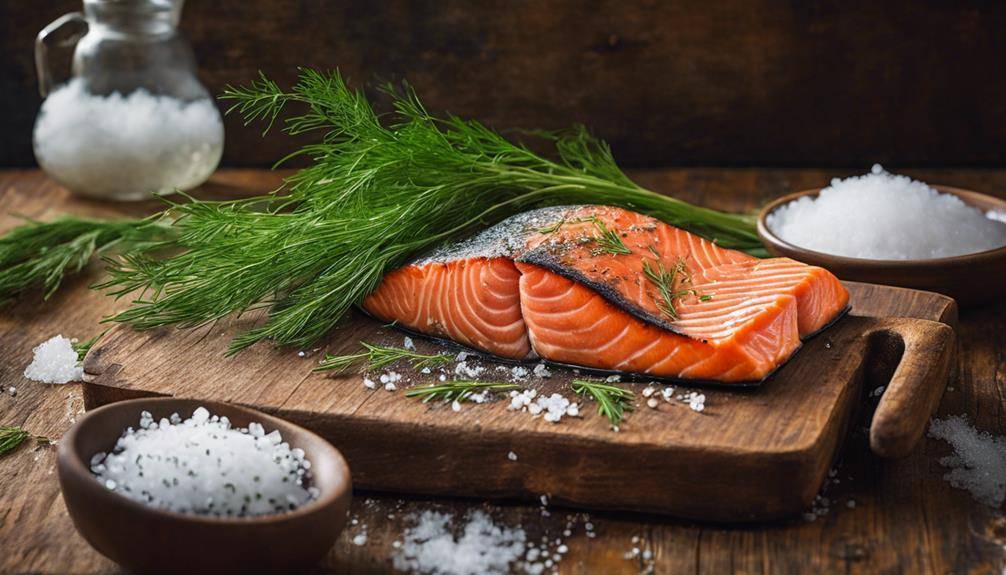
When it comes to choosing the right salmon for smoking, you’ll want to focus on quality over quantity. Not all salmon varieties are created equal, and selecting the best one can make a significant difference in your final product. King salmon, also known as Chinook, is often regarded as the top choice due to its rich flavor and high-fat content. If you’re looking for something a bit more affordable, sockeye salmon is another excellent option, offering a robust taste and vibrant color.
When sourcing salmon, consider where it comes from. Fresh, wild-caught salmon usually provides better flavor and texture than farmed varieties. However, if you opt for farmed salmon, look for those raised in sustainable environments. This not only benefits the ecosystem but often results in better quality fish. Check local markets, fishmongers, or reputable online retailers for your salmon needs. Freshness is key, so try to buy your fish as close to smoking day as possible.
Don’t forget to pay attention to the cut of salmon you choose. Fillets are the most common choice, but you might also consider using salmon belly for a more decadent option. Ultimately, the right salmon for smoking will depend on your preferences and availability. By prioritizing quality and making informed choices about salmon varieties and sourcing salmon, you’ll set yourself up for a delicious smoking experience that you can enjoy and share with others.
Essential Equipment Needed
To smoke salmon at home, you’ll need some essential equipment to get started. First, consider your smoking device options, as they can vary considerably in style and function. You’ll also want to choose the right wood types and make sure you have temperature control tools to achieve perfect results.
Smoking Device Options
Choosing the right smoking device is essential for achieving perfectly smoked salmon at home. You have several options to weigh, depending on your preferences and experience level. Electric smokers are user-friendly and perfect for beginners, allowing you to achieve consistent temperatures for hot smoking. If you’re looking for a hands-on approach, offset smokers offer the traditional techniques that many seasoned enthusiasts love.
For those who enjoy versatility, pellet smokers combine the convenience of electric models with the rich flavor of wood pellets, making them an excellent choice for both cold smoking and hot smoking. Portable smokers are great if you want to take your smoking skills on the go, while DIY smokers can be a fun project for the creative cook.
If you’re experimenting with flavors, ponder using flavor infusers or smoke generators to enhance the taste profile of your salmon. Each device has its unique benefits, so think about your smoking style and needs. No matter what you choose, investing in a quality smoking device will elevate your salmon smoking experience and produce mouthwatering results.
Necessary Smoking Wood Types
Selecting the right type of smoking wood is essential for enhancing the flavor of your salmon. Different wood chip characteristics contribute distinct tastes, so knowing your options is key. For a mild, sweet flavor, consider using apple or cherry wood. These fruitwoods impart a subtle taste that complements the natural richness of salmon without overpowering it.
If you prefer a stronger flavor, hickory or mesquite wood can provide a bolder smoking experience. Hickory offers a robust, smoky taste, while mesquite delivers an intense, earthy flavor that pairs well with fatty fish. Keep in mind that too much of these woods can overwhelm the salmon, so it’s best to use them sparingly.
For a balanced approach, you might experiment with blends. Mixing different wood types allows you to create unique smoking flavor variations tailored to your preference. For instance, combining apple and hickory can yield a delightful contrast between sweetness and smokiness.
Ultimately, the choice of wood will greatly influence the final taste of your smoked salmon, so choose wisely and enjoy the process of discovering your favorite flavor profile.
Essential Temperature Control Tools
Having the right temperature control tools is essential for smoking salmon effectively. To achieve that perfect balance of heat and smoke, you’ll need a reliable thermometer. A digital probe thermometer can help you monitor the internal temperature of the salmon, ensuring it reaches the ideal doneness without overcooking.
Next, consider using a smoker with adjustable vents. This feature allows you to regulate airflow, which is vital for controlling temperature fluctuations. If you can maintain a consistent temperature, your salmon will turn out tender and flavorful.
Humidity control is another important aspect. A water pan in your smoker helps maintain moisture, preventing the salmon from drying out. You could also invest in a hygrometer to monitor the humidity levels accurately, ensuring they stay within the desired range.
Preparing the Salmon
Preparing your salmon is an essential step that can make or break your smoking experience. To start, you’ll want to verify you choose the freshest salmon available. Freshness is key, as it directly impacts the flavor and texture of your final product. Look for bright, moist fillets with a vibrant color and a mild ocean scent. Avoid any salmon that appears dull or has an overly fishy smell.
Once you’ve selected your salmon, it’s time to trim it. Remove any skin if you prefer skinless smoked salmon, or leave it on if you enjoy that extra layer of flavor. Trim away any dark meat, as it can have a stronger taste that might overpower the delicate flavors you’re aiming for. After trimming, pat the fillet dry with paper towels to help enhance the flavor infusion during the smoking process.
Consider cutting your fillet into smaller portions if you’re smoking a larger piece. This not only speeds up the smoking time but also allows for more even cooking and flavor absorption throughout the fish. As you prepare, think about how the flavors will meld and develop during the smoking process. The right preparation sets the stage for a delicious outcome, so take your time.
With your salmon prepped, you’re now ready to move on to the next critical step—brining. Proper brining will enhance the flavor and texture even further, leading to a smoked salmon experience you won’t forget.
Brining Process Explained
Before you start smoking your salmon, brining is an essential step that can greatly enhance its flavor and texture. The brining process involves soaking the salmon in a mixture of water, salt, and sugar, which creates a flavorful solution that penetrates the fish. The key brine ingredients typically include kosher salt and brown sugar, but you can experiment with spices and herbs for added flavor infusion.
To achieve the best results, it’s important to use appropriate brine ratios. A common starting point is 1 cup of salt and 1 cup of sugar per gallon of water. Adjusting the salt concentration is vital; too much salt can make the salmon overly salty, while too little may not impart enough flavor. The sugar addition not only balances the saltiness but also helps create a nice glaze when smoked.
The brining duration can vary depending on the thickness of your salmon fillet. Generally, a brining time of 4 to 12 hours is ideal for a standard fillet. Shorter brining durations are suitable for thinner pieces, while thicker cuts can benefit from longer soaking times.
Brining benefits include enhanced salmon texture, making it firmer and more enjoyable to eat. The process also helps retain moisture during smoking, preventing the fish from drying out. Once you’ve completed the brining, rinse the salmon under cold water to remove excess brine, and pat it dry before moving on to the smoking process.
Selecting Wood Chips
When it comes to smoking salmon, the type of wood chips you choose can make a big difference in flavor. Each wood offers its own unique profile, from the sweet, mild taste of applewood to the bold flavor of hickory. Knowing which wood to use will help you create the perfect smoky finish for your salmon.
Types of Wood Chips
Choosing the right wood chips can make or break your smoked salmon experience. With so many wood chip varieties available, it’s vital to select the ones that suit your taste preferences. Different woods offer distinct flavor enhancements, so consider options like apple, cherry, or hickory. Each type brings a unique profile that can elevate your salmon.
When selecting wood chips, think about smoke intensity and smoking duration. Softer woods like apple produce a milder smoke, ideal for shorter smoking sessions. In contrast, denser woods like mesquite provide a stronger flavor, perfect for longer durations.
To guarantee the best results, follow some wood sourcing tips. Look for high-quality, untreated wood chips from reputable suppliers to avoid unwanted chemicals. If you’re feeling adventurous, you can even prepare your own chips by cutting down branches from fruit trees, but make sure they’re free of pesticides.
Before using your chosen wood chips, chip preparation is important. Soak them in water for at least 30 minutes to prevent them from burning too quickly. This way, you’ll achieve a more controlled smoke that beautifully infuses your salmon.
Flavor Profiles Explained
Understanding flavor profiles can greatly enhance your smoked salmon experience. When selecting wood chips, consider how their smoke intensity will interact with your chosen seasonings. For a nuanced taste, pair lighter woods like apple or cherry with herb infusions and citrus zests. These woods bring out the freshness of the herbs while keeping the salmon’s natural flavor intact.
If you’re craving a bolder taste, stronger woods like hickory or mesquite can stand up to sweet glazes and savory marinades. These flavor pairings create interesting taste contrasts, especially when you balance them with spice blends. Remember, the right seasoning ratios are key; too much intensity can overpower the delicate salmon.
Texture variations also matter—smoking at different temperatures can affect how the flavors develop. Experiment with adding a sprinkle of citrus zest to your marinade for an added layer of brightness. Don’t forget to taste as you go! By carefully selecting wood chips and combining them with your favorite flavor profiles, you’ll create a smoked salmon dish that’s both delicious and memorable. Enjoy the process and let your creativity shine!
Setting Up the Smoker
Before you start smoking salmon, you need to set up your smoker properly to guarantee the best results. First, choose an ideal smoker placement. Find a well-ventilated outdoor area away from flammable materials like your house, garage, or fence. Good airflow is essential for maintaining consistent temperatures and achieving that perfect smoke flavor.
Next, make certain your smoker is clean and in good working condition. Remove any leftover ash and residue from previous uses. A clean smoker not only helps with the smoke flavor but also prevents unwanted tastes from creeping into your salmon. If you’re using a charcoal or wood smoker, make sure you have sufficient fuel ready to maintain temperature throughout the smoking process.
Once your smoker is clean and fueled, it’s time to set the temperature. For salmon, you typically want to aim for a range between 180°F and 225°F. Use a reliable thermometer to monitor the heat, as temperature control is critical for achieving tender, flavorful fish.
As you prepare, soak your wood chips in water for about 30 minutes if you’re using a charcoal or wood smoker. This helps generate a steady stream of smoke and enhances the smoke flavor of your salmon.
Smoking Techniques to Use
With your smoker set up and ready, it’s time to focus on the smoking techniques that will elevate your salmon. You can choose between cold smoking and hot smoking, depending on the texture and flavor you want to achieve. Cold smoking is done at lower temperatures, typically below 80°F, allowing for a delicate, silky texture and a rich flavor infusion. This method can take several hours or even days, so plan accordingly.
On the other hand, hot smoking cooks the salmon at higher temperatures, around 120°F to 180°F, resulting in a firmer texture and a more pronounced smoky flavor. Whichever method you choose, be certain to contemplate your fish seasoning carefully. A good rub or brine can enhance the flavor profile, and experimenting with marinade ideas, such as honey and soy sauce or dill and lemon, can yield delicious results.
To achieve those coveted smoke rings, verify your fish has great smoke absorption. Using wood chips like hickory or applewood will impart distinct flavors to your salmon. If you opt for curing methods before smoking, like a simple salt and sugar cure, you’ll not only enhance flavor but also improve texture.
Monitoring the Temperature
When smoking salmon, keeping an eye on the temperature is essential for achieving the best flavor and texture. You’ll want to maintain an ideal temperature range throughout the process, so using a reliable thermometer is a must. Plus, knowing different temperature monitoring techniques can help you stay on track and avoid overcooking.
Ideal Temperature Range
Monitoring the temperature is vital for achieving perfectly smoked salmon. The ideal smoking temperature typically hovers between 175°F to 200°F. Keeping your smoker within this range guarantees that the salmon cooks evenly while absorbing all the wonderful smoky flavors. If you let the temperature dip too low, you risk undercooking the fish; too high, and you could dry it out or create an undesirable texture.
For best cooking duration, plan on smoking your salmon for about one to three hours, depending on the thickness of the fillet. Thicker pieces may need more time to reach that perfect internal temperature of around 145°F. It’s important to keep an eye on the temperature throughout the process.
If you’re using a charcoal smoker, you might need to adjust vents to maintain your desired heat. For electric smokers, simply set the temperature and let them do the work. Remember, patience is key—rushing the process can lead to disappointing results. By staying mindful of the ideal smoking temperature and cooking duration, you’ll be well on your way to enjoying delicious, homemade smoked salmon.
Using a Thermometer
A reliable thermometer is your best friend in achieving perfectly smoked salmon. When you’re using various smoking techniques, it’s vital to monitor the internal temperature of the fish. This guarantees that it cooks evenly and retains its moisture, which is key for flavor enhancement.
You should aim for an internal temperature of around 145°F (63°C) for your salmon to be fully cooked while still maintaining that delicate texture. By using a probe thermometer, you can easily keep an eye on the temperature without opening the smoker, which can lead to temperature fluctuations.
Insert the thermometer into the thickest part of the fillet to get an accurate reading. If you don’t have a probe thermometer, a digital instant-read thermometer works well too. Just remember to check the temperature periodically, especially during those first and last stages of smoking.
Keeping your salmon at the right temperature not only prevents overcooking but also guarantees that all those lovely flavors you’ve infused during the smoking process come through beautifully. So, make that thermometer an essential part of your smoking kit, and enjoy the delicious results.
Temperature Monitoring Techniques
Keeping an eye on your smoker’s temperature is vital for achieving perfectly smoked salmon. Using digital thermometers is one of the best ways to monitor your smoker’s heat accurately. These devices provide real-time readings, allowing you to catch any temperature fluctuations that might affect your salmon’s flavor and texture.
During the smoking process, you’ll want to maintain a consistent temperature, ideally between 180°F and 220°F. If you notice significant fluctuations, adjust your smoker’s vents or fuel source to stabilize the heat. Remember, the smoking duration can vary, but generally, expect it to take about 6 to 12 hours, depending on the thickness of your salmon fillets.
Humidity levels also play an important role in smoking. A higher humidity can help keep the fish moist, while too little can lead to a dry result. Use a water pan in your smoker to maintain proper humidity throughout the process. By carefully monitoring both temperature and humidity, you’ll guarantee your salmon comes out succulent and delicious every time. Trust your digital thermometer, make adjustments as needed, and enjoy the fruits of your labor!
Cooling and Storing Salmon
After smoking your salmon, it’s important to cool and store it properly to maintain its flavor and safety. Start by using effective cooling methods to bring your salmon down to a safe temperature. You can place it on a wire rack or a baking sheet to allow air circulation, which helps it cool faster. Avoid leaving it at room temperature for more than two hours, as this can promote bacterial growth.
Once your salmon has cooled, it’s time to think about storage. Use airtight storage containers to keep your smoked fish fresh. Glass or plastic containers with tight-fitting lids work well. If you’re planning to eat your salmon within a few days, you can store it in the fridge. Just make sure it’s wrapped securely to prevent any odors from affecting the flavor.
For longer-term storage, consider vacuum sealing your salmon. This method removes excess air, which can help preserve its quality for weeks. If you vacuum seal, you can also freeze your salmon. Just be sure to label your storage containers with the date so you can keep track of how long it’s been stored.
Remember to always check the salmon for any signs of spoilage before consuming it. If it smells off or looks discolored, it’s best to err on the side of caution and discard it. By following these cooling and storing tips, you can enjoy your smoked salmon safely and deliciously.
Serving Suggestions and Pairings
When it comes to serving smoked salmon, you’ll find that its rich, savory flavor pairs beautifully with a variety of accompaniments. To create stunning dish presentations, consider serving it on a wooden board with an assortment of garnishes like fresh dill, capers, and lemon wedges. This not only enhances the visual appeal but also adds complementary flavors.
For side dishes, you can’t go wrong with a light salad, perhaps featuring arugula and avocado, or even some crispy roasted potatoes. These options balance the richness of the salmon while adding texture to your meal.
Wine selections play an essential role in elevating your dining experience. A crisp Sauvignon Blanc or a light Pinot Noir can wonderfully complement the smoky notes of the salmon. If you’re looking for something bolder, consider an oaked Chardonnay.
When it comes to serving styles, you can opt for traditional bagels with cream cheese or create elegant canapés topped with smoked salmon and a dollop of horseradish sauce. For condiment options, a dill sauce or a tangy mustard can add an extra layer of flavor.
Incorporating smoked salmon into various meal integrations is also a great idea. You can add it to omelets for breakfast, toss it into pasta for lunch, or serve it with crackers and cheese for a sophisticated appetizer. With these suggestions, you’re all set to impress your guests!
Frequently Asked Questions: How To Smoke Salmon At Home
Can I Smoke Frozen Salmon Directly Without Thawing?
You can’t smoke frozen salmon directly; it affects smoking techniques and flavor profiles. Thawing first guarantees even cooking and better absorption of smoke, enhancing the final taste and texture of your salmon.
How Long Can Smoked Salmon Be Stored in the Fridge?
Smoked salmon can last about 1 to 2 weeks in the fridge when stored properly. To maximize its shelf life, keep it in an airtight container or tightly wrapped, following best storage practices to maintain freshness.
What Are the Health Benefits of Consuming Smoked Salmon?
Smoked salmon’s packed with nutritional value, offering essential omega-3 benefits that support heart health and brain function. By including it in your diet, you’re boosting your intake of crucial nutrients in a delicious way.
Is It Safe to Smoke Wild-Caught Salmon?
Yes, it’s safe to smoke wild-caught salmon if you follow proper smoking techniques. Make certain you source your salmon from reputable suppliers and ascertain it’s fresh to maintain ideal wild salmon safety throughout the process.
Can I Reuse Wood Chips After Smoking Salmon?
You can reuse wood chips after smoking salmon, but their flavor might diminish. Experiment with different wood chip types and smoking techniques to find what works best for you, ensuring a unique taste every time.

Conclusion
Smoking salmon at home is a rewarding culinary adventure that’s easier than you might think. By choosing quality fish, using the right equipment, and mastering the brining and smoking techniques, you’ll create a deliciously smoky treat that’s perfect for any occasion. Remember to monitor the temperature closely for the best results. With your homemade smoked salmon ready, enjoy it with your favorite accompaniments, and impress your family and friends with your newfound skills!
If you enjoyed exploring this topic and want to dive even deeper, be sure to check out some of our other articles here on Infinite Flavors. From rich culinary histories to creative twists on classic recipes, there’s always something new to discover. Whether you’re curious about the origins of a dish, looking for fresh inspiration in the kitchen, or simply love learning about food culture, our collection of posts is the perfect next step on your flavor journey.
The Great Health Benefits Of Smoking Food
The Best Guide To Hot Smoking Vs Cold Smoking
Smoking Fish In A Charcoal Smoker