Amazing Middle Eastern Barbecue And Grilling Ideas
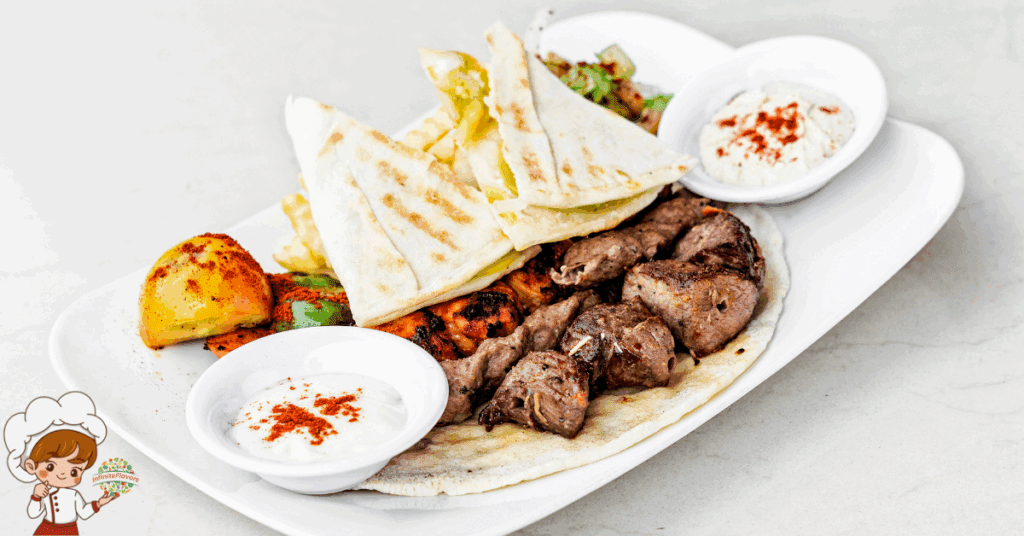
Middle Eastern Barbecue And Grilling Ideas; For a delicious Middle Eastern barbecue, start with flavorful spices like sumac, za’atar, and cumin. Marinate meats in a yogurt base for tenderness, infusing them with garlic and fresh herbs. Classic options like shish kebabs and kofta offer a great variety. Don’t forget vibrant veggie skewers featuring bell peppers and mushrooms. Enjoy grilled halloumi or stuffed peppers for tasty vegetarian choices. Serve with sides like tabbouleh or hummus for a complete meal. Experimenting with marinades and techniques will elevate your grilling game. If you want even more ideas for enhancing your barbecue spread, you’re in for a treat!
Popular Middle Eastern Spices
Spices are the heart of Middle Eastern cuisine, infusing dishes with vibrant flavors and enticing aromas. To elevate your barbecue experience, you can’t overlook the power of popular Middle Eastern spices. Start with sumac seasoning; its tangy, lemony notes can brighten up grilled meats and vegetables alike. Za’atar blends, a mix of herbs, sesame seeds, and sumac, add a unique depth to your dishes, making them irresistible.
Next, consider harissa paste for a spicy kick. This North African chili paste can marinate meats, giving them a bold flavor that’ll leave everyone craving more. If you want to incorporate some warmth, cardamom pods and coriander seeds are essential. Cardamom offers a sweet, floral aroma, while coriander adds an earthy undertone. Cumin powder is another must-have; its nutty, warm flavor enhances your barbecue rubs perfectly.
Turmeric roots bring a golden hue and a mild, earthy taste to your dishes, while chili flakes give you the heat you desire. Sprinkle a bit over your grilled vegetables or meats for that extra zing. Finally, garlic granules and fenugreek leaves can elevate your marinades and dips, infusing them with robust flavor.
Essential Grilling Techniques
When it comes to Middle Eastern barbecue, mastering essential grilling techniques is key to achieving that authentic flavor. You’ll want to focus on marinades and seasoning tips, guarantee you have the right grilling equipment, and know the ideal cooking times and temperatures for your meat. Let’s explore how to elevate your grilling game!
Marinades and Seasoning Tips
To achieve mouthwatering flavors in your Middle Eastern barbecue, mastering marinades and seasoning techniques is essential. Start with a yogurt base for your marinades; it tenderizes meat while adding a creamy richness. Combine it with a garlic infusion to layer in that aromatic punch. Don’t forget to include citrus zest, which brightens your dishes and enhances the overall flavor profile.
Spice blends are your best friends when it comes to seasoning. Experiment with za’atar or sumac to introduce nutty flavors and a hint of tang. Incorporate fresh herbs like parsley, cilantro, or mint to elevate your dishes with vibrant freshness. For that perfect heat balance, add a touch of chili or pepper, ensuring it complements rather than overwhelms the other flavors.
To round out your marinade, seek a sweet note with honey or pomegranate molasses, adding umami depth that makes your meats irresistible. Finally, consider infusing smoky undertones using spices like smoked paprika or by grilling over wood chips. With these marinades and seasoning tips, you’re on your way to creating unforgettable Middle Eastern barbecue that’ll impress family and friends alike.
Grilling Equipment Essentials
Having the right grilling equipment is vital for achieving authentic Middle Eastern barbecue flavors. Start with a reliable grill—whether it’s charcoal or gas, each type has its perks. A charcoal grill offers a smoky flavor that complements dishes like kebabs, while a gas grill provides convenience and control.
Invest in essential tools like a sturdy set of tongs, a grill brush for cleaning, and a meat thermometer for perfect cooking. Don’t forget a good marinade injector for those flavorful marinades you’ve prepared! Skewers are important, too; consider investing in both metal and bamboo varieties for different grilling needs.
Make certain you also prioritize grill maintenance. Regularly clean the grates after each use to prevent sticking and enhance flavor. Run through these grill maintenance tips: check for gas leaks if you’re using a gas grill, and keep the burners clear of debris to guarantee even heating. Finally, keep your grilling space organized and stocked with necessary tools to streamline your cooking process. With the right equipment and care, you’ll be well on your way to serving up delicious Middle Eastern barbecue that impresses family and friends alike!
Cooking Times and Temperatures
Understanding cooking times and temperatures is vital for mastering Middle Eastern barbecue. Each type of meat you grill requires different cooking times and ideal internal temperatures to guarantee flavor and safety. For instance, chicken should reach an internal temperature of 165°F, while lamb can be enjoyed at 145°F for medium-rare.
To maintain grilling safety, always use a reliable meat thermometer. This tool helps you avoid undercooked meat, which can lead to foodborne illnesses. When grilling skewers, remember that smaller pieces cook faster, so adjust your timing accordingly.
For kebabs, a general guideline is to grill them for about 10-15 minutes over medium heat, turning occasionally. If you’re grilling larger cuts, like a whole leg of lamb, you may need to cook it for 1.5 to 2 hours, depending on the size and desired doneness.
Keep in mind that resting your meat after grilling is essential. It allows the juices to redistribute, enhancing flavor and tenderness. By following these temperature guidelines and cooking times, you’ll create delicious, safe, and authentic Middle Eastern barbecue every time.
Classic Kebabs and Skewers
Classic kebabs and skewers are the heart of Middle Eastern barbecue, showcasing a delightful blend of flavors and textures. When you think of kebabs, you might picture the iconic shish kebabs, which often feature marinated chunks of meat grilled to perfection. However, the world of kebab variations is vast. You can explore options like kofta kebabs, made from spiced ground meat, or even veggie skewers packed with colorful peppers, onions, and mushrooms.
Choosing the right skewer types can elevate your grilling experience. Metal skewers are durable and conduct heat well, ensuring even cooking. On the other hand, wooden skewers add a rustic touch but require soaking in water to prevent burning on the grill. Experiment with different lengths and thicknesses to find what works best for your kebab creations.
To assemble your kebabs, simply thread your chosen ingredients onto the skewer, alternating between meat and vegetables for a visually appealing presentation. Make sure to leave a little space between each piece to allow for even heat distribution. As you grill, keep an eye on the cooking time—some kebab variations may cook faster than others, especially those with tender veggies.
Ultimately, the key to mastering classic kebabs and skewers lies in your creativity. Mix and match flavors, and don’t be afraid to try new combinations. With each skewer you create, you’ll bring a taste of the Middle East to your barbecue. Enjoy the grilling adventure!
Marinating Meats for Flavor
When it comes to marinating meats, the right ingredients make all the difference in flavor. You’ll want to take into account essential components like yogurt, spices, and citrus to bring out the best in your dish. Plus, knowing how long to marinate and applying techniques for even coating guarantees every bite is bursting with taste.
Essential Marinade Ingredients
To achieve mouthwatering flavor in your Middle Eastern barbecue, the right marinade ingredients are key. Start with a yogurt base, which not only tenderizes the meat but also adds a creamy richness that enhances the dish. Mix in fresh garlic and onion for depth, and don’t forget to add spices like cumin, coriander, and smoked paprika for that authentic flavor profile.
Next, incorporate citrus zest—lemon, lime, or orange works beautifully. The zest will brighten the marinade and lend a revitalizing tang that cuts through the richness of the yogurt. You can also squeeze in some juice for extra acidity, which helps to further tenderize the meat.
To round out your marinade, consider adding a touch of olive oil for a smooth texture and to help the flavors penetrate the meat better. A pinch of salt and a sprinkle of black pepper will help to enhance all those wonderful flavors.
Marinating Time Recommendations
Marinating meats is essential for infusing them with rich flavors and achieving the perfect tenderness. The marinating time depends on the type of meat and marinade types you choose. For chicken, a quick marinade of 30 minutes to 2 hours works well, especially with yogurt-based marinades that tenderize while adding flavor. For beef or lamb, aim for at least 4 to 12 hours—these meats benefit from longer marinating times, allowing the flavors to penetrate deeply.
If you’re using a citrus-based marinade, keep the marinating time shorter. The acid can break down the meat too much, leading to a mushy texture. Fish and seafood also require minimal marinating time—15 to 30 minutes is usually sufficient.
The marinating benefits are clear: not only do you enhance flavor, but you also tenderize and add moisture to the meat, resulting in a more enjoyable eating experience. Experiment with different marinade types and adjust marinating times based on your preferences. Always remember, the longer the marinating time, the more intense the flavor, but balance is key to avoiding overly soft meat.
Techniques for Even Coating
Achieving an even coating of marinade on your meats is key to maximizing flavor and tenderness. To get that perfect coat, start by choosing the right container. A resealable plastic bag or a shallow dish works well, as they allow the marinade to evenly envelop the meat. When you add the marinade, use your hands to massage it into the meat, ensuring every surface is covered.
For effective coating techniques, consider using a brush to apply the marinade, especially for thicker mixtures. This method helps you control the amount used and prevents any excess from pooling. Additionally, you can try the “shake and coat” method—simply place the meat in a bag with the marinade and shake until it’s evenly coated.
Vegetarian Options to Try
Exploring vegetarian options can elevate your Middle Eastern barbecue experience, showcasing vibrant flavors and enticing textures. Start off with grilled halloumi, that squeaky cheese that caramelizes beautifully on the grill. Pair it with a drizzle of olive oil and a sprinkle of za’atar for a delightful starter.
Next, try stuffed peppers filled with a savory mix of rice, herbs, and spices. They’re not only colorful but also packed with flavor, making them a perfect addition to your spread. Veggie kofta is another fantastic option; made with chickpeas, herbs, and spices, these skewers deliver a hearty alternative that everyone will love.
Spiced mushrooms are a must-try. Toss them in a blend of cumin, coriander, and smoked paprika before grilling. Their earthy flavor will complement your barbecue perfectly. Don’t forget about herb salads, either. A revitalizing tabbouleh variation with parsley, mint, and bulgur can brighten up your meal and add a rejuvenating contrast to the grilled dishes.
Grilled eggplant is another delightful choice; brush it with tahini and sprinkle with pomegranate seeds for an extra touch of flavor. Marinated zucchini, sliced and grilled to perfection, can also add a nice crunch and subtle sweetness.
Traditional Middle Eastern Sides
When you’re planning a Middle Eastern barbecue, traditional sides can enhance the meal and bring out the flavors of the grilled dishes. One of the must-have sides is tabbouleh salad. This revitalizing dish, made with finely chopped parsley, mint, tomatoes, and bulgur wheat, is tossed in a zesty lemon and olive oil dressing. The bright flavors complement grilled meats beautifully, and it adds a vibrant pop of color to your table.
Another crowd-pleaser is baba ganoush. This smoky eggplant dip is not only delicious but also a fantastic way to use your grill. Simply roast the eggplants until they’re charred and tender, then blend them with tahini, garlic, lemon juice, and olive oil. Serve it with warm pita bread or fresh vegetables for dipping. The rich, creamy texture of baba ganoush pairs perfectly with the charred flavors from your barbecue.
Don’t forget to include some pickled vegetables, too. They provide a tangy crunch that cuts through the richness of grilled meats and dips. You can easily make your own using cucumbers, turnips, or radishes, seasoned with vinegar and spices.
Lastly, consider a side of hummus. While it’s often categorized as a dip, its hearty nature makes it a great addition to your spread. By including these traditional sides, you’ll elevate your Middle Eastern barbecue and create a memorable dining experience. Enjoy the delicious harmony of flavors!
Flavorful Dips and Sauces
Dips and sauces are essential for any Middle Eastern barbecue, adding layers of flavor and enhancing your grilled dishes. You can’t go wrong with classic hummus variations. Try adding roasted red pepper for a sweet twist or some spicy harissa for a kick. If you’re feeling adventurous, whip up one of the many tahini recipes; this sesame paste pairs beautifully with grilled meats and vegetables.
Baba ghanoush is another crowd-pleaser. Use these baba ghanoush tips: roast the eggplant until it’s charred to bring out its smoky flavor. Blend it with tahini, garlic, and lemon juice for a delightful dip. For something lighter, yogurt dips are perfect. Mix plain yogurt with herbs like dill or mint, and you’ve got a revitalizing side that complements grilled lamb or chicken.
Don’t forget about zesty chimichurri, which can elevate your barbecue. This fresh sauce, typically made with parsley, garlic, and olive oil, adds brightness to your grilled fare. For those who love garlic, consider creating garlic sauces that pair well with shawarma.
Mint chutney offers a revitalizing contrast to heavier dishes, while za’atar blends can be sprinkled over dips for added flavor. Whether you’re hosting a barbecue or enjoying a casual dinner, these flavorful dips and sauces will elevate your meal and impress your guests. So, mix and match these ideas to create a vibrant spread that everyone will love!
Grilling Unique Vegetables
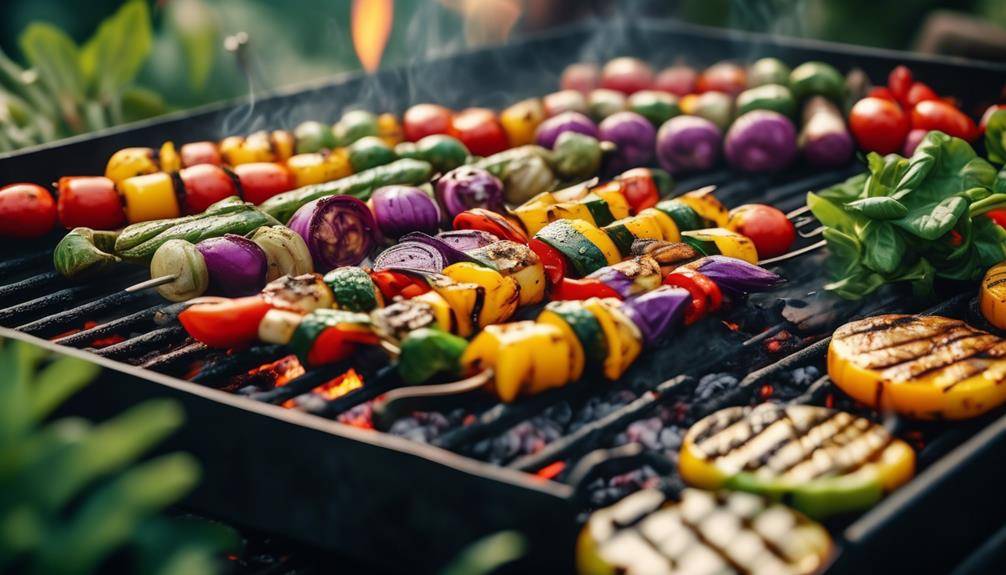
When grilling unique vegetables, you can transform your barbecue with flavorful marinades and spices. Mix and match creative vegetable combinations to elevate your dishes beyond the usual fare. You’ll find that experimenting with textures and tastes can lead to a deliciously memorable meal.
Flavorful Marinades and Spices
A variety of marinades and spices can elevate unique vegetables on the grill, turning a simple barbecue into a culinary adventure. Start by creating a marinade that combines citrus zest with your favorite herb blends. The bright notes of lemon or orange zest can awaken the flavors of vegetables like zucchini, bell peppers, or eggplant.
Consider mixing olive oil with fresh herbs like thyme, rosemary, or cilantro. This combination not only enhances the taste but also adds a fragrant aroma as the vegetables grill. Simply toss your chosen veggies in the marinade, allowing them to soak up those vibrant flavors for at least 30 minutes before grilling.
For a bolder kick, add some garlic and a pinch of chili flakes to your herb blend. This will create a delightful contrast that complements the natural sweetness of the vegetables. Remember to keep an eye on them as they cook; grilled veggies should be tender yet crisp. Serve them drizzled with a bit of extra olive oil or a squeeze of fresh lemon juice for an added burst of flavor. Enjoy the deliciousness of your Middle Eastern-inspired grilled vegetables!
Creative Vegetable Combinations
There’s something exciting about experimenting with creative vegetable combinations on the grill. You can elevate your barbecue by incorporating a variety of textures and flavors. Start with grilled halloumi, which offers a salty, creamy bite that pairs perfectly with fire-roasted tomatoes. Stuffed peppers filled with spiced zucchini and herb-infused mushrooms add a delightful twist, bringing a burst of color and flavor to your plate.
Don’t forget about roasted eggplant, which can be drizzled with olive oil and seasoned to perfection. Charred asparagus adds a satisfying crunch and a smoky taste that complements the other grilled vegetables. Marinated artichokes, with their tangy flavor, can also be a great addition, giving your spread a Mediterranean flair.
To really impress your guests, mix these vegetables on skewers for a vibrant, easy-to-serve option. You’ll create a stunning array of grilled goodies that not only look beautiful but also taste incredible. So fire up the grill and get creative—each bite of your vegetable medley will be a reflection of your culinary skills!
Cooking With Flatbreads
Flatbreads are a versatile canvas for your Middle Eastern barbecue creations. You can explore a range of flatbread varieties, from fluffy pita to thin lavash, each providing a unique texture and flavor that complements your grilled meats and vegetables. These flatbreads can be used in countless ways, whether as wraps, bases for toppings, or simply served alongside your meal.
When it comes to grilling techniques, consider using flatbreads to soak up the delicious juices from your grilled dishes. For instance, you can warm pita or lavash directly on the grill for a few moments until they’re slightly charred and puffed. This not only enhances their flavor but also adds a delightful smokiness that elevates your barbecue experience.
Another great method is to create flatbread pizzas. Spread a thin layer of olive oil, add some za’atar, and top with grilled veggies or spiced meats. Place them on the grill until the bread is crispy and the toppings are perfectly cooked. You’ll love the combination of flavors and textures!
You can also use flatbreads for dipping. Serve them with a side of tahini or yogurt sauce, allowing your guests to tear off pieces and scoop up their favorite dips. This interactive dining experience is a hallmark of Middle Eastern culture and makes your barbecue feel even more festive. Embrace these flatbread ideas and watch as they become the star of your next Middle Eastern barbecue!
Perfecting the Charcoal Fire
Mastering the charcoal fire is essential for achieving that perfect smoky flavor in your Middle Eastern barbecue. To start, you need to choose the right charcoal types. Lump charcoal burns hotter and faster, giving you that intense heat ideal for searing meats. On the other hand, briquettes provide a more consistent burn, which is great for longer cooking times. Depending on your recipe, you might want to mix both for best results.
Once you’ve selected your charcoal, it’s all about fire management. Begin by lighting your charcoal in a chimney starter, which helps you avoid lighter fluid and keeps the flavor pure. Wait until the coals are glowing red and covered with ash, indicating they’re ready for cooking.
When you pour the hot coals into your grill, arrange them for different cooking zones: a hot zone for searing and a cooler zone for slower cooking. Managing these zones allows you to control the cooking temperature effectively. If your fire gets too hot, simply place the lid on or move the food to the cooler side.
Pairing Drinks With Grilled Dishes
Choosing the right drink to complement your grilled dishes can elevate your Middle Eastern barbecue experience. When it comes to drink pairings, you’ll want to take into account the flavors and spices of your food. For instance, if you’re grilling kebabs marinated in fragrant spices, a revitalizing mint lemonade or a fruity pomegranate juice can balance the richness beautifully.
If you’re serving grilled lamb, try pairing it with a robust red wine, like a Syrah or a Cabernet Sauvignon, which enhances the savory flavors. On the other hand, grilled chicken seasoned with sumac or za’atar might go well with a chilled white wine, such as a Sauvignon Blanc or a light-bodied rosé. These beverages can bring out the dish’s subtleties while keeping things light and invigorating.
For non-alcoholic options, think about traditional drinks like ayran, a yogurt-based beverage that cools the palate and complements spicy dishes. You could also go for a sparkling water infused with lemon or cucumber, which refreshes and cleanses the taste buds.
When it comes to dessert, consider a sweet mint tea or a dessert wine, like Muscat, to finish off your meal. These beverage recommendations can create a harmonious dining experience, enhancing the flavors of your grilled creations and leaving your guests satisfied. So, next time you fire up the grill, don’t forget to contemplate what you’ll be sipping alongside those delicious dishes!
Frequently Asked Questions: Middle Eastern Barbecue And Grilling Ideas
What Are the Best Meats for Middle Eastern Barbecue?
When choosing the best meats for barbecue, consider marinated meats like lamb, chicken, or beef. You’ll love experimenting with various grilling techniques to enhance flavors, ensuring your barbecue is both delicious and memorable.
How Can I Adjust Spice Levels in Middle Eastern Dishes?
To adjust spice levels in your dishes, experiment with spice substitutions. If a recipe calls for a hot pepper, try a milder one to maintain heat balance. Taste as you go for the best results!
Are There Gluten-Free Options for Middle Eastern Grilling?
Yes, there are gluten-free options for grilling. You can use gluten-free marinades for meats and vegetables. Pair them with alternative grains like quinoa or rice for a delicious, satisfying meal that everyone can enjoy.
What Is the History Behind Middle Eastern Barbecue Traditions?
You’ll find that Middle Eastern barbecue traditions reflect rich cultural significance, blending communal gatherings and family ties. Various cooking techniques, like skewering and slow-roasting, showcase regional flavors and enhance the shared experience of enjoying food together.
How Do I Store Leftover Grilled Middle Eastern Dishes?
To store leftover grilled dishes, use airtight containers for proper storage. Refrigerate promptly, and when you’re ready to enjoy them again, reheating techniques like microwaving or oven baking can help retain their flavors.

Conclusion
Now that you’ve got a taste of Middle Eastern barbecue and grilling ideas, it’s time to fire up that grill! Experiment with spices, marinate your meats, and don’t forget those delicious vegetarian options. Embrace the art of skewering and grilling unique veggies for a colorful platter. Pair your masterpiece with invigorating drinks, and you’re all set for a memorable feast. So gather your friends and family, and enjoy the vibrant flavors of Middle Eastern cuisine!