
Nutritional Genomics for Improved Health
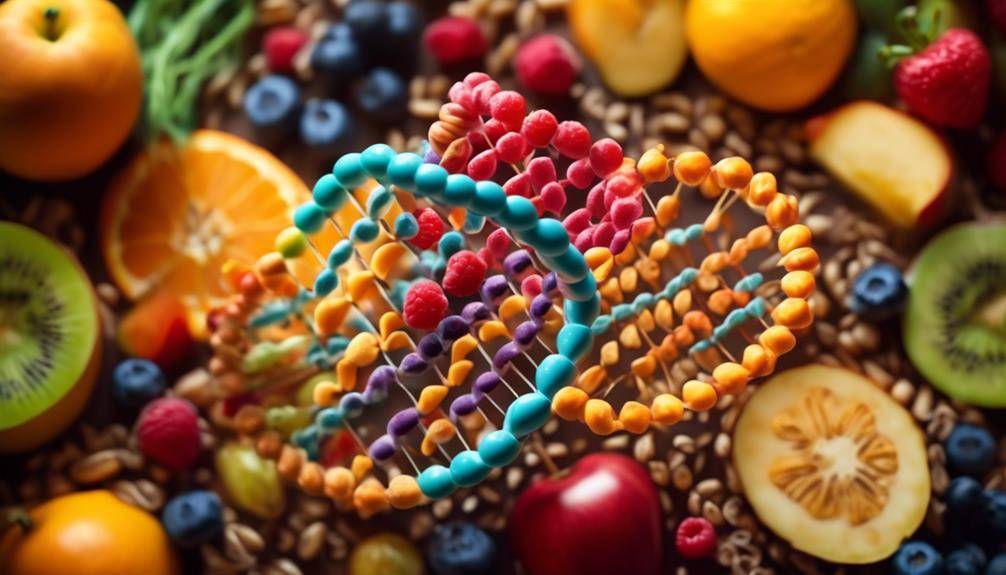
Nutritional Genomics for Improved Health; In a world where science and technology continue to reshape how we live, one field stands out for its potential to transform our health: nutritional genomics. This rapidly growing discipline explores how our genes interact with the foods we eat — and how those interactions influence everything from nutrient metabolism to long‑term disease risk. By understanding the connection between DNA and diet, researchers are uncovering new ways to personalize nutrition, improve health outcomes, and support weight management. This guide breaks down the science in a simple, practical way so you can understand how your genes may shape your nutritional needs.
By combining the power of genetics and nutrition, this emerging discipline aims to uncover the intricate relationship between our genes and the food we consume. But how exactly does it work? How can understanding our genetic makeup help us make informed choices about the foods we eat? And what implications does this have for improving our overall health? Get ready to embark on a journey that will challenge your understanding of nutrition and leave you with a newfound appreciation for the potential of nutritional genomics.
By the end of this post, readers will understand:
- What nutritional genomics is and why it matters
- How genes influence nutrient metabolism and absorption
- How food can modify gene expression through epigenetics
- How gut microbiota affect gene‑nutrient interactions
- How genetic variations impact weight management
- How personalized nutrition plans are created using genetic data
- Why nutritional genomics is shaping the future of health and wellness
The Basics of Nutritional Genomics
Understanding the basics of nutritional genomics is crucial for improving your health and making informed choices about your diet. Nutritional genomics, also known as nutrigenomics, is the study of how our genes interact with the foods we eat and how this interaction affects our health. It involves understanding gene variations and how they can impact our nutritional needs and responses to different diets.
Gene variations, or genetic variations, refer to differences in our DNA sequence that can affect how our bodies metabolize and respond to nutrients. These variations can influence our risk of developing certain diseases and can also impact our nutrient requirements. By understanding your own gene variations, you can gain valuable insights into which nutrients you may need more of, or which ones you may need to limit.
Personalized nutrition plans are a key application of nutritional genomics. These plans take into account your individual genetic makeup to tailor your diet to your specific needs. For example, if you have a gene variation that affects your ability to metabolize certain nutrients, your personalized nutrition plan may recommend specific foods or supplements to ensure you are getting enough of those nutrients.
Understanding the Role of Genes in Nutrition
Genes play a critical role in determining how our bodies process and utilize nutrients from the foods we eat. Our genes influence various aspects of nutrition, including metabolism and nutrient absorption. Understanding the role of genes in nutrition can help us make informed choices about our diet and optimize our health.
Metabolism is the process by which our bodies convert food into energy. It is regulated by a complex interplay of genetic and environmental factors. Certain genes can affect our basal metabolic rate, which is the amount of energy our bodies need to maintain basic functions at rest. Variations in these genes can influence how efficiently our bodies process and burn calories.
Genetic factors also play a role in nutrient absorption. The ability to absorb and utilize nutrients from our food is influenced by genes involved in the structure and function of our digestive system. For example, variations in genes responsible for the production of digestive enzymes can impact how well we break down and absorb nutrients from different food sources.
Understanding our genetic predispositions can help us personalize our nutrition and make choices that align with our unique needs. Genetic testing can provide valuable insights into our individual genetic makeup and guide us towards foods and dietary strategies that are best suited for our bodies. By taking into account our genetic factors in metabolism and nutrient absorption, we can optimize our nutrient intake and potentially reduce the risk of nutrition-related health conditions.
Exploring the Impact of Food on Gene Expression
Food has the potential to influence the way our genes are expressed, impacting our health and well-being. This emerging field of study, known as nutrigenomics, explores the intricate relationship between nutrition and gene expression. Recent research has shown that genetic variations in exercise response can play a significant role in athletic performance. By understanding how certain foods interact with our genes, we can optimize our diet to enhance our athletic abilities.
One area of interest in nutrigenomics is the identification of genetic variations that affect exercise response. These variations can influence how our bodies respond to different types of exercise, such as endurance training or strength training. For example, certain genetic variations have been associated with an increased ability to metabolize carbohydrates, which can enhance endurance performance. By identifying these genetic variations, athletes can tailor their diet to maximize their athletic potential.
Genetic variations in exercise response are not the only aspect to consider when it comes to nutrigenomics and athletic performance. The timing and composition of meals can also have a significant impact. For instance, consuming a high-carbohydrate meal before exercise has been shown to improve endurance performance. This is because carbohydrates are the body’s primary source of energy during exercise. On the other hand, consuming protein-rich meals after exercise can aid in muscle recovery and growth.
Incorporating nutrigenomics into your athletic routine can provide valuable insights into how food can optimize your gene expression and enhance your performance. By understanding your genetic variations in exercise response, you can personalize your diet to meet your specific needs. Consulting with a registered dietitian or sports nutritionist who specializes in nutrigenomics can help you develop a tailored nutrition plan that maximizes your athletic potential. Remember, food is not only fuel for your body but also a powerful tool to unlock your genetic potential and improve your athletic performance.
Uncovering Genetic Variations in Nutrient Metabolism
Discovering genetic variations in nutrient metabolism can have a significant impact on how your body processes and utilizes nutrients. These variations can affect your body’s ability to break down and absorb certain nutrients, leading to potential deficiencies or imbalances. By uncovering these genetic variations, personalized nutrition approaches can be developed to optimize your nutrient intake and support your overall health and well-being.
Genetic Variations in Metabolism
Understanding the intricate interplay between our genetic makeup and nutrient metabolism can provide valuable insights into optimizing our health and well-being. Genetic variations in metabolism play a crucial role in how our bodies absorb and process nutrients, and can have a significant impact on the development of metabolic diseases. Here are three key points to consider:
- Genetic variations in nutrient absorption: Our genetic makeup influences how effectively our bodies absorb and utilize nutrients from the foods we consume. Variations in genes involved in nutrient transport and metabolism can affect the absorption of essential vitamins, minerals, and macronutrients, potentially leading to deficiencies or imbalances.
- Impact on metabolic diseases: Genetic variations in metabolism can contribute to the development of various metabolic diseases, such as diabetes, obesity, and cardiovascular disorders. Certain genetic variants may increase the risk of developing these conditions by influencing how our bodies handle nutrients, regulate energy metabolism, and process toxins.
- Personalized nutrition and treatment strategies: By understanding an individual’s genetic variations in metabolism, healthcare professionals can tailor personalized nutrition and treatment strategies to optimize nutrient absorption and minimize the risk of metabolic diseases. Nutritional genomics can help identify specific genetic variants that may require targeted interventions, such as modified dietary recommendations or personalized medication regimens.
Impact on Nutrient Processing
As we continue our exploration of genetic variations in metabolism, we now turn our attention to the impact these variations have on nutrient processing and metabolism. Genetic variations can affect the way our bodies absorb and utilize nutrients, leading to differences in nutrient metabolism among individuals. For example, certain genetic variations can affect the absorption of specific nutrients, such as iron or vitamin D. Understanding these genetic variations is crucial in developing personalized nutrition approaches, especially for athletes who have unique nutritional needs.
By uncovering genetic variations in nutrient absorption, researchers and practitioners can tailor nutrition recommendations to athletes based on their individual genetic makeup. This personalized approach can optimize nutrient processing and metabolism, leading to improved athletic performance, recovery, and overall health. By incorporating genetic information into nutrition strategies, athletes can maximize their potential and achieve their goals more effectively.
Personalized Nutrition Approaches
To optimize nutrient processing and metabolism, uncovering genetic variations in nutrient metabolism is essential for developing personalized nutrition approaches. Genetic testing allows for the identification of specific genetic variations that may impact an individual’s ability to metabolize and utilize certain nutrients. By understanding these genetic variations, dietary interventions can be tailored to suit each person’s unique genetic makeup, resulting in improved health outcomes. Here are three ways in which genetic testing can inform personalized nutrition approaches:
- Identifying nutrient deficiencies: Genetic testing can reveal an individual’s predisposition to certain nutrient deficiencies, such as vitamin D or iron. This information can guide targeted dietary interventions and supplementation strategies.
- Determining macronutrient needs: Genetic variations can influence an individual’s macronutrient requirements, including carbohydrates, fats, and proteins. Genetic testing can help determine the optimal balance of macronutrients for each person.
- Uncovering food sensitivities: Genetic variations can contribute to an increased risk of developing food sensitivities or intolerances. By identifying these variations, personalized nutrition approaches can be designed to avoid triggering foods and promote gut health.
Genetic testing, combined with appropriate dietary interventions, can empower individuals to make informed and personalized choices that support their unique genetic profiles, leading to better health outcomes.
Personalized Nutrition: Tailoring Diets to Genetic Profiles
Personalized nutrition, based on your genetic profile, has the potential to revolutionize the way we approach our diets. By understanding your unique genetic variations, we can customize your diet to optimize nutrient metabolism and promote better health outcomes. Research has shown that tailoring diets to genetic profiles can lead to numerous benefits, including improved weight management, reduced risk of chronic diseases, and enhanced overall wellbeing.
Genetic Diet Customization
Customizing your diet based on your genetic profile can lead to improved health outcomes. Thanks to recent genetic testing advancements, it is now possible to uncover valuable information about your body’s response to different nutrients. By analyzing specific genes related to metabolism, nutrient absorption, and food sensitivities, experts can create personalized meal plans that cater to your unique genetic makeup. Here are three ways genetic diet customization can benefit you:
- Targeted nutrient optimization: Genetic testing can identify your body’s ability to process certain nutrients, allowing for personalized recommendations to optimize your nutrient intake.
- Personalized weight management: Your genetic profile can provide insights into your metabolism and how your body responds to different types of diets, helping you achieve and maintain a healthy weight more effectively.
- Enhanced gut health: Genetic testing can reveal information about your gut microbiome, which plays a crucial role in digestion and overall health. By tailoring your diet based on this information, you can support a healthy gut and reduce the risk of digestive issues.
Health Benefits of Personalized Nutrition
By tailoring your diet to your genetic profile, you can unlock a multitude of health benefits through personalized nutrition. Genetic testing plays a crucial role in identifying specific genetic variations that can affect how your body metabolizes nutrients. Armed with this information, personalized diets can be designed to optimize your health and prevent potential health risks.
Research has shown that personalized nutrition can have a significant impact on various aspects of health, such as weight management, cardiovascular health, and chronic disease prevention. For example, individuals with a genetic predisposition to obesity may benefit from a diet that focuses on reducing carbohydrate intake, while those with a genetic risk for heart disease may benefit from a diet rich in heart-healthy fats. Personalized nutrition not only improves overall health outcomes but also enhances the effectiveness of dietary interventions, making them more targeted and tailored to individual needs.
Impact on Overall Wellbeing
Tailoring your diet to your genetic profile can have a profound impact on your overall wellbeing. Personalized nutrition based on your genetic makeup can affect not only your physical health but also your mental wellbeing and the aging process. Here are three ways in which personalized nutrition can contribute to your overall wellbeing:
- Impact on mental health: Research suggests that certain genetic variations can influence the way our bodies metabolize certain nutrients, and this can have an impact on our brain chemistry. By customizing our diets to address these genetic variations, we can potentially support optimal brain function and reduce the risk of mental health disorders.
- Role in the aging process: Our genes play a significant role in the aging process, including factors such as inflammation, oxidative stress, and cellular repair. Personalized nutrition can help promote healthy aging by optimizing nutrient intake and reducing the risk of age-related diseases.
- Enhanced overall health: By understanding our genetic profile, we can identify specific dietary needs and potential sensitivities. This personalized approach to nutrition can help optimize nutrient absorption, support a healthy gut microbiome, and reduce the risk of chronic diseases, ultimately leading to improved overall wellbeing.
Nutrigenomics and Disease Prevention
To optimize your health and reduce the risk of disease, incorporating the principles of nutrigenomics into your dietary choices is essential. Nutrigenomics is a field that explores the interaction between genetics, nutrition, and health outcomes. With recent advancements in genetic testing, researchers have been able to gain a deeper understanding of how our genes influence our response to different nutrients and how this knowledge can be utilized for disease prevention.
One area where nutrigenomics holds great promise is in the aging process. As we age, our bodies undergo various physiological changes that can increase the risk of developing chronic diseases such as cardiovascular disease, diabetes, and cancer. However, by understanding our genetic makeup and how it interacts with the food we consume, we can make informed dietary choices that can help delay the onset of these diseases and improve overall health.
Genetic testing advancements have allowed scientists to identify specific gene variants that are associated with an increased risk of certain diseases. By analyzing these genetic markers, individuals can gain insights into their susceptibility to certain conditions and tailor their diet accordingly. For example, someone with a genetic predisposition for heart disease may be advised to follow a diet low in saturated fats and high in omega-3 fatty acids, as these dietary choices have been shown to reduce the risk of cardiovascular events.
Incorporating nutrigenomics into disease prevention is a practical approach that can have a significant impact on your health. By understanding your genetic profile, you can make targeted dietary choices that align with your unique genetic makeup. This personalized approach to nutrition can help optimize your health, reduce the risk of disease, and improve overall well-being. As our understanding of nutrigenomics continues to advance, we can expect even more tailored dietary recommendations that can further enhance disease prevention efforts.
Genetic Testing for Optimal Dietary Recommendations
Are you curious about how your genes can influence your dietary needs? Genetic testing can provide valuable insights into your individual nutritional requirements, allowing for personalized diet plans tailored to your specific genetic markers for nutrition. By optimizing your dietary choices based on your genetic profile, you can enhance your overall health and well-being.
Personalized Diet Plans
A personalized diet plan, based on genetic testing for optimal dietary recommendations, can greatly improve your health and well-being. By analyzing your unique genetic profile, experts can tailor a meal plan that takes into account your specific nutritional needs and potential sensitivities. Here are three ways in which personalized diet plans can benefit you:
- Enhanced nutrient absorption: Genetic testing can identify variations in genes that affect how your body processes certain nutrients. With this information, your personalized diet plan can include foods that optimize nutrient absorption and utilization, ensuring that you are getting the most out of your diet.
- Reduced risk of chronic diseases: Genetic testing can identify genetic predispositions to certain conditions, such as heart disease or diabetes. Your personalized diet plan can then be designed to include foods that support optimal health and help mitigate these risks.
- Improved weight management: Genetic testing can provide insight into your body’s response to different types of diets, such as low-carb or low-fat. This information can guide the creation of a personalized meal plan that is more effective in promoting weight loss and maintaining a healthy weight.
Genetic Markers for Nutrition
Genetic markers for nutrition can provide valuable insights into optimal dietary recommendations for individuals. Genetic testing has revolutionized the field of personalized nutrition, allowing us to understand how our unique genetic makeup influences our response to different nutrients. By identifying specific genetic variants, we can tailor diet plans that optimize health outcomes based on an individual’s genetic predispositions.
Genetic testing analyzes an individual’s DNA to identify variations that affect nutrient metabolism, absorption, and utilization. This information can guide dietary recommendations by highlighting specific nutrients that may be more or less beneficial for an individual. For example, some people may have variations in genes related to caffeine metabolism, indicating that they may be more sensitive to the effects of caffeine and should moderate their intake.
Additionally, genetic markers can identify individuals who may have an increased risk of nutrient deficiencies or certain health conditions. By understanding these genetic predispositions, personalized nutrition plans can be developed to proactively address these concerns through targeted nutrient supplementation or dietary modifications.
Incorporating genetic testing into personalized nutrition approaches can enhance the effectiveness of dietary recommendations, leading to improved health outcomes. However, it is important to note that genetic markers are just one piece of the puzzle and should be considered alongside other factors such as lifestyle, environment, and individual preferences.
Optimizing Dietary Choices
To optimize your dietary choices based on your genetic makeup, it is essential to understand how specific genetic markers can inform optimal dietary recommendations for you. Genetic testing for allergies can provide valuable insights into your body’s unique reactions to certain foods. By identifying genetic markers associated with allergies, you can tailor your diet to avoid potential triggers and reduce the risk of adverse reactions.
Personalized meal planning takes into account your genetic profile to create a diet plan that is tailored to your specific nutritional needs. By considering your genetic variations, such as metabolism and nutrient absorption, personalized meal planning can optimize your nutrient intake and support overall health. Genetic testing for allergies and personalized meal planning are powerful tools that can help you make informed dietary choices and improve your well-being.
The Influence of Gut Microbiota on Gene-Nutrient Interactions
The interaction between gut microbiota and our genes plays a significant role in determining how our bodies process and use nutrients. The gut microbiota refers to the trillions of microorganisms that reside in our digestive tract. These microorganisms, including bacteria, fungi, and viruses, have been found to have a profound influence on our immune response and nutrient absorption.
One of the ways in which gut microbiota can influence our immune response is through their ability to produce and release metabolites. These metabolites can directly interact with our genes, affecting the expression of specific immune-related genes. For example, certain metabolites produced by gut bacteria have been shown to modulate the activity of immune cells, leading to either an enhanced or suppressed immune response. This highlights the intricate relationship between our gut microbiota and our immune system, and how it can impact our overall health.
Furthermore, gut microbiota also play a crucial role in nutrient absorption. They possess enzymes that our own digestive enzymes may lack, allowing them to break down certain complex carbohydrates, proteins, and fats that would otherwise be indigestible by our bodies. In this way, gut microbiota help us extract more nutrients from our food. Additionally, they can produce vitamins and other compounds that are essential for our health, such as vitamin K and short-chain fatty acids.
Understanding the influence of gut microbiota on gene-nutrient interactions is important for optimizing our health. By promoting a diverse and balanced gut microbiota through a healthy diet rich in fiber and fermented foods, we can support our immune system and enhance nutrient absorption. This knowledge can guide us in making informed dietary choices to promote overall well-being.
Epigenetics: How Food Can Modify Gene Expression
Understanding how the food we eat can modify gene expression is a key aspect of the field of epigenetics. Epigenetic modifications are changes in gene expression that do not involve alterations in the DNA sequence itself. Instead, they involve modifications to the structure of DNA or the proteins that interact with DNA, which can influence gene expression regulation. When it comes to food, certain nutrients and bioactive compounds have been found to have the ability to modify these epigenetic marks, thereby influencing gene expression.
Here are three ways in which food can modify gene expression through epigenetic modifications:
- DNA methylation: DNA methylation is a common epigenetic modification that involves the addition of a methyl group to the DNA molecule. Certain nutrients, such as folate, vitamin B12, and choline, are important for providing methyl groups for this process. Adequate intake of these nutrients can support proper DNA methylation patterns, which are crucial for gene regulation.
- Histone modifications: Histones are proteins that help package DNA into a compact structure called chromatin. Different modifications to histones, such as acetylation or methylation, can either increase or decrease gene expression. Certain dietary components, such as polyphenols found in fruits and vegetables, have been shown to affect histone modifications and subsequently influence gene expression.
- Non-coding RNA molecules: Non-coding RNAs are RNA molecules that do not code for proteins but play important regulatory roles in gene expression. Emerging research suggests that certain dietary factors, such as omega-3 fatty acids, can affect the expression of non-coding RNAs, thereby impacting gene regulation.
Nutritional Genomics and Weight Management
Nutritional genomics offers valuable insights into the relationship between our genetic makeup and weight management. When it comes to weight loss, genetic factors play a significant role. Understanding how our genes affect our response to food and exercise can help us develop more personalized and effective weight management strategies.
Research in the field of nutritional genomics has identified specific genes that are associated with weight gain or loss. For example, variations in the FTO gene have been linked to an increased risk of obesity. People with certain genetic variants may have a harder time losing weight and may need to adopt different dietary approaches or exercise regimens to achieve their goals.
By analyzing an individual’s genetic profile, nutritional genomics can provide personalized recommendations for weight management. For instance, someone with a genetic predisposition to obesity may benefit from a diet that is low in saturated fats and high in fiber. On the other hand, someone with a different genetic profile may respond better to a low-carbohydrate diet.
In addition to diet, nutritional genomics can also inform exercise recommendations. Genetic factors can influence our response to different types of exercise, such as cardio or strength training. By understanding an individual’s genetic predispositions, it is possible to tailor exercise programs that are more effective for weight management.
While nutritional genomics can provide valuable insights into weight management, it is important to remember that genetics is just one piece of the puzzle. Lifestyle factors, such as diet and exercise habits, also play a significant role in weight management. By combining genetic information with practical lifestyle changes, we can optimize our weight management efforts and improve our overall health.
Future Directions in Nutritional Genomics Research
As we continue to explore the exciting field of nutritional genomics, it is important to consider the future directions of research in this area. There are several key future research trends that hold great promise for advancing our understanding of the relationship between nutrition and genetics.
- Personalized Nutrition: One of the main goals of nutritional genomics is to develop personalized dietary recommendations based on an individual’s genetic makeup. Future research will likely focus on identifying specific genetic markers that can predict an individual’s response to different nutrients and dietary interventions. This will enable healthcare professionals to tailor dietary advice to each person’s unique genetic profile, leading to more effective and personalized nutrition interventions.
- Gene-Diet Interactions: Another area of future research is the investigation of gene-diet interactions. Understanding how specific genes interact with different nutrients and dietary patterns can provide valuable insights into the mechanisms underlying the relationship between nutrition and health. This knowledge can help in the development of targeted interventions that take into account an individual’s genetic predispositions and dietary needs.
- Ethical Considerations: As nutritional genomics continues to advance, it is crucial to address the ethical considerations associated with this field. Future research should explore the implications of genetic testing for nutritional recommendations, including issues related to privacy, informed consent, and potential stigmatization. Additionally, efforts should be made to ensure that the benefits of nutritional genomics are accessible to all populations, regardless of socioeconomic status or geographic location.
Frequently Asked Questions: Nutritional Genomics for Improved Health
How Can Nutritional Genomics Help With Treating Specific Diseases?
Treating diseases using nutritional genomics can be beneficial. Personalized diets based on genetic information can help manage specific conditions. Incorporating this approach can improve health outcomes and lead to more effective disease treatment.
What Are the Potential Risks or Limitations of Genetic Testing for Dietary Recommendations?
Potential controversies and privacy concerns are important considerations when it comes to genetic testing for dietary recommendations. It is essential to address these risks and limitations to ensure the effective and ethical use of this technology.
Can Nutritional Genomics Be Used to Determine an Individual’s Ideal Macronutrient Ratios?
Nutritional genomics can determine your ideal macronutrient ratios through analyzing genetic variations and nutrient metabolism. This information can be used to create individualized nutrition plans that optimize your health and well-being.
Are There Any Ethical Concerns Associated With Personalized Diets Based on Genetic Profiles?
There are ethical implications and privacy concerns associated with personalized diets based on genetic profiles. It is important to consider the potential misuse of genetic information and the impact on individuals’ autonomy and privacy.
How Does the Gut Microbiota Influence Gene-Nutrient Interactions and Overall Health?
The gut microbiota research has shown that it influences gene-nutrient interactions and overall health. By understanding how your genes and gut bacteria interact, you can make informed dietary choices for improved health.

Conclusion
Nutritional genomics is opening the door to a new era of personalized health. By understanding how our genes influence nutrient metabolism — and how food can modify gene expression — we can create individualized nutrition plans that support better health, improved energy, and more effective weight management. The role of gut microbiota and epigenetics further highlights the importance of tailoring dietary choices to each person’s unique biology. As research continues to advance, nutritional genomics holds tremendous promise for improving health outcomes and helping individuals make smarter, more informed dietary decisions.