7 Best Guides For Preparing Traditional French Desserts
7 Best Guides For Preparing Traditional French Desserts: If you want to master traditional French desserts, there are seven key guides that can help you. Start with mastering macarons, focusing on precise measurements and piping techniques. Perfect your éclairs by honing your choux pastry skills. Tarte Tatin requires choosing the right apples and caramelization techniques. Don't overlook classic crème brûlée, where a water bath guarantees even baking. Learn to create flaky puff pastry for a variety of treats. Rich chocolate mousse is all about high-quality chocolate and folding techniques. Finally, delightful profiteroles offer endless filling options. Stick around and you'll discover detailed tips for each dessert.
Mastering Macarons
Click Here and Turn Every Masterpiece into a Showstopper!
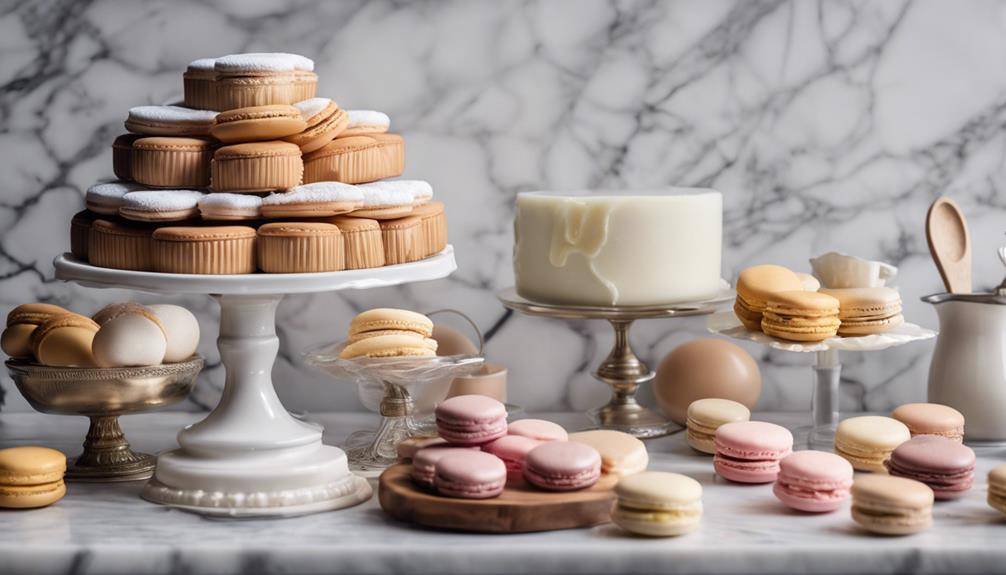
When it comes to mastering macarons, you'll find that precision and patience are key. The first step is to gather all your ingredients, which should be weighed accurately. This guarantees that your macarons have the right texture and taste. Many bakers experiment with various macaron flavors, so feel free to get creative. Classic options include vanilla, chocolate, and pistachio, but you can also try more adventurous flavors like lavender or matcha.
Once your ingredients are ready, it's time to focus on the piping techniques. Use a silicone mat or parchment paper to guide your shapes. A round piping tip (typically 1/2 inch) works best for creating uniform circles. When piping, keep the tip close to the surface, squeeze gently, and lift straight up to maintain a consistent size. Practice makes perfect, so don't hesitate to do a few trial runs before you commit to your final batch.
Allow your piped macarons to rest for about 30 minutes before baking. This step is essential as it forms a skin that helps create the coveted "feet" during baking. Bake them at a low temperature to avoid browning, and keep an eye on them to prevent overcooking. Once cooled, fill your macarons with your chosen ganache, buttercream, or jam. Remember, the more you practice, the better your macarons will become, so embrace the process and enjoy your journey into the world of these delicate French treats!
Perfecting Éclairs
Macarons might be the star of French pastries, but éclairs hold their own with a delightful combination of choux pastry, creamy filling, and glossy glaze. To perfect your éclairs, start with the choux pastry. It should be light and airy, which you achieve by properly measuring your ingredients and ensuring the batter is smooth before piping. Bake them until golden, and let them cool completely to avoid sogginess.
Next, focus on your éclair fillings. Classic options include rich pastry cream, flavored custards, or even whipped cream. Don't shy away from experimenting with flavors like coffee, chocolate, or vanilla to match your personal taste. Use a piping bag fitted with a small nozzle to inject the filling into each éclair, ensuring they're generously filled but not overstuffed.
When it comes to glazing techniques, a shiny chocolate glaze is a traditional choice. Melt dark chocolate with a bit of cream for a smooth finish. Alternatively, you can use fondant for a more upscale look. Pour the glaze over the cooled éclairs, allowing it to drip down the sides for an elegant presentation. For a pop of color, consider adding edible decorations or drizzles of contrasting glaze.
Tarte Tatin Techniques
When you're making Tarte Tatin, choosing the right apples is vital for achieving that perfect balance of sweetness and tartness. You'll also want to master caramelization techniques to get that rich, golden flavor that defines this classic dessert. Finally, perfecting your pastry crust will guarantee a delightful contrast to the tender, caramelized fruit.
Choosing the Right Apples
Choosing the right apples can make or break your Tarte Tatin. When selecting apple varieties, aim for those that hold their shape while cooking. Good choices include Granny Smith, Honeycrisp, or Braeburn. These apples provide a perfect balance of sweetness and tartness, which is vital for creating that irresistible flavor.
Don't forget about seasonal selection! Apples are at their best during the fall months, so try to use freshly harvested fruit. This not only enhances the taste but also guarantees that your dessert has the right texture. When you pick apples, look for firm, unblemished ones to avoid any mushiness in your Tarte Tatin.
It's also important to take into account the size of the apples. Medium-sized apples are ideal, as they fit well in your pan and cook evenly. If you're using larger varieties, just be mindful of how many you need to fill your dish.
Caramelization Techniques Explained
Getting the apples right is just the first step in mastering Tarte Tatin; the magic truly happens when you caramelize the fruit. To achieve that perfect caramel, you'll need to monitor the sugar temperature closely. Start by melting butter in your skillet, then add sugar, stirring gently until it dissolves. Keep an eye on the heat—too high, and the sugar can burn; too low, and it won't caramelize properly.
As the sugar heats, it will start to change color. You want that rich amber hue, which indicates that caramelization is happening. Aim for a temperature of about 320°F (160°C) for the best results. Once you see the caramel color you desire, carefully add the apples. They'll release moisture that will help create a beautiful sauce, but it can also cool the caramel slightly, so adjust your heat as needed.
Don't forget to swirl the pan gently to guarantee the apples are evenly coated. You want them to soak up that sweet, buttery goodness. Master these techniques, and you'll be well on your way to creating a stunning Tarte Tatin that impresses everyone.
Perfecting Pastry Crust
To achieve a perfect pastry crust for your Tarte Tatin, start with a balanced combination of flour, butter, and a pinch of salt. Use chilled, unsalted butter to guarantee a flaky texture. Cut the butter into the flour until it resembles coarse crumbs, then add ice water gradually until the dough holds together.
Once your dough is ready, let it rest in the fridge for at least 30 minutes. This step is essential; it relaxes the gluten, making it easier to roll out. When you're ready, roll the dough to your desired thickness, typically about 1/8 inch, and consider using different crust variations, like a sweet or savory twist, depending on your taste.
For the Tarte Tatin, you'll want to pre-bake your crust slightly before adding the caramelized apples. This guarantees a perfectly cooked crust that holds up under the juicy fruit. Mastering these pastry techniques can elevate your Tarte Tatin from good to unforgettable. Don't be afraid to practice and adjust your method; the key to perfection lies in experimentation. Enjoy the process, and your Tarte Tatin will surely impress!
Classic Crème Brûlée
There's nothing quite like a classic crêpe brûlée to impress your guests or indulge in a sweet treat at home. This rich and creamy dessert, with its signature caramelized sugar topping, is a perfect blend of simplicity and elegance. To create your own version, you'll need just a few key ingredients: heavy cream, egg yolks, sugar, and vanilla.
Start by heating the cream and whisking it with egg yolks and sugar until smooth. Pour the mixture into ramekins and bake them in a water bath to guarantee even cooking. After they've set, chill them in the fridge for a few hours. When you're ready to serve, sprinkle a thin layer of sugar on top and use a kitchen torch to achieve that irresistible crunchy layer.
While the classic version is delightful, don't hesitate to explore crème brûlée variations. You can infuse flavors like espresso, lavender, or citrus zest into the custard for a unique twist. Each variation brings its own charm, keeping your dessert repertoire exciting.
When it comes to serving suggestions, pair your crème brûlée with fresh berries or a dollop of whipped cream for a revitalizing contrast. You could also accompany it with a glass of dessert wine to elevate the experience. Whether you stick to the traditional flavor or venture into new territories, this classic dessert will surely leave a lasting impression. So go ahead, gather your ingredients, and indulge in the art of making crème brûlée!
Click Here and Turn Every Masterpiece into a Showstopper!
Flaky Puff Pastry
To create flaky puff pastry, you'll need some essential ingredients that set the foundation for success. Mastering the techniques for achieving those perfect layers is key to elevating your French desserts. Let's explore what you need and how to get that irresistible texture.
Essential Ingredients Needed
Flaky puff pastry is a staple in many French desserts, and having the right ingredients is vital for achieving that perfect texture. To make this delightful pastry, you'll need all-purpose flour, unsalted butter, cold water, and a pinch of salt. The butter is key; it should be high-quality and cold, as this helps create those flaky layers.
While these ingredients are important, you may find yourself in a pinch. If you don't have unsalted butter, you can use salted butter but reduce the added salt to maintain balance. For those avoiding gluten, you can experiment with gluten-free flour blends, although the texture might vary.
You'll also need some essential tools on hand. A rolling pin will help you shape the dough, while parchment paper prevents sticking. A sharp knife or pastry cutter will be useful for trimming edges. Remember, the quality of your ingredients and tools will greatly influence the final product, so don't skimp on either. With these essentials gathered, you're ready to start your flaky puff pastry journey!
Techniques for Perfect Layers
Achieving perfect layers in flaky puff pastry relies on a few key techniques that complement the quality ingredients you've gathered. First, make sure your butter is cold and pliable, as this will help create those beautiful layers. You can use a French rolling pin to roll out your dough evenly, maintaining a consistent thickness throughout.
When applying layering techniques, fold and roll the dough multiple times—typically three folds followed by rolling out—creating a minimum of six layers. This process helps attain that sought-after layer consistency. Remember to chill your dough between folds to prevent the butter from melting, which can lead to a tough pastry.
As you roll, aim for a rectangular shape; this makes it easier to fold and helps maintain even layers. Don't skip the resting periods; they're essential for letting the gluten relax and keeping your pastry flaky. Finally, when cutting your pastry, avoid using a sawing motion; instead, use a sharp knife to make clean cuts, making sure the layers remain intact. By following these techniques, you'll be well on your way to mastering flaky puff pastry with perfect layers.
Rich Chocolate Mousse
Indulging in a rich chocolate mousse is like wrapping yourself in a velvety blanket of cocoa goodness. This classic French dessert, with its airy texture and deep flavor, invites you to explore the chocolate origins that have shaped its luxurious taste. You'll find that the best mousses start with high-quality chocolate, preferably dark chocolate with a cocoa content of at least 70%. This not only enhances the flavor but also elevates the overall experience.
As you whip up your mousse, keep in mind the essential technique: folding whipped cream into melted chocolate. This step creates the light and fluffy texture that makes this dessert so irresistible. Don't hesitate to experiment with mousse variations, too! You can infuse your chocolate with flavors like coffee, orange zest, or even a hint of sea salt for a sophisticated twist.
When serving, consider adding a dollop of whipped cream or a sprinkle of cocoa powder to elevate the presentation. You might even add fresh berries for a contrasting tartness that balances the rich sweetness of the mousse. Whether you're preparing it for a special occasion or simply treating yourself, this dessert promises a delightful experience. So grab your whisk and get ready to create a dessert that's not only delicious but also a reflection of the artistry of French cuisine.
Delightful Profiteroles
After enjoying the rich decadence of chocolate mousse, you might find yourself craving another classic French treat: profiteroles. These delightful cream puffs are filled with luscious cream or chocolate fillings and drizzled with a rich sauce. Making profiteroles may seem challenging, but with the right pastry tips, you'll be crafting these elegant desserts in no time.
Start by preparing choux pastry, which is the base for your profiteroles. Combine water, butter, and a pinch of salt in a saucepan, bringing it to a boil. Once the butter melts, stir in flour until it forms a smooth dough. Let it cool slightly before adding eggs, one at a time, mixing until you achieve a glossy consistency.
Now, pipe the dough onto a baking sheet, forming small mounds. Remember to leave space between them, as they'll puff up beautifully in the oven. Bake until they're golden brown and hollow inside. Once cooled, it's time for the fun part: filling them!
You can use a pastry bag to inject your favorite chocolate fillings, or simply slice them open and spoon in the goodness. For an extra touch, drizzle melted chocolate or a rich ganache over the top.
With these pastry tips, you'll create delightful profiteroles that'll impress your family and friends. Enjoy these treats with a cup of coffee or as a sweet ending to any meal!
Click Here and Turn Every Masterpiece into a Showstopper!
Frequently Asked Questions: 7 Best Guides For Preparing Traditional French Desserts
What Kitchen Tools Are Essential for Making French Desserts?
To make French desserts, you'll need essential tools like a whisk, pastry bags, and a rolling pin. Mastering pastry techniques and perfecting dessert plating will elevate your creations and impress anyone who tastes them.
How Can I Substitute Ingredients for Dietary Restrictions?
To substitute ingredients for dietary restrictions, you can use vegan alternatives like almond milk, gluten-free options such as rice flour, sugar substitutes like stevia, and dairy replacements such as coconut cream. Experiment and enjoy delicious outcomes!
Can I Freeze French Desserts for Later Use?
Yes, you can freeze French desserts for later use. Use proper freezing techniques to prevent freezer burn, and remember to employ effective thawing methods to maintain texture and flavor when you're ready to enjoy them.
What Are Common Mistakes to Avoid When Baking?
When baking, avoid common mistakes like overmixing batter, which can create a dense texture, and using inaccurate measurements, leading to unbalanced flavors. Stick to the recipe for the best results and enjoy your baked goods!
How Do I Store Leftover Desserts Properly?
To store leftover desserts properly, use airtight dessert containers to keep moisture in. Maintain temperature control by refrigerating perishable items and storing others in a cool, dry place, ensuring they stay fresh and delicious longer.

Conclusion
Now that you've explored these seven fantastic guides, you're well on your way to mastering traditional French desserts. Each recipe offers a unique challenge, but with practice and patience, you'll create delicious treats that impress everyone. Don't hesitate to experiment and put your own spin on these classics. Remember, the joy of baking lies in the journey, so have fun, savor the process, and enjoy every bite of your delightful creations!