Simple Steps To Delicious Gluten-Free Dinners
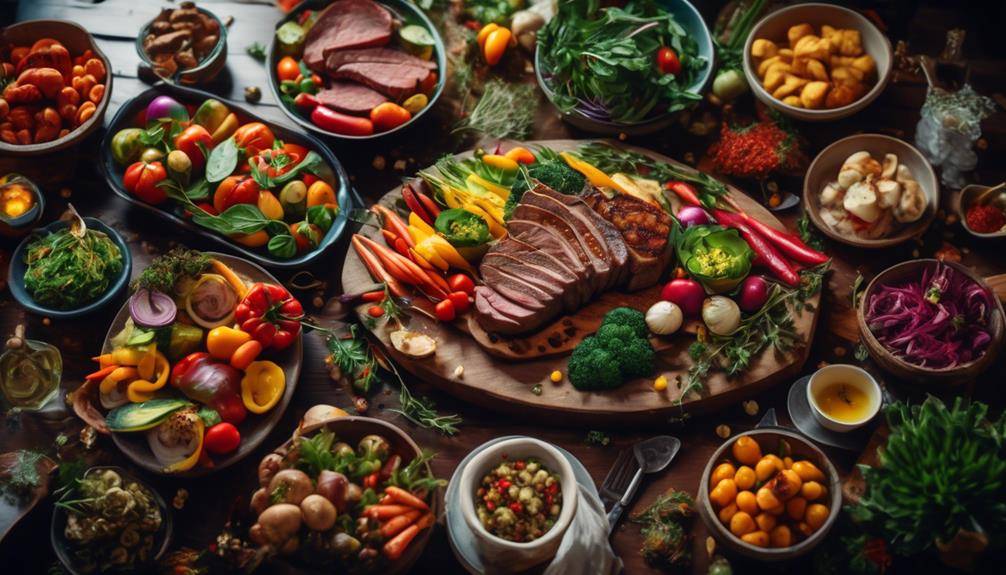
Steps To Delicious Gluten-Free Dinners; Are you tired of the same old gluten-free dinners that lack flavor and excitement? Well, fret no more, because we are here to guide you through some simple steps to create delicious gluten-free dinners that will leave you craving for more. Whether you’re a seasoned gluten-free cook or a newbie in the kitchen, these tips and tricks will help you elevate your meals to a whole new level. So, get ready to tantalize your taste buds with mouthwatering dishes that are both gluten-free and full of flavor.
The Basics of Gluten-Free Cooking
To successfully navigate the world of gluten-free cooking, it is essential to understand the basics. Gluten-free meal planning can seem overwhelming at first, but with a little knowledge and preparation, you can create delicious and satisfying meals that are safe for those with gluten sensitivities or Celiac disease.
When it comes to gluten-free breakfast options, there are plenty of delicious choices available. Traditional breakfast staples like eggs, bacon, and fresh fruit are naturally gluten-free. You can also enjoy gluten-free cereals made from grains like rice, quinoa, or corn. Just be sure to read labels carefully to ensure they are certified gluten-free.
Another popular gluten-free breakfast option is gluten-free pancakes or waffles. There are many gluten-free flour blends available that can be used as a substitute for regular flour. You can also find pre-made gluten-free pancake and waffle mixes in most grocery stores.
If you prefer a heartier breakfast, consider making a gluten-free breakfast casserole. Simply combine your favorite gluten-free ingredients like eggs, vegetables, and cheese, and bake until golden and bubbly. This can be a great make-ahead option for busy mornings.
Essential Ingredients for Gluten-Free Dinners
When it comes to gluten-free dinners, having pantry staples is essential. Stock up on gluten-free flours like almond, rice, and tapioca flour, as well as gluten-free pasta and grains like quinoa and millet. Additionally, fresh produce is a must for creating flavorful and nutritious gluten-free meals. Load up on fruits and vegetables to add color, texture, and nutrients to your dishes.
Pantry Staples
One key aspect of preparing gluten-free dinners is ensuring you have a well-stocked pantry with essential ingredients. Having these gluten-free pantry essentials at your fingertips will make meal preparation easier and more enjoyable. Here are some tips for organizing your pantry to ensure you have everything you need:
- Gluten-free flours: Stock up on a variety of gluten-free flours such as almond flour, rice flour, and tapioca flour. These can be used as substitutes for wheat flour in many recipes.
- Gluten-free grains: Quinoa, brown rice, and gluten-free oats are versatile and nutritious options for gluten-free meals. They can be used as the base for salads, stir-fries, or as a side dish.
- Gluten-free pastas: Explore the wide range of gluten-free pasta options available, made from ingredients like lentils, chickpeas, or corn. These provide a satisfying alternative to traditional wheat-based pastas.
- Gluten-free sauces and condiments: Keep a variety of gluten-free sauces and condiments on hand, such as tamari, gluten-free soy sauce, and gluten-free Worcestershire sauce. These will add flavor to your dishes without the worry of gluten contamination.
Fresh Produce
Stocking your pantry with fresh produce is essential for creating delicious and nutritious gluten-free dinners. Not only do fruits and vegetables add vibrant flavors and textures to your meals, but they are also packed with vitamins, minerals, and fiber that are vital for a healthy diet. To make the most of your fresh produce, consider preserving them through canning, freezing, or pickling.
This way, you can enjoy the flavors of seasonal produce all year round. When it comes to seasonal cooking, it’s important to choose fruits and vegetables that are in season to ensure optimal taste and quality. Seasonal produce is also often more affordable and readily available. So, explore your local farmer’s market or grocery store and experiment with different fruits and vegetables to create delightful gluten-free dinners.
How to Make Gluten-Free Pasta From Scratch
To make gluten-free pasta from scratch, you can easily create a delicious and satisfying alternative to traditional wheat-based pasta. Making your own gluten-free pasta allows you to have control over the ingredients and ensures that it is safe for those with gluten sensitivities or allergies. Here are some simple steps to get you started:
- Choose your flour: There are various gluten-free flours available that can be used to make pasta, such as rice flour, corn flour, or a blend of different gluten-free flours. Experiment with different combinations to find the texture and taste you prefer.
- Mix the ingredients: In a large bowl, combine the gluten-free flour with xanthan gum and a pinch of salt. Make a well in the center and crack in some eggs. Gradually incorporate the flour into the eggs until a dough forms.
- Knead and roll: Transfer the dough onto a lightly floured surface and knead it until it becomes smooth and elastic. Divide the dough into smaller portions and roll each portion out thinly using a rolling pin or a pasta machine.
- Cut and cook: Cut the rolled-out dough into your desired pasta shape, such as fettuccine or spaghetti. Boil a pot of salted water and cook the pasta for a few minutes until it becomes tender. Drain and rinse the pasta with cold water.
Now that you have your homemade gluten-free pasta, you can get creative with the sauces and toppings. Try some delicious variations like a classic tomato sauce with fresh herbs, a creamy Alfredo sauce made with gluten-free flour, a pesto sauce with basil and pine nuts, or a lemon garlic sauce with shrimp and vegetables. The possibilities are endless!
Simple and Flavorful Gluten-Free Stir-Fries
For a quick and delicious gluten-free dinner option, try making simple and flavorful stir-fries that are both satisfying and packed with vibrant flavors. Stir-frying is a cooking technique that involves quickly cooking bite-sized pieces of ingredients in a hot pan or wok, resulting in a dish that is full of texture and flavor. The best part is that stir-fries can be easily customized to suit your preferences and dietary needs, making them a perfect choice for those following a gluten-free diet.
To create flavorful gluten-free stir-fries, start by choosing ingredients that are naturally gluten-free, such as vegetables, protein sources like chicken, beef, or tofu, and gluten-free sauces like tamari or coconut aminos. These ingredients can be easily found in most grocery stores or specialty food markets.
For easy and quick gluten-free stir-fries, it’s important to prep your ingredients ahead of time. Cut your vegetables, meat, or tofu into uniform-sized pieces to ensure even cooking. Additionally, marinating your protein in gluten-free sauces or spices can add an extra layer of flavor.
When cooking, heat your pan or wok over high heat and add a small amount of oil. Start by cooking your protein until it is browned and cooked through, then remove it from the pan. Next, add your vegetables and stir-fry them until they are crisp-tender. Finally, return the protein to the pan and add your gluten-free sauce, tossing everything together until well-coated.
To serve, you can enjoy your flavorful gluten-free stir-fry on its own or with a side of gluten-free rice or noodles. The possibilities are endless when it comes to creating delicious and satisfying gluten-free stir-fries, so don’t be afraid to experiment with different combinations of ingredients and flavors.
Delicious Gluten-Free Pizza Crusts and Toppings
When it comes to creating delicious gluten-free pizza, there are numerous crust options and toppings to choose from. Making your own gluten-free pizza crust can be a fun and rewarding experience. Here are some unique gluten-free pizza crusts and toppings to help you create a mouthwatering pizza that everyone can enjoy:
- Cauliflower crust: Cauliflower crusts have become increasingly popular in the gluten-free community. They are made by blending cauliflower florets until they resemble rice, then mixing in cheese, eggs, and seasonings. This crust is not only gluten-free but also low in carbs, making it a healthy alternative.
- Quinoa crust: Quinoa is a versatile grain that can be used to make a delicious gluten-free pizza crust. Simply cook the quinoa, mix it with eggs and seasonings, then press it onto a baking sheet. Bake until crispy, then add your favorite toppings.
- Polenta crust: Polenta is a cornmeal-based dish that can be used to create a unique gluten-free pizza crust. Cook the polenta according to the package instructions, then spread it onto a baking sheet and let it cool. Once it has hardened, add your desired toppings and bake until golden and crispy.
- Zucchini crust: For a lighter and healthier option, try using zucchini as a pizza crust. Grate the zucchini, squeeze out any excess moisture, then mix it with cheese, eggs, and seasonings. Press the mixture onto a baking sheet and bake until golden brown. Add your favorite gluten-free pizza toppings and enjoy!
These gluten-free pizza crusts, paired with your choice of delicious gluten-free pizza toppings, will satisfy your cravings without compromising your dietary needs. Experiment with different flavors and combinations to create your perfect gluten-free pizza.
Mouthwatering Gluten-Free Soups and Stews
Indulge in the comforting flavors of mouthwatering gluten-free soups and stews, perfect for warming you up on chilly days. When it comes to gluten-free bread options to accompany your soups and stews, there are plenty of delicious choices to consider. Opt for gluten-free bread made from rice flour, tapioca flour, or almond flour. These alternatives provide a satisfying texture and flavor that will complement your meal.
Now, let’s talk about comforting gluten-free chili recipes. Chili is a hearty and flavorful dish that can be easily made gluten-free. Start by using gluten-free spices and seasonings, such as chili powder, cumin, and paprika. For the base, you can use gluten-free chicken or vegetable broth instead of traditional broth that may contain gluten.
To add depth to your chili, consider using gluten-free ingredients like black beans, kidney beans, or pinto beans. These legumes are not only gluten-free but also packed with fiber, protein, and nutrients. You can also add gluten-free vegetables like bell peppers, onions, and tomatoes for added flavor and texture.
When it comes to thickening your gluten-free chili, opt for gluten-free flours like cornstarch or rice flour. These alternatives work just as well as traditional wheat flour, ensuring a rich and thick consistency to your chili.
Easy Gluten-Free Casseroles for Busy Weeknights
Looking for quick and wholesome options for busy weeknights? Gluten-free casseroles are the answer! These one-pot wonders make dinner time a breeze, with minimal prep and easy cleanup. Plus, many casseroles can be made ahead of time, allowing you to simply pop them in the oven when you’re ready to eat.
Quick and Wholesome Options
For quick and wholesome options on busy weeknights, gluten-free casseroles are a convenient and delicious choice. These casseroles not only save time but also provide nutritious dinner ideas for those following a gluten-free diet. Here are four bullet points to help you create easy gluten-free casseroles:
- Use a variety of vegetables: Incorporate nutrient-rich vegetables like broccoli, bell peppers, and spinach to add flavor and texture to your casserole.
- Choose a protein source: Opt for lean meats such as chicken or turkey, or go for vegetarian options like tofu or beans to make your casserole filling and satisfying.
- Experiment with gluten-free grains: Replace traditional pasta or rice with gluten-free alternatives like quinoa or brown rice to make your casserole heartier.
- Don’t forget the sauce: A flavorful sauce can elevate the taste of your casserole. Look for gluten-free options or make your own using ingredients like tomato sauce, coconut milk, or vegetable broth.
With these simple tips, you can easily whip up a delicious gluten-free casserole for a quick and wholesome dinner on busy weeknights.
One-Pot Wonders
When it comes to quick and wholesome gluten-free dinners on busy weeknights, one-pot wonders are the perfect solution. These easy gluten-free casseroles are not only delicious but also save you time and effort in the kitchen. One-pot pasta dishes, for example, are a great option. Just throw all the ingredients into a pot, cook them together, and voila! You have a flavorful gluten-free meal in no time.
Another option is versatile skillet meals. With a skillet, you can cook a variety of ingredients together, creating a balanced and satisfying dinner. From stir-fries to fajitas, the possibilities are endless. With one-pot wonders, you can enjoy a delicious gluten-free dinner without the hassle of using multiple pots and pans. So, why not give them a try and simplify your weeknight cooking?
Make-Ahead Meals
If you’re looking to simplify your busy weeknight cooking even further, consider making ahead some easy gluten-free casseroles. Not only will this save you time during the week, but it will also ensure that you have delicious and nutritious meals ready to go whenever you need them. Here are a few ideas to get you started:
- Mexican Quinoa Casserole: Packed with protein and flavor, this casserole is made with quinoa, black beans, corn, tomatoes, and spices. It’s a crowd-pleaser that can be enjoyed for dinner or even as a make-ahead breakfast.
- Chicken and Broccoli Casserole: A classic combination, this casserole is made with chicken, broccoli, and a creamy gluten-free sauce. It’s a comforting and satisfying dish that can be easily reheated.
- Spinach and Mushroom Lasagna: This gluten-free lasagna is filled with layers of spinach, mushrooms, cheese, and gluten-free noodles. It’s a hearty and delicious meal that can be made ahead and enjoyed throughout the week.
- Sweet Potato and Black Bean Enchiladas: These enchiladas are filled with a flavorful mixture of sweet potatoes, black beans, and spices. They can be assembled ahead of time and baked when you’re ready to eat.
Creative Ways to Use Quinoa in Gluten-Free Meals
To add a nutritious and flavorful twist to your gluten-free meals, consider incorporating quinoa in creative and delicious ways. Quinoa is a versatile grain that is naturally gluten-free and packed with protein, fiber, and essential nutrients. While it is commonly used in salads and main dishes, there are also innovative ways to incorporate quinoa in gluten-free breakfast recipes and even desserts.
For a creative twist on breakfast, try making quinoa porridge. Cook quinoa in almond milk or coconut milk for a creamy and delicious base. Add your favorite fruits, nuts, and sweeteners like honey or maple syrup to customize your porridge. You can also make quinoa pancakes by blending cooked quinoa with eggs, gluten-free flour, and a touch of baking powder. Top them with fresh berries and a drizzle of pure maple syrup for a nutritious and satisfying breakfast.
When it comes to desserts, quinoa can be a surprising and healthy addition. Create gluten-free quinoa cookies by combining cooked quinoa with almond flour, eggs, and your choice of sweeteners. Mix in chocolate chips or dried fruits for added flavor. You can also make quinoa pudding by simmering cooked quinoa with coconut milk, vanilla extract, and a touch of sweetener. Serve it warm or chilled for a satisfying gluten-free dessert option.
Incorporating quinoa into your gluten-free meals not only adds a nutritional boost but also brings a delightful texture and taste. Whether you’re looking for creative breakfast ideas or innovative desserts, quinoa can be a versatile ingredient that enhances your gluten-free cooking. Give these ideas a try and enjoy the delicious and nutritious benefits of quinoa.
Gluten-Free Baking: Tips and Tricks for Success
Looking to master gluten-free baking? There are a few key tips and tricks that can help you achieve success. First, consider using flour alternatives such as almond flour, coconut flour, or gluten-free blends. These options can provide a similar texture and taste to traditional wheat flour. Additionally, when working with gluten-free dough, techniques like chilling the dough and using xanthan gum can help improve its elasticity and structure.
Flour Alternatives for Baking
There are various alternative flours available for successful gluten-free baking, each with its own unique properties and benefits. When it comes to gluten-free bread recipes, finding the right flour is crucial for achieving a delicious and satisfying result. Here are some alternative flours you can use for your gluten-free baking:
- Almond Flour: Made from ground almonds, almond flour adds a nutty flavor and moist texture to baked goods. It is rich in protein, healthy fats, and vitamin E.
- Coconut Flour: Derived from dried coconut meat, coconut flour is high in fiber and adds a subtle sweetness to baked goods. It also helps to absorb moisture, resulting in a moist and tender texture.
- Rice Flour: Made from finely milled rice, rice flour is a versatile option for gluten-free baking. It has a neutral flavor and works well in a variety of recipes.
- Buckwheat Flour: Despite its name, buckwheat is not a type of wheat and is naturally gluten-free. Buckwheat flour has a rich and earthy taste, making it a great choice for hearty bread recipes.
Experiment with these alternative flours to create delicious gluten-free bread that everyone can enjoy.
Techniques for Gluten-Free Dough
For successful gluten-free baking, mastering the techniques for working with gluten-free dough is essential. Whether you’re making gluten-free bread or gluten-free pastry, there are a few key tips to keep in mind. First, it’s important to use a combination of gluten-free flours to achieve the right texture. A mixture of rice flour, tapioca flour, and potato starch often works well.
Additionally, adding xanthan gum or guar gum can help bind the dough together. When working with gluten-free dough, it’s important to handle it gently and avoid overmixing, as this can lead to a dense and tough texture. Finally, make sure to give the dough enough time to rest and rise before baking, as this will help it develop a light and airy texture. With these techniques in mind, you can create delicious gluten-free bread and pastry that are just as satisfying as their gluten-filled counterparts.
Flavorful Gluten-Free Sauces and Dressings
To enhance the flavors of your gluten-free dinners, try incorporating a variety of delicious and vibrant gluten-free sauces and dressings. These flavorful additions can elevate any dish, from salads to grilled meats. Here are some options to consider:
- Gluten-Free Salad Dressings: A salad dressing can make or break a salad, and luckily, there are plenty of gluten-free options available. Look for dressings that are labeled gluten-free or make your own using ingredients like olive oil, lemon juice, Dijon mustard, and herbs. Experiment with different flavors such as balsamic vinaigrette, honey mustard, or creamy avocado.
- Tangy Gluten-Free Barbecue Sauces: Barbecue sauces are a staple for many meat dishes, and there are several gluten-free options to choose from. Look for brands that clearly state they are gluten-free, or make your own using gluten-free ingredients like ketchup, vinegar, brown sugar, and spices. Add a tangy kick to your grilled chicken or ribs with a homemade gluten-free barbecue sauce.
- Asian-inspired Gluten-Free Sauces: If you’re craving Asian flavors, there are gluten-free options for soy sauce, teriyaki sauce, and hoisin sauce available in most grocery stores. These sauces can be used to marinate meats, add flavor to stir-fries, or drizzle over rice or noodles. Look for gluten-free versions or make your own using gluten-free soy sauce alternatives like tamari or coconut aminos.
- Herb and Spice-infused Dressings: Add depth and complexity to your dishes with herb and spice-infused dressings. Experiment with flavors like cilantro-lime, garlic-herb, or chipotle-lime. These dressings can be used to marinate meats, drizzle over roasted vegetables, or as a dip for gluten-free bread.
Delectable Gluten-Free Desserts for Sweet Tooths
Elevate your gluten-free dining experience by satisfying your sweet tooth with a delectable array of gluten-free desserts that will leave you craving for more. Just because you follow a gluten-free diet doesn’t mean you have to miss out on indulging in delicious desserts. With a wide variety of gluten-free cookie recipes and ice cream options available, you can still enjoy sweet treats that are safe and satisfying.
When it comes to gluten-free cookies, there are countless recipes to choose from. Almond flour cookies, made with a blend of almond flour, butter, and sugar, offer a chewy and nutty flavor that is hard to resist. You can also try coconut flour cookies, which have a light and delicate texture. These cookies are typically made with coconut flour, coconut oil, and sweetened with natural sweeteners like honey or maple syrup. Experiment with different recipes and flavors to find your favorite gluten-free cookie.
If you’re an ice cream lover, there are plenty of gluten-free options available. Many brands now offer gluten-free ice cream flavors, clearly labeled on the packaging. Look for popular flavors like vanilla, chocolate, and strawberry, as well as unique options like salted caramel or mint chocolate chip. You can also make your own gluten-free ice cream at home using alternative flours, such as almond or coconut, to create a creamy and delicious treat.
Remember to always check labels and ingredients to ensure that the desserts you choose are indeed gluten-free. With the wide availability of gluten-free cookie recipes and gluten-free ice cream options, you can enjoy a variety of delectable desserts without compromising your dietary needs. So go ahead, indulge your sweet tooth and savor every gluten-free bite!
Tips for Dining Out Gluten-Free
When dining out gluten-free, it is important to be informed, prepared, and assertive to ensure a safe and enjoyable dining experience. Here are some tips to help you dine out safely while avoiding hidden sources of gluten:
- Research restaurants beforehand: Take the time to research restaurants in your area that offer gluten-free options. Look for establishments that have a separate gluten-free menu or clearly label gluten-free options on their regular menu. Reading reviews from other gluten-free diners can also provide valuable insights.
- Communicate your needs: When making a reservation or upon arrival, inform the restaurant staff about your gluten-free requirements. Clearly explain the importance of avoiding cross-contamination and ask about their procedures for preparing gluten-free meals. Don’t hesitate to ask questions about ingredients or cooking methods.
- Be mindful of hidden gluten sources: While some dishes may seem gluten-free, they can still contain hidden sources of gluten. Be aware of common culprits like soy sauce, marinades, dressings, and gravies, as these often contain gluten. Ask for gluten-free alternatives or request that these ingredients be omitted from your dish.
- Ask about cross-contamination: Cross-contamination can occur when gluten-free food comes into contact with surfaces or utensils that have been used for gluten-containing products. Ask the restaurant staff about their practices for preventing cross-contamination and if they have separate cooking areas or utensils for gluten-free meals.
Frequently Asked Questions: Steps To Delicious Gluten-Free Dinners
Can You Provide a List of Common Gluten-Free Flours and Their Uses?
You can find a list of common gluten-free flours and their uses. Incorporating gluten-free alternatives in your diet has many benefits.
Are There Any Gluten-Free Substitutes for Traditional Pasta in the Recipes?
You can find gluten-free pasta substitutes that work well in creative dinner recipes. These alternatives can range from zucchini noodles to lentil pasta, offering tasty options for those following a gluten-free diet.
Can You Suggest Any Gluten-Free Alternatives for Thickening Soups and Stews?
To thicken soups and stews without gluten, try using cornstarch, arrowroot powder, or tapioca starch. These alternatives work well and won’t compromise the taste. You can also make gluten-free bread at home using a mix of flours like almond, rice, and tapioca.
Are There Any Tips for Preventing Gluten Cross-Contamination in the Kitchen?
To prevent gluten cross-contamination in the kitchen, it’s important to have separate cutting boards, utensils, and cooking equipment for gluten-free foods. Use gluten-free flours like almond or rice flour for baking.
Can You Provide a List of Gluten-Containing Ingredients to Look Out for When Dining Out?
When dining out, be cautious of ingredients that may contain gluten. Some common ones include wheat, barley, rye, and malt. Always ask for gluten-free options and inform the restaurant about your dietary needs.

Conclusion
In conclusion, preparing delicious gluten-free dinners is easier than you may think. By understanding the basics of gluten-free cooking, stocking up on essential ingredients, and following simple recipes, you can enjoy a variety of flavorful meals without gluten. From homemade pasta to stir-fries, pizza crusts to desserts, there are endless possibilities for creating satisfying gluten-free dishes. Whether you’re dining at home or eating out, these tips will help you navigate the gluten-free lifestyle with ease.
If you enjoyed exploring this topic and want to dive even deeper, be sure to check out some of our other articles here on Infinite Flavors. From rich culinary histories to creative twists on classic recipes, there’s always something new to discover. Whether you’re curious about the origins of a dish, looking for fresh inspiration in the kitchen, or simply love learning about food culture, our collection of posts is the perfect next step on your flavor journey.
Crafting Amazing Spicy Dishes Using Exotic Cooking Spices
Why Does Cooking With Great Spices Boost Health
Exploring The Great Art Of Cooking With Whole Spices