Stir-Frying For Low-Carb Diet
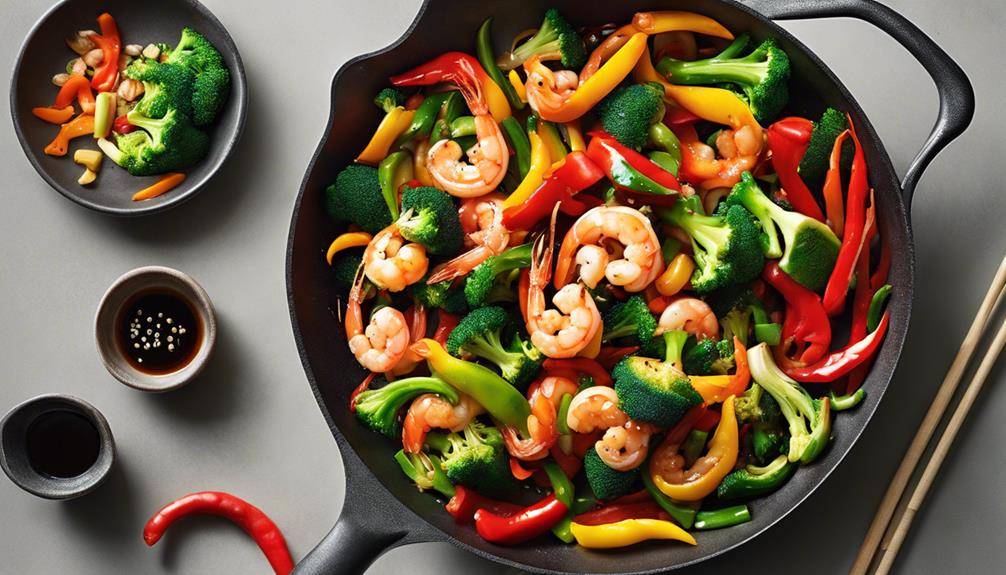
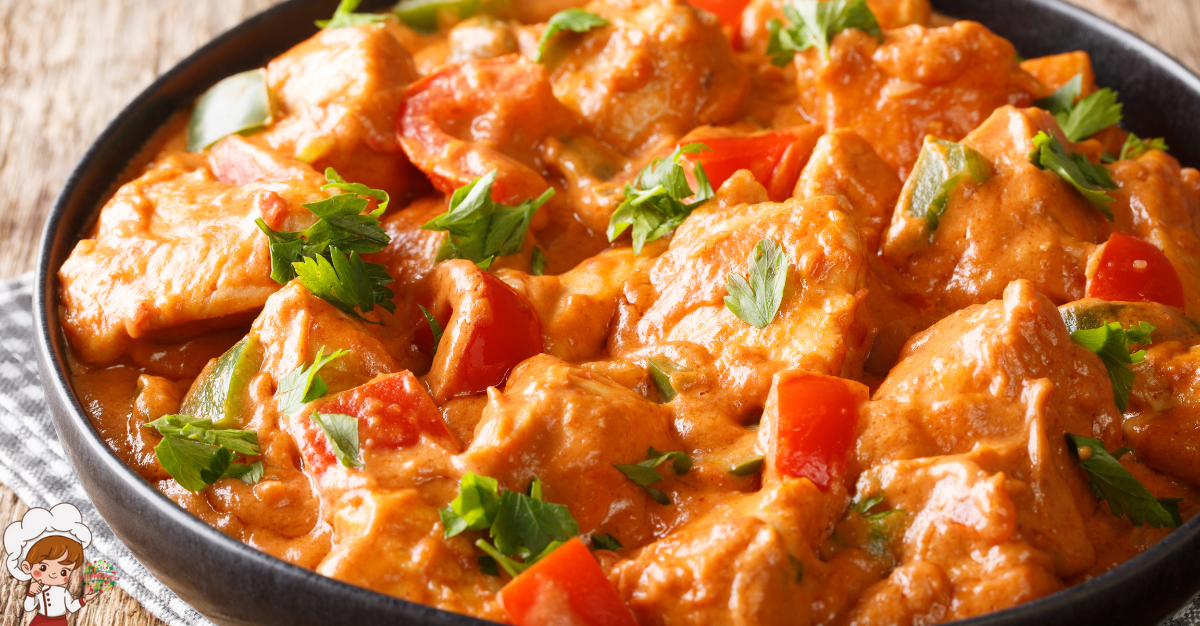
Stir-Frying For Low-Carb Diet: Stir-frying's a perfect method for low-carb diets, letting you whip up delicious meals in under 30 minutes. You'll want to focus on fresh, non-starchy veggies like broccoli, bell peppers, and zucchini, while opting for lean proteins like chicken or shrimp. Using high-smoke point oils guarantees flavor without piling on carbs. Swap traditional rice for cauliflower rice to keep things low-carb. Season with low-sugar sauces and herbs to elevate your dish. This cooking style locks in nutrients and keeps your meals vibrant and exciting. Stick around to discover more tips and combinations that make low-carb stir-frying a breeze!
Click Here and Turn Every Masterpiece into a Showstopper!
Benefits of Stir-Frying
Stir-frying is a quick and efficient cooking method that brings a host of benefits, especially for those following a low-carb diet. One of the major health benefits of stir-frying is that it preserves the nutrients in your ingredients. Since you cook food over high heat for a short amount of time, vitamins and minerals stay intact, promoting better overall health. This is vital when you're focusing on low-carb meals, as you want to maximize the nutritional value of every ingredient you use.
Another advantage of stir-frying is its cooking efficiency. You can whip up a delicious meal in under 30 minutes, which is perfect for busy lifestyles. With just a hot pan and some fresh vegetables or proteins, you can create a satisfying dish without spending hours in the kitchen. This time-saving aspect keeps you on track with your low-carb diet, making it easier to stick to your goals.
Moreover, stir-frying allows you to experiment with a variety of flavors and textures, keeping your meals interesting. You can mix and match ingredients to guarantee you're getting a balanced intake of proteins and healthy fats while minimizing carbs. The versatility of stir-frying means you're less likely to stray from your diet since you can continuously create new and exciting dishes. Overall, stir-frying not only supports your nutritional needs but also streamlines your cooking process, making it an ideal method for anyone focused on a low-carb lifestyle.
Essential Stir-Frying Equipment
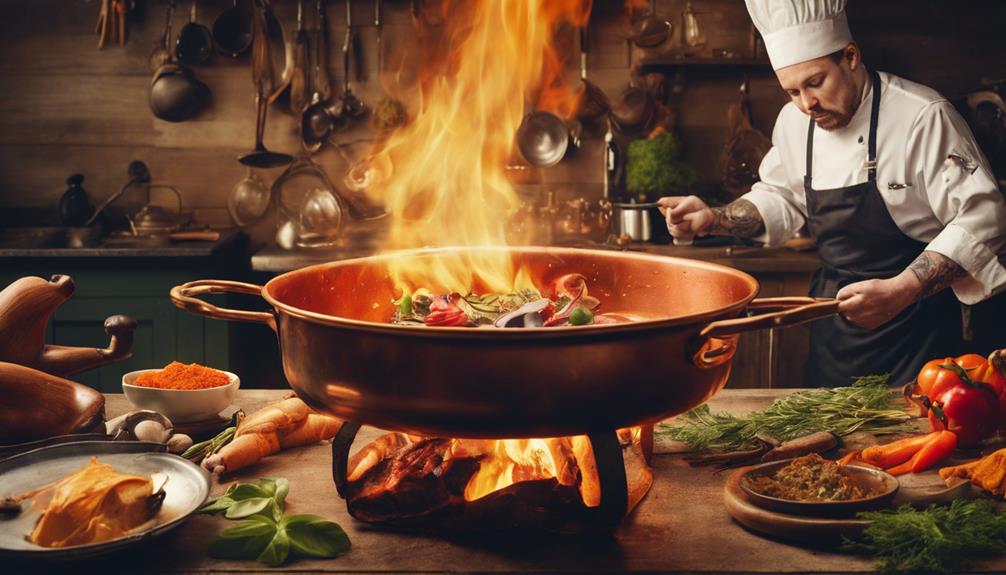
To achieve culinary excellence with stir-frying, having the right equipment is essential. First and foremost, you'll want a good-quality wok. Its wide, curved shape allows for even heat distribution, making it perfect for quick cooking of various stir fry varieties. If you don't have a wok, a large, heavy skillet can also work, but a wok is definitely preferred.
Next, invest in a sturdy spatula or wooden spoon. These tools help you toss and turn your ingredients quickly without scratching the surface of your cookware. Silicone or bamboo utensils can be great options, too, as they won't damage your wok or skillet.
You'll also need a reliable source of heat. A gas stove is ideal for stir-frying since it provides instant heat control. However, if you only have an electric stove, make sure it has a high wattage to maintain the high temperatures needed for cooking.
When it comes to cooking oils, choose oils with high smoke points, such as avocado oil, peanut oil, or grapeseed oil. These oils not only withstand high heat but also add flavor to your stir fry without compromising your low-carb diet.
Lastly, consider investing in a lid for your wok. It can help steam certain ingredients quickly, enhancing flavors and textures in your dishes. With the right equipment, you'll be well on your way to mastering stir-frying and creating delicious, low-carb meals.
Low-Carb Vegetables to Use
When you're stir-frying on a low-carb diet, choosing the right vegetables is key to keeping your meals tasty and nutritious. Focus on best low-carb options like zucchini, bell peppers, and broccoli, which pack a flavorful punch. You can also mix in nutrient-dense choices to create delicious combinations that satisfy your cravings without the carbs.
Best Low-Carb Choices
Selecting the right vegetables is essential for a successful low-carb stir-fry. You'll want to focus on non-starchy options that pack a punch in flavor without derailing your carb count. Broccoli, bell peppers, zucchini, and cauliflower are fantastic choices. These veggies not only add texture and color but also provide essential nutrients.
Incorporating these low-carb vegetables means you can enjoy a satisfying meal without the extra carbs found in starchy options like potatoes or corn. If you're looking to add some crunch, snap peas and green beans make excellent additions, too.
Don't forget about healthy fats! Cooking your stir-fry in olive oil, coconut oil, or avocado oil can enhance flavor while supporting your low-carb lifestyle. You can even toss in some nuts or seeds for an extra crunch and nutrient boost.
Nutrient-Dense Options
If you're aiming for a nutrient-packed stir-fry, incorporating low-carb vegetables can elevate your meal while keeping those carbs in check. Start with leafy greens like spinach or kale, which are not only low in carbs but also loaded with vitamins and minerals. Broccoli and cauliflower are excellent choices too; they're high in fiber and can add a satisfying crunch. Zucchini and bell peppers offer a pop of color and flavor without weighing you down with carbs.
When it comes to nutrient timing, consider the cooking method. Quick stir-frying preserves the nutrients in these vegetables, ensuring you get the most out of your meal. Pairing these veggies with protein-rich ingredients like chicken or tofu can enhance the overall nutrient profile.
Don't forget to experiment with ingredient pairing. For instance, combining asparagus with garlic not only enhances the dish's flavor but also boosts its health benefits. By focusing on these nutrient-dense options, you're not just following a low-carb diet; you're also fueling your body with essential nutrients that promote overall health. So get creative, and enjoy your stir-fry!
Flavorful Stir-Fry Combinations
As you explore flavorful stir-fry combinations, consider mixing low-carb vegetables that not only taste great together but also enhance each other's nutritional benefits. Start with a base of crunchy broccoli and vibrant bell peppers; they add color and a satisfying texture. For a kick, throw in some spicy combinations like jalapeños or red pepper flakes to amp up the heat.
Don't forget about leafy greens! Spinach or bok choy are excellent additions that wilt beautifully and absorb flavors. Pair these with herb blends such as fresh basil, cilantro, or thyme for an aromatic touch that elevates your dish. These herbs not only contribute taste but also pack additional nutrients.
For a twist, try incorporating zucchini noodles or cauliflower rice as a base for your stir-fry. They soak up sauces and create a hearty meal without the carbs. Finally, mix in some protein like shrimp or chicken, seasoned well, to round out your dish. Enjoy experimenting with different combinations, and you'll be amazed at how delicious low-carb eating can be!
Choosing Lean Proteins
When it comes to stir-frying for a low-carb diet, you'll want to prioritize lean proteins that pack a flavorful punch without excess fat. Focusing on lean protein sources, like chicken breast, turkey, shrimp, or tofu, allows you to enjoy a satisfying meal while keeping your carb count low. These options not only fit various dietary preferences but also offer a range of flavor profiles that can elevate your dish.
Using different cooking methods, you can create meal variety. Stir-frying quickly locks in moisture and flavor, making it an excellent technique for lean proteins. Adjust your portion sizes to suit your needs, ensuring you get enough protein while being mindful of your overall intake.
Experiment with ingredient swaps to keep your meals interesting. For example, try switching chicken for lean beef or using seitan as a plant-based protein alternative. Spice combinations and seasoning options play a significant role in enhancing your stir-fry. Consider using garlic, ginger, or chili flakes to add depth to your dishes.
Don't forget about protein marinades! A quick marinade can transform your lean protein sources, making them more flavorful while still keeping them healthy. Combine low-sodium soy sauce, lime juice, and your favorite spices to create a zesty boost. With these tips, you'll find that choosing lean proteins can lead to delicious, satisfying stir-fries that align with your low-carb lifestyle.
Flavorful Low-Carb Sauces
To elevate your stir-fry while keeping it low-carb, flavorful sauces are a game-changer. They bring life to your dishes without adding unnecessary carbs. When it comes to sauce varieties, you've got plenty of options to explore. Low-sugar soy sauce or tamari can create a savory base, while coconut aminos offer a sweeter alternative that's still low in carbs.
You might also want to try a homemade garlic-ginger sauce. Just mix minced garlic, fresh ginger, and a splash of low-sodium chicken broth or vegetable broth. This combination delivers a punch of flavor without loading up on carbs. For those who love a bit of heat, a spicy Szechuan sauce made with chili paste, rice vinegar, and sesame oil will definitely satisfy your cravings.
Don't forget about the flavor profiles. Combining tangy, spicy, and sweet elements can really enhance your stir-fry. You could even whip up a creamy peanut sauce using natural peanut butter, lime juice, and a touch of low-carb sweetener. This sauce not only adds richness but also pairs beautifully with chicken or tofu.
Experimenting with these sauces can help you discover new favorites. Remember, the key is to balance flavors while keeping the carb count low. With these tasty options at your disposal, you'll never feel deprived on your low-carb journey. Enjoy the process of creating delicious stir-fry meals that are both satisfying and healthy!
Stir-Frying Techniques
To master stir-frying, you'll need the right tools and techniques in your kitchen. Start by choosing low-carb ingredients that complement your dishes, and practice controlling the heat to achieve that perfect sizzle. With these skills, you'll create delicious, healthy meals in no time.
Essential Stir-Frying Tools
Stir-frying is an art that requires the right tools to achieve perfect results. First and foremost, your wok selection is essential. A well-seasoned carbon steel wok will distribute heat evenly, allowing your ingredients to cook quickly and maintain their texture. If you prefer, a non-stick wok can simplify cleanup, but make sure it's suitable for high heat.
Next, invest in a good set of knives. Your knife skills are just as important as your wok. A sharp chef's knife will help you chop vegetables and proteins into uniform pieces, ensuring they cook evenly. Consider a paring knife for more intricate tasks, like slicing garlic or ginger.
Don't forget a sturdy spatula or a wok ladle for tossing your ingredients. These tools will help you mix everything without damaging your wok's surface. Finally, a heat-resistant pair of tongs can be invaluable for maneuvering food around the high heat.
With the right tools in hand, you'll find stir-frying not only easier but also more enjoyable. So, gather your wok and knives, and get ready to create delicious low-carb meals!
Choosing Low-Carb Ingredients
When it comes to choosing low-carb ingredients for your stir-fry, focus on fresh, vibrant vegetables and quality proteins. Opt for leafy greens like spinach and kale, or crunchy vegetables such as bell peppers and broccoli. These are excellent vegetable substitutes that keep your dish light and nutritious. For protein swaps, consider chicken, shrimp, or tofu, which provide essential nutrients without excessive carbs.
If you want to add some texture, use low carb grains like cauliflower rice instead of traditional rice. For thickening sauces, explore alternative thickeners like xanthan gum or coconut flour, which help maintain a low-carb profile. Healthy fats, like avocado oil or sesame oil, can enhance flavor while supporting satiety.
Don't forget your seasoning strategies! Incorporate garlic, ginger, and herbs to elevate the taste without adding carbs. For additional flavor enhancers, consider low-sugar soy sauce or chili paste. Portion control is vital; balance your plate with a good mix of proteins and vegetables. Finally, if you're feeling snacky, prepare low carb snacks to satisfy cravings without derailing your diet. With these tips, you can create delicious stir-fries that fit perfectly within your low-carb lifestyle.
Mastering Heat Control
Choosing the right ingredients is just the beginning; mastering heat control is key to achieving the perfect stir-fry. Understanding heat levels can elevate your cooking game markedly. Start by preheating your pan or wok until it's hot enough to sizzle water droplets. This high temperature guarantees that your ingredients cook quickly, preserving their texture and flavor.
Once you add your protein or vegetables, maintain a consistent heat level. Too low, and your ingredients will steam instead of sear, resulting in a soggy dish. Too high, and you risk burning everything. Use temperature control to adjust the heat as needed, especially when adding sauces or denser vegetables that require more cooking time.
For delicate items like leafy greens, lower the heat briefly to prevent overcooking. Stirring continuously keeps everything moving and evenly cooked, so don't forget to keep your spatula busy. Remember, timing is everything; if you overcook, those crisp textures and vibrant colors will fade. By mastering heat control, you'll create a stir-fry that's not only low-carb but also bursting with flavor and nutrition.
Meal Prep for Stir-Frying
Preparing your ingredients in advance can make stir-frying a breeze, especially on busy weeknights. By focusing on meal prep, you can streamline your cooking process and guarantee you stick to your low-carb diet. Here are some meal prep tips that'll help you get organized.
First, select your low-carb vegetables and proteins. Chop your vegetables into bite-sized pieces and portion them into containers. This not only saves time but also makes it easy to grab what you need when you're ready to cook. For proteins, you can marinate chicken, beef, or tofu ahead of time, allowing flavors to develop. Just remember to keep everything in the fridge until you're ready to stir-fry.
Next, consider ingredient organization. Group your ingredients based on cooking time. For instance, harder veggies like broccoli and bell peppers can be prepped alongside quicker-cooking items like zucchini and mushrooms. This way, you can add them to the pan in the right order for the best texture and flavor.
Don't forget about sauces and seasonings! Prepare small containers with your favorite low-carb sauces, garlic, ginger, or spices. Having these ready to go will guarantee you don't waste time searching for them while cooking.
Click Here and Turn Every Masterpiece into a Showstopper!
Cooking Times for Ingredients
When stir-frying, understanding cooking times for your ingredients is essential. You'll need to take into account how long to cook proteins, how to prep your vegetables, and the right moment to incorporate sauces. Getting these timings right guarantees your dish is perfectly cooked and packed with flavor.
Protein Cooking Times
Cooking proteins to the right doneness is essential for a successful stir-fry, especially on a low-carb diet. Different protein types require different cooking methods and times to achieve that perfect texture and flavor.
For chicken breast, cut it into thin strips; this helps it cook quickly. Aim for about 4-6 minutes over medium-high heat until it reaches an internal temperature of 165°F. If you're using shrimp, they cook even faster—just 2-3 minutes until they turn pink and opaque.
Pork tenderloin, sliced thinly, should take around 5-7 minutes. Remember to check for that golden-brown crust while ensuring it reaches at least 145°F internally. When it comes to beef, like sirloin or flank steak, you'll want it to cook for 3-5 minutes for medium-rare, depending on thickness.
Tofu is a great low-carb option too. If you use firm tofu, pan-fry it for about 5-7 minutes until it's crispy on the outside. By keeping these cooking times in mind, you'll elevate your stir-fry while sticking to your low-carb diet goals. Enjoy experimenting with different proteins!
Vegetable Preparation Duration
Fresh vegetables play an essential role in stir-frying, especially for a low-carb diet, and knowing how long to cook them can make all the difference. Proper vegetable chopping is vital, as uniform sizes guarantee even cooking. Different vegetables have varying cooking times, so it's important to plan accordingly.
For example, bell peppers and zucchini cook quickly, usually taking about 3 to 5 minutes. On the other hand, heartier vegetables like broccoli or carrots require a bit more time, approximately 5 to 7 minutes, to become tender. If you're using frozen vegetables, they may need a minute or two longer due to their initial chill.
When you're stir-frying, always start with the vegetables that take the longest to cook. This approach allows you to combine different cooking methods effectively. After adding the harder vegetables, you can introduce quicker-cooking ones to guarantee everything reaches the perfect texture.
Keep an eye on the color and crispness, as vibrant veggies signal they're done without losing their nutrients. By mastering vegetable preparation duration, you'll enhance not just the taste but also the health benefits of your low-carb stir-fry.
Sauce Incorporation Timing
Timing your sauce incorporation is essential for achieving a well-balanced stir-fry. If you add your sauce too early, it can lead to overly cooked ingredients and a sauce consistency that's too thick or sticky. On the other hand, adding it too late may result in uneven flavor distribution, leaving some ingredients bland.
Start by cooking your protein until it's nearly done, then toss in your vegetables. When they're just tender but still crisp, it's time to introduce your sauce. This timing allows the sauce to cling to the ingredients without overwhelming them.
For most stir-fries, a quick toss in the sauce for about a minute is ideal. This guarantees that each piece gets coated and absorbs the flavors, maintaining that perfect flavor balance. If you're using a thicker sauce, you might want to add a splash of water or broth to help it spread evenly.
Always taste as you go; if you need more seasoning, now's the time to adjust. With the right timing, you'll achieve a stir-fry that's not only low-carb but bursting with flavor and texture.
Tips for Perfect Stir-Fry
Mastering the art of stir-frying requires a few essential tips to guarantee your dish turns out perfectly every time. First, make certain you prep all your ingredients before you start cooking. This means chopping your veggies, slicing your proteins, and measuring out any sauces. Once you begin, you won't have time to pause and prepare; everything cooks quickly in a hot wok.
Next, choose the right oil. Oils with high smoke points, like avocado or peanut oil, are your best bets. They can withstand the high heat without burning. Additionally, confirm your pan is hot enough before adding ingredients. You should hear a sizzle when food hits the surface.
When it comes to seasoning techniques, layering flavors is key. Start with aromatics like garlic and ginger, then add your proteins. Once they're nearly cooked, toss in your vegetables. This allows everything to absorb the flavors and results in a more harmonious dish.
Don't forget about stir fry variations! Experiment with different vegetables, proteins, and sauces to keep things fresh and exciting. You can go for a classic chicken and broccoli or try something unique like shrimp and snow peas. Finally, remember to avoid overcrowding the pan; it leads to steaming instead of stir-frying. Cook in batches if needed. Follow these guidelines, and you'll be on your way to creating delicious, low-carb stir-fries that satisfy your cravings and keep you on track.
Creative Stir-Fry Combinations
Exploring creative stir-fry combinations can elevate your low-carb meals and keep your taste buds excited. You can mix and match exotic ingredients like bok choy, snow peas, or even jicama to add a unique twist. Try incorporating seasonal produce, such as asparagus in spring or squash in fall, to keep your dishes fresh and vibrant.
To really make your stir-fries stand out, consider using regional flavors. For instance, a Thai-inspired stir-fry can benefit from the addition of aromatic herbs like basil and cilantro, while a Mediterranean version might include olives and feta. Don't shy away from unique spices, either—think cumin, smoked paprika, or even five-spice powder to elevate your flavor profile.
Texture contrast plays an essential role in creating a memorable dish. Combine crunchy ingredients like bell peppers and carrots with tender proteins, such as chicken or shrimp. You can also explore protein swaps, like using tofu or tempeh for a plant-based alternative, ensuring you get a variety of textures in every bite.
Colorful presentations can turn an ordinary meal into something extraordinary. Layer your ingredients artfully in the pan to create a feast for the eyes. Experiment with different cooking styles too; try quick searing for a charred flavor or a longer sauté for deeper taste. By embracing these creative pairings and techniques, you'll transform your low-carb stir-fries into exciting culinary adventures that you'll look forward to enjoying.
Serving Suggestions
When serving your low-carb stir-fries, consider using 3 key elements to enhance the dining experience: presentation, accompaniments, and garnishes. First, let's talk about plating ideas. A beautiful presentation can make your meal feel more special. Use a large plate or bowl to give your stir-fry room to breathe. Arrange the vegetables and protein in a colorful, inviting way. You might layer ingredients or create a slight tower for added height and interest.
Next, think about accompaniments. While you want to keep it low-carb, you can still include a small serving of cauliflower rice or spiralized zucchini as a base for your stir-fry. These options not only complement the dish but also add texture and volume without greatly increasing carb content. Portion sizes are essential here, too; aim for a balance that feels satisfying without going overboard.
Storage and Reheating Tips
When it comes to storing your stir-fry, choosing the right containers can make all the difference. You'll want to use airtight options to keep your meals fresh and flavorful. Plus, knowing the best reheating techniques will guarantee your low-carb dish tastes just as delicious the next day.
Proper Container Selection
Choosing the right containers for your stir-fry leftovers can make a big difference in both storage and reheating. First, consider the container materials. Glass and BPA-free plastic are popular choices due to their durability and safety. Glass containers are microwave and oven-safe, which is great for reheating, while plastic containers are lightweight and often more affordable. Just make sure they're labeled as microwave-safe to avoid any melting mishaps.
Next, think about container sizes. It's important to select sizes that fit your meal portions. Smaller containers work well for single servings, while larger ones are ideal for family-style meals or batch cooking. Opt for stackable containers to save space in your fridge or freezer. You might also want to invest in some divided containers to keep different components of your stir-fry separate. This helps maintain texture and flavor when you're ready to eat.
Reheating Techniques Explained
Reheating your stir-fry properly is key to preserving its flavor and texture. Whether you're diving into meal prep reheating or just enjoying leftovers, the method you choose makes a difference.
For microwave reheating, use a microwave-safe container and cover it with a lid or microwave-safe wrap. Heat in short intervals, stirring in between to guarantee even heating. This method is quick, but keep an eye on the time to avoid overcooking.
If you prefer stovetop reheating, pour your stir-fry into a skillet over medium heat. Add a splash of water or broth to maintain moisture. Stir frequently until it's heated through, which helps retain the original texture.
Oven reheating can also be effective, especially for larger portions. Preheat your oven to 350°F, spread the stir-fry in a single layer on a baking sheet, and cover it with foil to prevent drying out. Heat for about 10-15 minutes.
Nutritional Considerations
Understanding nutritional considerations is essential for anyone following a low-carb diet, especially when it comes to stir-frying. You'll want to pay close attention to the carbohydrate count of the ingredients you choose. Many vegetables are low in carbs, making them ideal for your stir-fry. For instance, broccoli, cauliflower, and bell peppers not only add vibrant colors but also keep your carb intake in check.
When you select proteins, like chicken, beef, or tofu, remember that these options are typically low in carbs and high in protein. They'll help you feel full while supporting your dietary goals. However, be cautious with sauces and marinades; they can often contain hidden sugars that greatly increase the carbohydrate count.
Another critical factor is the fiber content of the foods you cook. High-fiber vegetables can help you maintain digestive health and keep you satiated longer. Foods like spinach and zucchini can elevate the fiber content of your meal without compromising your carb limits.
As you prepare your stir-fry, consider incorporating healthy fats like olive oil or avocado oil. These fats not only enhance flavor but also provide essential nutrients without adding carbs.
Ultimately, keeping a close eye on both the carbohydrate count and fiber content in your stir-fry will help you stick to your low-carb diet. With mindful choices, you can create delicious, nutritious meals that support your health goals.
Stir-Frying for Meal Planning
Planning your meals around stir-frying can streamline your week while keeping your low-carb diet on track. By dedicating some time to meal prep, you can create a variety of delicious, low-carb dishes that are easy to reheat when you're busy. Start by selecting your protein, such as chicken, beef, or tofu, and pair it with a mix of colorful vegetables like bell peppers, broccoli, and zucchini.
One of the best parts about stir-frying is the flexibility it offers. If you're short on a specific ingredient, don't hesitate to make ingredient substitutions. For example, if you don't have snap peas, green beans work just as well. This adaptability not only saves you time at the grocery store but also allows you to use what you have on hand, reducing waste.
Portion control is essential in maintaining your low-carb lifestyle. When preparing your stir-fry, measure out your ingredients beforehand to guarantee you're staying within your carb limits. You can use containers to divide your meals into single servings, making it easy to grab-and-go during busy days.
Don't forget to experiment with different sauces and spices to keep your meals interesting. By planning and preparing your stir-fry meals in advance, you'll find it easier to stick to your low-carb diet and enjoy a variety of flavors throughout the week. So, chop, stir, and enjoy your healthy creations!
Click Here and Turn Every Masterpiece into a Showstopper!
Frequently Asked Questions: Stir-Frying For Low-Carb Diet
Can I Use Frozen Vegetables for Stir-Frying?
Yes, you can use frozen vegetable varieties for stir-frying. They're convenient and often pre-washed. Just adjust your stir fry cooking techniques slightly to guarantee they cook evenly and maintain their texture and flavor.
How Can I Make Stir-Fry Spicy Without Carbs?
To make your stir-fry spicy, experiment with spice variations like chili flakes or fresh jalapeños. Adjust heat levels according to your preference, adding more or less to achieve the perfect kick in your dish.
What Oils Are Best for Low-Carb Stir-Frying?
When choosing oils for stir-frying, opt for healthy oils like avocado or coconut oil. They have higher smoke points, preventing oil smoking and ensuring your dish stays flavorful while maintaining its nutritional benefits.
Are There Any Low-Carb Noodles for Stir-Frying?
Yes, you can use zucchini noodles or shirataki noodles for stir-frying. Zucchini noodles provide a fresh taste, while shirataki noodles are low in calories. Both options make great substitutes for traditional noodles in your dishes.
How Do I Prevent My Stir-Fry From Becoming Mushy?
To prevent your stir-fry from becoming mushy, focus on vegetable selection. Use crisp veggies like bell peppers and broccoli. Also, employ high-heat cooking techniques, ensuring you don't overcrowd the pan for ideal texture.

Conclusion
Stir-frying is a fantastic way to stick to your low-carb diet while enjoying delicious meals. By focusing on fresh, low-carb vegetables and lean proteins, you can whip up quick and satisfying dishes. Don't forget to experiment with flavorful sauces to keep things exciting! With a little planning, you can easily incorporate stir-frying into your weekly routine, making healthy eating enjoyable and simple. So grab your wok and start creating tasty, low-carb meals that you'll love!