The Sweet Story Behind The Best Maple Pecan Cookies
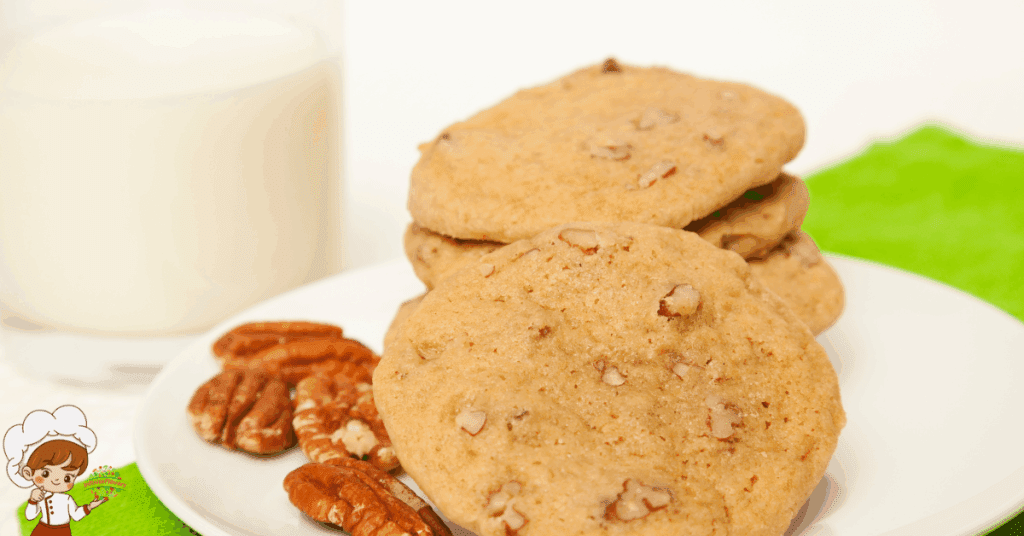
Story Behind The Best Maple Pecan Cookies; If you’ve ever bitten into a warm maple pecan cookie and felt transported to a crisp autumn day, you know the charm of that nutty, caramelized sweetness. Maple pecan cookies combine two beloved flavors—pure maple syrup and toasted pecans—to create a treat that feels both rustic and refined. But this flavor pairing, now so familiar in fall baking, has a history that encompasses early maple sugar traditions, the cultivation of pecans, and the evolution of cookie culture in North America.
In this post, we’ll explore the history and origin of maple pecan cookies: how maple became a defining North American sweetener, how pecans became a staple nut in the U.S., how cookie culture evolved to embrace seasonal flavors, and how the modern maple pecan cookie emerged as a beloved fall classic. Along the way, we’ll look at cultural symbolism, regional variations, and the enduring popularity of this cozy treat.
The Early Roots of Maple: From Tree Sap to Sweetener
To understand maple pecan cookies, we must first trace the story of maple syrup itself. For centuries, Indigenous peoples in what is now Eastern Canada and the Northeastern United States tapped maple trees and processed the sap into syrup and sugar. This tradition predates European colonization and was foundational for those communities.
When European settlers arrived, they quickly recognized the value of maple sugar and syrup as a local, natural sweetener—especially in regions where cane sugar was expensive or difficult to import. Maple sugar and syrup became staples in kitchens across New England, Quebec, and the Appalachian region. In fact, during historical sugar embargoes or shortages, many households turned to maple sugar as the only viable option.
Because maple syrup was labor-intensive but regionally available, it developed a special place in the culinary traditions of North America. Its flavor—woodsy, caramelized, and rich—lent itself beautifully to baked goods. Over time, maple syrup became a signature ingredient in pies, candies, breakfast foods, and eventually cookies.
The Rise of Pecan Cultivation in North America
While maple was becoming a defining sweetener in northern climates, another ingredient was rising in importance further south: the pecan nut. The pecan tree (Carya illinoinensis) is native to the Mississippi River region, parts of the American South, and regions of Mexico. Indigenous populations harvested pecans long ago, valuing their rich, buttery flavor and high fat content.
By the 19th and early 20th centuries, pecans had become an agricultural crop. States like Georgia, Louisiana, and Texas fostered pecan orchards, and the nut began to feature prominently in Southern cooking—pecan pies, pralines, nut-based sauces, and baked goods.
Because pecans toasted up beautifully and developed a deep, buttery flavor, they became a natural match for sweet baked goods. Combine that with the maple syrup tradition in the northern states, and you have the two core ingredients of maple pecan cookies.
The Evolution of Cookie Culture in America
To see where maple pecan cookies fit in, we need to consider how cookie culture developed in North America. Cookies as we know them (small, sweet baked goods) evolved from European biscuits, wafers, and small cakes. When colonists settled in America, they brought European baking traditions—cookies, cakes, pies—but adapted them to local ingredients (corn, pumpkins, nuts, maple, etc.).
During the 19th century, as mills and more refined flours became available, domestic baking flourished. Households developed signature cookie recipes—sugar cookies, snickerdoodles, ginger snaps, shortbread, and nut cookies.
In the early 20th century, the rise of commercial baking and cookbook publishing popularized seasonal and flavored cookies. Maple became a flavor highlight in fall baking, and pecans were a favorite nut inclusion. Over time, cookie makers began combining maple and pecans intentionally, giving rise to the earliest versions of maple pecan cookies.
The First Appearances of Maple Pecan Cookies
Pinpointing the exact first recipe for maple pecan cookies is difficult, because like many traditional recipes, they likely emerged in home kitchens before being published. But we can see evidence of early maple-nut cookies in mid-20th century cookbooks and regional baking collections.
These modern recipes reflect a long tradition of maple-nut baking, adapted and refined over time. As ingredients like maple extract, maple sugar, and pre-packaged spice mixes became available, bakers were able to produce more consistent maple flavor. Pecan pieces or bits became a visually appealing and textural addition.
Thus, by late 20th century, maple pecan cookies had become a staple in fall cookie assortments, with many bakers experimenting with glazes, drizzles, and nut coatings to highlight the maple-pecan flavor pairing.
Why Maple and Pecan Is a Flavor Harmony
The reason maple and pecan pair so beautifully lies not only in tradition but in culinary synergy. Maple syrup brings rich caramel, woody, and slightly smoky sweetness. Pecans offer buttery fat, toasted nuttiness, and crunch. Together, they create contrast and balance: sweet but not cloying, rich but with texture.
From a flavor chemistry standpoint, the natural compounds in pecans enhance and complement the caramel and vanilla notes of maple. The fat in pecans also helps carry flavor and gives the cookie a satisfying mouthfeel. So, the pairing is not just traditional—it’s deliciously well matched.
Regional and Cultural Variations of Maple Pecan Cookies
Because both maple and pecans are regionally grown in North America, maple pecan cookies often reflect local variations:
- New England / Canada: Maple forward recipes, sometimes using maple sugar or syrup as the dominant sweetener.
- Southern U.S.: Use of pecan-rich doughs, often with brown sugar, possible addition of molasses or corn syrup to deepen flavor.
- Glazed or drizzled variety: Some recipes top the baked cookie with a maple glaze or icing to intensify maple flavor.
- Vegan or healthier versions: Some modern recipes substitute plant-based butter, reduce refined sugar, or replace part of the sweetener with maple syrup or maple sugar. For instance, LifeExtension published a vegan maple pecan cookie version.
These variations reflect both the influence of local ingredients and evolving dietary preferences.
Maple Pecan Cookies in Modern Bake Culture & Seasonal Marketing
In the 21st century, maple pecan cookies have become a fall staple in bakeries, artisan cookie shops, and online dessert businesses. They feature prominently in seasonal collections, holiday boxes, and fall-themed dessert menus. Many bakers now market them as signature items, emphasizing “pure maple,” “toasted pecans,” or “handcrafted” to appeal to quality-focused consumers.
Social media and food blogging have further amplified their appeal. Stunning photos of golden cookies with chopped pecans and maple drizzle evoke the nostalgia of fall. These cookies are now considered as essential to autumn baking as pumpkin spice muffins or caramel apples.
Cultural Significance & Symbolism of Maple and Pecans
Beyond flavor, maple pecan cookies carry symbolic weight. Maple is tied to landscapes (maple forests, Canadian identity, New England autumn), and pecans evoke Southern heritage and tradition. The union of these ingredients bridges the North and South of North America.
When baked in fall, these cookies become symbolic of harvest, family, and seasonal change. Many people remember making maple nut cookies in childhood, giving them as gifts, or using them in cookie exchanges. They evoke warmth, generosity, and home.
The Nutrition Angle: Maple Pecan Cookies and Health
Of course, cookies are indulgent—yet their ingredients have nutritional interest. Pecans are rich in healthy fats, fiber, magnesium, and antioxidants. Maple syrup contains trace minerals (manganese, zinc) and antioxidant compounds not found in refined sugar. Some modern recipes highlight that using maple syrup as part of the sweetener adds flavor and nuance while contributing micronutrients.
That said, maple pecan cookies should be enjoyed in moderation, but when crafted thoughtfully (less refined sugar, whole ingredients), they can be part of balanced seasonal eating.
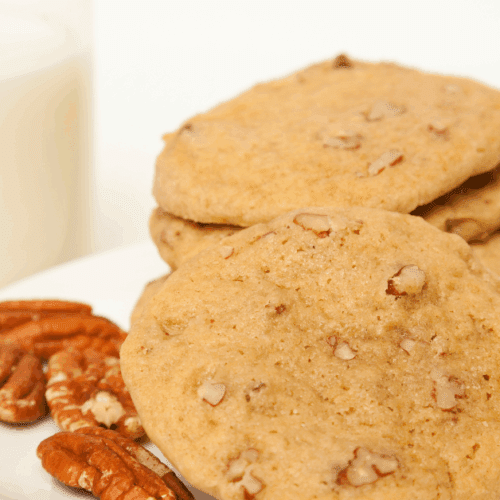
Maple Pecan Cookies
Ingredients
- 1 cup maple syrup
- – 1 cup peanut butter
- – 1 cup chopped pecans
- – 1 tsp vanilla extract
Instructions
- Preheat the oven to 350°F (175°C) and line a baking sheet with parchment paper.
- In a bowl, combine maple syrup, peanut butter, and vanilla; mix until smooth.
- Stir in chopped pecans until evenly distributed.
- Drop spoonfuls of dough onto the baking sheet and bake for 10-12 minutes.
Frequently Asked Questions (FAQ): Story Behind The Best Maple Pecan Cookies
Q1: Where did maple pecan cookies originate?
They evolved in North America, likely first in home kitchens combining local staples—maple from northern regions and pecans from the South. Over time, recipes circulated in cookbooks and fall baking traditions.
Q2: Why are maple and pecan paired in cookies?
Because their flavor profiles complement—maple’s caramel sweetness and pecan’s buttery nuttiness create a balanced, rich cookie.
Q3: Are maple pecan cookies Canadian or American?
Neither exclusively—they are a North American tradition, reflecting both Canadian / New England maple syrup heritage and Southern pecan culture.
Q4: Can you replace pecans with other nuts?
Yes—walnuts or hazelnuts can be used, but pecans are preferred for their buttery flavor and classic pairing.
Q5: Is it better to use pure maple syrup or maple flavoring?
Pure maple syrup (Grade A or B) or maple sugar provides richer, more authentic flavor. Artificial “maple” syrups often lack depth and can taste more artificial.
Q6: Are maple pecan cookies vegan or gluten-free?
They can be adapted. Use plant-based butter / vegan butter and gluten-free flour blends to suit dietary needs.
Q7: When are maple pecan cookies typically made?
They are especially popular in fall and winter, aligning with maple harvest season and holiday baking traditions.

The Enduring Legacy of Maple Pecan Cookies
From the maple forests of the Northeast to pecan orchards in the South, maple pecan cookies carry the heritage of North American ingredients in each bite. They emerged from traditions of maple syrup making, nut cultivation, and evolving cookie culture. Over decades, they have grown from home-baked favorites into seasonal icons, celebrated in bakeries, blog posts, and family cookie boxes.
What makes them endure is not just their flavor—but their emotional resonance. Maple pecan cookies evoke memory, comfort, and place. They taste like autumn sunshine, like gathering, like heritage. As we continue to bake and celebrate seasonal flavors, maple pecan cookies serve as a warm reminder that the simplest combination of sweet syrup, roasted nut, and buttery dough can carry rich stories of land, culture, and tradition.
If you enjoyed exploring this topic and want to dive even deeper, be sure to check out some of our other articles here on Infinite Flavors. From rich culinary histories to creative twists on classic recipes, there’s always something new to discover. Whether you’re curious about the origins of a dish, looking for fresh inspiration in the kitchen, or simply love learning about food culture, our collection of posts is the perfect next step on your flavor journey.
The Delicious And Great Origin Of Pumpkin Spice Muffins
The Great Sweet Story Behind Chocolate Pumpkin Muffins
The Great History Of A Fall Favorite Caramel Apple Dip