The 7 Best Meze Platters From Turkish Cuisine
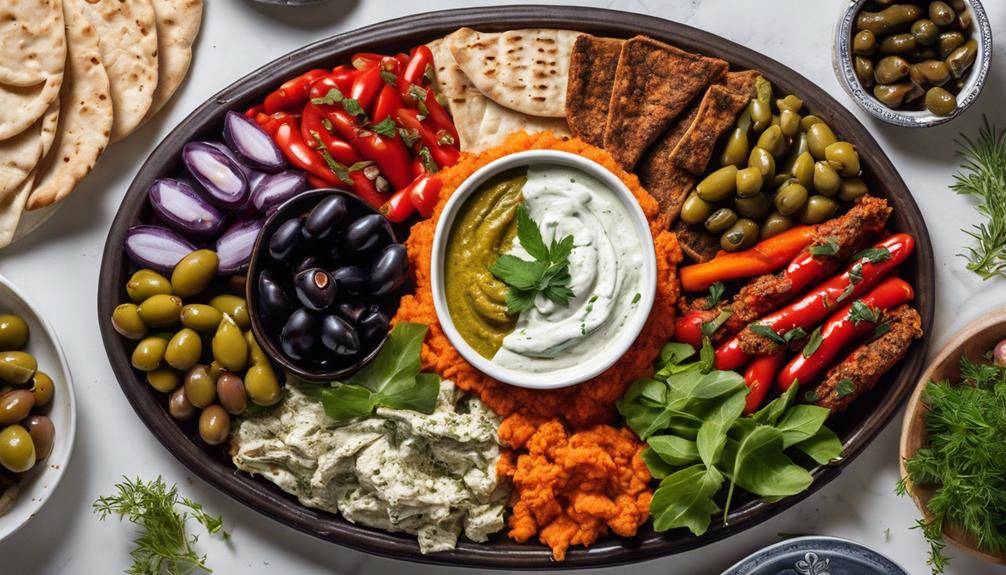
The 7 Best Meze Platters From Turkish Cuisine; If you’re looking to explore the best Turkish meze platters, you can’t miss these seven mouthwatering dishes. Start with creamy hummus and smoky baba ghanoush, both perfect for dipping. Dolma showcases stuffed grape leaves or peppers, while sigara böreği adds a crispy touch with cheesy, herb-filled pastries. For a fresh kick, try ezme, a vibrant blend of vegetables, and mücver, delicious zucchini fritters. Finally, spice things up with acılı ezme, a zesty dip that’s sure to impress. Each platter offers unique flavors and textures, fostering a delightful sharing experience that you won’t want to miss.
Cook Like a Pro in the Wild! Equip your adventure with our top-notch kitchen gear
Hummus
Hummus is a staple of Turkish meze platters, and it’s easy to see why. This creamy, delicious dip not only satisfies your taste buds but also brings a wealth of health benefits to the table. You’ll find that hummus variations abound, allowing you to customize the experience to your liking. From classic garlic and tahini to vibrant spinach or roasted red pepper versions, there’s a flavor for everyone.
When you dig into hummus, you’re enjoying a blend of chickpeas, olive oil, lemon juice, and garlic, creating a nutritious option that’s rich in protein and fiber. This means you’re getting energy while also feeling fuller for longer. The healthy fats from olive oil contribute to heart health, making hummus a smart choice for your meze spread. Plus, you can easily pair it with fresh vegetables or warm pita bread, adding even more nutrients to your meal.
Experimenting with hummus variations can be a fun way to explore new tastes. You might try adding spices like cumin or paprika for an extra kick, or blend in ingredients like avocado for a creamy twist. Each variation not only enhances the flavor but also brings its own unique health benefits.
Baba Ghanoush
When you plunge into a platter of Turkish meze, don’t overlook the smoky allure of baba ghanoush. This delightful dip, made primarily from roasted eggplant, brings a unique depth of flavor that can elevate your meze experience. The process of eggplant preparation is key; by charring the eggplants over an open flame or in a hot oven, you infuse them with a rich, smoky essence that’s hard to resist.
Once the eggplants are roasted to perfection, you’ll blend them with tahini, garlic, lemon juice, and olive oil. The resulting mixture is creamy, tangy, and packed with layers of flavor that complement other meze items beautifully. It’s not just about taste; baba ghanoush holds cultural significance in Turkish cuisine and the broader Middle Eastern region. Traditionally served as a communal dish, it encourages sharing and conversation, embodying the spirit of hospitality that’s central to Turkish culture.
As you enjoy your baba ghanoush, consider the rich history behind it. This dish has been enjoyed for centuries and reflects the agricultural heritage of the region, where eggplants thrive in warm climates. So, when you scoop a bit onto your pita or vegetable sticks, remember that you’re partaking in a culinary tradition that stretches back through generations. Baba ghanoush isn’t just food; it’s a connection to a vibrant culture and a celebration of flavors.
Dolma
When you think of dolma, you’re likely picturing those delicious stuffed grape leaves, but there’s so much more to explore. You’ll find various types of dolma, each with unique ingredients and preparation techniques that reflect regional flavors. Let’s uncover the diversity and culinary artistry behind this beloved dish.
Types of Dolma
Dolma, a beloved staple in Turkish cuisine, refers to a variety of stuffed vegetables that delight the palate. One of the most popular types is yaprak dolması, which features grape leaves stuffed with a savory mixture of rice, herbs, and sometimes minced meat. The tender, slightly tangy grape leaves complement the filling perfectly, making it a favorite among many.
You’ll also encounter biber dolması, where bell peppers are hollowed out and filled with a similar rice-based mixture. The sweetness of the peppers adds another layer of flavor, creating a delightful balance. Another variation is kabak dolması, which involves zucchini stuffed with the same delicious filling, offering a unique twist.
For those who enjoy a heartier option, patlıcan dolması consists of eggplant stuffed with spiced rice and meat. The rich, smoky flavor of the eggplant pairs beautifully with the filling. Each type of dolma showcases the versatility of stuffed vegetables in Turkish cuisine, allowing you to explore a range of tastes and textures. Whether you prefer grape leaves or other vegetables, dolma offers an array of options that cater to different preferences.
Cook Like a Pro in the Wild! Equip your adventure with our top-notch kitchen gear
Preparation Techniques Explained
Preparing dolma requires a few essential techniques to guarantee the flavors meld beautifully. First, choose your filling wisely; it typically includes a mixture of rice, herbs, and sometimes minced meat. Rinsing the rice before cooking helps remove excess starch, allowing it to absorb flavors better.
Next, you’ll want to blanch your grape leaves briefly to soften them, making them easier to roll. When rolling, place a spoonful of filling at the base of each leaf, folding in the sides before rolling tightly. This assures that they stay intact during cooking.
As you arrange your dolma in a pot, remember to layer them snugly to avoid them unraveling. Cover the bottom of the pot with some leaves or a plate to prevent sticking. When it comes to cooking, simmering them in a mix of water, olive oil, and lemon juice enhances their flavor, paying homage to meze history.
Regional Variations Noted
Often, you’ll find that dolma varies markedly across different regions of Turkey, each adding its unique twist to this beloved dish. In the Aegean region, for instance, you might enjoy dolma stuffed with a mix of fresh herbs and rice, reflecting the area’s abundant regional ingredients. You’ll notice that these variations often highlight what’s locally available, showcasing the influence of the surrounding landscape.
In Southeastern Turkey, the dolma often incorporates spiced meat, which showcases cultural influences from neighboring Middle Eastern cuisines. Here, you may taste a heartier version, filled with lamb or beef, accented with spices that offer a warm kick. Each bite tells a story of the region’s history and its culinary heritage.
In the northern regions, you’ll likely encounter dolma with unique additions like walnuts or even dried fruits, which reflect the local palate and agricultural practices. As you explore these variations, you’ll discover how regional ingredients and cultural influences shape each interpretation of dolma, making it a delightful journey through Turkey’s diverse culinary landscape. So, whether you’re sampling grape leaves or zucchini, each dolma brings a piece of its home with it.
Sigara Böreği
Sigara Böreği, a delightful staple of Turkish mezze, consists of crisp, cigar-shaped pastries filled with a savory mixture, typically made of cheese, herbs, and sometimes minced meat. The beauty of making these pastries lies in the cooking techniques you can use. Whether you choose to deep-fry them for that golden, crunchy texture or bake them for a lighter option, you’re bound to impress your guests with your culinary skills.
To prepare Sigara Böreği, you’ll start with yufka or phyllo dough, which adds to their delicate crispiness. Fill the dough with your chosen mixture, roll them tightly, and seal the edges with a bit of water. If you’re deep-frying, heat the oil to the right temperature to ascertain they don’t absorb too much oil. For baking, brush them with egg wash to give them a beautiful golden color.
When it comes to serving suggestions, present your Sigara Böreği on a vibrant platter alongside a tangy yogurt dip or a spicy salsa. You can also serve them with a side of fresh vegetables to create a balanced mezze experience. These pastries are perfect for sharing, making them an excellent choice for gatherings. Whether as a starter or a snack, Sigara Böreği will add authenticity to your Turkish mezze spread, leaving everyone wanting more. So, get ready to enjoy these irresistible bites!
Ezme
When you think of ezme, you’re picturing a vibrant blend of fresh ingredients that create a burst of flavor. It’s not just about the ingredients; the preparation techniques play a key role in achieving that perfect consistency and taste. Let’s explore what makes ezme a must-have on your meze platter.
Flavorful Ingredients Overview
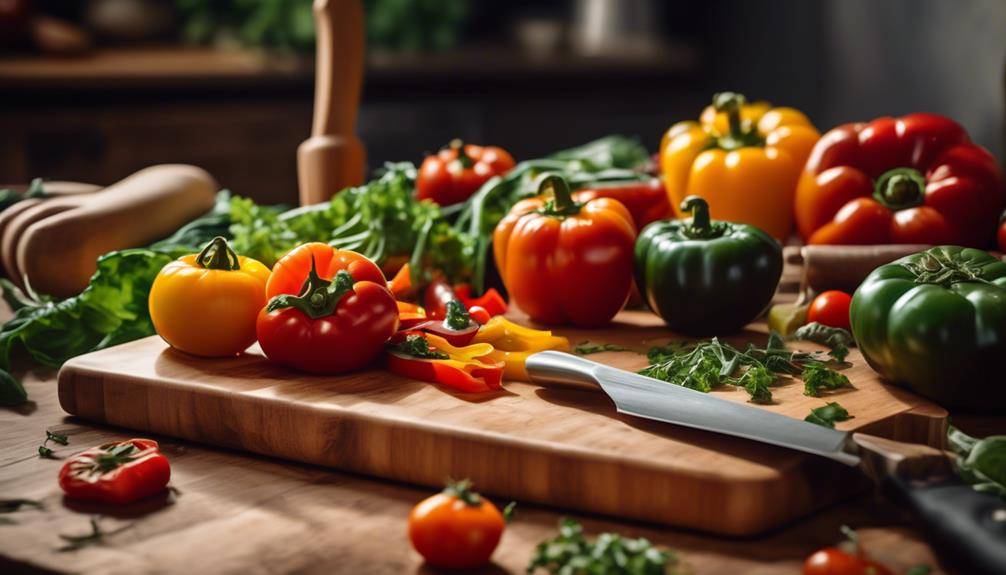
In the world of Turkish cuisine, ezme stands out as a vibrant and flavorful condiment that elevates any meze platter. This delightful mix typically features finely chopped tomatoes, onions, and peppers, all marrying beautifully with fresh herbs. What really makes ezme shine are the spice combinations you choose. You might find a touch of cumin or a sprinkle of sumac, adding depth and complexity to the dish.
When it comes to ingredient sourcing, quality is key. Fresh, ripe tomatoes, fragrant parsley, and spicy green peppers are essential for creating that authentic taste. Local markets often provide the best options, ensuring you’re getting seasonal produce that bursts with flavor. Don’t hesitate to experiment with different herbs and spices to create your perfect blend; after all, ezme can be customized to suit your palate.
This condiment not only enhances the flavors of other meze dishes but also stands on its own, inviting you to plunge into its zesty, invigorating taste. So, whether you’re hosting a gathering or enjoying a quiet meal, ezme is a must-have for your meze experience.
Cook Like a Pro in the Wild! Equip your adventure with our top-notch kitchen gear
Preparation Techniques Explained
To prepare ezme, start by finely chopping fresh tomatoes, onions, and peppers, ensuring each ingredient retains its unique flavor while blending harmoniously. Once you’ve chopped these ingredients, add fresh parsley and a pinch of salt to enhance the taste. Drizzle in some extra virgin olive oil and a splash of lemon juice for that tangy kick. Mix everything thoroughly to achieve a well-balanced consistency.
Understanding meze history can enrich your preparation. Traditionally served as an appetizer in Turkish cuisine, ezme is a vibrant, flavorful dish that showcases the freshness of its ingredients.
When it comes to plating techniques, presentation matters. Use a shallow dish or a small bowl to highlight the colorful mix of vegetables. You can garnish with a sprinkle of sumac or additional parsley to elevate the visual appeal. Pair it with warm pita bread or fresh vegetables for dipping, creating a delightful meze experience.
Mücver
Müçver, a delightful Turkish zucchini fritter, brings a burst of flavor to any meze platter. This crispy, golden treat is made by mixing grated zucchini with flour, eggs, and fresh herbs, creating a wonderful harmony of textures and tastes. Originating from the rich culinary traditions of Turkey, müçver showcases how simple ingredients can be transformed into something extraordinary.
You’ll find müçver variations throughout the region, with each home chef adding their own twist. Some recipes include feta cheese or fresh mint, while others might incorporate onions or even carrots for added sweetness. You can even experiment with different herbs like dill or parsley to elevate the flavor profile. The beauty of müçver lies in its versatility, making it a fantastic dish for any occasion.
When frying müçver, you want to guarantee your oil is at the right temperature to achieve that perfect crispiness. As you bite into one, the outside should be golden and crunchy, while the inside remains soft and tender. Serve these fritters warm, alongside a dollop of yogurt or a tangy sauce to enhance their taste.
Whether you enjoy müçver as a snack, appetizer, or part of a larger spread, you’ll appreciate how it embodies the essence of Turkish cuisine. So, next time you prepare a meze platter, don’t forget to include this irresistible delicacy that’s sure to impress your guests and leave them wanting more.
Acılı Ezme
Acılı ezme adds a vibrant kick to your meze platter, complementing the rich flavors of dishes like mücver. This spicy Turkish dip is a fantastic blend of tomatoes, peppers, onions, and a variety of spices that create an explosion of flavor. You’ll love how it contrasts with the creaminess of yogurt-based dips or the crunch of fresh vegetables.
When making acılı ezme, you can customize it to suit your taste. If you enjoy a bit more heat, consider using spicy variations of red pepper or adding a touch of chili flakes. The freshness of parsley and the tanginess of lemon juice round out the flavors, making it a well-balanced addition to your spread.
For serving suggestions, place acılı ezme in a small bowl at the center of your platter. Surround it with warm pita bread, crispy crackers, or fresh vegetables like cucumber and bell pepper strips for dipping. You can also pair it with grilled meats or fish, as the spice enhances the overall experience.
Don’t forget to serve it with a drizzle of olive oil on top, which not only looks appealing but also adds richness to the dish. Whether you’re hosting a gathering or enjoying a casual meal, acılı ezme will surely impress your guests and elevate your meze experience. Enjoy experimenting with different spice levels to find your perfect blend!
Cook Like a Pro in the Wild! Equip your adventure with our top-notch kitchen gear
Frequently Asked Questions: The 7 Best Meze Platters From Turkish Cuisine
What Are the Essential Ingredients in a Traditional Meze Platter?
To create a traditional meze platter, you’ll need essential ingredients like hummus, baba ghanoush, olives, and stuffed grape leaves. You can explore various meze variations by adding fresh vegetables, cheeses, or different dips for extra flavor.
How Is Turkish Meze Different From Other Mediterranean Mezes?
Turkish meze stands out due to its unique blend of Turkish spices and rich meze history. You’ll notice bolder flavors and diverse ingredients, setting it apart from other Mediterranean mezes that often use milder seasonings.
Can Meze Platters Be Made Vegetarian or Vegan?
Absolutely, you can create vegetarian or vegan meze platters! Use vegan substitutions like chickpeas, olives, and roasted veggies. Experiment with ingredient variations to enhance flavors, ensuring everyone enjoys a delicious and satisfying experience.
What Beverages Pair Well With Turkish Meze?
When you’re enjoying Turkish meze, consider pairing it with Turkish wines for a delightful match. Raki pairings also enhance the flavors, creating a perfect balance with the diverse tastes on your platter. Enjoy the experience!
How Can I Present a Meze Platter Aesthetically?
To present a meze platter aesthetically, arrange your selections with colorful garnishes like herbs or edible flowers. Vary the platter arrangements by using different shapes and heights to create visual interest and appeal. Enjoy!

Conclusion
Now that you know the 7 best meze platters from Turkish cuisine, it’s time to indulge in these delicious bites! Each dish brings its own unique flavor and texture, making them perfect for sharing with friends or family. Whether you’re dipping into creamy hummus or savoring the crispy sigara böreği, you’re sure to enjoy an authentic taste of Turkey. So gather your favorites, set the table, and immerse yourself in a delightful meze experience!