The Amazing History of Mini Frittatas
The Amazing History of Mini Frittatas; Mini frittatas may feel like a modern breakfast trend, but their story stretches far beyond today’s meal‑prep culture. These bite‑sized favorites are rooted in the traditional Italian frittata—a dish built on simplicity, resourcefulness, and seasonal ingredients. Over time, the classic frittata evolved from a rustic skillet meal into the convenient, customizable mini versions we enjoy today. This post explores how mini frittatas developed, why they became a staple in modern kitchens, and what makes them such a beloved breakfast option for busy families and food lovers alike.
Understanding the history and origin of mini frittatas means traveling through time—from the rustic kitchens of ancient Italy to contemporary home cooking where convenience, creativity, and nutrition intersect. This comprehensive exploration reveals not just how mini frittatas came to be, but why they have become one of the most popular breakfast recipes in today’s food culture.
Mini frittatas stand at the perfect crossroads of tradition and innovation. Their parent dish, the classic Italian frittata, has a rich story that reflects agricultural cycles, cultural preferences, regional diversity, and evolving cooking techniques. As modern cooks began seeking portable, freezer-friendly meals, the frittata naturally transformed into a personalized mini version that fits the demands of contemporary life. This full-length guide uncovers how the dish evolved, what influenced its adaptation, and why mini frittatas will likely remain a staple in kitchens worldwide for years to come.
This blog will help you:
- Understand the origins and evolution of the traditional Italian frittata.
- Learn how mini frittatas became a popular meal‑prep and breakfast trend.
- Discover why these bite‑sized frittatas fit modern cooking habits so well.
- Gain insight into how convenience and tradition blend in this classic dish.
- Feel inspired to create your own mini frittatas using simple, versatile ingredients.
The History of Mini Frittatas: Exploring the Roots of an Italian Breakfast Classic
To fully appreciate the origin of mini frittatas, it is important to begin with the history of the traditional frittata itself. The word frittata comes from the Italian verb friggere, which means “to fry,” referencing the dish’s early method of preparation in which eggs were cooked in hot oil or fat. Historically, the frittata began as a humble, resourceful way to use leftover vegetables, cured meats, and cheeses. In rural Italian households where every ingredient mattered, the frittata became the ultimate no-waste dish that combined simple ingredients into a hearty and satisfying meal.
Before the modern skillet or nonstick pan existed, early versions of frittatas were cooked over open flames, often in heavy pans or earthenware vessels. Families would mix eggs with whatever seasonal ingredients they had on hand—herbs in spring, potatoes in winter, or tomatoes in the summer. As Italian culinary culture evolved, the frittata became a symbol of comfort food, simplicity, and tradition. It was enjoyed at all times of the day: in the morning with bread, at lunch with a side salad, or as a late-night snack.
Mini frittatas grew directly out of this history. As cooking trends shifted toward individualized portions and meal prep convenience, the classic frittata was adapted into smaller, muffin-shaped versions. These new bite-sized frittatas retained all the spirit of the original dish but offered modern cooks an easier way to serve, store, and customize them. Unlike traditional skillet frittatas, which require precise timing to flip or finish in the oven, mini frittatas bake neatly in muffin tins and emerge perfectly portioned every time.
Mini Frittatas Origin: How a Traditional Italian Dish Became a Meal-Prep Essential
The transition from full-size frittatas to mini versions is closely tied to changes in cooking equipment and lifestyle shifts. The widespread availability of muffin tins and silicone baking molds played a major role in the rise of mini frittatas. As these tools became common in home kitchens across America, Australia, and Europe, cooks began experimenting with new ways to repurpose them beyond traditional baked goods.
The mini frittata trend gained traction in the late 20th century and surged dramatically in the early 2000s when meal prep culture began to explode. Busy parents, fitness enthusiasts, and home cooks looking for simple breakfast solutions quickly embraced the idea of pre-portioning egg-based meals that reheated well. The mini frittata checked all those boxes. It was healthy, customizable, cost-effective, and perfect for stocking the freezer.
Mini frittatas also benefited from the rising popularity of brunch culture. As brunch menus expanded, restaurants adopted mini frittatas as a convenient way to serve a variety of flavors at once. Their adorable appearance, clean presentation, and flavor versatility made them instant favorites among diners.
Social media added even more momentum. As visual platforms grew, mini frittatas became a popular subject for food photography, offering vibrant pops of color from ingredients like spinach, tomatoes, and herbs. Their tidy appearance in a muffin tin made them a natural fit for bloggers and influencers looking to share easy breakfast ideas. Thus, the mini frittata became a modern-day classic that combined tradition with trend.
What Are Mini Frittatas? Understanding the Modern Breakfast Trend
Mini frittatas are essentially small, individual servings of the traditional egg-based dish baked in a muffin tin rather than cooked in a skillet. This modern format maintains the integrity of the original frittata while offering greater convenience and personalization. Each mini frittata typically includes a mixture of eggs, dairy, vegetables, herbs, cheeses, and sometimes meats.
What makes mini frittatas so appealing is their adaptability. They can be made vegetarian, high-protein, low-carb, dairy-free, or gluten-free depending on dietary needs. Their portable size makes them ideal for school lunches, post-workout meals, picnics, or grab-and-go breakfasts. Unlike classic frittatas that require slicing, mini frittatas are effortlessly portioned, making them especially attractive to families and individuals trying to control serving sizes.
Mini frittatas also blend seamlessly with the growing trend toward meal prepping and batch cooking. Preparing a dozen at once takes the same amount of time as making a single large frittata, yet provides several days of convenient meals. With their combination of nutrition, convenience, and versatility, mini frittatas have become a staple for home cooks everywhere.
How Mini Frittatas Became a Popular Breakfast Meal Prep Option
The rise of mini frittatas in meal prep circles is closely tied to changing food habits. As people became more aware of the importance of protein-rich breakfasts, they looked for alternatives to sugary cereals and pastries. Mini frittatas offered a satiating, nutrient-dense option that could be prepared ahead and reheated in seconds.
Fitness communities promoted high-protein breakfasts, and mini frittatas fit perfectly into these goals. They could be loaded with vegetables, lean meats, and cheese to create balanced meals that aligned with many modern dietary approaches, including low-carb, keto, Whole30, and high-protein diets.
Social media platforms, especially Instagram and Pinterest, amplified the appeal of mini frittatas. Their bright, colorful presentation paired with clear portion sizes made them ideal for content creators. Viral meal prep videos often featured trays of mini frittatas being popped out of muffin tins and arranged neatly into containers. This visual satisfyingly reinforced the simplicity and effectiveness of the meal prep process.
The growing popularity of brunch culture also contributed to their rise. Mini frittatas became a favorite among hosts because they allowed for a variety of flavors without requiring large-scale cooking at once. Guests could enjoy multiple flavor combinations, from veggie-loaded cups to bacon-and-cheddar versions. As brunch expanded beyond restaurants into home entertaining, mini frittatas solidified their role as a fun, elegant, and practical addition to the menu.
Why Mini Frittatas Are a Staple in Modern Home Cooking
Mini frittatas cater to several defining features of modern home cooking: convenience, versatility, nutrition, and customization. Home cooks value recipes that allow them to utilize leftover vegetables, herbs, meats, and cheeses. Mini frittatas embrace this resourcefulness, mirroring the original purpose of the dish in Italian homes centuries ago.
They also fit seamlessly into busy schedules, offering breakfasts that can be made ahead and eaten throughout the week. Whether eaten on the run, reheated in the office microwave, or packed in lunchboxes, mini frittatas are practical without sacrificing flavor.
Another major reason for their popularity is their ability to accommodate dietary restrictions. Whether someone is vegetarian, gluten-free, dairy-free, low-carb, or simply trying to include more vegetables in their diet, mini frittatas are easy to adapt. This makes them a universal favorite among households trying to accommodate different preferences.
Mini frittatas also encourage creativity in the kitchen. With endless combinations of vegetables, cheeses, herbs, and proteins available, each batch can be completely unique. This freedom allows home cooks to experiment with flavors while keeping ingredients manageable and budget-friendly.
Healthy Mini Frittatas: Why They Fit Today’s Nutrition Trends
As food culture has shifted toward mindful eating, mini frittatas have naturally gained popularity as a nutrient-dense breakfast or snack option. Eggs offer high-quality protein, vitamins, and minerals. When combined with vegetables, leafy greens, lean meats, and herbs, mini frittatas become a well-rounded dish packed with nutrients.
Unlike sugary breakfast items, mini frittatas support sustained energy and blood sugar balance. They also align with wellness movements that emphasize whole foods and skip processed ingredients. This nutritional appeal has made mini frittatas a staple for athletes, families, and health-conscious individuals alike.
Their customizable nature ensures they can align with almost any eating preference. For example:
- Low-carb diets appreciate their high protein and low starch content.
- Vegetarian diets embrace versions loaded with spinach, mushrooms, tomatoes, or peppers.
- Mediterranean diets enjoy additions like feta cheese, basil, or olives.
- High-protein diets appreciate the balance of eggs, dairy, and lean meats.
- Gluten-free diets naturally include mini frittatas as a complete breakfast alternative.
This versatility is a key factor that continues to boost the popularity of mini frittatas across diverse audiences.
Mini Frittatas in American Breakfast Culture: From Home Kitchens to Brunch Tables
In the United States, breakfast trends evolve quickly, and mini frittatas adapted effortlessly to the modern palate. As American households embraced meal prepping, customizable breakfasts, and healthier alternatives to fast food, mini frittatas became a natural addition to the culture.
Restaurants and cafés contributed to the trend by offering mini frittatas as part of brunch buffets or à la carte menus. Gourmet versions using goat cheese, caramelized onions, roasted vegetables, or artisanal meats helped elevate the dish’s reputation.
Mini frittatas also align with the rise of farm-to-table cooking and seasonal produce. Because they highlight fresh vegetables and herbs, home cooks and chefs alike use them to showcase local ingredients in mindful, flavorful ways.
The Connection Between Mini Frittatas and the Rise of Portion-Controlled Eating
Another cultural movement that helped boost the prominence of mini frittatas is portion-controlled eating. As people grew more aware of serving sizes and calorie intake, individually sized foods became especially appealing. Mini frittatas provide exactly this: portions that are easy to count, track, and customize.
Whether someone wants one for a light snack or two or three for a full breakfast, the portion sizes remain straightforward and user-friendly. This makes them ideal for families, weight-management plans, and anyone trying to maintain balanced eating habits without measuring or weighing food.
How Mini Frittatas Reflect the Spirit of Italian Cuisine Through Modern Innovation
Despite their modern makeover, mini frittatas retain the essence of Italian cuisine: simplicity, practicality, and celebration of ingredients. The original frittata was always intended as a versatile dish that embraced what was fresh, local, and available. Mini frittatas do the same but in a format that resonates with contemporary culinary demands.
The innovation lies not in changing the ingredients but in reimagining the method of preparation. Baking frittatas in muffin tins preserves the classic flavors and textures while enhancing convenience. This balance between tradition and innovation is a hallmark of Italian cooking, and it’s one reason mini frittatas feel both familiar and fresh.
Mini Frittatas in the Global Food Scene: A Dish That Crosses Borders
Today, mini frittatas are enjoyed across the world, from the United States and Canada to Australia and parts of Europe. Their global appeal is due to their flexibility—each region adapts them using local spices, cheeses, and vegetables.
In Mediterranean countries, ingredients like olives, sun-dried tomatoes, and feta dominate.
In Latin American regions, mini frittatas may include peppers, corn, or spicy chorizo.
In Asian fusion kitchens, mini frittatas might feature scallions, sesame seeds, or mushrooms.
This adaptability ensures that mini frittatas continue evolving while keeping their Italian identity intact.
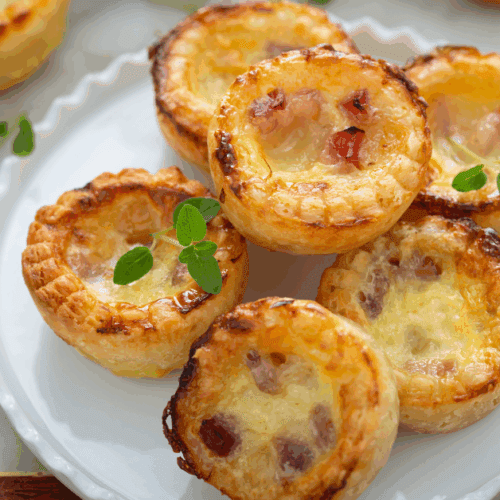
Mini Frittatas
Ingredients
- 8 large eggs
- 1/3 cup milk optional for fluffier frittatas
- 1/2 cup diced ham
- 1/2 cup shredded cheese cheddar, Swiss, mozzarella, or your choice
- 1/2 cup chopped veggies bell peppers, spinach, mushrooms, onions, tomatoes, etc.
- Optional add-ins: herbs parsley, basil, cooked bacon, feta, or cooked sausage
- Cooking spray or oil for greasing the muffin tin
Instructions
- Preheat the Oven
- Heat your oven to 350°F (175°C). Lightly grease a 12-cup muffin tin with cooking spray or oil.
- Prepare the Filling
- In a bowl, combine the diced ham, shredded cheese, and chopped vegetables. Mix gently and distribute the mixture evenly among the muffin cups.
- Whisk the Eggs
- In a separate bowl, whisk together the eggs, milk (if using), salt, and pepper until smooth and well combined.
- Pour the Egg Mixture
- Carefully pour the egg mixture into each muffin cup, filling them about ¾ full to allow room for rising.
- Bake
- Place the muffin tin in the oven and bake for 18–22 minutes, or until the mini frittatas are set in the center and lightly golden around the edges.
- Cool and Serve
- Let them cool for a few minutes in the pan, then use a butter knife to gently loosen and remove each frittata.
Frequently Asked Questions: The Amazing History of Mini Frittatas
What is the difference between a mini frittata and an egg muffin?
While mini frittatas and egg muffins may appear similar, the difference is in texture and preparation method. Mini frittatas typically include dairy—such as milk, cream, or cheese—leading to a richer, fluffier texture. Egg muffins often skip dairy, resulting in a firmer, more omelet-like bite.
Are mini frittatas healthy for breakfast?
Yes, mini frittatas offer a nutritious, protein-rich breakfast option. Depending on the ingredients used, they can be low-carb, gluten-free, high-protein, or packed with vegetables, making them suitable for many dietary lifestyles.
Can mini frittatas be made ahead of time?
Absolutely. Mini frittatas are ideal for meal prep. They can be refrigerated for several days or frozen for longer storage. Reheating them takes just a few seconds, making them perfect for busy mornings.
Where did mini frittatas originate?
Mini frittatas originated as a modern adaptation of the traditional Italian frittata. While the classic dish dates back centuries, the mini version gained popularity in the late 20th and early 21st centuries due to meal prep trends and the rise of muffin tin cooking.
Why are mini frittatas so popular?
Mini frittatas are beloved because they’re portable, customizable, nutritious, and easy to make. They fit the needs of modern cooking by supporting meal prepping, portion control, and dietary customization while preserving the comfort and flavor of the original frittata.

Why Mini Frittatas Continue to Capture the Hearts of Home Cooks
Mini frittatas bridge the gap between classic culinary tradition and modern lifestyle demands. Their history is rooted in Italian resourcefulness and flavor, yet their widespread popularity stems from their ability to adapt to contemporary cooking trends. As meal prepping, brunch culture, and healthier eating continue to shape home cooking, mini frittatas remain a timeless favorite.
With their versatility, convenience, nutritional value, and endless customization options, mini frittatas represent the perfect blend of heritage and innovation. Whether enjoyed warm from the oven, reheated for a quick breakfast, or served at a brunch gathering, they are a dish that continues to evolve while staying true to its origins. It’s clear that mini frittatas are here to stay—delighting home cooks and food lovers around the world.
If you enjoyed exploring this topic and want to dive even deeper, be sure to check out some of our other articles here on Infinite Flavors. From rich culinary histories to creative twists on classic recipes, there’s always something new to discover. Whether you’re curious about the origins of a dish, looking for fresh inspiration in the kitchen, or simply love learning about food culture, our collection of posts is the perfect next step on your flavor journey.
The Great History Of Savory Oatmeal Cups
The Delicious History Of Super Easy Carrot Muffins
The Exciting Bright And Zesty History Of Lemon Poppy Seed Muffins