The Best Authentic Creole Seafood Gumbo
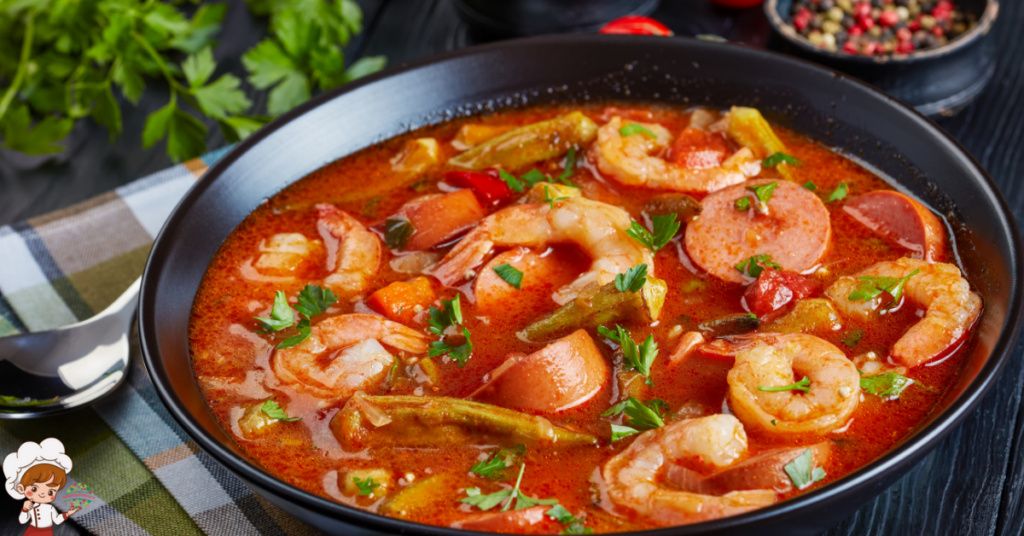
The Best Authentic Creole Seafood Gumbo; Indulge in the subtle symphony of flavors that come together in the creation of an authentic Creole Seafood Gumbo. This renowned dish, with its rich history and carefully selected ingredients, is a testament to the art of culinary craftsmanship. From the tantalizing blend of spices to the freshness of the seafood, every element plays a vital role in the creation of this beloved dish. So, get ready to embark on a culinary journey that will leave you craving for more.
Click Here and Turn Every Masterpiece into a Showstopper!
The History of Creole Gumbo
The history of Creole gumbo dates back to the early 18th century when African, French, and Spanish culinary traditions converged in the melting pot of New Orleans. Gumbo, a rich and flavorful stew, became a staple in Louisiana cuisine and is now synonymous with the region’s culinary identity. The history of gumbo in Louisiana is a reflection of the diverse cultural influences that have shaped the state’s cuisine.
The origins of gumbo can be traced back to West Africa, where the use of okra as a thickening agent in stews was common. When African slaves were brought to Louisiana, they brought their culinary traditions with them. Okra, along with other African ingredients such as filé powder (made from ground sassafras leaves), became integral to the development of gumbo.
The French and Spanish settlers in Louisiana also made significant contributions to the evolution of gumbo. The French introduced roux, a mixture of flour and fat used as a thickening agent, while the Spanish brought their love for tomatoes. These ingredients, combined with the African influence, created a unique and flavorful dish that would become known as Creole gumbo.
Over time, Creole gumbo grew in popularity and became a symbol of the cultural diversity of Louisiana. It became a dish that could be enjoyed by people from all walks of life, regardless of their cultural background. Today, gumbo is still a beloved dish in Louisiana, with countless variations and interpretations. It is a testament to the rich history and cultural heritage of the region.
Essential Ingredients for Authentic Gumbo
To make an authentic gumbo, you need a few key ingredients that are essential to its rich and flavorful taste. The traditional gumbo recipe typically includes a dark roux, which is made by cooking flour and oil until it turns a deep brown color. Other important components are the “holy trinity” of Cajun and Creole cooking – onions, bell peppers, and celery – as well as a variety of proteins like seafood, chicken, or sausage.
Key Ingredients for Gumbo
For an authentic gumbo, the key ingredients are carefully chosen to create a flavorful and hearty dish that embodies the essence of Creole cuisine. Gumbo, with its rich history rooted in Louisiana, is a beloved dish that brings together a fusion of flavors and cultures. Seafood plays a crucial role in gumbo, adding depth and complexity to the dish. The types of seafood commonly used in gumbo include shrimp, crab, oysters, and sometimes even crawfish.
These ingredients bring a delicate sweetness, brininess, and a touch of earthiness to the gumbo, making it a truly unique and delicious experience. The combination of these seafood flavors, along with the other essential ingredients such as the Holy Trinity (onions, bell peppers, and celery), tomatoes, and spices, creates a gumbo that is both comforting and full of character.
Traditional Gumbo Recipe
As we move into discussing the traditional gumbo recipe, let’s explore the essential ingredients that contribute to the authenticity and depth of flavor found in this beloved Creole dish. Traditional gumbo techniques and regional gumbo variations play a significant role in creating the unique taste of this dish. Here are four key ingredients that are essential in making a traditional gumbo:
- Roux: A mixture of flour and fat, typically oil or butter, that provides the base and thickening agent for the gumbo.
- Holy Trinity: A combination of onions, bell peppers, and celery that forms the flavor base of the gumbo.
- Seafood or Meat: Depending on the region, gumbo can be made with a variety of proteins, including shrimp, crab, sausage, or chicken.
- Okra or File Powder: These ingredients are used to thicken the gumbo and add a distinctive flavor.
How to Make a Flavorful Roux
Creating a flavorful roux is an essential step in ensuring the rich and robust taste of your Creole Seafood Gumbo. The roux acts as the base for the gumbo, providing depth and complexity to the overall flavor profile. There are several techniques you can employ to make a flavorful roux that will elevate your gumbo to new heights.
One of the most important aspects of making a flavorful roux is achieving the perfect balance of flour and fat. The ratio of flour to fat can vary depending on personal preference, but generally, a 1:1 ratio is a good starting point. You can use either butter or oil as the fat component, with each imparting its own distinct flavor to the roux. Be sure to heat the fat before adding the flour, as this will help to cook out the raw flour taste and develop a nutty flavor.
Another key technique for creating a flavorful roux is to cook it slowly over low heat. This allows the flour to toast gradually, resulting in a deeper, more complex flavor. Take your time and stir the roux continuously to prevent it from burning. The color of the roux will darken as it cooks, ranging from a light golden brown to a deep, rich mahogany.
The importance of the roux in gumbo cannot be overstated. It not only thickens the soup but also adds a distinct flavor that is characteristic of Creole cuisine. A well-made roux will contribute a velvety texture and a deep, savory taste to your gumbo. So, take your time, use the right techniques, and savor the delicious results of your flavorful roux in your Creole Seafood Gumbo.
Click Here and Turn Every Masterpiece into a Showstopper!
The Art of Seasoning Gumbo
When it comes to seasoning gumbo, there are three key points to consider: spice selection, seasoning techniques, and flavor balance. The spices you choose will determine the overall flavor profile of the dish, so it’s important to choose wisely. From there, you’ll need to master the art of seasoning, knowing when and how much to add to achieve the desired taste. Lastly, achieving the perfect flavor balance is crucial, ensuring that no one spice or seasoning overpowers the others.
Spice Selection
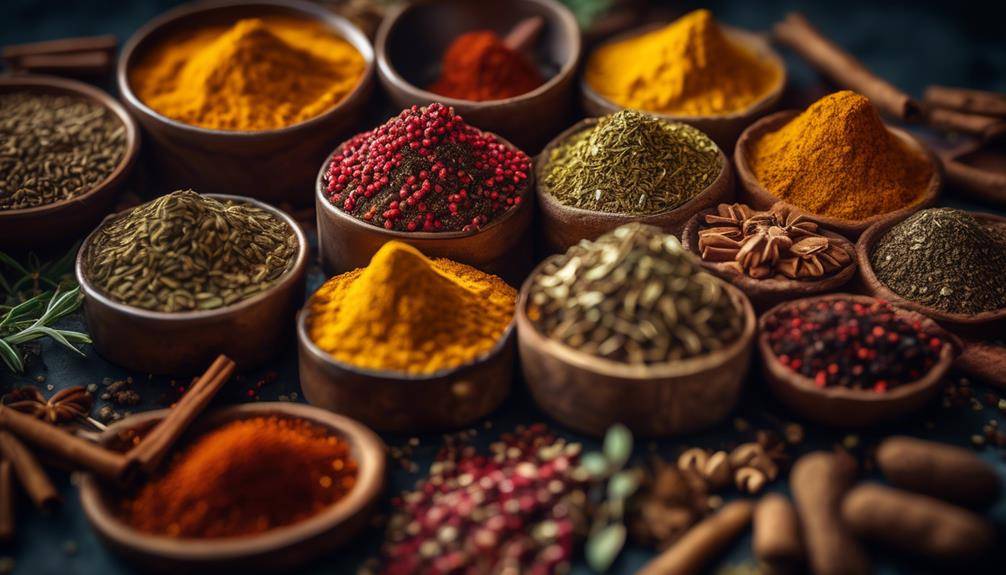
What are the key spices that elevate the flavors of a traditional Creole seafood gumbo? When it comes to seasoning gumbo, the right combination of spices can make all the difference. Here are four essential spices that bring out the authentic flavors of a Creole seafood gumbo:
- Cayenne Pepper: This fiery spice adds a kick of heat to the gumbo, balancing out the rich flavors of the seafood.
- Paprika: With its smoky and slightly sweet flavor, paprika adds depth and complexity to the dish.
- Thyme: The earthy and aromatic notes of thyme complement the seafood, enhancing its natural flavors.
- File Powder: Made from ground sassafras leaves, file powder adds a distinct, herbal flavor and acts as a thickening agent for the gumbo.
While these spices are essential, feel free to experiment with spice pairings and alternatives to suit your taste preferences. Remember, the right combination of spices is key to achieving that perfect balance of flavors in your Creole seafood gumbo.
Seasoning Techniques
To achieve the perfect balance of flavors in your Creole seafood gumbo, mastering the art of seasoning is essential. Seasoning techniques play a crucial role in enhancing the taste of your dish. When it comes to searing techniques, it is important to sear the seafood before adding it to the gumbo. This helps to lock in the flavors and create a delicious caramelized crust on the outside.
Marinating the seafood beforehand can also add an extra layer of depth to the overall flavor. You can use a combination of spices, herbs, and acidic ingredients like lemon or vinegar to marinate the seafood. This allows the flavors to penetrate the meat, resulting in a more flavorful and tender seafood gumbo. By using these searing techniques and marinating tips, you can elevate your Creole seafood gumbo to a whole new level of deliciousness.
Flavor Balance
Achieving the perfect balance of flavors in your Creole seafood gumbo requires mastering the art of seasoning. The flavor profiles in a gumbo are complex and diverse, with each ingredient adding its unique taste to the dish. To achieve the right balance, consider the following:
- The rich, smoky flavor of andouille sausage, complemented by the earthiness of okra, adds depth to the gumbo.
- The holy trinity of onions, bell peppers, and celery provides a savory and aromatic base for the dish.
- A touch of acidity from tomatoes or lemon juice helps to brighten the flavors and cut through the richness.
- The heat from cayenne pepper or hot sauce adds a fiery kick that enhances the overall taste.
When making ingredient substitutions, be mindful of how they will affect the overall flavor balance. Adjusting the seasonings accordingly will ensure that your gumbo remains authentic and delicious.
Choosing the Freshest Seafood
When selecting the freshest seafood for your Creole Seafood Gumbo, it is important to utilize your senses and consider a few key factors. Choosing seafood of the highest freshness and quality is crucial to ensure a delicious and flavorful gumbo. There are several seafood selection techniques you can employ to make sure you are getting the best ingredients for your dish.
First and foremost, rely on your sense of smell. Fresh seafood should have a clean, briny scent, reminiscent of the ocean. Avoid any fishy or ammonia-like odors, as these are signs of spoilage. Additionally, the seafood should have a firm texture and be free from any sliminess or stickiness. Be sure to inspect the shells on shellfish, like shrimp or crab, for any cracks or discoloration, as these can indicate deterioration.
Another important aspect to consider is the source of the seafood. Whenever possible, choose local, sustainably sourced seafood. This not only supports local fishermen and the environment, but it also ensures that the seafood is fresh, as it has not had to travel long distances to reach your kitchen.
Lastly, if you have the opportunity, it is always best to buy seafood directly from a reputable fishmonger or seafood market. These establishments often have a higher turnover of seafood, ensuring that you are getting the freshest options available.
Click Here and Turn Every Masterpiece into a Showstopper!
Step-by-Step Gumbo Cooking Instructions
Begin by gathering all of the necessary ingredients and equipment for making your Creole Seafood Gumbo. To make this delicious dish, you will need:
- Fresh seafood: Choose a variety of seafood such as shrimp, crab, and fish to give your gumbo a rich and flavorful taste.
- Holy Trinity: This aromatic combination of onions, bell peppers, and celery forms the base of many Creole dishes, including gumbo. It adds depth and complexity to the flavor profile.
- Roux: The roux is a mixture of flour and fat that serves as a thickening agent for the gumbo. It also adds a nutty flavor to the dish.
- Stock: Use a combination of seafood stock and chicken stock to create a flavorful base for your gumbo.
Now that you have everything you need, it’s time to start cooking your gumbo. Follow these step-by-step gumbo cooking instructions for the perfect result:
- Heat a large pot over medium heat and add the roux. Stir continuously until it turns a dark brown color, being careful not to burn it.
- Add the holy trinity to the pot and sauté until the vegetables are soft and translucent.
- Slowly pour in the seafood and chicken stock, stirring well to combine all the ingredients.
- Bring the gumbo to a boil, then reduce the heat and let it simmer for at least an hour, allowing the flavors to meld together.
Tips for achieving the perfect gumbo consistency:
- If your gumbo is too thick, add more stock or water to thin it out.
- If it is too thin, let it simmer uncovered for a longer period of time to allow the liquid to reduce and thicken.
- Remember that gumbo is meant to be a hearty and thick stew, so don’t be afraid to let it cook for a longer time to develop a rich and robust flavor.
Now that you have mastered the step-by-step gumbo cooking instructions and have some tips for achieving the perfect gumbo consistency, you are ready to enjoy the authentic flavors of Creole Seafood Gumbo.
Tips for Achieving the Perfect Gumbo Consistency
To achieve the perfect gumbo consistency, you can make adjustments to the thickness by adding more stock or water if it’s too thick or simmering it uncovered for a longer period of time to allow the liquid to reduce and thicken if it’s too thin. Achieving the ideal gumbo consistency can be a bit tricky, but with a few tips, you can troubleshoot common gumbo consistency issues and ensure a delicious outcome.
One of the key tips for thickening gumbo is to use a roux. A roux is a mixture of equal parts flour and fat, usually butter or oil, that is cooked until it reaches a desired color. The darker the roux, the richer the flavor it imparts to the gumbo. A well-cooked roux acts as a thickening agent, giving the gumbo a velvety texture. If your gumbo is too thin, you can make a roux and add it to the gumbo, stirring well to incorporate it fully. Allow the gumbo to simmer for a few more minutes to let the roux thicken the liquid.
Another tip is to use okra, a vegetable with natural thickening properties. Okra releases a gel-like substance when cooked, which helps to thicken the gumbo. If you prefer a thicker gumbo, you can add sliced okra to the pot and let it cook until tender. The okra will naturally thicken the gumbo as it simmers.
Lastly, if your gumbo is still not achieving the desired consistency, you can use a slurry to thicken it. A slurry is a mixture of equal parts cornstarch and cold water. Mix the cornstarch and water until smooth and then slowly pour it into the gumbo while stirring continuously. Allow the gumbo to simmer for a few more minutes to allow the slurry to thicken the liquid.
Serving Suggestions and Accompaniments
When it comes to serving Creole Seafood Gumbo, there are a few points to consider. First, think about the pairing options. This hearty dish pairs well with white rice or crusty French bread. Next, consider the garnish ideas. Fresh parsley, green onions, or a squeeze of lemon can add a burst of freshness to the rich flavors of the gumbo. Finally, choose your bread wisely. A warm and crusty baguette or cornbread can be the perfect accompaniment to soak up every last bit of the flavorful broth.
Pairing Options
For a perfectly balanced and satisfying meal, consider these pairing options to enhance the flavors of your Creole Seafood Gumbo:
- Wine Pairings: A glass of crisp and citrusy Sauvignon Blanc complements the rich seafood flavors of the gumbo. Its acidity cuts through the spiciness, providing a refreshing contrast. Alternatively, a medium-bodied Chardonnay with notes of tropical fruits and a hint of oak can bring out the sweetness of the seafood.
- Vegetarian Alternatives: If you prefer a vegetarian version of this classic dish, consider pairing it with a side of dirty rice or cornbread. These savory accompaniments provide a hearty and flavorful contrast to the gumbo. For a lighter option, a fresh green salad with a tangy vinaigrette can balance the richness of the dish.
- Crusty Bread: Serve your gumbo with a slice of warm, crusty French bread. The bread’s crispy exterior and soft, chewy interior are perfect for dipping into the flavorful broth.
- Pickled Vegetables: Add a tangy and crunchy element to your gumbo by serving it with a side of pickled okra, green beans, or carrots. These pickled vegetables provide a refreshing contrast to the rich and spicy flavors of the gumbo.
These pairing options will elevate your Creole Seafood Gumbo experience, allowing you to savor the unique flavors of this iconic dish.
Garnish Ideas
Enhance the presentation and elevate the flavors of your Creole Seafood Gumbo with these enticing garnish ideas, providing a delightful visual and textural contrast to the dish. There are numerous garnish options that can take your gumbo to the next level. Consider topping your gumbo with a sprinkle of fresh chopped parsley or green onions to add a pop of color and freshness.
For a touch of heat, a dollop of spicy creole mustard or a drizzle of hot sauce can be added. If you want to add some crunch, try garnishing with crispy fried okra or crumbled bacon. Another creative presentation idea is to serve your gumbo over a bed of fluffy white rice, allowing the flavors to meld together beautifully. Experiment with these garnish options and let your creativity shine when serving your Creole Seafood Gumbo.
Bread Choices
Consider the various bread choices that can complement and enhance the flavors of your Creole Seafood Gumbo. When it comes to serving this traditional dish, there are plenty of bread options to choose from. Here are some ideas to help you decide:
- French Baguette: The crispy exterior and soft, chewy interior of a classic French baguette provides the perfect contrast to the rich and flavorful gumbo.
- Cornbread: The slightly sweet and crumbly texture of cornbread adds a Southern touch to your meal, balancing out the spiciness of the gumbo.
- Garlic Bread: The aromatic flavors of garlic bread pair well with the robust flavors of the seafood and spices in the gumbo.
- Gluten-Free Alternatives: If you have dietary restrictions, consider gluten-free bread options like rice bread or gluten-free baguettes. These alternatives allow everyone to enjoy the gumbo without sacrificing taste or texture.
Choose the bread that best suits your taste preferences and dietary needs, and enjoy it alongside your delicious Creole Seafood Gumbo.
Gumbo Variations to Try
To explore the exciting world of Gumbo variations, let’s delve into the diverse flavors and ingredients that can elevate this classic Creole dish to new heights. Gumbo, with its rich history and complex flavor profiles, offers endless possibilities for customization. One popular variation is the addition of smoked sausage, which adds a smoky and savory dimension to the dish. The sausage infuses the gumbo with its distinct flavors, complementing the seafood and creating a harmonious blend of tastes.
For those seeking a spicier kick, the addition of cayenne pepper or hot sauce can elevate the heat level of the gumbo. This variation adds a fiery element that tantalizes the taste buds and adds excitement to each spoonful. The heat can be adjusted to personal preference, allowing for a customized experience that suits individual spice tolerance.
Another intriguing variation is the use of different types of seafood. While traditional Creole seafood gumbo typically includes shrimp, crab, and oysters, adventurous home cooks can experiment with other seafood options such as crawfish or even lobster. These variations provide a unique twist on the classic gumbo, showcasing the versatility of the dish and allowing for a diverse range of flavors.
For a vegetarian twist on gumbo, one can substitute the meat and seafood with a medley of vegetables such as okra, bell peppers, and tomatoes. This variation still captures the essence of gumbo through its rich flavors and hearty texture, while also catering to those with dietary restrictions.
Storing and Reheating Gumbo
If you’ve made a delicious batch of gumbo and want to know how to store and reheat it, here are some helpful tips to ensure that your leftovers maintain their flavor and texture.
- Proper Storage Containers: Store your gumbo in airtight containers to prevent any air from entering and causing freezer burn. Glass or plastic containers with tight-fitting lids are ideal for keeping your gumbo fresh.
- Cooling Before Storing: Allow your gumbo to cool completely before transferring it to the storage containers. This helps to prevent condensation and ensures that your gumbo retains its original taste and consistency.
- Freezing Gumbo: If you plan on storing your gumbo for an extended period, freezing is the best option. Divide the gumbo into smaller portions and freeze them individually. This way, you can thaw only what you need without affecting the rest of the gumbo.
- Reheating Leftovers: When reheating gumbo, it’s important to do it slowly and evenly to prevent scorching. The best method is to thaw the gumbo in the refrigerator overnight and then heat it gently on the stovetop. Stir occasionally to ensure even heat distribution.
Frequently Asked Questions About Creole Seafood Gumbo
For a comprehensive understanding of Creole Seafood Gumbo, here are some frequently asked questions to help you navigate through this beloved dish.
- What is the origin of Creole Seafood Gumbo?
Creole Seafood Gumbo is a traditional dish originating from the Louisiana region in the United States. It is a melting pot of various cultural influences, including African, Native American, French, and Spanish cuisines. The dish reflects the rich history and diverse heritage of the region.
- What are the key ingredients in Creole Seafood Gumbo?
Creole Seafood Gumbo typically includes a combination of seafood such as shrimp, crab, and oysters, along with the holy trinity of Creole cuisine – onion, bell pepper, and celery. It is flavored with a roux, a mixture of flour and fat, and seasoned with a variety of spices such as thyme, bay leaves, and cayenne pepper.
- What are the different cooking techniques used in making Creole Seafood Gumbo?
The cooking techniques used in making Creole Seafood Gumbo are sautéing, simmering, and slow cooking. The dish begins with sautéing the holy trinity and the roux, which creates a rich and flavorful base. The seafood and other ingredients are then added and simmered slowly to allow the flavors to meld together.
- Can I make Creole Seafood Gumbo in advance?
Yes, you can make Creole Seafood Gumbo in advance. In fact, the flavors of the dish tend to develop and improve with time. It is recommended to let the gumbo cool and then refrigerate it overnight before reheating and serving.
- Can I freeze Creole Seafood Gumbo?
Yes, Creole Seafood Gumbo can be frozen for future enjoyment. However, it is important to note that the texture of the seafood may change slightly upon thawing and reheating. It is best to freeze the gumbo in individual portions for easy thawing and reheating.
Click Here and Turn Every Masterpiece into a Showstopper!
Frequently Asked Questions
How Long Does It Take to Make Authentic Creole Seafood Gumbo?
To make authentic Creole seafood gumbo, you’ll need to master specific cooking techniques and use traditional ingredients. The time it takes to make it depends on factors like prep work and simmering, but it’s worth the effort.
Can I Use Frozen Seafood in My Gumbo?
Yes, you can use frozen seafood in your gumbo. It’s a convenient option, but fresh seafood adds more flavor and texture. Common types of seafood used in gumbo include shrimp, crab, and fish.
Can I Substitute the Seafood With Chicken or Sausage?
Substituting the seafood in gumbo with chicken or sausage has pros and cons. While it can provide different flavor variations, it may alter the authentic taste. Consider the texture, cooking time, and seasoning adjustments before making the substitution.
How Spicy Is Creole Seafood Gumbo Typically?
Creole seafood gumbo is traditionally spicy, with a flavorful blend of spices such as cayenne pepper, paprika, and thyme. These spices add depth and heat to the dish, creating a tantalizing and robust flavor profile.
Can I Make Gumbo Ahead of Time and Freeze It for Later?
Yes, you can make gumbo ahead of time and freeze it for later. If you don’t want seafood, you can use alternative ingredients like chicken, sausage, or vegetables to make a delicious gumbo.

Conclusion
In conclusion, making authentic Creole seafood gumbo requires a careful balance of essential ingredients, a flavorful roux, and the artful seasoning of the dish. Choosing the freshest seafood is also crucial to achieving the desired flavor and texture. When serving gumbo, consider traditional accompaniments such as rice, cornbread, or crusty French bread. Additionally, don’t be afraid to experiment with different variations of gumbo to suit your taste preferences. Properly storing and reheating gumbo ensures that you can enjoy its flavors for days to come.