The Great Benefits Of AI In Food Production
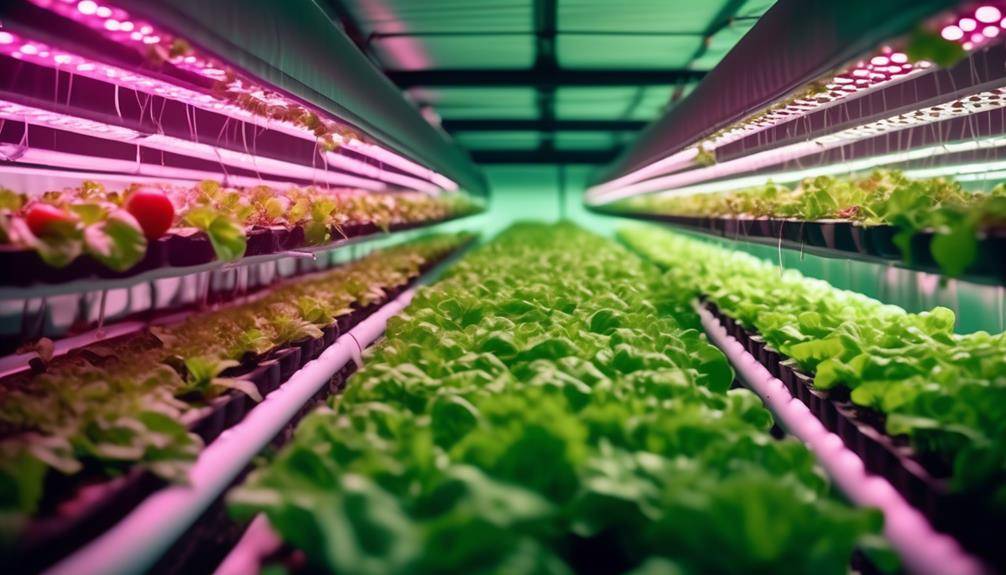
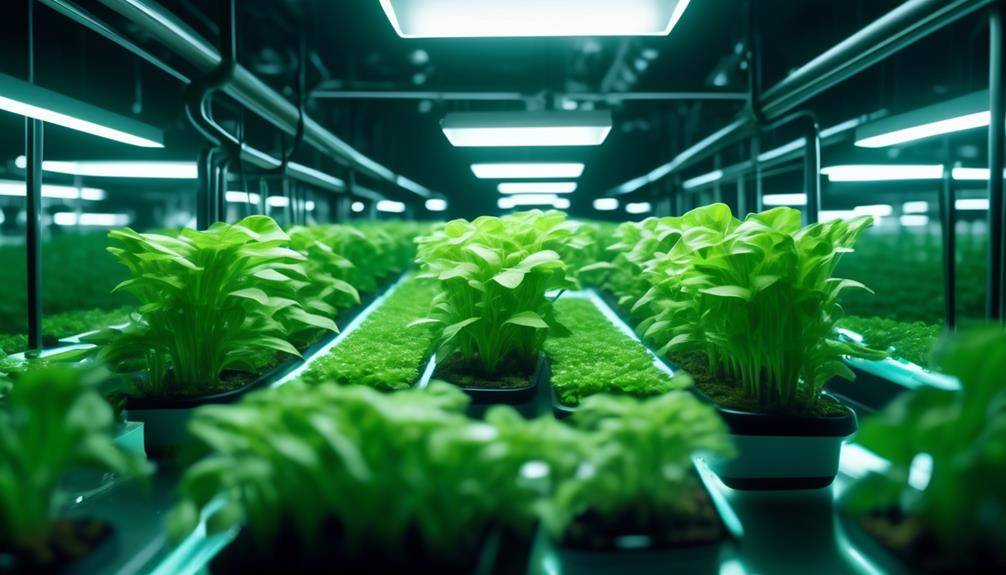
The Great Benefits Of AI In Food Production; Imagine a world where fields of crops flourish like a symphony of colors, orchestrating a bountiful harvest. Now, picture a future where the tedious tasks of monitoring, analyzing, and managing food production are seamlessly executed by advanced AI systems. This tantalizing vision of efficiency and innovation is not a distant dream but a reality within our grasp. In this discussion, we will explore the myriad benefits that AI brings to food production, revolutionizing the way we cultivate, nurture, and sustain our global food supply. From enhanced crop yield and quality to personalized nutrition, brace yourself for a captivating exploration of how AI is reshaping the future of food production.
We’ve Got Everything You Need to Make Your Masterpiece.
Improved Crop Yield and Quality
Using AI in food production can significantly enhance crop yield and quality by leveraging advanced data analysis and predictive modeling. Precision farming and smart agriculture have revolutionized the way crops are grown, and AI technology plays a crucial role in optimizing this process.
AI algorithms can analyze vast amounts of data, including soil composition, weather patterns, and historical crop performance, to provide farmers with valuable insights. By integrating this data with real-time monitoring systems, AI can help farmers make informed decisions about irrigation, fertilizer application, and pest control. This level of precision ensures that crops receive the right amount of nutrients and water, leading to improved yield and quality.
One of the key advantages of AI in food production is its ability to predict and prevent crop diseases and pests. By analyzing historical data and monitoring environmental conditions, AI algorithms can identify potential threats and alert farmers in advance. This allows for timely intervention, such as targeted pesticide application or the use of biological control methods, minimizing crop losses and maintaining quality.
Furthermore, AI can optimize the timing of planting and harvesting based on weather patterns and market demand, maximizing the yield and profitability for farmers. By considering factors such as temperature, precipitation, and market prices, AI algorithms can generate accurate predictions and recommendations, enabling farmers to make informed decisions.
Enhanced Pest and Disease Management
You can harness the power of AI to effectively control pests and manage diseases in food production. AI technology allows for the development of advanced pest control systems that can identify and target specific pests, reducing the need for harmful pesticides. Additionally, AI can aid in the early detection of diseases by analyzing vast amounts of data, enabling proactive measures to prevent their spread and minimize crop losses.
AI for Pest Control
How can AI revolutionize pest and disease management in food production? AI for pest control offers significant benefits for crop protection in agriculture. By leveraging advanced algorithms and data analysis, AI can enhance pest management strategies and improve overall productivity. AI-powered systems can collect and analyze vast amounts of data, including weather patterns, crop conditions, and pest behavior.
This allows for early detection and prediction of pest outbreaks, enabling farmers to take proactive measures to prevent or mitigate damage. AI can also optimize the use of pesticides by precisely targeting areas where they are needed, reducing chemical usage and environmental impact. Moreover, AI can assist in identifying resistant crop varieties, improving breeding programs for pest-resistant plants. With AI, farmers can achieve more effective pest control, increase crop yields, and contribute to sustainable agriculture practices.
Disease Detection Using AI
AI-powered systems revolutionize disease detection in food production, allowing for early identification and proactive management of pest and disease outbreaks. With AI-based early detection, smart farming techniques are employed to enhance disease surveillance and crop protection. By analyzing vast amounts of data, AI algorithms can identify patterns and anomalies that humans may miss, enabling quick and accurate diagnosis of diseases.
These systems can monitor various environmental factors such as temperature, humidity, and soil conditions, providing real-time insights into the health of crops. AI-driven disease surveillance also enables farmers to implement timely interventions, such as targeted spraying or crop rotation, to mitigate the spread of diseases. This proactive approach not only helps in preventing crop losses but also reduces the need for excessive pesticide usage, making the entire food production process more sustainable.
Efficient Resource Allocation and Utilization
Efficient allocation and utilization of resources is a key advantage of incorporating AI technology into food production processes. AI-powered systems can optimize resource allocation by collecting and analyzing data from various sources, enabling farmers to make more informed decisions. Here are four key ways in which AI enables resource optimization and efficient utilization in food production:
- Precision Farming: AI technology enables farmers to monitor and analyze crop conditions in real-time, allowing for precise application of water, fertilizers, and pesticides. By using sensors and drones, AI can provide accurate data on soil moisture, nutrient levels, and pest infestations, allowing farmers to optimize resource allocation and minimize waste.
- Predictive Analytics: By analyzing historical and real-time data, AI algorithms can predict crop yields, pest outbreaks, and weather patterns. This allows farmers to plan resource allocation effectively, ensuring that adequate resources are available when and where they are needed. Predictive analytics also help reduce the risk of resource shortages and wastage.
- Machine Learning for Irrigation Management: AI-powered systems can learn from historical data and adjust irrigation schedules based on crop water requirements, weather conditions, and soil moisture levels. By optimizing irrigation, farmers can minimize water wastage and ensure that crops receive the right amount of water at the right time.
- Optimized Supply Chain Management: AI technology can optimize supply chain management by analyzing data on crop yields, market demand, and transportation logistics. This enables farmers to allocate resources efficiently, minimize food waste, and ensure timely delivery of fresh produce to consumers.
Incorporating AI technology into food production processes enables efficient resource allocation and utilization, leading to improved productivity, reduced waste, and sustainable farming practices. With AI, farmers can make data-driven decisions that maximize the use of resources while minimizing environmental impact.
We’ve Got Everything You Need to Make Your Masterpiece.
Real-Time Monitoring and Data Analysis
Real-time monitoring and data analysis play a crucial role in optimizing food production processes and enhancing resource utilization. By implementing real-time monitoring systems, you can continuously track various parameters such as temperature, humidity, and air quality in different stages of the production chain. This enables you to identify and address any deviations or anomalies promptly, minimizing the risk of quality issues or product spoilage. Additionally, real-time monitoring allows you to monitor the performance of production equipment, ensuring optimal functioning and minimizing downtime.
The benefits of real-time monitoring extend beyond immediate problem-solving. By collecting and analyzing data in real-time, you gain valuable insights into the overall efficiency of your food production processes. This data-driven approach enables you to identify bottlenecks, optimize workflows, and improve resource allocation. For example, by monitoring energy consumption in real-time, you can identify areas of high energy usage and implement measures to reduce waste, leading to cost savings and improved sustainability.
Data analysis also plays a crucial role in predictive maintenance. By analyzing historical data and patterns, you can anticipate equipment failures or maintenance needs, allowing for proactive measures to be taken before major breakdowns occur. This not only reduces downtime but also extends the lifespan of your equipment, resulting in significant cost savings in the long run.
Furthermore, real-time monitoring and data analysis enable you to comply with regulatory requirements and ensure food safety. By continuously monitoring critical control points, you can quickly detect and address any deviations from safety standards, preventing the distribution of contaminated or unsafe products.
Precision Agriculture Techniques
To optimize your crop yield and maximize productivity, precision agriculture techniques are crucial. These techniques involve using advanced technologies and data-driven approaches to make informed decisions about resource management. By implementing yield optimization techniques and resource management strategies, you can ensure efficient utilization of resources such as water, fertilizers, and pesticides, leading to improved crop health and increased yields.
Yield Optimization Techniques
Precision agriculture techniques, such as the integration of AI, enable farmers to optimize crop yields through data-driven decision making. By employing yield optimization techniques, farmers can maximize their output and improve overall harvest efficiency. Here are four key ways in which AI-driven precision agriculture techniques can help optimize crop yields:
- Real-time monitoring: AI systems can collect and analyze data on soil moisture levels, weather patterns, and plant health in real-time, allowing farmers to make timely and informed decisions.
- Variable rate technology: AI algorithms can determine the right amount of inputs, such as water, fertilizers, and pesticides, to apply to different parts of a field based on specific crop requirements, resulting in optimal growth and reduced waste.
- Predictive analytics: AI can analyze historical and current data to generate accurate predictions about crop yields, helping farmers plan their harvest and manage resources efficiently.
- Automated machinery: AI-powered machinery can perform tasks like planting, spraying, and harvesting with precision and accuracy, minimizing losses and maximizing productivity.
Implementing these yield optimization techniques can lead to increased profitability and sustainability in food production.
Resource Management Strategies
Implementing resource management strategies using precision agriculture techniques is crucial for optimizing crop yields and ensuring efficient use of resources. In the realm of food production, utilizing AI technology can lead to optimized energy usage and waste reduction strategies. AI-powered systems can analyze data from sensors, drones, and satellites to provide real-time information on crop health, soil moisture levels, and environmental conditions.
This data can then be used to make informed decisions regarding irrigation, fertilization, and pest control, allowing for precise resource allocation and minimizing waste. AI algorithms can also predict crop yields based on historical data, weather patterns, and market demand, enabling farmers to plan their operations effectively. By adopting precision agriculture techniques, farmers can maximize their productivity while minimizing their environmental impact, making the most efficient use of available resources.
We’ve Got Everything You Need to Make Your Masterpiece.
Automation of Labor-Intensive Tasks
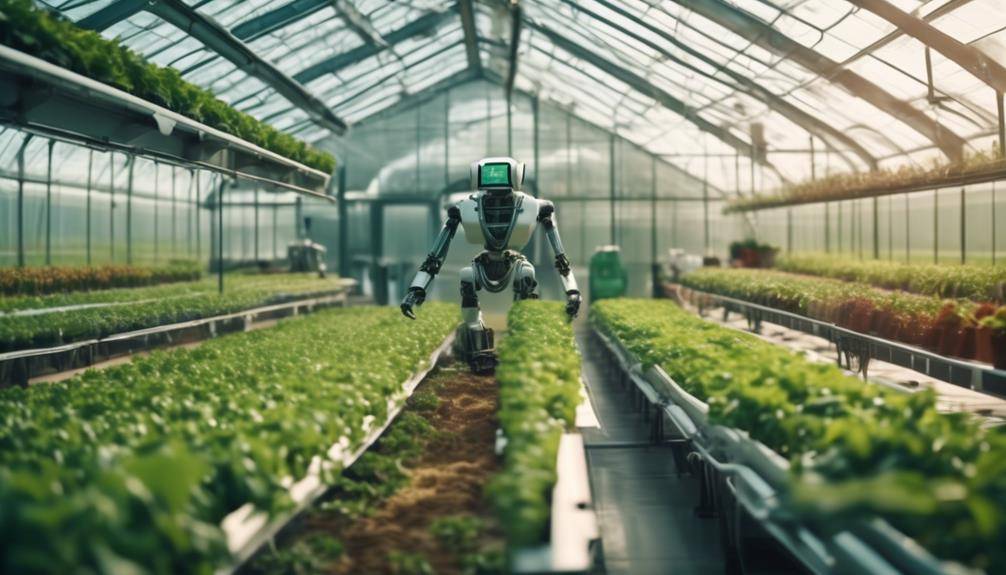
AI technology has revolutionized the food production industry by automating labor-intensive tasks, resulting in increased efficiency and productivity. With the implementation of AI-powered systems, such as robotic automation and machine learning algorithms, several benefits have been observed in the food production process:
- Reduced labor costs: AI technology allows for automated farming, reducing the need for manual labor. This not only decreases labor expenses but also eliminates the risk of human error. By employing AI systems, farmers can optimize the use of their workforce, allocating human resources to more complex tasks that require critical thinking and decision-making skills.
- Improved quality control: AI systems can monitor and analyze various factors, such as temperature, humidity, and soil conditions, ensuring optimal conditions for crop growth. By continuously monitoring these variables, AI can detect deviations and promptly alert farmers, preventing potential crop damage or loss. This level of precision in quality control ensures that consumers receive products of consistently high quality.
- Enhanced productivity: AI technology enables the automation of repetitive and time-consuming tasks, allowing for increased productivity. For instance, AI-powered robots can efficiently harvest crops, sort produce, and package goods, reducing the time needed for these labor-intensive activities. As a result, food production processes become more streamlined and efficient, enabling producers to meet growing demands.
- Sustainable practices: AI technology can help optimize resource allocation, reducing waste and promoting sustainability. By analyzing various data points, such as weather patterns and soil conditions, AI systems can provide valuable insights that enable farmers to make informed decisions about irrigation, pesticide usage, and fertilization. This optimization not only minimizes resource usage but also reduces the environmental impact of food production.
Optimal Irrigation and Water Management
To achieve optimal irrigation and water management in food production, careful monitoring and analysis of soil moisture levels are essential. Smart irrigation systems, powered by artificial intelligence, play a crucial role in ensuring efficient water usage and conservation. These systems utilize sensors and data analysis to provide real-time information about soil moisture levels, allowing farmers to make informed decisions regarding irrigation schedules and water application.
Smart irrigation systems use advanced technologies to monitor soil moisture content and weather conditions. By collecting data on factors such as temperature, humidity, and rainfall, these systems can determine the exact amount of water needed for crops at any given time. This data-driven approach ensures that water is applied only when necessary, preventing over-irrigation and reducing water wastage.
In addition to monitoring soil moisture levels, smart irrigation systems also employ water conservation techniques. For example, some systems utilize precision irrigation methods, such as drip irrigation or micro-sprinklers, which deliver water directly to the plant roots, minimizing evaporation and runoff. This targeted approach not only conserves water but also ensures that plants receive the precise amount of moisture they need for optimal growth.
Furthermore, smart irrigation systems can be integrated with other AI-powered technologies, such as satellite imaging and machine learning algorithms, to further enhance water management practices. Satellite imaging provides farmers with valuable insights into crop health and water stress, enabling them to adjust irrigation strategies accordingly. Machine learning algorithms analyze historical data to predict future water requirements, enabling proactive planning and resource allocation.
Predictive Analytics for Market Demand
By leveraging the data collected from smart irrigation systems and integrating it with predictive analytics, you can gain valuable insights into market demand, enabling you to make informed decisions regarding crop production and allocation. Predictive analytics uses historical data and statistical modeling techniques to forecast future trends and patterns. When applied to market analysis, it allows you to understand consumer behavior, anticipate shifts in demand, and optimize your production accordingly.
Here are four ways predictive analytics can help you understand and respond to market demand:
- Demand forecasting: By analyzing historical sales data and external factors such as weather patterns and economic indicators, predictive analytics can forecast future demand for your crops. This helps you plan your production cycles, allocate resources efficiently, and avoid overproduction or shortages.
- Price optimization: Predictive analytics can also analyze pricing data and market trends to help you determine the optimal price for your products. By understanding consumer behavior and elasticity, you can set prices that maximize your revenue while remaining competitive in the market.
- Supply chain management: Predictive analytics can provide insights into the entire supply chain, from sourcing raw materials to delivering finished products. By analyzing factors such as transportation costs, inventory levels, and lead times, you can optimize your supply chain operations and ensure timely delivery to meet market demand.
- New product development: By analyzing consumer preferences and market trends, predictive analytics can help you identify potential gaps in the market and develop new products that align with changing consumer demands. This allows you to stay ahead of the competition and capture new market opportunities.
Streamlined Supply Chain Management
Streamline your food production supply chain management by integrating AI-powered analytics and data-driven insights to optimize operations and meet market demand efficiently. With the advancements in artificial intelligence (AI) technology, food producers can now improve inventory management and optimize logistics effectively.
AI-powered analytics offer valuable insights into inventory management. By analyzing data on sales, production, and customer demand, AI algorithms can predict future demand patterns accurately. This enables food producers to optimize their inventory levels, ensuring that they have the right amount of stock at the right time. By avoiding overstocking or understocking, companies can reduce waste and avoid lost sales due to stockouts. AI algorithms can also detect trends and patterns in customer preferences, allowing producers to adjust their inventory accordingly and offer a more personalized experience to their customers.
Optimized logistics is another area where AI can make a significant impact. By analyzing data on transportation routes, weather conditions, and order volumes, AI algorithms can optimize delivery schedules and routes. This reduces transportation costs, improves delivery efficiency, and enhances customer satisfaction. AI algorithms can also identify potential bottlenecks in the supply chain and offer recommendations to mitigate them, ensuring smooth and uninterrupted operations.
Incorporating AI-powered analytics and data-driven insights into your supply chain management allows for improved inventory management and optimized logistics. By leveraging AI technology, food producers can optimize their operations, reduce costs, and meet market demand efficiently. The integration of AI into supply chain management is a crucial step towards ensuring the success and competitiveness of food production companies in today’s dynamic market.
We’ve Got Everything You Need to Make Your Masterpiece.
Reduction of Food Waste and Spoilage
AI technology can significantly reduce food waste and spoilage in the food production industry. By leveraging advanced algorithms and machine learning, AI systems can analyze vast amounts of data to identify potential sources of waste and spoilage, allowing for proactive measures to be taken. Here are four ways in which AI can help in the reduction of food waste and spoilage:
- Optimized inventory management: AI-powered systems can monitor inventory levels in real-time, taking into account factors such as demand patterns, shelf life, and expiration dates. By accurately predicting demand and optimizing ordering, AI can help prevent overstocking and minimize the risk of food spoilage.
- Quality control and inspection: AI can automate the inspection process, using computer vision technology to analyze images and detect defects or signs of spoilage in food products. This allows for faster and more accurate identification of potential issues, reducing the chances of spoiled or contaminated products reaching consumers.
- Smart packaging solutions: AI can assist in the development of sustainable packaging solutions that help extend the shelf life of food products. By analyzing factors such as temperature, humidity, and oxygen levels, AI can optimize packaging materials and designs to create an environment that preserves the freshness and quality of the food for longer.
- Predictive analytics for demand forecasting: AI can analyze historical data, consumer trends, and external factors to accurately forecast demand for different food products. By understanding demand patterns, food producers can better plan their production and distribution, minimizing the risk of overproduction and subsequent waste.
Enhanced Food Safety and Traceability
The implementation of AI technology in food production enhances food safety and traceability through advanced data analysis and monitoring systems. AI algorithms can analyze vast amounts of data in real-time, enabling early detection and prevention of potential food safety risks. By monitoring various stages of the production process, from farm to fork, AI can ensure compliance with food safety regulations and help maintain high standards of food quality.
One of the key benefits of AI in food production is its ability to improve supply chain transparency. Through the use of AI-powered sensors and IoT devices, data can be collected at different points along the supply chain, providing valuable insights into the conditions under which food is transported and stored. This data can then be analyzed to identify potential areas of concern and take corrective action to maintain the integrity of the food supply chain.
AI technology also plays a crucial role in traceability. By leveraging technologies such as blockchain, AI can enable end-to-end traceability of food products, allowing consumers to easily track the origin, processing, and distribution of the food they consume. This increased transparency not only helps build consumer trust but also facilitates timely recalls in the event of a food safety issue.
Furthermore, AI can assist in the implementation and enforcement of food safety regulations. By continuously monitoring and analyzing data, AI systems can identify non-compliant practices and potential risks, enabling proactive measures to be taken to ensure compliance with regulations and prevent foodborne illnesses.
Customized and Personalized Nutrition
Now let’s explore the benefits of AI in achieving customized and personalized nutrition. With the help of AI algorithms, individuals can receive individualized diet plans based on their specific dietary needs and health goals. AI can also provide tailored meal recommendations, taking into account factors such as allergies, intolerances, and personal preferences to ensure optimal nutrition and satisfaction.
Individualized Diet Plans
Individualized diet plans revolutionize the way individuals approach nutrition, tailoring their food choices and consumption to their specific needs and goals. With the help of AI technology, personalized nutrition has become more accessible and effective than ever before. Here are some key benefits of individualized diet plans:
- Optimized nutrient intake: AI algorithms analyze your health data and dietary preferences to create meal plans that provide the right balance of nutrients based on your individual requirements.
- Improved weight management: AI-powered personalized nutrition takes into account your weight goals and creates meal plans that help you achieve and maintain a healthy weight.
- Enhanced athletic performance: Individualized meal plans can optimize nutrient timing and composition to support athletic training and performance.
- Better management of chronic conditions: AI algorithms can generate personalized meal plans that cater to specific dietary restrictions and help manage conditions like diabetes or food allergies.
Tailored Meal Recommendations
With the potential of AI technology, personalized nutrition extends beyond individualized diet plans to include tailored meal recommendations that cater to your unique dietary needs and preferences. AI-powered nutrition enables personalized meal planning by analyzing vast amounts of data related to your health, lifestyle, and food preferences. By leveraging machine learning algorithms, AI can identify patterns and correlations between your dietary choices and their impact on your overall well-being.
This allows AI systems to generate meal recommendations that are specifically designed to optimize your nutrition and support your health goals. Whether you have dietary restrictions, specific nutritional requirements, or simply want to explore new culinary options, AI can provide you with a wide range of meal suggestions that align with your preferences. These tailored meal recommendations empower you to make informed decisions about your diet and achieve optimal nutrition.
Accelerated Research and Innovation
AI in food production has greatly accelerated research and innovation, revolutionizing the industry by providing efficient and data-driven solutions. This technology has opened up new possibilities and improved productivity in various aspects of food production, leading to significant advancements in the field. Here are four key ways in which AI has contributed to accelerated research and innovation in the food production industry:
- Data analysis and prediction: AI algorithms are capable of analyzing vast amounts of data from various sources, such as weather patterns, crop growth, and consumer preferences. This enables researchers to make more accurate predictions and informed decisions, leading to optimized production processes and improved crop yields.
- Automation and optimization: AI-powered systems can automate repetitive tasks, such as monitoring crop health, managing inventory, and optimizing resource allocation. By streamlining these processes, researchers can focus their efforts on more complex and innovative tasks, thus accelerating research and development in the food production industry.
- Genetic engineering and crop improvement: AI has revolutionized the field of genetic engineering by enabling researchers to design and analyze DNA sequences more efficiently. This has led to the development of genetically modified crops with enhanced traits, such as disease resistance and increased nutritional value, contributing to innovation in food production.
- Food safety and quality control: AI systems can detect contaminants and pathogens in food products, ensuring higher levels of food safety. By automating quality control processes, AI technology has reduced the risk of human error and improved the overall quality of food production.
Increased Productivity and Profitability
You can expect AI in food production to significantly increase productivity and profitability. By implementing AI technologies, you can enhance production efficiency through automated processes and optimized resource allocation. AI can also provide cost reduction opportunities by identifying areas for improvement and streamlining operations. Moreover, AI enables improved quality control, ensuring consistent product standards and reducing waste.
Enhanced Production Efficiency
By leveraging AI technologies, food production processes can be optimized to achieve increased productivity and profitability through enhanced production efficiency. With improved production processes and an optimized workflow, AI can bring numerous benefits to food production. Here are four key ways AI enhances production efficiency:
- Predictive maintenance: AI algorithms can analyze data from sensors and equipment to predict when maintenance is required, preventing costly breakdowns and reducing downtime.
- Intelligent inventory management: AI can analyze historical data and real-time demand to optimize inventory levels, reducing waste and ensuring timely production.
- Automated quality control: AI-powered systems can detect defects and anomalies in real-time, ensuring consistent product quality and reducing the need for manual inspection.
- Precision farming: AI can analyze data from sensors, satellites, and drones to optimize farming practices, such as irrigation and fertilizer application, maximizing crop yield and minimizing resource usage.
Cost Reduction Opportunities
Cost reduction opportunities can be achieved through increased productivity and profitability in food production. AI implementation offers various cost-saving techniques that can optimize operations and streamline processes. By leveraging AI technologies, such as machine learning and predictive analytics, food producers can enhance their ability to forecast demand accurately, optimize inventory management, and reduce waste. AI-powered systems can analyze large volumes of data in real-time, identifying patterns and optimizing production schedules to minimize downtime and maximize efficiency.
Additionally, AI can automate routine tasks, freeing up human resources for more complex and value-added activities. These cost-saving techniques not only enhance productivity but also contribute to increased profitability by minimizing costs and maximizing output. By embracing AI in food production, businesses can gain a competitive advantage and achieve long-term success.
Improved Quality Control
With the optimization of cost reduction techniques, food producers can now focus on the subtopic of ‘Improved Quality Control’ to further increase productivity and profitability in their operations. By implementing improved packaging techniques and advanced quality assurance, you can ensure that your products meet the highest standards and exceed customer expectations. Here are four key benefits of investing in improved quality control:
- Enhanced product consistency: By utilizing advanced quality assurance methods, you can guarantee consistent quality across all batches, reducing the risk of product recalls and customer dissatisfaction.
- Increased customer satisfaction: Improved packaging techniques can help preserve the freshness and quality of your products, leading to happier customers and higher customer retention rates.
- Reduced waste: With better quality control measures, you can minimize product wastage and maximize yield, resulting in significant cost savings.
- Enhanced brand reputation: By consistently delivering high-quality products, you can build a strong brand reputation and differentiate yourself from competitors.
Investing in improved quality control not only enhances your products but also drives profitability and supports long-term business growth.
We’ve Got Everything You Need to Make Your Masterpiece.
Sustainable and Environmentally-Friendly Practices
Implementing AI in food production can significantly enhance sustainability and foster environmentally-friendly practices. One area where AI can contribute to sustainability is in the development of sustainable packaging solutions. With AI-powered algorithms, companies can optimize packaging materials to reduce waste and minimize environmental impact. By analyzing data on product characteristics, shipping requirements, and consumer preferences, AI can identify the most suitable packaging options that are both eco-friendly and cost-effective. This not only reduces the use of non-recyclable materials but also decreases the carbon footprint associated with packaging production and transportation.
Waste reduction is another area where AI can make a significant impact. AI algorithms can analyze data from various sources, such as production lines, supply chains, and consumer feedback, to identify areas of inefficiency and waste. By detecting patterns and anomalies, AI can help optimize production processes, minimize food waste, and improve resource utilization. For example, AI can predict demand patterns and adjust production accordingly, reducing the likelihood of overproduction and subsequent waste.
Furthermore, AI can aid in the development and implementation of sustainable farming practices. By analyzing data from sensors, drones, and satellites, AI can provide farmers with valuable insights on soil health, weather patterns, and crop diseases. This enables farmers to optimize fertilizer usage, reduce water consumption, and prevent crop losses, ultimately leading to more sustainable and environmentally-friendly agricultural practices.
We’ve Got Everything You Need to Make Your Masterpiece.
Frequently Asked Questions: The Great Benefits Of AI In Food Production
How Does AI Technology Contribute to SustAInable and Environmentally-Friendly Practices in Food Production?
AI technology contributes to sustainable and environmentally-friendly practices in food production by reducing food waste and improving crop yield. It achieves this through data-driven analysis that optimizes resource allocation, minimizes losses, and maximizes productivity.
Can AI Be Used to Personalize Nutrition and Create Customized Diets for Individuals?
Yes, AI can be used to personalize nutrition and create customized diets for individuals. By analyzing data on an individual’s health, preferences, and nutritional needs, AI algorithms can generate tailored diet plans for optimal well-being.
How Does AI Enable Accelerated Research and Innovation in the Field of Food Production?
AI accelerates research and innovation in food production by enhancing efficiency. It streamlines data analysis, enabling faster identification of patterns and optimization of processes. This improves productivity and allows for more effective decision-making.
What Are the Specific Ways in Which AI Can Enhance Food Safety and Traceability?
AI in food safety can enhance traceability by using machine learning algorithms to analyze data from various sources, such as sensors and RFID tags, to track and monitor the entire supply chain.
Can AI Help in Predicting Market Demand for Food Products and Optimize Supply ChAIn Management Accordingly?
AI can help you predict market demand for food products and optimize supply chain management. By analyzing data and patterns, AI can provide accurate market forecasting and suggest ways to optimize supply to meet demand efficiently.

Conclusion
In conclusion, incorporating AI into food production offers numerous benefits. It enables improved crop yield and quality by optimizing resource allocation and utilizing real-time monitoring and data analysis. AI also enhances pest and disease management, leading to more efficient and sustainable practices. Furthermore, it accelerates research and innovation, promoting customized and personalized nutrition. Overall, AI empowers the industry to increase productivity, profitability, and sustainability, making it an essential tool for the future of food production.