All About AI In Important Food Production Trends
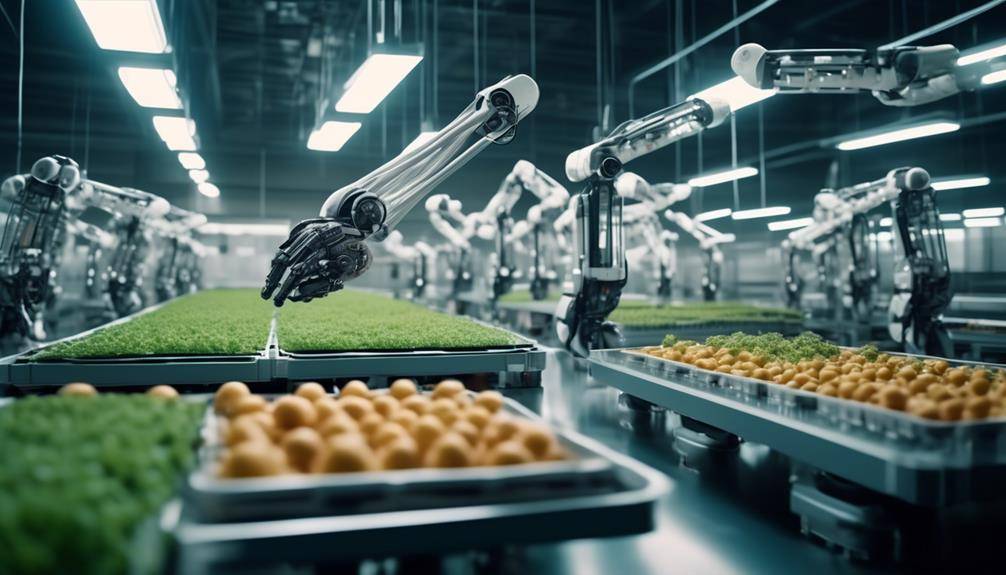
AI In Important Food Production Trends; As you navigate through the ever-evolving landscape of food production, you may have noticed a growing trend that is revolutionizing the industry. AI, or Artificial Intelligence, is making its mark in agriculture and transforming the way we grow, harvest, and distribute our food. From automated farming techniques to predictive analytics and robotics, AI is reshaping the future of food production. But what exactly are these trends, and how are they impacting the way we feed our growing population? Let’s explore the exciting world of AI in food production, where innovation meets sustainability and efficiency, and where the possibilities are endless.
We’ve Got Everything You Need to Make Your Masterpiece.
Automated Farming Techniques
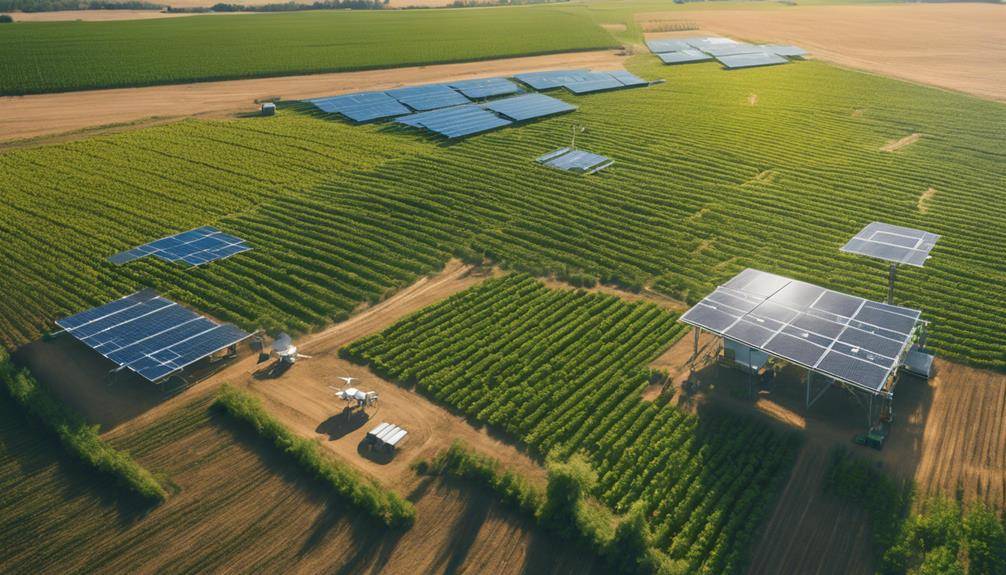
Automated farming techniques have revolutionized the food production industry by streamlining processes, increasing efficiency, and improving overall crop yields. One of the key areas where automation has made significant strides is in the realm of harvesting methods. Traditional harvesting methods often require a large labor force and are time-consuming. However, with the advent of automated harvesting machines, farmers can now rely on advanced technology to carry out this crucial task.
Automated harvesting methods utilize cutting-edge machinery equipped with sensors and artificial intelligence algorithms. These machines are capable of identifying ripe crops, determining the optimal harvesting time, and efficiently collecting the produce. By automating the harvesting process, farmers can reduce the reliance on manual labor, which can be costly and prone to errors.
Another important aspect of automated farming techniques is soil nutrient optimization. Soil plays a vital role in crop growth and overall yield. With automated systems, farmers can monitor soil conditions in real-time and make precise adjustments to optimize nutrient levels. Sensors embedded in the soil collect data on moisture, pH levels, and nutrient content. This information is then processed by AI algorithms, which provide recommendations on the optimal amount and type of fertilizers to be applied. By ensuring that the soil has the right balance of nutrients, farmers can maximize crop productivity and minimize waste.
Predictive Analytics for Crop Management
You need to understand the importance of predictive analytics for crop management in optimizing yield and preventing diseases. Through AI-powered predictive analytics, farmers can analyze various data points such as weather patterns, soil conditions, and historical crop data to make informed decisions about planting, harvesting, and crop protection measures. By utilizing this technology, farmers can maximize their yield potential and minimize the risk of crop diseases, ultimately leading to more efficient and sustainable food production.
Yield Optimization Through AI
Yield optimization through AI, employing predictive analytics for crop management, enables farmers to make data-driven decisions to maximize productivity and efficiency in food production. AI-based crop yield optimization utilizes advanced algorithms and machine learning techniques to analyze vast amounts of data, including weather patterns, soil conditions, and crop growth stages. By leveraging this technology, farmers can identify the optimal time for planting, irrigation, and harvesting, resulting in higher crop yields and reduced resource waste. Additionally, AI can help farmers optimize the use of fertilizers and pesticides, leading to more sustainable farming practices. By utilizing AI for yield optimization, farmers can achieve higher crop productivity while minimizing environmental impact, ultimately contributing to a more efficient and sustainable food production system.
Disease Prevention With AI
Utilizing predictive analytics for crop management, AI in food production enables farmers to proactively prevent diseases and optimize plant health. By leveraging advanced algorithms and machine learning techniques, AI can detect diseases in plants at an early stage, allowing for timely intervention and prevention. Through the analysis of various data points such as weather conditions, soil composition, and plant health indicators, AI systems can identify patterns and predict the likelihood of disease outbreaks. This early detection enables farmers to take immediate action, implementing targeted treatments and adjusting cultivation practices to mitigate the spread of diseases. By utilizing AI for disease prevention, farmers can optimize crop yield and quality, reducing the need for chemical interventions and promoting sustainable farming practices.
Smart Irrigation Systems
Smart irrigation systems play a crucial role in optimizing water usage and enhancing crop productivity in the field of AI in food production. By incorporating smart farming techniques and sustainable agriculture practices, these systems leverage advanced technologies to ensure efficient irrigation that meets the specific needs of crops while minimizing water wastage.
One of the key features of smart irrigation systems is their ability to collect and analyze real-time data from various sources. Soil moisture sensors, weather forecasts, and crop water requirements are all taken into consideration to determine the optimal irrigation schedule and amount of water to be applied. This data-driven approach allows for precise and targeted irrigation, reducing water consumption and preventing overwatering or underwatering of crops.
AI algorithms play a significant role in smart irrigation systems by continuously learning and adapting to changing environmental conditions. By analyzing historical data and patterns, these algorithms can predict future water requirements and adjust irrigation schedules accordingly. This predictive capability not only ensures that crops receive the right amount of water at the right time but also helps farmers make informed decisions regarding irrigation management.
Furthermore, smart irrigation systems often integrate with other AI-powered technologies such as drones and satellite imagery. These technologies provide valuable insights into crop health, soil moisture distribution, and water stress levels. By combining these data sources, farmers can identify areas of the field that require additional irrigation and address any potential issues before they affect crop productivity.
Precision Agriculture Using AI
AI technology is revolutionizing the field of precision agriculture, enabling farmers to make data-driven decisions that optimize crop productivity and resource usage. One of the key applications of AI in precision agriculture is automated crop monitoring. With the help of AI algorithms, farmers can now remotely monitor their crops in real-time, collecting data on various parameters such as soil moisture, temperature, and nutrient levels. This data is then analyzed to identify any potential issues or deficiencies, allowing farmers to take proactive measures to ensure the health and growth of their crops.
AI-driven pest control is another important aspect of precision agriculture. By analyzing vast amounts of data, AI algorithms can identify patterns and indicators of pest infestations. This enables farmers to detect pests at an early stage and take appropriate measures to prevent the spread and damage caused by these pests. AI algorithms can also predict pest outbreaks based on environmental conditions, allowing farmers to implement preventive measures in a timely manner.
Furthermore, AI technology can help farmers optimize the use of resources such as water and fertilizers. By analyzing data on soil conditions, weather patterns, and crop growth, AI algorithms can provide recommendations on the optimal amounts and timings of irrigation and fertilization. This not only helps in conserving resources but also minimizes the risk of over or under application, resulting in healthier and more productive crops.
We’ve Got Everything You Need to Make Your Masterpiece.
Robotics in Food Harvesting
With the advancements in AI-driven precision agriculture, the next area of focus is the implementation of robotics in food harvesting to optimize efficiency and productivity. Automated fruit picking and robotic crop harvesting have emerged as promising solutions in the agriculture industry. Here are some key points regarding the current state of robotics in food harvesting:
- Automated fruit picking: Automated systems have been developed to identify and harvest ripe fruits with precision. These systems use computer vision algorithms to analyze fruit color, size, and shape, allowing the robots to make accurate decisions on which fruits to pick. By automating the fruit picking process, farmers can significantly reduce labor costs and increase harvesting speed.
- Robotic crop harvesting: Robots equipped with specialized grippers and sensors are being used to harvest various crops, such as vegetables and grains. These robots can navigate through fields, identify ripe crops, and harvest them with minimal damage. They are designed to mimic human hand movements, ensuring gentle handling of the crops. Robotic crop harvesting not only improves efficiency but also reduces post-harvest losses caused by manual handling.
- Benefits of robotics in food harvesting: The implementation of robotics in food harvesting offers several advantages. Firstly, it reduces the dependency on human labor, which is often scarce and expensive. Secondly, robots can work continuously without the need for breaks, leading to increased productivity. Thirdly, robotic systems can operate in various weather conditions, enabling harvesting even during unfavorable conditions.
The integration of robotics in food harvesting represents a significant step towards an automated and efficient agricultural system. As technology continues to advance, we can expect further improvements in the accuracy, speed, and versatility of these robotic systems. By embracing automated fruit picking and robotic crop harvesting, farmers can streamline their operations, enhance productivity, and contribute to the sustainable growth of the agricultural sector.
Ai-Powered Food Quality Control
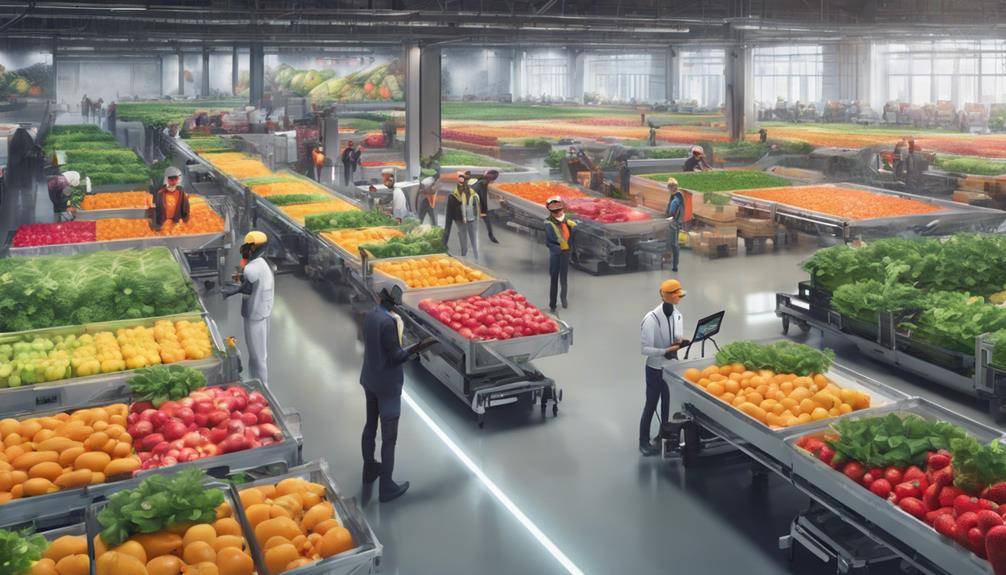
Implementing AI-powered technology in food production is revolutionizing the way food quality control is conducted. Automated food inspection, powered by AI, is enabling food manufacturers to ensure the safety and quality of their products with greater accuracy and efficiency than ever before.
AI in food safety has significantly enhanced the traditional methods of quality control. With the help of advanced computer vision and machine learning algorithms, AI-powered systems can quickly and accurately inspect food products for defects, contaminants, and other quality issues. These systems can analyze images and detect even the smallest deviations from the desired standards, such as discoloration, shape deformities, or foreign objects.
By automating the inspection process, AI eliminates the potential for human error and bias in quality control. It can detect defects and contaminants that may be difficult for the human eye to identify, ensuring that only safe and high-quality products reach consumers. Moreover, AI-powered systems can analyze large volumes of data in real-time, enabling manufacturers to identify trends and patterns that may indicate potential quality issues, allowing for proactive measures to be taken.
AI-powered food quality control systems are not only efficient but also cost-effective. They can operate at high speeds, inspecting thousands of products per minute, reducing the need for manual labor and increasing production efficiency. Additionally, AI can help reduce waste by identifying and removing products that do not meet quality standards, preventing them from reaching the market.
Virtual Reality in Food Production Training
Virtual Reality (VR) has revolutionized the field of training in food production by offering enhanced training experiences and immersive learning environments. Through VR technology, trainees can simulate real-life scenarios, allowing them to practice various tasks and skills in a safe and controlled setting. This not only improves their knowledge and understanding of food production processes but also enhances their ability to make critical decisions and handle complex situations effectively.
Enhanced Training Experiences
Food production training is being revolutionized through the integration of virtual reality technology, allowing for enhanced and immersive learning experiences. Virtual reality simulations are transforming the way training is conducted in the food production industry, providing numerous benefits and opportunities for both trainees and trainers. Here are three key advantages of using virtual reality in food production training:
- Realistic simulations: Virtual reality enables trainees to engage in realistic scenarios and environments, replicating real-life situations they may encounter in their day-to-day work. This immersive experience enhances learning by providing a hands-on approach that traditional training methods cannot replicate.
- Risk-free learning: With virtual reality, trainees can practice their skills and techniques without the fear of making mistakes or causing harm. They can experiment, make errors, and learn from them in a safe and controlled environment, ultimately improving their performance and reducing the risk of accidents in real-world settings.
- Interactive feedback: Virtual reality simulations offer instant and interactive feedback, allowing trainees to assess their performance in real-time. They can receive guidance, corrections, and recommendations based on their actions, helping them to refine their skills and knowledge more effectively.
Immersive Learning Environments
The integration of virtual reality technology has revolutionized food production training, creating immersive learning environments that enhance trainees’ skills and knowledge. Immersive learning techniques in virtual reality training offer a realistic and interactive experience, allowing trainees to engage in hands-on activities without the need for physical equipment or real-world risks. Through virtual reality simulations, trainees can practice various food production tasks, such as operating machinery, handling ingredients, and following safety protocols, in a safe and controlled environment.
This technology provides trainees with the opportunity to make mistakes, learn from them, and receive immediate feedback, which helps improve their performance and proficiency. The immersive nature of virtual reality training also enhances trainees’ retention and understanding of complex concepts, as it stimulates multiple senses and facilitates active learning. Overall, immersive learning environments in virtual reality training offer a powerful tool for enhancing the effectiveness and efficiency of food production training.
Machine Learning for Food Safety Monitoring
Using advanced machine learning algorithms, companies are revolutionizing food safety monitoring in the production process. Machine learning is being employed to automate food inspection and enhance food safety measures in the food processing industry. Here’s how machine learning is transforming food safety monitoring:
- Improved Detection of Contaminants: Machine learning algorithms can analyze large amounts of data to identify potential contaminants in food products. By learning from past instances and patterns, these algorithms can accurately detect contaminants such as bacteria, allergens, or foreign objects, enabling proactive measures to be taken before the products reach consumers.
- Real-Time Monitoring and Alerts: Machine learning systems can continuously monitor various parameters such as temperature, humidity, and air quality in food processing facilities. By analyzing the real-time data, these systems can quickly identify any deviations from the optimal conditions and send alerts to the relevant personnel, allowing immediate actions to be taken to prevent any potential food safety issues.
- Predictive Analytics for Risk Assessment: Machine learning can analyze historical data on food safety incidents, production processes, and ingredient quality to predict potential risks in the production process. By leveraging these predictive analytics, food manufacturers can proactively identify and address potential hazards, minimizing the chances of foodborne illnesses and ensuring the safety of their products.
Machine learning algorithms have the potential to significantly enhance food safety monitoring by automating inspection processes, providing real-time monitoring, and enabling proactive risk assessment. These advancements not only improve consumer trust in the food industry but also help safeguard public health by preventing foodborne illnesses. As technology continues to evolve, the integration of machine learning in food processing will likely become even more sophisticated, ensuring safer and higher-quality food products for everyone.
Ai-Driven Supply Chain Optimization
When it comes to Ai-driven supply chain optimization in the food industry, there are three key points to consider. Firstly, efficient inventory management allows for better control over stock levels, reducing waste and ensuring that products are always available when needed. Secondly, streamlined logistics operations help to optimize the movement of goods from suppliers to manufacturers to retailers, minimizing delays and maximizing efficiency. Finally, real-time demand forecasting enables businesses to accurately predict consumer demand, allowing for more effective planning and allocation of resources. By leveraging Ai in these areas, food producers can significantly improve their supply chain operations, leading to increased productivity and profitability.
Efficient Inventory Management
Efficiently managing inventory is a critical aspect of optimizing the supply chain through the use of AI-driven solutions. With efficient inventory tracking and automated stock control, you can streamline your operations, reduce costs, and improve customer satisfaction. Here are three key benefits of implementing AI in inventory management:
- Real-time visibility: AI-powered systems provide real-time visibility into your inventory, allowing you to track and manage stock levels accurately. This helps prevent stockouts, overstocking, and wastage, ensuring you always have the right amount of inventory on hand.
- Demand forecasting: AI algorithms analyze historical data and market trends to forecast demand accurately. By predicting future demand, you can optimize inventory levels, minimize stockouts, and reduce carrying costs.
- Efficient order fulfillment: AI-enabled systems can automatically generate purchase orders and optimize order quantities based on demand forecasts, supplier lead times, and other factors. This streamlines the order fulfillment process, reduces manual errors, and ensures timely delivery to customers.
Streamlined Logistics Operations
To further optimize the supply chain and enhance efficiency, AI-driven solutions now extend beyond inventory management to streamline logistics operations in food production. With the advent of advanced technologies, food producers are leveraging AI to create smart warehouses and implement automated distribution systems. AI algorithms analyze real-time data from various sources, such as sales forecasts, production schedules, and transportation routes, to optimize the movement of goods within the supply chain.
By integrating AI into logistics operations, food producers can improve the accuracy of demand forecasting, reduce transportation costs, and minimize delivery delays. Smart warehouses equipped with AI-powered robots and sensors enable automated picking, packing, and sorting of products, enhancing speed and accuracy. These AI-driven logistics solutions play a crucial role in ensuring the smooth flow of goods from the production line to the end consumer, ultimately improving customer satisfaction and reducing waste.
We’ve Got Everything You Need to Make Your Masterpiece.
Real-Time Demand Forecasting
Real-time demand forecasting is a critical component of AI-driven supply chain optimization in the food production industry. With the help of advanced AI algorithms and machine learning, real-time demand forecasting enables businesses to accurately predict customer demand and adjust their production and inventory levels accordingly. Here are three key benefits of real-time demand forecasting:
- Improved inventory management: By using real-time demand prediction, businesses can optimize their inventory levels, ensuring that they have the right amount of stock available to meet customer demand without overstocking or risking stockouts.
- Reduced waste: Accurate demand forecasting helps minimize food waste by ensuring that production is aligned with customer demand, preventing excess inventory that may spoil or expire.
- Enhanced customer satisfaction: Real-time demand forecasting allows businesses to anticipate customer needs and promptly fulfill orders, resulting in improved customer satisfaction and loyalty.
Intelligent Packaging Solutions
Intelligent packaging solutions revolutionize food production by incorporating advanced technologies to enhance efficiency and optimize quality control processes. These solutions utilize innovative techniques such as virtual reality (VR) in food production training, which allows workers to simulate real-life scenarios and gain hands-on experience.
Intelligent packaging solutions leverage cutting-edge technologies to monitor and track various aspects of the food production process. For instance, sensors embedded in packaging materials can collect data on temperature, humidity, and oxygen levels, ensuring that food products remain fresh and safe for consumption. This real-time monitoring not only reduces the risk of spoilage but also enables early detection of potential quality issues, allowing for timely corrective actions to be taken.
Additionally, intelligent packaging solutions enable more efficient inventory management. By incorporating RFID (Radio Frequency Identification) technology, packages can be easily tracked and recorded throughout the supply chain, providing valuable insights into stock levels, expiration dates, and product movement. This streamlined approach minimizes waste, optimizes storage space, and ensures accurate inventory replenishment.
Furthermore, virtual reality (VR) is being increasingly utilized in food production training to enhance worker skills and knowledge. VR simulations allow employees to practice various tasks, such as operating machinery or handling delicate ingredients, in a safe and controlled environment. By immersing trainees in realistic scenarios, VR training enables them to develop critical skills, improve decision-making, and reduce errors on the production line.
Autonomous Food Delivery Systems
Now let’s explore the exciting world of autonomous food delivery systems. With the advancements in robotics and artificial intelligence, companies are increasingly turning to robotic food delivery as a way to streamline operations and improve efficiency. Imagine driverless food transport, where self-driving delivery vehicles navigate the streets, ensuring timely and accurate delivery of meals. This technology has the potential to revolutionize the food industry, reducing costs and increasing customer satisfaction.
Robotic Food Delivery
Robotic food delivery systems have revolutionized the food production industry by automating the process of transporting food from kitchens to customers. These systems employ advanced technologies to ensure fast, efficient, and accurate delivery of meals. Here are some key features of robotic food delivery:
- Autonomous Navigation: These robots are equipped with sensors and cameras that enable them to navigate through busy streets and crowded areas without human intervention.
- Temperature Control: Robots are designed with insulated compartments to keep the food at the desired temperature, ensuring its freshness and quality.
- Secure Delivery: These systems use secure locking mechanisms to prevent tampering with the food during transportation.
With the integration of robotic meal preparation and automated food processing, the entire food production and delivery process becomes streamlined and optimized. These systems not only save time and cost but also eliminate the risk of human errors and ensure a seamless customer experience.
Driverless Food Transport
After revolutionizing the food production industry with robotic food delivery, the next frontier in automation is driverless food transport, also known as autonomous food delivery systems. Driverless food delivery is a rapidly emerging trend that aims to streamline the transportation process and enhance efficiency in the food industry. With automated food transportation, companies can eliminate the need for human drivers, reducing labor costs and potential human error.
These autonomous systems rely on advanced technologies such as artificial intelligence, machine learning, and sensor technology to navigate roads, avoid obstacles, and deliver food safely and timely. By leveraging these technologies, driverless food delivery systems have the potential to transform the entire food supply chain, from production to distribution. As the technology continues to evolve, we can expect to see increased adoption of driverless food transport in the near future, revolutionizing the way food is delivered to consumers.
Self-Driving Delivery Vehicles
Self-driving delivery vehicles, also known as autonomous food delivery systems, are revolutionizing the food industry by enhancing efficiency and streamlining the transportation process. These vehicles leverage advanced technologies such as artificial intelligence and machine learning to navigate roads, avoid obstacles, and deliver food safely and on time. Here are some key features of self-driving delivery vehicles:
- Increased productivity: These vehicles can operate 24/7, eliminating the need for driver breaks and shifts, resulting in faster and more consistent deliveries.
- Reduced costs: With autonomous vehicles, companies can save on labor costs associated with hiring drivers.
- Remote monitoring systems: These vehicles are equipped with remote monitoring systems that allow real-time tracking of their location, temperature control, and security. This ensures the safe transportation of perishable food items.
Self-driving delivery vehicles are transforming the food industry by optimizing delivery processes, increasing productivity, and improving customer satisfaction.
We’ve Got Everything You Need to Make Your Masterpiece.
Blockchain Technology for Traceability
Blockchain technology has emerged as a powerful tool in the food production industry, enabling detailed traceability and enhancing transparency throughout the supply chain. With its decentralized and immutable nature, blockchain provides a secure and transparent platform for recording and verifying transactions. This technology has the potential to revolutionize the way we track and trace food products, ensuring their safety and quality.
In the food industry, blockchain transparency is crucial for building trust among consumers. By recording every step of the supply chain on a blockchain, from the farm to the store shelves, stakeholders can easily access and verify the origin, handling, and transportation of each product. This level of transparency helps prevent fraud, counterfeit products, and unethical practices.
Traceability in supply chains is another significant benefit of blockchain technology. By capturing and storing data about each transaction, such as the product’s origin, ingredients, processing, and distribution, blockchain enables real-time tracking of food products. In case of any contamination or recall, this information can be quickly retrieved, allowing for targeted and efficient recalls, reducing the impact on consumers and minimizing financial losses for businesses.
Furthermore, blockchain technology can improve efficiency and reduce costs in the food production industry. By automating and streamlining the record-keeping process, blockchain eliminates the need for intermediaries and manual data entry, saving time and resources. It also enables better inventory management, reducing waste and ensuring freshness and quality.
However, the adoption of blockchain technology in the food production industry is still in its early stages. Challenges such as interoperability, scalability, and standardization need to be addressed for widespread implementation. Nevertheless, the potential benefits of blockchain for traceability in supply chains make it a promising solution for improving food safety, transparency, and efficiency in the future.
Ai-Enabled Waste Reduction Strategies
One effective strategy for reducing waste in the food production industry is the implementation of AI-enabled technologies. These advanced systems have the potential to revolutionize waste management processes and contribute to a more sustainable future in the food industry. By harnessing the power of artificial intelligence, companies can optimize their operations and minimize unnecessary waste. Here are three AI-enabled waste reduction strategies that are currently being implemented:
- Automated waste management: AI can be used to automate waste management processes, such as sorting and recycling. Using computer vision and machine learning algorithms, AI systems can accurately identify different types of waste and sort them accordingly. This not only saves time and resources but also ensures that waste is disposed of in the most environmentally friendly way possible.
- AI-powered composting: Composting is a natural and effective way to manage food waste. AI can enhance this process by monitoring and controlling various parameters such as temperature, moisture levels, and oxygen levels. By analyzing data from sensors and making real-time adjustments, AI-powered composting systems can optimize the decomposition process, resulting in faster and more efficient compost production.
- Predictive analytics for waste reduction: AI can analyze vast amounts of data to identify patterns and predict potential waste generation. By analyzing historical data on factors such as production volumes, weather conditions, and customer demand, AI systems can provide valuable insights to help companies optimize their production processes and minimize waste.
Implementing AI-enabled waste reduction strategies not only benefits the environment but also improves operational efficiency and reduces costs for food production companies. By leveraging the power of AI, the food industry can take significant strides towards a more sustainable future.
Data-Driven Decision-Making in Food Production
Utilizing data-driven decision-making techniques is crucial in the food production industry to optimize operational efficiency and improve overall productivity. In today’s data-rich environment, companies can leverage AI-powered analytics to make informed decisions and gain a competitive edge.
Data-driven decision-making involves collecting, analyzing, and interpreting large amounts of data to inform business strategies and operational processes. By harnessing the power of AI, food production companies can efficiently process vast quantities of data and extract valuable insights. AI algorithms can detect patterns, trends, and correlations that humans may overlook, enabling companies to make more accurate and informed decisions.
One area where data-driven decision-making can greatly benefit food production is in supply chain management. By analyzing data on inventory levels, demand forecasts, and production rates, companies can optimize their supply chain to ensure timely delivery of products while minimizing wastage and reducing costs. AI-powered analytics can also help identify potential bottlenecks or inefficiencies in the production process, allowing for targeted improvements and increased productivity.
Furthermore, data-driven decision-making can enhance quality control in food production. By monitoring and analyzing data from sensors and quality assurance systems, companies can quickly identify deviations from standard operating procedures and take corrective actions in real-time. This proactive approach helps prevent issues such as contamination or spoilage, ensuring the production of safe and high-quality food products.
We’ve Got Everything You Need to Make Your Masterpiece.
Frequently Asked Questions: AI In Important Food Production Trends
How Does Virtual Reality Technology Improve Training in Food Production?
Virtual reality technology improves training in food production by providing immersive training experiences. With virtual reality applications in culinary education, you can learn and practice food processing techniques in a realistic, simulated environment.
What Are the Benefits of Using Machine Learning in Food Safety Monitoring?
Using machine learning in food safety monitoring has numerous benefits. AI in food production allows for real-time analysis of data, early detection of potential risks, and improved traceability, ultimately enhancing food safety standards.
How Does Blockchain Technology Enhance Traceability in the Food Industry?
Blockchain implementation enhances traceability in the food industry by providing a decentralized and transparent system for recording and verifying transactions. It allows for real-time tracking of products, ensuring supply chain transparency and reducing the risk of fraud or contamination.
How Do Automated Farming Techniques Contribute to Sustainable Agriculture?
Automated farming techniques, such as precision irrigation systems and smart sensors, can greatly contribute to sustainable agriculture by reducing water usage and increasing crop yield. These advancements are crucial in addressing the global food demand while conserving resources.
What Are the Potential Waste Reduction Strategies Enabled by Ai?
Predictive analytics and optimization algorithms can enable potential waste reduction strategies in food production. By analyzing data and making informed decisions, AI can optimize processes, minimize losses, and improve overall efficiency in the food production industry.

Conclusion
In conclusion, the integration of AI technologies in food production is revolutionizing the industry by streamlining processes, optimizing crop management, and reducing waste. Automated farming techniques, smart irrigation systems, and precision agriculture are enhancing efficiency and productivity on the field. Predictive analytics and data-driven decision-making enable farmers to make informed choices and optimize yield. Robotics and autonomous systems are transforming food harvesting and delivery, while blockchain technology ensures traceability and transparency. With AI at its forefront, the future of food production looks promising and sustainable.