The Great History of Rich Turkey Hash: A Comfort Food Classic
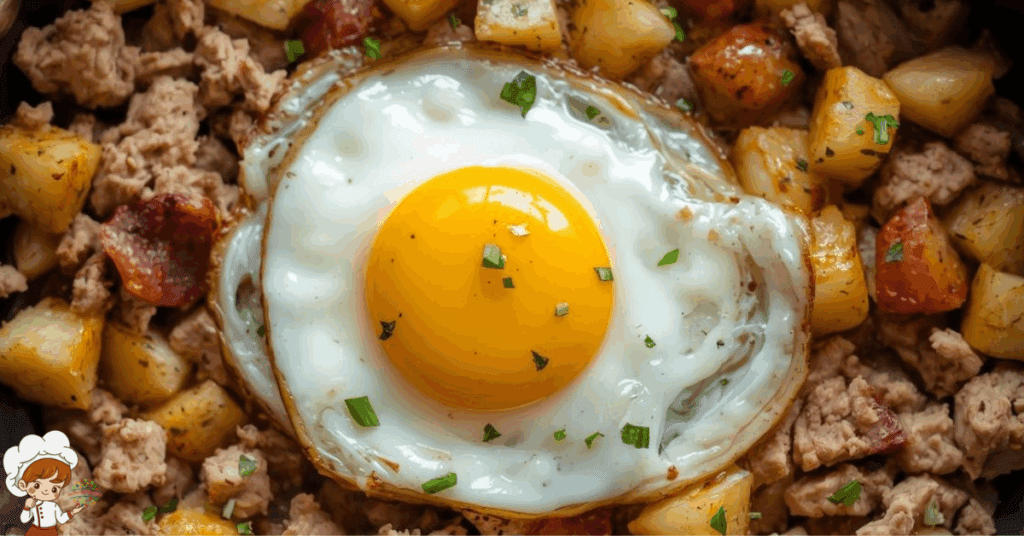
The Great History of Rich Turkey Hash; Turkey Hash is one of those timeless comfort dishes that carries the warmth of home cooking and the creativity of generations past. What began as a simple way to transform leftover turkey into a hearty skillet meal has grown into a beloved American classic tied to holidays, family traditions, and resourceful cooking. This post explores the rich history behind Turkey Hash—where it came from, how it evolved, and why it remains a favorite comfort food across the country. Whether you love culinary history or simply enjoy a cozy, satisfying meal, this story brings new appreciation to a humble dish with deep roots.
This blog will help you:
- Understand the origins and cultural history of Turkey Hash.
- Learn why this dish became a beloved American comfort food.
- Discover how leftover turkey evolved into a classic skillet meal.
- Appreciate the regional variations and modern interpretations of hash.
- Gain inspiration for using leftovers creatively and deliciously.
The History of Turkey Hash and Its Culinary Roots
The history of Turkey Hash begins with the word “hash” itself, which comes from the French term hacher, meaning “to chop.” This alone gives a clue to the foundation of the dish: chopped meat cooked with various ingredients to create a hearty, flavorful meal. Hashes date back centuries, long before Turkey Hash became a household name in the United States. Early European settlers brought versions of hash with them to America, often using cured or leftover meats combined with potatoes and seasonings. Because hash was economical and filling, it became a go-to meal for families who needed to stretch ingredients as far as possible.
Turkey Hash specifically gained prominence as turkey became a more common protein in American homes. As turkey farming expanded in the late 19th and early 20th centuries, the bird transitioned from a holiday-exclusive meat to an everyday option. Even so, Turkey Hash remained particularly connected to Thanksgiving traditions. After the feast ended, home cooks often found themselves with plentiful leftovers, and hash provided an ideal way to repurpose roasted turkey into a new, delicious dish. Its simplicity, versatility, and comforting flavors helped Turkey Hash cement its place in American culinary culture.
Traditional Turkey Hash and Why It Became a Household Favorite
Turkey Hash became a household favorite because of its practicality and adaptability. At its core, hash is more of a cooking method than a strict recipe—a philosophy of using what you have and transforming ingredients into something renewed. When refrigeration became common in American homes, leftovers played an even more essential role in weekly meal planning. Turkey Hash fit perfectly into this shift toward reducing waste and maximizing food resources.
The dish also became deeply tied to comfort cooking. Turkey Hash evokes memories of family gatherings, holiday meals, and cozy morning breakfasts. Many families have their own unique version of Turkey Hash, passed down from parents and grandparents. Some prefer a crispy skillet finish, while others enjoy a softer, creamier texture. Whatever the variation, Turkey Hash always reflects the spirit of home, warmth, and nostalgia, which is a large part of why it remains a staple on so many tables.
Why Turkey Hash Became a Popular Comfort Food Across America
As America’s culinary landscape grew more diverse, Turkey Hash continued to evolve while retaining its core identity. What makes it such a popular comfort food is the layering of textures and flavors: tender turkey, soft or crispy potatoes, and the savory richness that comes from cooking everything together in one skillet. These qualities make it satisfying in a way that appeals to both nostalgic eaters and modern cooks. Turkey Hash is economical, quick to prepare, and easily customized to suit varying tastes, dietary needs, and regional preferences.
Moreover, Turkey Hash became popular in diners and breakfast cafes across the United States. Diners recognized it as a hearty, reliable dish that could be served in large batches and enjoyed by customers seeking a filling breakfast or brunch. Turkey Hash, often served with eggs or toast, found its way onto breakfast menus nationwide, further solidifying its status as a comfort food icon.
The Evolution of Turkey Hash Through American Culinary History
While its origins are rooted in practicality, Turkey Hash evolved throughout American culinary history to reflect changing tastes and regional ingredients. In the South, it wasn’t unusual to find Turkey Hash made with local seasonings, bell peppers, or smoked turkey. In New England, it often leaned toward a more traditional Irish or English-style hash with finely chopped potatoes and onions. On the West Coast, Turkey Hash sometimes incorporated vegetables or contemporary flavors that align with California’s produce-rich cuisine.
As the farm-to-table movement gained traction in the late 20th and early 21st centuries, Turkey Hash also became popular among chefs looking to highlight simple, rustic dishes with fresh ingredients. Chefs embraced the flexibility of hash and experimented with texture, adding crisped edges or layering flavors in more sophisticated ways. Regardless of how fancy or modernized Turkey Hash becomes, its heart remains the same—it is, and has always been, a dish inspired by humble beginnings.
Cultural Significance of Turkey Hash in American Home Cooking
Turkey Hash carries cultural significance beyond just being a delicious meal. It symbolizes resilience, creativity, and the deep-rooted American tradition of making the most from what is available. In an era when sustainability has become increasingly important, Turkey Hash still represents the original farm-style approach to cooking: nothing goes to waste, everything has potential, and leftovers are seen as opportunities rather than burdens.
Many families still consider Turkey Hash a day-after-Thanksgiving ritual. The anticipation of leftover dishes is almost as exciting as the holiday feast itself. It offers a comforting continuity, extending celebration into the next day with a dish that is familiar, hearty, and deeply tied to shared memories. This connection between food and family history is why Turkey Hash continues to thrive in American culture.
Modern Interpretations and the Future of Turkey Hash
Today, Turkey Hash adapts easily to modern dietary preferences. Whether someone prefers a more protein-rich version, a lighter vegetable-heavy option, or a creative blend incorporating bold spices, Turkey Hash continues to evolve without losing its timeless charm. Social media has also contributed to renewed interest in traditional dishes, with home cooks sharing unique interpretations and cooking techniques across platforms.
Looking toward the future, Turkey Hash will likely continue its rise as both a classic comfort meal and a sustainable cooking solution. Its foundation—transforming leftovers into something delicious—aligns perfectly with modern values of mindful consumption. As long as holiday feasts remain an American tradition, and as long as resourceful cooking remains celebrated, Turkey Hash will continue to hold its cherished place in kitchens across the country.

FAQ: The Great History of Rich Turkey Hash
What is Turkey Hash?
Turkey Hash is a skillet-cooked dish made by combining chopped turkey with ingredients such as potatoes, onions, and seasonings. It is often enjoyed as a breakfast, brunch, or leftover meal, especially after Thanksgiving.
Where did Turkey Hash originate?
While hash has European origins, Turkey Hash became popular in the United States as turkey farming expanded and home cooks began repurposing leftovers, particularly from holiday meals.
Why is Turkey Hash associated with Thanksgiving?
Because Thanksgiving typically features a large roasted turkey, the day after often includes leftovers. Turkey Hash became a practical and cozy way to use those leftovers without repeating the same meal.
Is Turkey Hash the same as breakfast hash?
Turkey Hash is a form of breakfast hash, but variations exist. Some versions use corned beef, roast beef, or vegetables, while Turkey Hash specifically highlights leftover turkey.
Can Turkey Hash be made healthier?
Yes. Turkey Hash can be made lighter by incorporating more vegetables, using lean cuts of turkey, or reducing added fats depending on preference.
Is Turkey Hash popular outside of the United States?
While hash dishes are common worldwide, Turkey Hash is especially popular in the U.S. due to the cultural significance of turkey during American holidays.
Why is hash considered a comfort food?
Hash dishes are warm, hearty, and nostalgic. Their connection to family meals and holiday traditions contributes to their comforting appeal.
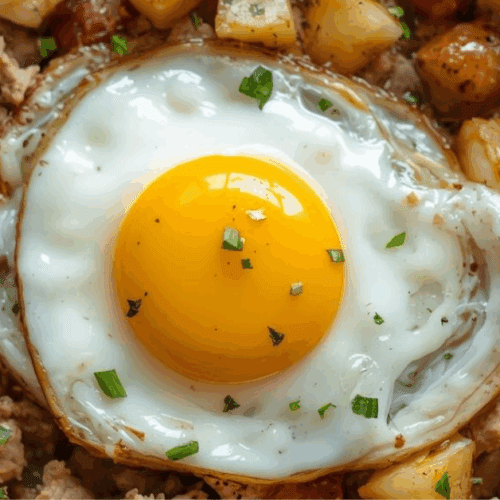
Turkey Hash
Ingredients
- 2 cups diced cooked turkey
- 3 cups diced potatoes
- 1 tablespoon oil or butter optional for sautéing
- 1 fried egg per serving about 4–5 eggs for a family of 4–5
Instructions
- Heat the oil or butter in a large skillet over medium heat.
- Add the diced potatoes and cook until they begin to soften and turn golden brown.
- Stir in the diced turkey and continue cooking until the mixture is heated through and the potatoes are fully tender.
- Serve each portion topped with one fried egg.
If you enjoyed exploring this topic and want to dive even deeper, be sure to check out some of our other articles here on Infinite Flavors. From rich culinary histories to creative twists on classic recipes, there’s always something new to discover. Whether you’re curious about the origins of a dish, looking for fresh inspiration in the kitchen, or simply love learning about food culture, our collection of posts is the perfect next step on your flavor journey.
The Amazing History Of Mini Frittatas