The History and Origin of Easy Pizza Dough
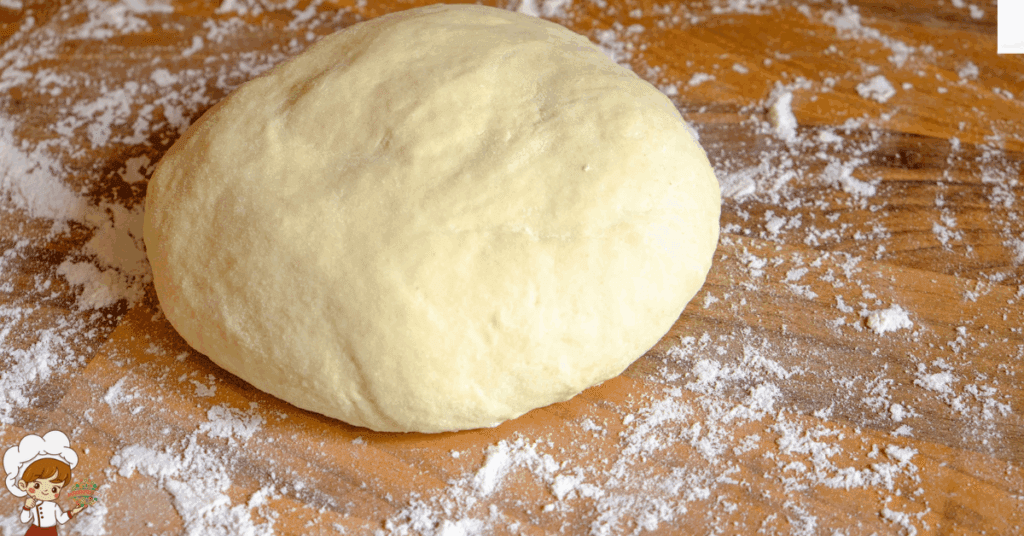
The History and Origin of Easy Pizza Dough; Pizza is one of the world’s most beloved foods, known for its versatility, comforting flavor, and universal appeal. But at the heart of every great pizza is its dough — the foundation that defines its texture, flavor, and character. Whether you prefer a crisp thin crust, a chewy Neapolitan-style base, or a soft pan pizza, all pizzas share one essential element: the dough.
While pizza toppings often steal the spotlight, the history of pizza dough itself tells a fascinating story — one that spans centuries, cultures, and culinary innovation. The evolution of easy pizza dough, in particular, reveals how pizza became a staple of both Italian heritage and global home kitchens.
This blog explores the rich origins of pizza dough, how it evolved into the modern “easy” versions we use today, and why it remains a cornerstone of comfort food worldwide.
The Ancient Origins of Pizza Dough
To understand the history of pizza dough, we must travel back thousands of years to the dawn of bread-making. The concept of baking flat rounds of dough dates to ancient civilizations such as Egypt, Greece, and Rome. Early bakers discovered that mixing flour and water and cooking it over fire created a simple, sustaining food.
In ancient Egypt, around 6,000 years ago, the discovery of fermentation transformed bread forever. Natural yeast from the air caused dough to rise, giving it a softer, more complex texture and taste. This breakthrough laid the foundation for modern leavened breads and, eventually, pizza dough.
The ancient Greeks baked flatbreads called plakous, often topped with herbs, oils, and cheese. Similarly, Romans enjoyed picea, a word that some food historians believe inspired “pizza.” These early flatbreads were not pizzas in the modern sense, but they shared the same idea: a baked base used as a vehicle for flavorful toppings.
Over time, this concept evolved throughout the Mediterranean, where wheat flour and olive oil were abundant. These early flatbreads formed the culinary roots of what would one day become pizza.
Naples: The Birthplace of Modern Pizza Dough
The city of Naples, Italy, is where pizza — and its signature dough — truly took shape. In the 18th and 19th centuries, Naples was a bustling port city with a large working-class population. People needed affordable, filling meals that could be eaten quickly. Street vendors began selling simple flatbreads made from wheat flour, water, yeast, and salt — the earliest versions of the pizza dough we know today.
These early Neapolitan pizzas were topped with basic, accessible ingredients like tomatoes, garlic, oil, and cheese. The dough itself was simple yet skillfully crafted. Bakers used long fermentation times and high-temperature wood-fired ovens to achieve the perfect balance of chewiness and flavor.
The traditional Neapolitan pizza dough became the gold standard, made with just a few ingredients — flour, water, yeast, and salt. Its minimalist nature proved that the magic of pizza lies not in complexity, but in the care and technique used to handle the dough.
This approach to dough-making became the blueprint for future pizza innovations, including the creation of “easy” pizza dough recipes that aimed to replicate those classic textures with simpler methods.
The Spread of Pizza and Dough Across the World
As Italian immigrants moved abroad in the late 19th and early 20th centuries, they brought their cherished pizza-making traditions with them. In cities like New York, Chicago, and Boston, pizzerias began to appear, introducing Americans to the joy of pizza for the first time.
Early Italian-American bakers adapted their dough recipes to local ingredients and conditions. American flours had different protein contents than Italian varieties, and coal or gas ovens baked differently than wood-fired ones. These factors led to subtle changes in texture and taste.
Over time, distinct regional styles developed:
- New York-style pizza dough became known for its foldable, chewy crust.
- Chicago deep-dish dough was thicker, buttery, and almost pastry-like.
- Sicilian and Detroit-style doughs developed airy, focaccia-like textures.
Each regional variation reflected its environment, ingredients, and local preferences. But the essence of pizza dough — flour, water, yeast, and salt — remained constant.
The Evolution of Easy Pizza Dough in Home Kitchens
By the mid-20th century, pizza had become a mainstream American favorite. However, making pizza at home was still considered time-consuming. Traditional dough required kneading, rising, and careful temperature control. As busy households looked for shortcuts, the concept of “easy pizza dough” emerged.
In the 1950s and 1960s, food companies began marketing pre-made pizza crusts and boxed dough mixes. These early versions used instant yeast and required minimal rising time. By the 1970s, quick-rise yeast and all-purpose flour became kitchen staples, making homemade pizza accessible to everyone.
The term “easy pizza dough” began appearing in cookbooks and advertisements, emphasizing simplicity and convenience. Home cooks could now make dough in minutes rather than hours, often without extensive kneading. These simplified versions mirrored the growing demand for fast, family-friendly meals during America’s postwar boom.
The Role of Technology in Simplifying Pizza Dough
The rise of modern kitchen technology also played a major role in making pizza dough easier to prepare. Electric stand mixers, food processors, and bread machines allowed home bakers to mix and knead dough effortlessly. Refrigerators made long, slow fermentation more practical for everyday cooking.
Today, with instant yeast and digital kitchen scales, creating perfect pizza dough has become more approachable than ever. Online tutorials and pizza-making classes have further demystified the process.
Technology has also given rise to tools like pizza stones, baking steels, and home pizza ovens that mimic professional results. These innovations empower home cooks to experiment with their dough, adjusting hydration levels, flours, and rise times to create the texture they prefer — whether chewy, crisp, or fluffy.
The Science Behind Easy Pizza Dough
Even though easy pizza dough recipes simplify the process, the science behind them remains rooted in centuries-old bread-making principles.
When flour is mixed with water, gluten proteins (glutenin and gliadin) combine to form an elastic network. This gluten structure traps gases released by yeast during fermentation, giving dough its airy texture.
The fermentation process is what transforms simple ingredients into something magical. Yeast consumes sugars in the flour and produces carbon dioxide and ethanol, causing the dough to rise. Longer fermentation enhances flavor and improves the dough’s texture, but even a quick rise can produce excellent results when handled correctly.
Modern “easy” pizza dough recipes often use instant yeast and warm water to speed up the process, balancing convenience with taste. The key lies in understanding how to manage fermentation, hydration, and temperature — the core principles that connect ancient bakers to modern pizza lovers.
Pizza Dough Around the World: Cultural Adaptations
As pizza became a global phenomenon, cultures everywhere adapted the dough to suit local tastes and ingredients.
In Japan, for example, pizza doughs are often made with softer flours and slightly sweeter profiles. In Brazil, thin and crispy doughs dominate, often cooked in wood-fired ovens with local toppings. India uses yogurt-based doughs for added softness and tang. In the Middle East, pizza-like breads called manakish and lahmacun feature spiced toppings over thin, yeasted doughs.
These global adaptations show how the fundamental concept of pizza dough transcends borders. Every region puts its own twist on this classic foundation, proving that pizza’s simplicity is what makes it endlessly adaptable.
Why “Easy Pizza Dough” Became a Global Trend
In recent decades, the term “easy pizza dough” has become a cornerstone of home cooking culture. With the rise of social media and food blogs, millions of people have turned to homemade pizza as a creative, affordable, and family-friendly meal option.
The “easy” aspect doesn’t just refer to convenience — it reflects a broader shift in how people approach food. Home cooks today value flexibility, control, and comfort. Easy pizza dough recipes allow anyone to make restaurant-quality pizza without needing professional skills or expensive equipment.
It also fits perfectly with the rise of home-based culinary trends, such as:
- DIY meal nights, where families make individual pizzas together.
- Health-conscious cooking, where people control ingredients and avoid preservatives.
- Culinary experimentation, allowing customization with whole wheat, gluten-free, or sourdough doughs.
Easy pizza dough has democratized one of the world’s most iconic foods, turning it from a restaurant indulgence into an everyday possibility.
The Connection Between Dough and Pizza Styles
Different styles of pizza depend heavily on how the dough is prepared and baked. The differences between thin crust, pan, and hand-tossed pizzas come down to hydration levels, fermentation time, and baking temperature.
- Neapolitan dough: Soft, chewy, and blistered, baked in a very hot oven for just a few minutes.
- New York-style dough: Foldable yet crisp, with moderate fermentation and gluten development.
- Chicago-style dough: Buttery, dense, and layered, resembling pie dough more than bread.
- Sicilian or Detroit-style dough: Airy and thick, baked in rectangular pans with a crispy edge.
“Easy” versions of these doughs simplify preparation, often reducing proofing time while maintaining the defining characteristics of each style. The key innovation lies in using modern ingredients and tools to replicate classic textures in less time.
The Modern Appeal of Homemade Pizza Dough
The resurgence of homemade cooking, particularly since the early 2000s, has reignited interest in pizza-making from scratch. The global trend toward artisan and home-baked bread also played a part. During the COVID-19 pandemic, easy pizza dough became one of the most searched-for recipes worldwide, symbolizing comfort, creativity, and family connection.
Making pizza dough at home satisfies both culinary curiosity and emotional nostalgia. It allows people to experience the tactile joy of mixing, kneading, and shaping dough — an ancient ritual that connects modern cooks to generations of bakers before them.
Beyond nostalgia, easy pizza dough empowers experimentation. With just a few pantry staples, anyone can explore endless variations — thin, thick, crispy, chewy, or stuffed crust — each with its own story and personality.
The Future of Easy Pizza Dough
The future of pizza dough looks brighter and more innovative than ever. Food science continues to evolve, introducing new flours (like heritage wheat and gluten-free blends), fermentation techniques, and even automated dough makers.
Sustainability is also becoming a focus, with chefs experimenting with locally sourced grains and minimal-waste production methods. Meanwhile, home cooks are combining traditional wisdom with technology, using apps and smart ovens to perfect their dough-making skills.
As pizza continues to evolve, one thing remains certain: easy pizza dough will always have a place in the heart of home cooking. Its simplicity, adaptability, and timeless appeal ensure it will remain a global comfort food for generations to come.
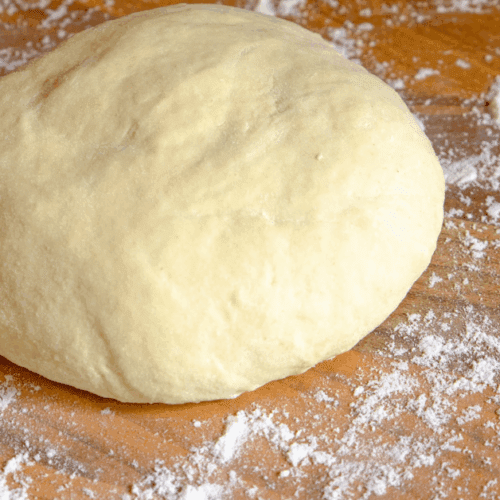
Easy Pizza Dough
Ingredients
- – 2 cups all-purpose flour
- – 1 packet 2 1/4 teaspoons instant yeast
- – 3/4 teaspoon salt
- – 1 tablespoon olive oil
- – 3/4 cup warm water about 110°F or 43°C
- – Optional: 1 teaspoon sugar to help activate the yeast
Instructions
- **Mix Dry Ingredients**: In a large bowl, combine the flour, yeast, salt, and sugar (if using).
- **Add Wet Ingredients**: Create a well in the center and add the warm water and olive oil.
- **Combine**: Mix the ingredients together until a shaggy dough forms.
- **Knead the Dough**: Transfer the dough to a lightly floured surface and knead for about 5-7 minutes, or until the dough is smooth and elastic.
- **Let it Rise**: Place the dough in a greased bowl, cover it with a clean towel or plastic wrap, and let it rise in a warm place for about 30 minutes, or until it has doubled in size.
- **Shape**: Once risen, punch down the dough and roll it out on a floured surface to your desired thickness.
- **Top and Bake**: Add your favorite toppings and bake in a preheated oven at 475°F (245°C) for 12-15 minutes, or until the crust is golden brown.
Frequently Asked Questions (FAQ): The History and Origin of Easy Pizza Dough
Q1: Where did pizza dough originally come from?
Pizza dough evolved from ancient flatbreads created by Egyptians, Greeks, and Romans thousands of years ago. The modern form originated in Naples, Italy, in the 18th century.
Q2: What makes pizza dough “easy”?
Easy pizza dough refers to simplified recipes that use instant yeast or shorter fermentation times, allowing quicker preparation without complex steps.
Q3: Why is yeast important in pizza dough?
Yeast causes the dough to rise by producing gas during fermentation, creating the light and airy texture characteristic of pizza crust.
Q4: What’s the difference between Neapolitan and New York-style dough?
Neapolitan dough is soft and blistered, baked at high heat for a short time. New York-style dough is chewier and crispier, baked at slightly lower temperatures.
Q5: When did easy pizza dough become popular?
Easy pizza dough recipes gained popularity in the mid-20th century with the rise of instant yeast and prepackaged dough mixes, making homemade pizza accessible to everyone.
Q6: Can you make pizza dough without yeast?
Yes, yeast-free doughs use baking powder or self-rising flour as leavening agents, offering a quicker alternative, though the flavor and texture differ.
Q7: Why do some pizza doughs need to rest overnight?
Long fermentation allows yeast to develop deeper flavors and better gluten structure, resulting in a more flavorful and elastic dough.
Q8: How has technology influenced pizza dough making?
Modern kitchen tools and digital appliances simplify kneading, proofing, and baking, making pizza dough preparation easier and more consistent.

The Timeless Art of Easy Pizza Dough
The story of easy pizza dough is a story of evolution — from ancient flatbreads cooked over fire to the soft, flavorful crusts we know and love today. It reflects humanity’s creativity, adaptability, and love for simple, satisfying food.
From Naples’ bustling streets to modern kitchens worldwide, pizza dough has remained a symbol of culinary ingenuity. The “easy” versions available today are not shortcuts but rather celebrations of how far we’ve come in making this beloved dish accessible to all.
Whether you’re a professional chef or a home cook, crafting pizza dough connects you to a rich heritage of bakers who turned basic ingredients into something extraordinary. Easy pizza dough continues that tradition — offering convenience without compromise, flavor without fuss, and joy in every rise, knead, and bite.
In the end, the true beauty of pizza dough lies not just in its simplicity, but in its power to bring people together — around the table, across generations, and around the world.
If you enjoyed exploring this topic and want to dive even deeper, be sure to check out some of our other articles here on Infinite Flavors. From rich culinary histories to creative twists on classic recipes, there’s always something new to discover. Whether you’re curious about the origins of a dish, looking for fresh inspiration in the kitchen, or simply love learning about food culture, our collection of posts is the perfect next step on your flavor journey.
The History Of Amazing BBQ Chicken Ranch Pizza
The History And Origin Of Easy Macaroni And Cheese
Simple Family-Friendly Vegetarian Recipes Collection