Three Key Spices For Authentic Chinese Cuisine
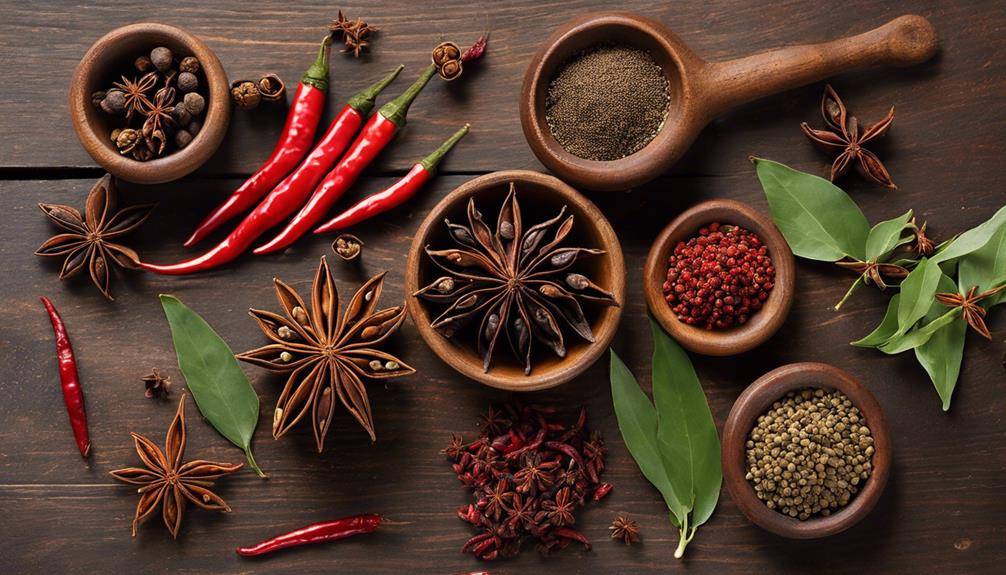
Three Key Spices For Authentic Chinese; To create authentic Chinese cuisine, you can’t overlook three key spices. First, there’s star anise, with its warm, sweet flavor that brings balance to dishes. Then, Sichuan peppercorn adds a unique zesty kick and a delightful numbing sensation. Finally, five-spice powder combines star anise, cloves, and more to capture the essence of Chinese cooking. These spices not only enhance flavors but also hold cultural significance. By incorporating them into your dishes, you’ll elevate your culinary creations. Want to embrace these spices further? There’s much more to discover about their uses and benefits!
The Importance of Spices
Spices are the heart and soul of Chinese cuisine, transforming simple ingredients into a symphony of flavors. Their significance goes beyond mere seasoning; they create a rich tapestry of taste that elevates every dish. When you explore the world of Chinese cooking, you’ll quickly realize that spices are essential for flavor enhancement. They don’t just add heat or aroma; they balance and harmonize the various elements of a meal.
Think about your favorite Chinese dishes. You might notice how the careful selection of spices can bring out the freshness of vegetables, enhance the richness of meats, or add warmth to a broth. Each spice carries its own unique profile, contributing to the overall experience of the dish. For instance, star anise imparts a sweet, licorice-like flavor, while Szechuan peppercorns provide a numbing, tingling sensation that can transform the ordinary into the extraordinary.
Using spices in Chinese cuisine is an art form. You often blend different spices to create depth, drawing on their individual characteristics to craft a complex flavor profile. This approach not only satisfies the palate but also engages the senses, making each bite a delightful adventure.
Overview of Chinese Cuisine
Chinese cuisine’s rich tapestry reflects the country’s diverse regions, cultures, and traditions. When you investigate the world of Chinese food, you’ll quickly notice the incredible regional variations. From the bold, spicy flavors of Sichuan to the delicate, subtle tastes of Cantonese cooking, each area boasts its own unique ingredients and dishes. You’ll find that these regional specialties stem from local customs, climate, and available resources, making each meal a reflection of its origin.
Cooking techniques also play an essential role in defining Chinese cuisine. Stir-frying, steaming, braising, and deep-frying are just a few methods that chefs utilize to bring out the flavors and textures in their dishes. When you examine these techniques, you’ll appreciate how they not only enhance taste but also preserve the nutritional value of the ingredients. For instance, steaming vegetables retains their vibrant colors and crunch, while stir-frying allows for quick cooking that locks in flavors.
As you journey through this culinary landscape, you’ll discover that Chinese cuisine is much more than just food; it’s a celebration of culture and history. Each dish tells a story, whether it’s a family recipe passed down through generations or a modern twist on a classic. The interplay of regional variations and cooking techniques guarantees that every bite you take is an experience worth savoring. So, get ready to explore, taste, and appreciate the depth of authentic Chinese cuisine.
Spice #1: Star Anise
Star anise brings a unique flavor profile that’s essential in many Chinese dishes. You’ll find it in everything from savory soups to sweet desserts, showcasing its versatility in your cooking. Plus, it offers some surprising health benefits that you might want to explore.
Flavor Profile Overview
One of the most distinctive flavors found in many dishes is that of star anise, a spice that brings a warm, sweet, and slightly licorice-like taste to the table. This unique flavor profile adds a remarkable depth to your culinary creations. When you incorporate star anise, you’re not just enhancing the taste; you’re embracing its flavor complexity, which balances beautifully with other spices and ingredients.
Star anise holds significant cultural importance in Chinese cuisine, symbolizing harmony and balance. Its use in traditional dishes can evoke memories of family gatherings and celebrations, connecting you to centuries of culinary heritage. You might find that this spice is often paired with meats, broths, and even desserts, showcasing its versatility.
As you experiment with star anise, pay attention to how its sweet warmth interacts with salty, spicy, and sour elements in your dishes. This balance is key to achieving authentic flavors that resonate with the essence of Chinese cooking. By understanding and appreciating star anise’s unique characteristics, you’re sure to elevate your dishes and experience a deeper connection to the rich culinary traditions that celebrate this beloved spice.
Culinary Uses and Techniques
How can you incorporate star anise into your cooking to enhance flavors? Start by using this aromatic spice in your braises and stews. When you’re simmering meats or vegetables, toss in a couple of whole star anise pods. They’ll infuse your dish with a warm, sweet, and slightly licorice-like flavor that complements savory ingredients perfectly.
You can also experiment with sautés. While heating your oil, add crushed star anise along with your aromatics like garlic and ginger. This method releases the spice’s essential oils, enriching your stir-fries or sautéed dishes.
Consider spice blending as well. Pair star anise with other spices like cinnamon and cloves for a complex flavor profile in your marinades or sauces. This blend works wonders in dishes like five-spice powder, which is a staple in Chinese cooking.
Don’t forget to remove the star anise pods before serving, as they can be quite potent. With these techniques, you’ll elevate your dishes and bring the authentic essence of Chinese cuisine to your table. Enjoy experimenting with star anise and watch your culinary skills shine!
Health Benefits Explored
Incorporating star anise into your cooking not only enhances flavors but also offers several health benefits. This unique spice is rich in antioxidants, which help combat oxidative stress in your body, promoting overall wellness. It’s also known for its anti-inflammatory properties, which can support your immune system and may help reduce the risk of chronic diseases.
The nutritional value of star anise is impressive as well. It contains essential oils that are believed to aid digestion, making it a great addition to your meals if you experience bloating or discomfort after eating. Additionally, star anise is known for its antimicrobial properties, which can help fight off infections and promote healthy skin.
Moreover, this spice is a natural source of vitamins A and C, which are crucial for maintaining healthy vision and skin. By including star anise in your dishes, you’re not just adding a delicious flavor; you’re also reaping the health benefits that come along with it. So, the next time you’re preparing a meal, remember that star anise can elevate both the taste and nutritional profile of your food.
Flavor Profile of Star Anise
Star anise boasts a unique flavor profile that can transform a dish with its distinct sweetness and warmth. This spice offers a complex mix of flavors, combining hints of licorice, clove, and a subtle bitterness that creates a rich, aromatic experience. When you use star anise, you’re not just adding a spice; you’re enhancing the cultural significance of your dish, rooted deeply in Chinese culinary traditions.
Incorporating star anise into your cooking can help achieve a harmonious flavor balance. Its sweetness can soften the heat of spices like Sichuan peppercorns, while its warm notes can complement savory ingredients like meat and vegetables. You’ll find that a dash of star anise can elevate the overall taste, bringing depth and intrigue to your meals.
What makes star anise particularly appealing is how versatile it is. Whether you’re simmering a fragrant broth or crafting a braise, it contributes an unmistakable richness without overpowering other flavors. This balance is essential in Chinese cuisine, where the interplay of various tastes is paramount.
Star anise’s cultural importance also extends beyond its flavor. It’s often associated with warmth and comfort in traditional dishes, making it a staple in family recipes passed down through generations. By embracing star anise, you’re not only enhancing your cooking but also celebrating a spice that embodies the heart and soul of Chinese culinary heritage.
Culinary Uses of Star Anise
Star anise brings a unique flavor and aroma that can elevate your dishes to a new level. You’ll find it in traditional recipes like Chinese five-spice powder and braised meats, where its warm, sweet notes shine. Let’s explore how you can incorporate this spice into your cooking for a delicious twist.
Flavor Profile and Aroma
Utilizing star anise in your cooking brings a distinct flavor profile and aroma that can elevate any dish. This spice has a complex, sweet, and slightly licorice-like flavor that contributes to an aromatic balance in your culinary creations. When you add star anise, you’re not just seasoning; you’re enhancing the overall taste, transforming ordinary meals into something truly special.
Star anise is versatile, working well in both savory and sweet dishes. In savory applications, it complements meats, broths, and stews, infusing them with a warm, fragrant essence. When used in desserts, it adds an intriguing depth, enhancing flavors like chocolate and fruit. This spice can also enhance the aromatic experience of your dishes, making each bite satisfying and memorable.
To achieve the best results, consider using whole star anise pods, allowing them to infuse their flavor over time. Alternatively, ground star anise can be sprinkled in for a quicker flavor enhancement. Regardless of how you use it, incorporating star anise into your cooking will certainly create a delightful sensory experience, showcasing the beauty of Chinese cuisine.
Traditional Dishes Incorporating Star Anise
Incorporating star anise into traditional dishes showcases its unique ability to enhance flavors. This spice is a key player in many beloved Chinese recipes, adding a warm, sweet, and slightly licorice-like taste that elevates the overall profile of your meals. One of the most famous dishes featuring star anise is braised pork belly, where it melds beautifully with soy sauce and other spices, creating a rich and aromatic sauce.
Another traditional recipe is five-spice powder, where star anise is blended with other spices to infuse meats and vegetables with complex flavors. You can use this mix in stir-fries or marinated dishes, bringing authentic culinary traditions to your home.
Don’t overlook the classic beef noodle soup, where star anise contributes to the broth’s depth, making each bowl comforting and satisfying. When you explore these traditional dishes, you’re not just cooking; you’re connecting with centuries of culinary history.
Spice #2: Sichuan Peppercorn
Sichuan peppercorn is an essential ingredient that adds a unique and vibrant flavor to many Chinese dishes. This spice is a cornerstone of Sichuan cuisine, known for its bold flavors and complex spice blends. When you cook with Sichuan peppercorn, you’ll discover its signature numbing sensation that complements the heat of chili peppers, creating a harmonious balance in your meals.
Incorporating Sichuan peppercorn into your cooking allows you to investigate a rich tapestry of culinary traditions that have been passed down through generations. You’ll find it in everything from classic mapo tofu to mouthwatering kung pao chicken. Its versatility means it can also be used in various spice blends, enhancing the overall flavor profile of your dishes.
As you probe deeper into Sichuan cuisine, you’ll notice the regional variations that highlight different ways Sichuan peppercorn is used. Whether it’s in a hot pot or a stir-fry, this spice brings a signature zing that distinguishes Sichuan dishes from other Chinese culinary styles.
When you experiment with Sichuan peppercorn, you’ll appreciate how it elevates flavors and brings a dynamic element to your cooking. So, don’t hesitate to add this remarkable spice to your pantry. By doing so, you’ll not only embrace the essence of Sichuan cuisine but also expand your culinary horizons, allowing you to create authentic dishes that transport you straight to the heart of China.
Flavor Profile of Sichuan Peppercorn
The distinctive flavor profile of Sichuan peppercorn makes it stand out among other spices. Unlike traditional pepper, Sichuan peppercorn delivers a unique combination of citrusy notes and a bold, fragrant aroma. When you first taste it, you’ll notice a bright, zesty flavor that adds an unexpected layer of complexity to dishes. It’s this unique zest that plays a vital role in Sichuan cuisine, creating an unforgettable tasting experience.
One of the most fascinating aspects of Sichuan peppercorn is the numbing sensation it imparts. This tingling effect on your palate is caused by the compound hydroxy-alpha-sanshool, which activates the nerves in your mouth. It’s not just a heat; it’s a whole new experience that elevates the flavors of your food. When combined with spicy ingredients like chili peppers, this numbing sensation creates a perfect balance, making your taste buds come alive.
As you experiment with Sichuan peppercorn in your cooking, you’ll find that it enhances not only the heat but also the overall flavor profile of your dishes. It’s a key element that brings depth and character, distinguishing Sichuan cuisine from other culinary traditions. Whether you’re preparing classic dishes or modern interpretations, incorporating Sichuan peppercorn will certainly enrich your meals. So, take a leap into this vibrant flavor experience, and let the numbing sensation of Sichuan peppercorn transform your cooking.
Culinary Uses of Sichuan Peppercorn
When you plunge into the culinary world of Sichuan peppercorn, you’ll discover its versatility in a variety of dishes. This unique spice is a cornerstone of Sichuan cuisine, known for its bold flavors and distinct numbing sensation. You can incorporate Sichuan peppercorn into your stir-fries, marinades, and even soups to create a delightful flavor balance that enhances the overall dish.
For instance, try adding ground Sichuan peppercorn to a spicy stir-fried chicken or tofu dish. The heat from the chili peppers combined with the numbing effect of the peppercorn provides a multi-layered tasting experience. You can also use it to make a fragrant oil by infusing it in hot oil, perfect for drizzling over dumplings or noodles.
When exploring regional varieties, you’ll find that Sichuan peppercorn can vary in flavor and intensity, offering you the chance to experiment with different types. Some may have a more floral note, while others pack a punch with a stronger numbing sensation. This allows you to tailor your dishes to your personal taste and the preferences of your guests.
Don’t forget to use Sichuan peppercorn in dipping sauces, where it can shine alongside soy sauce and vinegar. Its unique flavor profile can elevate even the simplest of meals. So go ahead and embrace this spice; it’ll surely take your cooking to a whole new level!
Spice #3: Five-Spice Powder
After exploring the bold flavors of Sichuan peppercorn, it’s time to turn your attention to another fundamental element in Chinese cooking: Five-Spice Powder. This unique blend of spices captures the essence of Chinese culinary traditions and is pivotal in many regional dishes. Usually, it consists of star anise, cloves, Chinese cinnamon, Sichuan peppercorn, and fennel seeds. Each of these spices brings its own character, creating a well-rounded flavor profile that balances sweet, sour, bitter, salty, and umami notes.
The cultural significance of Five-Spice Powder runs deep in Chinese history. Traditionally, it symbolizes harmony and balance, reflecting the Chinese philosophy of yin and yang. You’ll find it used in various dishes across different regions, from braised meats to aromatic stir-fries. This spice blend not only enhances the taste but also carries stories and traditions passed down through generations.
When you sprinkle Five-Spice Powder into your dishes, you’re embracing a rich cultural heritage. It’s an invitation to explore the depth of flavors that Chinese cuisine offers. You can use it as a dry rub for meats, incorporate it into marinades, or even experiment with it in soups and stews.
Flavor Profile of Five-Spice Powder
Five-spice powder combines star anise, cloves, Chinese cinnamon, Sichuan peppercorns, and fennel seeds to create a unique flavor profile that balances sweet, savory, and spicy notes. You can use it in various dishes, from marinades to stir-fries, enhancing the taste of meats and vegetables alike. Plus, this spice blend offers health benefits, including antioxidant properties and digestive support.
Ingredients of Five-Spice
The unique complexity of Five-Spice powder comes from its harmonious blend of distinctive ingredients. Traditionally, this aromatic mix includes star anise, cloves, Chinese cinnamon (or cassia), Sichuan peppercorns, and fennel seeds. Each component contributes a unique flavor, creating a balance of sweet, sour, bitter, and spicy notes that defines the essence of this essential spice blend.
The five spice origins trace back to ancient Chinese medicine and cooking, where it was believed to enhance the flavor of dishes and promote health. It’s fascinating to see how different regions in China have their own five spice variations. Some may feature additional spices, like ginger or nutmeg, while others might adjust the proportions to suit local palates.
When you use Five-Spice powder, you’re not just adding flavor; you’re connecting with centuries of culinary tradition. This blend encapsulates the diverse tastes of Chinese cuisine, reflecting both history and regional influences. By understanding these ingredients, you’ll appreciate how they work together to elevate your dishes, making Five-Spice powder a must-have in your kitchen.
Culinary Uses and Applications
Understanding the flavor profile of Five-Spice powder opens up a world of culinary possibilities. This unique blend combines sweet, sour, bitter, salty, and umami flavors, making it incredibly versatile in your kitchen. You can use it in various cooking techniques, whether you’re stir-frying, braising, or roasting.
When you season your meats, adding Five-Spice can elevate the dish by enhancing flavor development. For instance, rub it on pork before slow-roasting for a mouthwatering caramelized crust. This spice also shines in marinades, where it complements soy sauce, garlic, and ginger, creating a rich, aromatic base for your proteins.
Don’t forget about vegetables! Tossing them with Five-Spice during sautéing brings an exciting twist to your side dishes. You can even sprinkle a pinch into soups or stews to deepen their complexity.
For those who love baking, incorporating Five-Spice in desserts, like spiced cakes or cookies, introduces an unexpected yet delightful flavor. With its bold profile, Five-Spice powder can transform your everyday meals into extraordinary culinary creations. Embrace its versatility and let your creativity flourish!
Health Benefits and Properties
Throughout history, people have recognized the health benefits of spices, and Five-Spice powder is no exception. This unique blend, typically containing star anise, cloves, Chinese cinnamon, Sichuan peppercorns, and fennel seeds, boasts impressive nutritional value. Each spice contributes its own set of vitamins, minerals, and antioxidants, which can help support your overall well-being.
Incorporating Five-Spice powder into your meals not only enhances flavor but also offers various medicinal properties. For instance, star anise has antiviral properties, while cloves are known for their anti-inflammatory effects. Chinese cinnamon can regulate blood sugar levels, and Sichuan peppercorns are reputed to aid digestion. Fennel seeds may help alleviate bloating and gas, making this blend beneficial for digestive health.
Using Five-Spice powder can also promote a balanced diet, as it encourages you to explore diverse ingredients in your cooking. By embracing this spice mix, you’re not just elevating your dishes; you’re also tapping into its health advantages. So go ahead, sprinkle some Five-Spice powder into your recipes and enjoy both the delightful flavor and the health perks it provides.
Culinary Uses of Five-Spice Powder
Incorporating five-spice powder into your cooking can elevate a dish with its unique blend of flavors—sweet, sour, bitter, salty, and umami. This versatile spice mix, rooted in Chinese culinary history, brings a balance that enhances a variety of ingredients. You can use it to season meats, like chicken or pork, giving them a fragrant, savory depth. Simply rub the powder onto the meat before grilling or roasting, and you’ll notice how it transforms the flavor profile.
Five-spice powder is also fantastic in stir-fries. Toss it in towards the end of cooking to maintain its aromatic properties. The spice works wonders with vegetables, too; try sprinkling it over sautéed greens or roasted root vegetables for an unexpected twist.
You’ll find regional variations of five-spice powder across China, incorporating different ingredients based on local tastes. For example, some versions include additional spices like chili or turmeric, adding a unique flair to dishes. If you’re feeling adventurous, experiment with five-spice in marinades or dressings. It pairs beautifully with soy sauce, honey, or vinegar, creating a delicious glaze for grilled or roasted dishes.
Don’t forget about desserts! A pinch of five-spice can elevate sweet treats, like poached pears or cookies, by adding complexity to their sweetness. Whether you’re preparing a traditional Chinese meal or exploring fusion cuisine, five-spice powder can be your secret weapon in the kitchen. Embrace its versatility, and watch your dishes flourish!
Tips for Using These Spices
Mastering the art of spice usage can transform your cooking into a flavorful experience. To get the most out of your spices, you need to focus on two vital aspects: spice storage and blending techniques. Proper storage guarantees your spices maintain their potency and flavor. Store your spices in a cool, dark place, away from moisture and direct sunlight. Airtight containers help preserve their freshness, so consider using glass jars or high-quality plastic that seals well.
Once your spices are well-stored, it’s time to explore blending techniques. When using the key spices for Chinese cuisine, such as five-spice powder or Szechuan peppercorns, think about how they complement each other. Start with small amounts—it’s easier to add more than to fix an overpowering flavor. Experiment with toasting whole spices in a dry pan before grinding them; this can reveal deeper, more complex flavors.
You might also want to create your own blends tailored to your taste. For example, combine star anise and cinnamon for a sweet yet aromatic mix, or pair Szechuan peppercorns with garlic for a spicy kick. Remember to taste as you go. This approach not only enhances your dishes but also helps you develop your palate.
Frequently Asked Questions: Three Key Spices For Authentic Chinese
Are These Spices Easy to Find in Regular Grocery Stores?
You’ll find that spice availability can vary. Most regular grocery stores might not stock these specific spices, but you can always explore grocery alternatives like Asian markets or online stores for a better selection.
Can I Substitute These Spices With Others?
You can definitely substitute these spices with spice alternatives. Just keep in mind that different flavor profiles might emerge, so taste as you go to guarantee your dish maintains its intended essence and balance.
What Regions in China Use These Spices Most?
You’ll find that different regions in China showcase unique spice origins, reflecting their regional variations. For example, Sichuan favors bold, spicy flavors, while Cantonese cuisine leans towards milder, aromatic spices to enhance freshness in dishes.
How Should I Store These Spices for Freshness?
To keep your spices fresh, use proper spice preservation techniques. Store them in airtight, opaque containers to block light and moisture. A cool, dark pantry is ideal for maintaining peak flavor and potency.
Are There Any Health Benefits Associated With These Spices?
Yes, these spices offer various health benefits. You’ll find their spice properties can aid digestion, boost immunity, and reduce inflammation. Incorporating them into your meals not only enhances flavor but also promotes overall well-being.

Conclusion
Incorporating star anise and five-spice powder into your cooking can elevate your Chinese dishes to new heights. These spices not only add depth and complexity but also bring authenticity to your meals. Don’t hesitate to experiment with different combinations and quantities to find what works best for your palate. With a little practice, you’ll be able to create mouthwatering dishes that transport you straight to the heart of Chinese cuisine. Happy cooking!
If you enjoyed exploring this topic and want to dive even deeper, be sure to check out some of our other articles here on Infinite Flavors. From rich culinary histories to creative twists on classic recipes, there’s always something new to discover. Whether you’re curious about the origins of a dish, looking for fresh inspiration in the kitchen, or simply love learning about food culture, our collection of posts is the perfect next step on your flavor journey.
11 Of The Best Pressure Cooker Recipes From Italian Cuisine
Five Great Tips For Making Sushi-Grade Seafood At Home
Why Is Seafood Gumbo Preparation An Amazing Art