14 Easy Tips For Crafting Flavorful Vegetarian Dishes
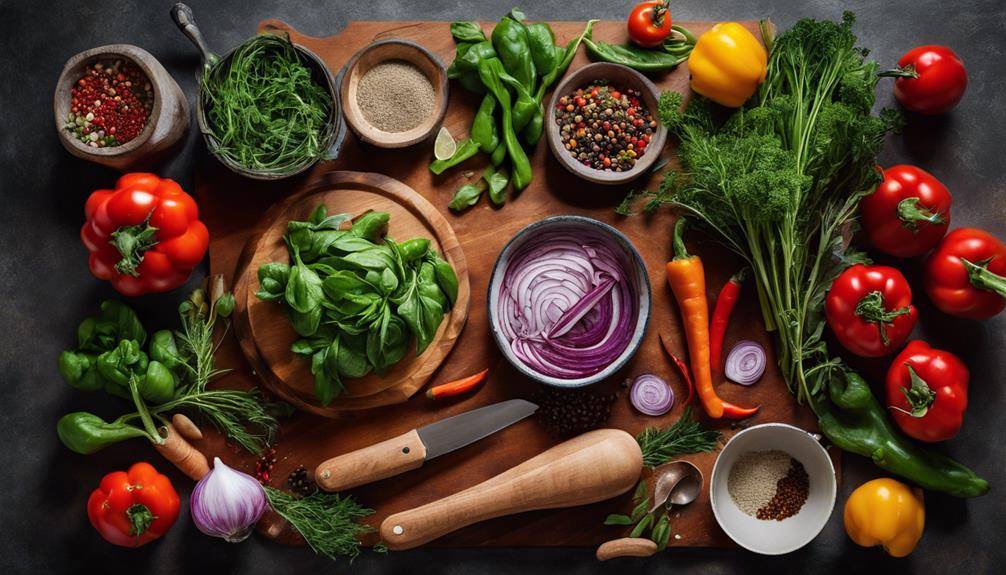
Tips For Crafting Flavorful Vegetarian Dishes; To craft flavorful vegetarian dishes, start by embracing fresh herbs and bold spices that can transform your meals. Experiment with umami-rich ingredients like mushrooms and nutritional yeast for added depth. Incorporate acidic elements, such as citrus and vinegar, to brighten flavors and balance richness. Master the art of seasoning by tasting as you go. Try using fermented ingredients like kimchi for a spicy kick, and don’t forget to create vibrant sauces to enhance your dishes. Garnishing thoughtfully adds visual appeal, too. There’s so much more to explore in building delightful vegetarian meals, so keep going for additional tips!
Embrace Fresh Herbs
When you plunge into cooking vegetarian dishes, fresh herbs can elevate your meals instantly. They not only add flavor but also bring a burst of color and aroma that enhances your culinary creations. To get started, consider experimenting with various herb combinations. Mixing basil with parsley can create a fresh pesto, while cilantro and mint pair beautifully in salads, adding a revitalizing twist. Don’t be afraid to play around with different combinations until you find what speaks to your palate!
As you explore the world of fresh herbs, it’s crucial to know how to preserve them properly. You might find yourself with more herbs than you can use at once, and that’s where herb preservation comes in handy. Freezing chopped herbs in ice cube trays with a bit of olive oil is a fantastic way to keep them flavorful for months. Alternatively, drying herbs can extend their shelf life and make them available for your dishes whenever you need them.
When you’re ready to use those preserved herbs, just toss them into your dishes for an instant flavor boost. Remember, fresh herbs are best added toward the end of cooking to retain their vibrant taste. So, whether you’re whipping up a simple pasta or a hearty stew, embracing fresh herbs can transform your vegetarian meals from ordinary to extraordinary. Get creative, experiment with herb combinations, and enjoy the delightful flavors they bring to your dishes!
Utilize Bold Spices
When you want to elevate your vegetarian dishes, bold spices are your best friends. Experimenting with different spice blends can enhance the natural flavors of your ingredients, making every bite more exciting. Let’s explore some unique blends that will transform your meals into flavorful experiences.
Spice Blends to Try
Often, experimenting with different spice blends can elevate your vegetarian dishes to new heights. By incorporating global spices, you can introduce vibrant flavors that transform the ordinary into extraordinary. Consider exploring regional blends like garam masala or za’atar, which highlight traditional spices from their respective cultures.
Creating your own homemade mixes allows you to customize flavor pairings that suit your taste. For instance, combine smoked paprika, cumin, and coriander for a warm, earthy blend perfect for roasted vegetables. When using seasonal spices, think about what’s fresh in your area—like basil in summer or cinnamon in autumn—to enhance your dishes.
Spice storage is essential for maintaining spice freshness. Keep your blends in airtight containers away from light and heat to preserve their intensity. Additionally, pay attention to spice origins; knowing where your spices come from can deepen your appreciation for their flavor profiles.
Don’t hesitate to mix and match spices to find your ideal combinations. With a little creativity and knowledge of spice intensity, you can craft vegetarian meals that are not only delicious but also full of life.
Enhancing Natural Flavor Profiles
Bold spices can truly enhance the natural flavor profiles of your vegetarian dishes. When you incorporate these spices, you create vibrant flavor infusions that elevate your meals to new heights. Start by experimenting with spices like smoked paprika, cumin, or coriander. These spices not only add depth but also complement the freshness of your vegetables.
Consider the ingredient pairings you choose; for example, pairing cumin with roasted carrots or smoked paprika with sautéed mushrooms can lead to delightful taste experiences. Don’t shy away from heat either—adding a pinch of cayenne or red pepper flakes can awaken your palate and transform a simple dish into something memorable.
Another effective method is to create spice blends that you can sprinkle on your dishes. Try mixing turmeric with black pepper for its anti-inflammatory benefits and rich color, or blend garlic powder with onion powder for a savory punch.
Experiment With Umami
Umami, the savory fifth taste, can transform your vegetarian dishes from bland to bold with just a few simple ingredients. To tap into this flavor powerhouse, start by exploring different mushroom varieties. Shiitake, portobello, and maitake mushrooms are excellent choices. Their rich, earthy tones can create depth in soups, stir-fries, or pasta dishes. Don’t hesitate to sauté them with garlic and olive oil—this combination will elevate the umami flavor even further.
Next, consider incorporating savory sauces into your repertoire. Soy sauce, tamari, and miso paste are fantastic options that pack a punch. You can use these sauces as marinades, dressings, or finishing touches for your dishes. A drizzle of soy sauce over roasted vegetables or a spoonful of miso in your soups will leave your taste buds dancing with delight.
Another way to boost umami is by adding fermented ingredients. Think about kimchi, sauerkraut, or even nutritional yeast. These ingredients not only enhance the umami flavor but also provide additional health benefits.
Don’t forget about the power of roasted nuts and seeds. They offer a satisfying crunch while contributing to the overall umami experience. When you experiment with these ingredients, you’ll notice how they can transform your meals into something truly special. So, get creative and let the savory flavors of umami take center stage in your vegetarian cooking!
Incorporate Acidic Elements
Acidic elements can really elevate your vegetarian dishes. By brightening flavors with citrus or using vinegar wisely, you’ll create a vibrant taste that keeps your meals exciting. Don’t underestimate the power of acidity in balancing and enhancing your ingredients!
Brighten With Citrus
When you’re looking to elevate your vegetarian dishes, incorporating citrus can make all the difference. The bright, zesty flavors of citrus fruits like lemons, limes, oranges, and grapefruits can transform a dull meal into something vibrant and invigorating. Start by exploring citrus pairing; a squeeze of lemon juice over roasted vegetables can enhance their natural sweetness, while a dash of orange zest can lift a salad to another level.
Using zest techniques is essential here. Grating the peel of citrus fruits adds a powerful burst of flavor without the acidity of the juice. Try mixing lemon zest into your quinoa or rice for a fragrant side dish. You can also create a citrus vinaigrette by combining fresh juice with olive oil, mustard, and herbs, adding a bright note to any salad.
Don’t forget about balancing flavors. A splash of grapefruit juice can add a delightful tartness to your stir-fried greens. With these tips, you can easily brighten your vegetarian meals, ensuring they’re not only healthy but also full of life. So go ahead, get creative with citrus and watch your dishes shine!
Use Vinegar Wisely
Vinegar can be a game changer in your vegetarian cooking. It adds a vibrant punch that elevates your dishes and helps achieve a perfect flavor balance. With so many vinegar types available—like balsamic, apple cider, and red wine—you can experiment to find what complements your ingredients best.
When you incorporate vinegar, think about the overall taste profile you want. For instance, balsamic can add sweetness to roasted vegetables, while red wine vinegar can provide a tangy kick to salads. A splash of apple cider vinegar can brighten up a hearty grain dish, making it feel lighter and more invigorating.
Don’t be afraid to use vinegar strategically. A drizzle just before serving can enhance the dish’s flavors, while marinating your vegetables in vinegar can deepen their taste. Remember, it’s all about finding that right balance; too much vinegar can overwhelm your dish, while just the right amount can bring everything together.
Master the Art of Seasoning
Seasoning is the secret weapon that can transform simple vegetarian dishes into flavor-packed masterpieces. Mastering the art of seasoning is essential for creating a balanced dish that excites the palate. Start by exploring various seasoning techniques to find what resonates most with your style. Salt is fundamental; it enhances the natural flavors of your ingredients. Use it wisely—too little can leave your dish flat, while too much can overpower it.
Next, experiment with herbs and spices. Fresh herbs like basil, cilantro, and parsley can add brightness and depth, while dried spices such as cumin, paprika, and turmeric contribute warmth and complexity. Combine different herbs and spices to achieve a well-rounded flavor balance. For instance, pairing earthy cumin with vibrant cilantro can elevate a simple bean salad into a culinary delight.
Don’t forget about acidity! Ingredients like lemon juice, lime juice, and vinegar can cut through richness and brighten your dish. A splash of balsamic vinegar can enhance roasted vegetables, while a squeeze of lemon can refresh a grain bowl.
Lastly, taste as you cook. Adjust your seasoning gradually, and don’t be afraid to experiment. A pinch of this or a dash of that can make all the difference. By mastering these seasoning techniques, you’ll create vegetarian dishes that are not only delicious but also memorable. Happy cooking!
Explore Different Cooking Techniques
When it comes to making your vegetarian dishes pop, experimenting with different cooking techniques is key. Sautéing can enhance flavors by developing rich, caramelized notes, while roasting intensifies the natural sweetness of your veggies. Let’s explore how these methods can transform your meals into something truly delicious.
Sautéing for Enhanced Flavors
Sautéing frequently elevates the flavors of vegetarian dishes, transforming simple ingredients into vibrant meals. By using effective sautéing techniques, you can reveal the full potential of your vegetables and grains. Start by heating a good amount of oil in a pan over medium-high heat. The right temperature is essential; too low, and your ingredients will steam rather than sauté.
When it comes to ingredient combinations, think about contrasting textures and flavors. For instance, pairing crisp bell peppers with tender mushrooms creates an exciting bite. Don’t forget to season as you go; adding herbs, spices, or even a splash of vinegar during cooking can enhance the dish’s depth.
Try layering flavors by starting with aromatics like garlic or onions, letting them soften before introducing your main ingredients. This way, the base of your dish is rich and flavorful. Remember to stir frequently to guarantee even cooking and browning.
Experiment with different vegetables, grains, or plant-based proteins — each brings its unique taste and texture. With a few simple techniques, you can transform everyday ingredients into a satisfying vegetarian dish that’s bursting with flavor.
Roasting to Intensify Taste
Roasting brings out the natural sweetness and depth of flavors in vegetables, making it a go-to technique for enhancing vegetarian dishes. To get the most out of your roasting experience, start with smart vegetable selection. Choose hearty vegetables like carrots, Brussels sprouts, and sweet potatoes, as they caramelize beautifully under high heat.
Once you’ve picked your veggies, explore different roasting techniques. Preheat your oven to a high temperature, around 425°F (220°C), to achieve that perfect golden-brown exterior. Toss your vegetables with a bit of olive oil, salt, and pepper, ensuring they’re evenly coated. Spread them out on a baking sheet in a single layer, giving them space to roast rather than steam.
Consider adding herbs or spices for extra flavor. Thyme, rosemary, or even a splash of balsamic vinegar can elevate your dish further. Flip your vegetables halfway through cooking for even browning. Depending on the veggie, roasting typically takes 20-40 minutes.
Once they’re done, enjoy the intensified flavors that roasting brings, transforming simple vegetables into a delicious, satisfying meal. Roasting is truly an essential technique in your vegetarian cooking arsenal!
Layer Flavors Thoughtfully
In the kitchen, layering flavors thoughtfully can transform simple vegetarian dishes into culinary masterpieces. By employing effective layering techniques, you can create a depth of flavor that excites the palate. Start with a strong base—think sautéed onions, garlic, or ginger. These aromatics not only add richness but also serve as a foundation for the other ingredients.
Next, consider your vegetables. When choosing them, think about how they complement one another through flavor pairing. For example, pairing earthy mushrooms with sweet bell peppers can elevate the dish considerably. As you layer, don’t forget to season generously with salt and pepper at each stage to enhance the natural flavors.
Don’t overlook the power of herbs and spices. Adding fresh herbs like basil, cilantro, or parsley towards the end of cooking will brighten the dish, while dried spices like cumin or smoked paprika can provide warmth and complexity when added earlier. Acidic elements, such as lemon juice or vinegar, can also bring balance and lift the flavors, so consider incorporating them right before serving.
Choose Quality Ingredients
When you choose quality ingredients, you set the stage for delicious vegetarian dishes. Fresh produce enhances the flavors, while the right seasonings and spices can elevate your meals to new heights. Prioritizing quality not only improves taste but also boosts the nutritional value of your dishes.
Fresh Produce Selection
Selecting fresh produce is essential for creating flavorful vegetarian dishes that truly satisfy. Start by exploring local markets, where you can often find seasonal produce at its peak freshness and flavor. Look for organic options to guarantee you’re using ingredients free from harmful pesticides. Pay attention to color variety; vibrant fruits and vegetables not only enhance visual appeal but also offer a range of nutrients.
When choosing your produce, keep ripeness indicators in mind. For instance, a ripe avocado should yield slightly to pressure, while tomatoes should have a fragrant aroma. This guarantees you’re using the best ingredients for your meals.
Experiment with flavor pairing by combining ingredients that complement each other; for example, pairing sweet bell peppers with earthy mushrooms creates a delightful contrast. Also, consider seasonal availability, as certain fruits and vegetables taste better when they’re in season.
Lastly, remember some storage tips to maintain freshness. Store leafy greens in a damp paper towel to keep them crisp, and keep fruits like bananas away from other produce to prevent premature ripening. With these strategies, you’ll elevate your vegetarian dishes and keep your meals exciting!
Seasoning and Spices
Fresh produce lays the foundation for any great vegetarian dish, but the right seasonings and spices elevate those flavors to new heights. To truly enhance your meals, you need to choose quality ingredients. Start by exploring various seasoning techniques. For instance, toasting spices before using them can reveal deeper flavors, while marinating vegetables in herbs and spices infuses them with deliciousness.
Understanding spice origins can also guide you in your culinary adventures. For example, cumin hails from the Middle East, while coriander is popular in Indian cuisine. By knowing the background of each spice, you can pair them effectively with your ingredients.
Don’t be afraid to experiment! A pinch of smoked paprika can add depth to roasted veggies, while fresh herbs like basil or cilantro can brighten up a dish. Remember, seasoning is about balance. You want to enhance, not overpower. Taste as you go, adjusting flavors to suit your palate. With the right seasonings and spices, your vegetarian dishes will not only satisfy but also impress. So grab your spices and start experimenting—your taste buds will thank you!
Add Texture Variety
Incorporating a variety of textures can elevate your vegetarian dishes from ordinary to extraordinary. When you think about how each bite feels, you can create a sensory experience that excites the palate. Start with hearty grains like quinoa or farro as your base; they add chewiness and substance. Layer in creamy elements, such as avocado or a rich cashew cream, to provide a luscious contrast that makes your dish feel indulgent.
To enhance the experience further, consider adding crunchy toppings. Toasted nuts or seeds not only introduce a delightful crunch but also introduce nutty components that complement the other flavors. If you’re making a salad, think about crispy textures from roasted chickpeas or baked tofu; they’ll add an exciting element that contrasts beautifully with softer ingredients.
Don’t forget about chewy additions like dried fruits or sautéed mushrooms. These elements bring depth and a unique mouthfeel, rounding out the dish. Finally, a smooth puree, whether it’s a vibrant beet or a silky butternut squash, can serve as a stunning backdrop for your ingredients. It ties everything together and adds an elegant flair.
Use Flavorful Broths
A rich, flavorful broth can transform your vegetarian dishes into a comforting delight. Instead of plain water, using broth as your base adds depth and warmth to soups, stews, and sauces. Explore various broth variations, from vegetable to mushroom or miso, to boost the flavor profile of your meals. Each type brings its unique character, enhancing the overall taste.
When making a dish, think about ingredient pairing. For instance, a robust mushroom broth pairs beautifully with earthy lentils or root vegetables, creating a hearty stew. On the other hand, a light vegetable broth can complement delicate ingredients like spinach or zucchini, allowing their flavors to shine through. Don’t hesitate to experiment—mixing different broths can lead to exciting new flavors.
To maximize the broth’s potential, consider adding aromatics such as garlic, onions, or herbs during the cooking process. This will deepen the flavor even further. If you want a hint of spice, try adding a dash of soy sauce, sriracha, or even a sprinkle of smoked paprika.
Remember to taste as you go, adjusting the seasoning to guarantee your broth reaches its full potential. A well-crafted broth not only enhances your vegetarian dishes but also brings them to life, making each meal a satisfying experience. With these tips in mind, you’ll find that using flavorful broths will elevate your cooking and delight your palate.
Include Nutritional Yeast
Nutritional yeast is a game-changer for adding flavor and nutrition to vegetarian dishes. This unique ingredient offers a cheesy, nutty flavor that enhances everything from pasta to salads. One of the best nutritional yeast benefits is its rich profile of B vitamins, including B12, which is often lacking in vegetarian diets. By incorporating it into your meals, you’ll not only boost flavor but also support your nutritional needs.
You can sprinkle nutritional yeast on popcorn, mix it into sauces, or use it as a topping for casseroles. It’s versatile and easy to use, making it a staple in any vegetarian kitchen. If you’re looking for nutritional yeast alternatives, consider using miso paste or tahini for a similar umami flavor. These ingredients can also add depth to your dishes, but they may not provide the same B vitamin benefits.
When you incorporate nutritional yeast, you’re not just enhancing taste; you’re also contributing to a healthier meal. Try adding it to soups, stews, or even homemade veggie burgers for an extra flavor kick. Its unique taste can transform mundane recipes into something exciting and satisfying.
Experiment with different amounts to find your preferred flavor intensity, and don’t be afraid to get creative! With nutritional yeast in your pantry, you have a powerful tool at your disposal that can elevate your vegetarian cooking to new heights. So go ahead, sprinkle it generously, and enjoy the delicious results!
Try Fermented Ingredients
Fermented ingredients can add a delightful depth of flavor and a health boost to your vegetarian dishes. Incorporating these ingredients not only enhances taste but also introduces beneficial probiotic properties that promote gut health.
Start with kimchi—this spicy, fermented cabbage dish offers numerous kimchi benefits, including improved digestion and a unique kick to your meals. You can mix it into salads, stir-fries, or even use it as a topping for grain bowls. Miso is another versatile ingredient; its applications range from soups to marinades. This fermented soybean paste brings umami flavor and a creamy texture, making it perfect for dressings or as a base for sauces.
Consider experimenting with various tempeh varieties. This fermented soy product has a nutty flavor and firm texture, making it an excellent protein source. Try marinating it in your favorite spices or adding it to stir-fries for an extra protein boost.
Don’t forget about sauerkraut recipes! This fermented cabbage dish can elevate sandwiches and salads, adding an enjoyable crunch and tang. Pickled vegetables are another fantastic option; they can be used as toppings or sides, bringing a bright note to any plate.
Create Vibrant Sauces
Elevating your vegetarian dishes goes beyond just adding fermented ingredients; vibrant sauces can truly transform your meals. A well-crafted sauce can enhance flavors, add depth, and create a delightful contrast to your ingredients. Start by experimenting with various base ingredients like tomatoes, nuts, or yogurt, depending on your desired flavor profile.
When creating your sauce, consider the right sauce thickness. A thicker sauce can cling to your ingredients, providing a rich mouthfeel, while a thinner sauce can offer a revitalizing drizzle. You can adjust thickness by adding more liquid, like vegetable broth or olive oil, or by simmering your sauce to reduce it to the desired consistency.
Next, think about sauce pairings. A zesty lemon-tahini sauce pairs beautifully with roasted vegetables, while a spicy chili sauce can elevate a simple grain bowl. Don’t shy away from herbs and spices; fresh basil, cilantro, or a dash of cumin can take your sauce to new heights.
Try to balance flavors—sweet, salty, sour, and umami. For instance, adding a splash of vinegar or citrus juice can brighten a heavy sauce, while a touch of sweetener can round out acidity.
Garnish With Intent
Garnishing your dishes isn’t just about aesthetics; it’s a powerful way to enhance flavor and texture. When you choose the right garnish types, you can elevate your vegetarian creations, making them not only more visually appealing but also more delicious. Fresh herbs, for example, can add a burst of flavor, while nuts or seeds contribute crunch and richness.
To start, think about the plating techniques you want to use. A simple sprinkle of microgreens or a drizzle of balsamic reduction can transform an ordinary plate into a culinary masterpiece. Consider contrasting colors and shapes—laying vibrant, leafy greens against a creamy sauce or bright, diced vegetables on a neutral-colored base draws the eye and invites the palate.
Don’t forget about the role of temperature in garnishing. A chilled garnish, like a cucumber ribbon, can provide a cool contrast to a warm dish, while a sprinkle of toasted breadcrumbs can lend warmth and texture.
Experiment with different combinations of garnish types and plating techniques. Maybe you’ll find that a zesty lemon twist brings out the best in your roasted vegetables or that a dollop of herbed yogurt adds creaminess to a spicy veggie curry.
Frequently Asked Questions: Tips For Crafting Flavorful Vegetarian Dishes
What Are Some Vegetarian Protein Sources to Include in Dishes?
When considering vegetarian protein sources, think about legumes for their numerous benefits, like fiber and iron. Also, explore various quinoa varieties, which offer complete proteins and can enhance the texture and flavor of your dishes.
How Can I Make Vegetarian Meals More Filling?
To make vegetarian meals more filling, incorporate hearty grains like quinoa or brown rice and nutrient-rich legumes such as lentils or chickpeas. They’ll add texture, flavor, and keep you satisfied longer throughout the day.
Are There Any Vegetarian Meal Prep Tips?
For effective meal prep, focus on batch cooking. Use ingredient swaps like lentils for meat or quinoa for rice to boost nutrition. Store meals in portions, making it easier to grab and go throughout the week.
How Do I Store Leftovers to Maintain Flavor?
To maintain flavor, you should store leftovers in airtight containers and refrigerate them promptly. This method guarantees leftover storage promotes flavor preservation, keeping your meals tasty for later enjoyment without losing their deliciousness.
Can I Substitute Meat in Traditional Recipes Easily?
You can easily substitute meat in traditional recipes by using meat alternatives like tofu, tempeh, or seitan. With some recipe adaptations, you’ll create delicious dishes that satisfy your cravings while keeping it vegetarian-friendly.

Conclusion
By embracing fresh herbs and bold spices, you can elevate your vegetarian dishes to new heights. Experimenting with umami and incorporating acidic elements will add depth and brightness. Don’t forget to master seasoning, include nutritional yeast, and try fermented ingredients for extra flavor. Creating vibrant sauces and garnishing with intent will make your meals visually appealing and delicious. With these tips, you’ll craft flavorful vegetarian dishes that everyone will love and enjoy!
If you enjoyed exploring this topic and want to dive even deeper, be sure to check out some of our other articles here on Infinite Flavors. From rich culinary histories to creative twists on classic recipes, there’s always something new to discover. Whether you’re curious about the origins of a dish, looking for fresh inspiration in the kitchen, or simply love learning about food culture, our collection of posts is the perfect next step on your flavor journey.
8 Great Techniques For Healthy Vegetarian Meal Preparation
Creating Amazing Delicious Vegetarian Soups
7 Important Key Tips To Vegetarian And Vegan Cooking