What Are Some Unusual Ingredients In Indonesian Dishes
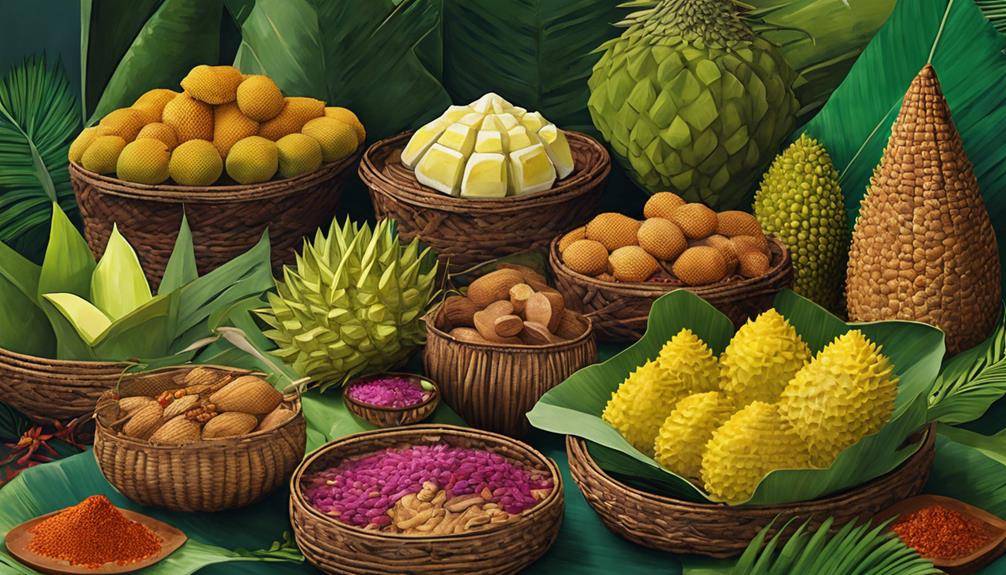
Unusual Ingredients In Indonesian Dishes; Indonesian cuisine features some truly unusual ingredients that pack a punch! Durian, known for its strong aroma, can be both loved and hated. Then there’s petai, or stinky bean, which adds a distinct flavor to dishes. Pandan leaves contribute a fragrant touch and are often used in desserts. Kencur, an aromatic root, brings a unique taste to traditional recipes. Don’t forget jengkol, the controversial bean, and asam jawa, which adds tangy depth. Each ingredient offers an exciting culinary experience that can surprise your palate. Keep exploring, and you’ll discover even more amazing flavors waiting for you!
Durian: The King of Fruits
When you think of unique flavors, durian, often dubbed the “king of fruits,” immediately comes to mind. This tropical fruit is infamous for its strong aroma and distinctive taste, which can evoke a range of reactions from sheer delight to utter disgust. You may have heard about the different durian varieties, each offering a unique experience. From the creamy and sweet Musang King to the more subtle D24, there’s a durian out there for everyone, if you’re willing to give it a try.
However, durian isn’t just a fruit; it’s wrapped in various myths that can sometimes deter people from tasting it. One common myth suggests that eating durian with alcohol can be dangerous, but studies show that there’s no conclusive evidence to support this claim. Another myth claims it’s an aphrodisiac, which adds to its allure but lacks scientific backing. These misconceptions often overshadow the fruit’s culinary potential.
If you immerse yourself in the world of durian, you’ll discover its versatility in Indonesian dishes. It can be used in desserts, savory dishes, or even drinks, showcasing its adaptability. Don’t let the myths scare you away; exploring durian can lead to surprising culinary adventures. So, whether you love it or hate it, embracing the “king of fruits” will surely add a unique twist to your food journey. There’s a whole world of flavors waiting for you to explore!
Pandan Leaves: Fragrant and Versatile
Pandan leaves add a unique fragrance to many Indonesian dishes, making them a staple in the kitchen. You’ll find them in everything from rice to desserts, enhancing flavors and aromas. Plus, these leaves offer health benefits, making them not just tasty but also good for you.
Culinary Uses of Pandan
A vibrant green staple in Indonesian cuisine, pandan leaves add both flavor and aroma to a variety of dishes. You can easily incorporate pandan into your cooking by creating a pandan infusion. Simply steep the leaves in hot water or coconut milk, and you’ll reveal a fragrant essence that can elevate your meals. Use this infusion as a base for rice dishes, soups, or sauces to impart a subtle sweetness and unique aroma.
When it comes to desserts, pandan is a must-have ingredient. You’ll find it in popular treats like klepon, where sweet rice balls are filled with palm sugar and coated in grated coconut, or in the beloved pandan cake, known for its bright green color and fluffy texture. You can also use the pandan infusion to flavor puddings, jellies, or ice creams, making your desserts both delicious and visually appealing.
Incorporating pandan into your culinary repertoire is a surefire way to impress your guests and explore the rich flavors of Indonesian cuisine. So, don’t hesitate to experiment with this versatile ingredient and discover the magic of pandan in your kitchen!
Health Benefits of Pandan
Incorporating pandan into your dishes not only enhances flavor but also brings several health benefits. This fragrant leaf is packed with antioxidants, which help combat oxidative stress in your body. By adding pandan to your meals, you’re not just enjoying its unique taste—you’re also supporting your overall health.
Pandan benefits extend beyond its delightful aroma. It’s known to aid digestion and may help alleviate digestive issues like bloating and gas. You might find that using pandan in your recipes makes your meals not only tastier but also gentler on your stomach. Additionally, pandan has anti-inflammatory properties, which can be beneficial if you’re looking to reduce inflammation in your body.
You can easily incorporate pandan into various dishes through simple pandan recipes. Whether you’re making rice, desserts, or beverages, a few leaves can transform your dish while boosting its nutritional value. So next time you cook, consider reaching for some pandan. It’s a versatile ingredient that encourages both culinary creativity and health-conscious choices. Enjoy the dual rewards of flavor and wellness with every bite!
Kencur: A Unique Aromatic Root
Kencur is more than just a unique aromatic root; it packs impressive health benefits that you might find fascinating. You can use it in various dishes, bringing a distinct flavor that enhances traditional recipes. Plus, its cultural significance in Indonesian cuisine adds depth to your culinary exploration.
Health Benefits of Kencur
Discover the remarkable health benefits of kencur, a unique aromatic root that’s been cherished in Indonesian cuisine for generations. This lesser-known ingredient offers a treasure trove of advantages for your well-being. One of the standout kencur benefits is its ability to support digestion. It’s often used to alleviate stomach discomfort and bloating, making it a great addition to your diet.
Kencur also boasts anti-inflammatory properties, which can help reduce inflammation in the body. This makes it beneficial for those dealing with chronic pain or arthritis. Additionally, kencur acts as an antioxidant, protecting your cells from damage caused by free radicals. This can lead to improved overall health and increased energy.
If you’re looking to boost your immune system, kencur might be just what you need. Its natural compounds can enhance your body’s defenses, helping you fend off illnesses. You can easily incorporate kencur into your meals through various kencur recipes, from traditional beverages to savory dishes. By embracing this aromatic root, you can enjoy not only its unique flavor but also its numerous health benefits. So, why not give kencur a try in your next culinary adventure?
Culinary Uses and Recipes
With its unique flavor and impressive health benefits, kencur can elevate a variety of dishes in Indonesian cuisine. You can use this aromatic root in traditional cooking methods like sautéing or boiling to enhance your meals. Try adding kencur to a spice paste for a delicious sambal, which can serve as a flavorful condiment for grilled meats or vegetables.
You can also incorporate kencur into soups or stews, where its earthy notes complement other ingredients beautifully. For a unique flavor combination, mix kencur with ginger and turmeric to create a vibrant marinade for chicken or fish.
Don’t forget about beverages! Kencur can be blended into invigorating drinks, often paired with fresh lime or honey, offering a delightful way to enjoy its health benefits.
For a simple recipe, consider making kencur-infused rice by adding grated kencur to your cooking liquid. This will impart a subtle flavor that pairs well with various side dishes. By experimenting with kencur, you’ll discover how this unique ingredient can transform your meals into authentic Indonesian culinary experiences.
Cultural Significance in Cuisine
In Indonesian culture, kencur holds a special place not just as a culinary ingredient but also as a symbol of tradition and health. You’ll find this unique aromatic root in various dishes, but its significance goes beyond flavor. Kencur is often incorporated into traditional remedies, reflecting the community’s belief in the healing power of natural ingredients.
During cultural rituals, kencur plays an essential role. It’s often used in offerings and ceremonies, where its aroma is believed to purify spaces and bless participants. In many regions, you might encounter different uses of kencur, showcasing regional variations that highlight local customs and flavors. For instance, in Java, it’s a key component in traditional herbal drinks, while in Bali, it’s commonly included in ceremonial dishes.
As you explore Indonesian cuisine, you’ll discover that kencur isn’t just about taste; it’s intertwined with the cultural identity of the people. Each bite tells a story of heritage, community, and the importance of maintaining traditions. Embracing kencur in your culinary adventures connects you to the rich tapestry of Indonesian culture.
Petai: The Stinky Bean
Known for its distinctive aroma, petai, or stinky bean, is a beloved ingredient in Indonesian cuisine. You might be surprised by its strong smell, which some find off-putting, but many locals cherish it for its unique flavor and health benefits. When you explore petai preparation, you’ll discover that it’s often used in various dishes, from stir-fries to sambals, adding a distinct taste that’s hard to replicate.
To prepare petai, you’ll typically slice the beans and toss them into your dish. Whether you’re sautéing them with shrimp and chili or mixing them into a rich coconut milk curry, the beans bring a savory punch that elevates the entire meal. One popular dish is “nasi goreng petai,” where stinky beans are combined with fried rice, creating a satisfying blend of flavors and textures.
When considering petai pairings, think about ingredients that can balance or complement its boldness. It pairs wonderfully with proteins like chicken, beef, and seafood, as the richness of these meats helps tone down the bean’s intensity. You could also mix petai with vegetables like tempeh or eggplant for a hearty, plant-based meal.
Don’t shy away from trying petai; it’s an adventure for your taste buds that you won’t soon forget. Embrace its uniqueness, and you might just find yourself craving this stinky bean in your next Indonesian feast!
Belimbing Wuluh: Sour Starfruit
While you might be more familiar with the sweet varieties of starfruit, belimbing wuluh offers a tangy twist that can elevate your dishes. This sour starfruit, known for its vibrant green hue, is a staple in Indonesian culinary traditions. Its sharp, citrusy flavor makes it an excellent addition to a variety of recipes, bringing a zesty kick that surprises the palate.
In Indonesia, belimbing wuluh is often used in sambals, salads, and even soups, showcasing its versatility. You can slice it thinly to add a revitalizing crunch to your dishes or blend it into sauces for a tangy depth. Imagine pairing it with fresh vegetables in a salad or using it as a tangy marinade for grilled meats—these flavor combinations can transform a simple meal into something extraordinary.
Additionally, belimbing wuluh is not just about flavor; it also carries nutritional benefits. It’s rich in vitamins and antioxidants, making it a healthy choice for your meals. When you incorporate this unique ingredient, you’re not just enhancing the taste; you’re also embracing a piece of Indonesia’s rich culinary heritage.
Kemangi: Indonesian Basil
Belimbing wuluh adds a sharp flavor to dishes, but if you want to explore another vibrant ingredient, kemangi, or Indonesian basil, is a must-try. You’ll find kemangi’s flavor to be uniquely aromatic, with hints of lemon and mint. This basil variety isn’t just a garnish; it’s a key component in many Indonesian dishes, enhancing everything from salads to soups. When you take a bite, you’ll notice how it brightens the overall taste, making your meal even more delightful.
Kemangi cultivation is quite common in Indonesia, where it thrives in warm, humid climates. You’ll often see it growing in backyards or small farms, as it requires minimal care and can adapt to various soil types. With just the right amount of sunlight and moisture, you can grow your own kemangi at home. The leaves are typically harvested fresh, ensuring that the intense flavors remain intact for your culinary creations.
In traditional dishes like “pecel” or “nasi uduk,” kemangi plays a starring role, bringing freshness and depth that perfectly complements other ingredients. It’s also used in sambal, a spicy condiment, where it adds a unique twist that keeps people coming back for more. So, whether you’re enjoying a street-side meal or experimenting in your kitchen, don’t overlook kemangi. Its distinctive flavor can elevate your dishes, making them memorable and truly Indonesian.
Cincau: Black Grass Jelly
Cincau, or black grass jelly, is a invigorating treat that’s often enjoyed in Indonesia, especially during hot days. This unique dessert has its roots in East Asia, where it’s made from the leaves of the Mesona chinensis plant. You might find it surprising that this plant thrives in humid climates, making it a perfect match for the tropical environment of Indonesia. Cincau desserts are a staple during street food outings, served in various forms that showcase its versatility.
When you bite into a bowl of cincau, you’ll notice its distinct, slightly bitter flavor, which contrasts beautifully with sweeter ingredients. It’s often chopped into cubes and served chilled, mixed with syrup, coconut milk, or combined with fruits like jackfruit and durian. The texture is smooth and slightly chewy, making it an enjoyable addition to drinks and desserts.
In Indonesian culture, cincau isn’t just an invigorating treat; it’s also believed to have health benefits. Locals often consume it to cool down, especially during the sweltering afternoons. You might have come across traditional drinks featuring cincau, like es cincau, which is a popular thirst-quencher made with the jelly, syrup, and ice.
Whether you’re enjoying it as part of a dessert or in a drink, the unique flavor and texture of cincau will definitely add a delightful twist to your culinary experience in Indonesia. So, next time you’re exploring local dishes, don’t skip this intriguing ingredient!
Terasi: Fermented Shrimp Paste
When you think about Indonesian cuisine, terasi, or fermented shrimp paste, might not be the first ingredient that comes to mind. However, its robust flavor profile adds depth to many dishes, making it a staple in various recipes. Plus, you’ll find it offers some interesting health benefits, making it worth your attention in the kitchen.
Flavor Profile Exploration
Terasi, a potent fermented shrimp paste, is a cornerstone of Indonesian cuisine, adding depth and umami to countless dishes. Its umami balance elevates flavors, creating a foundation for spice harmony in regional variations across Indonesia. When you incorporate terasi, you engage in flavor layering, allowing each ingredient to shine while supporting the overall dish.
The aroma impact of terasi is undeniable; it draws you in with its rich, pungent scent, hinting at the complexity of flavors to come. As you explore ingredient pairing, terasi works beautifully with chilies, garlic, and lime, enhancing each component’s distinct qualities. You’ll notice how texture contrast plays a role, as the paste melds seamlessly into sauces or provides a punch in dry rubs.
Taste evolution happens as you cook with terasi, transforming its raw, briny essence into a deep, savory backdrop. This culinary fusion not only showcases traditional techniques but also invites innovation, encouraging you to experiment and adapt. Embrace terasi, and you’ll discover how it can transform your dishes, bringing authenticity and richness to your Indonesian culinary adventures.
Culinary Uses and Techniques
In the domain of Indonesian cooking, terasi shines as a versatile ingredient, transforming both traditional and modern dishes with its unique flavor profile. You can use culinary techniques like roasting or frying to intensify its umami essence, enhancing the overall taste. When you pair terasi with ingredients like chili, lime, or coconut, you create delightful ingredient pairings that elevate regional variations in your dishes.
Flavor balancing is vital in Indonesian cuisine, and terasi can help achieve that harmony. You’ll find it featured in traditional recipes like sambal, where its robust taste complements the heat of chilies while adding depth. Experimenting with different cooking methods, like stir-frying or simmering, allows terasi to blend seamlessly with other flavors, providing texture contrasts that make dishes more intriguing.
As you explore cultural influences and regional variations, you’ll discover how terasi serves as a key ingredient in preserving ingredients, adding a distinct character to pickles and sauces. Its complex taste profiles can transform everyday meals into extraordinary culinary experiences, making terasi an essential addition to your Indonesian cooking repertoire.
Health Benefits Overview
Fermented shrimp paste, known as terasi, offers several health benefits that make it a valuable addition to your diet. Packed with nutritional value, terasi is high in protein and contains essential vitamins and minerals. These include vitamin B12, which supports nerve health and energy production, and omega-3 fatty acids, which are known for their heart health benefits.
Many health myths surround fermented foods, but terasi defies these misconceptions. Some might worry about its high sodium content; however, when consumed in moderation, the benefits outweigh the risks. The fermentation process enhances the bioavailability of nutrients, making them easier for your body to absorb.
Additionally, terasi can promote gut health due to its probiotic properties. Incorporating it into your meals can aid digestion and improve your overall well-being. By debunking health myths, you can appreciate the unique flavors and health benefits terasi brings to Indonesian cuisine.
Sereh: Lemongrass Delight
Bringing an invigorating twist to Indonesian cuisine, Sereh, or lemongrass, is a beloved ingredient that adds vibrant flavor to various dishes. You’ll often find it in soups, curries, and marinades, where its fresh, citrusy notes elevate each bite. But lemongrass isn’t just about taste; it offers numerous health benefits too. Packed with antioxidants, it helps fight inflammation and supports digestion, making it a fantastic addition to your meals.
When it comes to using sereh, mastering the right infusion techniques is key. You can start by giving the stalks a gentle bruise with the back of a knife to release their essential oils. This simple step amplifies the flavor in your dishes. You might also try steeping chopped lemongrass in hot water to create a revitalizing tea or broth. This infusion captures its aromatic qualities, perfect for enhancing soups or even as a soothing drink on its own.
Don’t shy away from experimenting with this versatile ingredient. You can blend it into marinades for grilled meats or toss it into stir-fries for an aromatic kick. The possibilities are endless! Whether you’re simmering it in a fragrant curry or brewing it for health benefits, integrating sereh into your cooking will surely impress your taste buds. So, go ahead and explore the delightful world of lemongrass; you’ll soon discover why it’s a staple in Indonesian cuisine.
Jengkol: The Controversial Bean
Although some might hesitate to try it, jengkol, or the dog fruit, is a unique bean that holds a special place in Indonesian cuisine. This controversial ingredient is loved by many for its distinctive flavor and aroma, while others find it quite off-putting. If you’re feeling adventurous, you’ll want to immerse yourself in jengkol preparation to discover its potential.
Jengkol is typically prepared by boiling or soaking it to soften the tough outer skin. After that, you can slice it or mash it to enhance its texture. You might find jengkol recipes that include it in stir-fries, sambals, or even curries. One popular dish is “Rendang Jengkol,” where the beans are slow-cooked with coconut milk and a blend of aromatic spices. This dish highlights the earthy flavor of jengkol, making it a favorite among those who enjoy bold tastes.
Another way to enjoy jengkol is by frying it. When fried, it develops a crispy exterior while retaining its creamy interior. Pair it with rice, and you’ve got a satisfying meal that showcases Indonesian culinary traditions. Just be warned: jengkol has a strong scent that can linger, which is why it’s often labeled as controversial.
If you’re curious, don’t shy away from experimenting with jengkol in your kitchen. It might just surprise you and become a staple in your own culinary adventures!
Asam Jawa: Tamarind’s Tangy Twist
Asam Jawa, or tamarind, adds a tangy twist to Indonesian dishes that many find irresistible. This vibrant ingredient has a rich history in Indonesian cuisine, tracing back centuries as a staple in various recipes. As you explore the culinary landscape of Indonesia, you’ll discover that asam jawa is not just a flavor enhancer; it’s an integral part of the culture.
In Indonesia, tamarind varieties come in different forms, each contributing unique flavors to the dishes they complement. You might encounter the sweet tamarind, often used in desserts, while the sour variety is perfect for savory dishes. When you use asam jawa, you’re not only elevating the flavor profile but also tapping into a tradition that celebrates balance and harmony in cooking.
Asam jawa is frequently found in popular Indonesian recipes like sambal, where it adds a bright acidity that cuts through the heat. You might also see it in curries and stews, where it provides a delightful contrast to the richness of coconut milk. This tangy ingredient is versatile and can be used in marinades, dressings, or even revitalizing beverages.
Bunga Kantan: Torch Ginger Flower
If you’re exploring the vibrant world of Indonesian cuisine, you can’t overlook Bunga Kantan, or torch ginger flower. This striking ingredient is more than just a pretty face; it plays a crucial role in many traditional dishes. With its unique flavor and aroma, torch ginger adds a zesty kick that elevates everything from sambals to curries.
You’ll find Bunga Kantan in various culinary traditions across Indonesia, often used fresh or pickled. Its bright pink petals are not only visually appealing but also bring a subtle heat and a hint of citrus to your meals. When you bite into a dish featuring torch ginger, you’ll notice a complex interplay of flavors that can’t be replicated by any other ingredient.
One of the most popular ways to enjoy Bunga Kantan is in a traditional salad known as “Urap.” In this dish, the torch ginger pairs beautifully with steamed vegetables and grated coconut, creating a delightful balance of textures and tastes. You might also encounter it in soups and stews, where its fragrant qualities infuse the broth with a distinctive essence.
Don’t hesitate to experiment with torch ginger in your own cooking. Whether you’re making a spicy sambal or a revitalizing salad, incorporating Bunga Kantan will surely impress your guests and deepen your appreciation for Indonesia’s rich culinary traditions. So next time you’re in the kitchen, give this unusual ingredient a try, and discover the magic of torch ginger for yourself!
Daun Salam: Indonesian Bay Leaf
While you might be familiar with bay leaves in general cooking, Daun Salam, or Indonesian bay leaf, offers a unique twist that sets it apart in Indonesian cuisine. This ingredient isn’t just a substitute; it’s a key player that brings an aromatic flavor you won’t find in any other cooking.
Daun Salam has a distinctively earthy and slightly minty taste, which enhances various dishes, particularly soups and stews. When you add it to your cooking, you’re not just seasoning; you’re infusing your meals with a depth that resonates with traditional Indonesian flavors.
Typically, you’ll find Daun Salam in recipes for rendang, a rich and spicy beef dish, or in soto, a fragrant soup that warms the soul. The leaves are usually added whole, allowing them to impart their essence without overwhelming the dish. Just remember to remove them before serving, as they can be tough and unpalatable.
If you’re experimenting with Indonesian cuisine, incorporating Daun Salam can elevate your dishes, making them taste authentically Indonesian. It’s a simple ingredient that can transform your cooking, offering a connection to the rich culinary traditions of Indonesia. So, the next time you’re preparing a meal, consider reaching for Daun Salam to add that special touch. You’ll not only enhance the flavor but also discover a delightful aspect of Indonesian culinary heritage.
Frequently Asked Questions: Unusual Ingredients In Indonesian Dishes
Are These Ingredients Available Outside of Indonesia?
You might find some ingredients outside Indonesia, but there are often availability challenges. Sourcing unique components can be tricky, so check local Asian markets or specialty stores for the best chances of finding them.
How Do These Ingredients Affect the Flavor Profiles of Dishes?
These unique ingredients enhance flavor balance by introducing unexpected notes. When you explore ingredient pairing, you’ll discover how they create harmonious contrasts, making each dish a vibrant experience that tantalizes your taste buds in delightful ways.
What Are the Health Benefits of These Unusual Ingredients?
You’ll find that unusual ingredients often pack a nutritional punch, boosting health benefits considerably. Their traditional uses in medicine enhance their value, offering antioxidants, vitamins, and minerals that contribute to overall wellness and vibrant flavors.
Can I Substitute These Ingredients With Something More Common?
You can definitely substitute unusual ingredients with more common ones. Consider ingredient alternatives like garlic for shallots. Use cooking tips, such as adjusting spices, to maintain the dish’s integrity while making it more accessible.
Are There Any Cultural Significances Tied to These Ingredients?
Yes, many ingredients in Indonesian cuisine hold deep cultural significance. They’re often tied to cultural rituals and reflect historical context, connecting you to traditions that have shaped the local identity and culinary practices over generations.

Conclusion
In exploring Indonesian cuisine, you’ve uncovered a world of unusual ingredients that elevate each dish to new heights. From the bold aroma of kencur to the unique taste of petai, these flavors bring a distinct character to traditional meals. Don’t shy away from trying durian or jengkol, as they might surprise your palate. Embrace the vibrant ingredients, and you’ll find that Indonesian dishes are not just food—they’re an adventure waiting to be savored!