Important Vegan Diet Nutritional Needs for Seniors

Vegan Diet Nutritional Needs for Seniors; As you enter your golden years, it becomes increasingly important to consider the nutritional needs of your body. One particular dietary approach that has gained popularity is the vegan diet, which emphasizes the consumption of plant-based foods while excluding animal products.
While this lifestyle choice can offer a multitude of health benefits, it also raises questions about whether a vegan diet can meet the unique nutritional needs of seniors. In this discussion, we will explore the essential nutrients for seniors on a vegan diet, including protein requirements, calcium needs, vitamin B12 supplementation, antioxidant-rich foods, hydration tips, and meal planning strategies. By understanding the specific nutritional considerations for seniors following a vegan diet, you will be better equipped to make informed decisions about your own health and well-being.
Importance of Vegan Diet for Seniors
A vegan diet is of utmost importance for seniors due to its numerous health benefits and ability to provide essential nutrients. As we age, it becomes increasingly important to prioritize our health and ensure that our bodies are receiving the nutrients they need to function optimally. One concern that arises when following a vegan diet is the availability of protein sources for seniors. However, there are plenty of plant-based protein sources that can meet the needs of vegan seniors. Legumes such as lentils, chickpeas, and beans are excellent sources of protein, as are tofu, tempeh, and seitan. Including a variety of these protein sources in your diet can help ensure that you are meeting your protein requirements.
Another potential concern for vegan seniors is the risk of nutrient deficiencies. While a well-planned vegan diet can provide all the necessary nutrients, it is important to pay attention to certain nutrients that may require special attention. Vitamin B12, for example, is primarily found in animal products, so it is important for vegan seniors to supplement or consume fortified foods to ensure they are getting enough. Additionally, adequate intake of calcium, iron, zinc, and omega-3 fatty acids should also be considered. Incorporating foods such as fortified plant-based milks, leafy greens, nuts and seeds, and algae-based supplements can help meet these nutrient needs.
Essential Nutrients for Seniors on a Vegan Diet
As you continue to prioritize your health on a vegan diet, it is crucial to understand the essential nutrients that seniors need to thrive. While a vegan diet can provide numerous health benefits, it is important for seniors to pay attention to certain nutrients that may be more challenging to obtain solely from plant-based sources. Two key areas of concern are protein sources and potential vitamin deficiencies.
Protein is an essential nutrient for seniors as it helps to maintain muscle mass, support immune function, and promote overall health. While many plant-based foods contain protein, it is important for seniors to ensure they are consuming a variety of protein sources to meet their needs. Good vegan protein sources include legumes (such as lentils, chickpeas, and black beans), tofu, tempeh, seitan, quinoa, and nuts and seeds. Including a variety of these foods in your diet can help ensure you are getting an adequate amount of protein.
In addition to protein, seniors on a vegan diet may be at risk for certain vitamin deficiencies. Vitamin B12, for example, is primarily found in animal products and is important for nerve function and the production of red blood cells. Seniors may also be at risk for vitamin D deficiency, as this nutrient is mainly obtained through sun exposure and fortified foods, which may not be consumed in sufficient quantities. It is recommended that seniors on a vegan diet consider supplements or fortified foods to ensure they are meeting their vitamin B12 and vitamin D requirements.
Protein Requirements for Vegan Seniors
To ensure optimal health, seniors following a vegan diet must meet their protein requirements through a variety of plant-based sources. Protein is an essential nutrient that plays a crucial role in maintaining muscle mass, supporting immune function, and promoting overall health and well-being. While some may argue that it is challenging for vegan seniors to obtain adequate protein intake, there are numerous plant-based protein sources available that can meet their nutritional needs.
One of the primary concerns for vegan seniors is ensuring that they consume a sufficient amount of protein. The recommended daily protein intake for seniors is around 0.8 grams per kilogram of body weight. This means that a 150-pound senior would need approximately 55 grams of protein per day. By incorporating a variety of plant-based protein sources into their diet, vegan seniors can easily meet this requirement.
Plant-based protein sources include legumes (such as beans, lentils, and chickpeas), tofu, tempeh, seitan, quinoa, nuts, seeds, and whole grains. These foods not only provide protein but also offer additional nutritional benefits such as fiber, vitamins, and minerals. By including a combination of these protein-rich foods in their meals, vegan seniors can ensure that they are meeting their protein requirements while also maintaining a balanced and nutritious diet.
It is important for vegan seniors to pay attention to the quality of protein they consume. Plant-based proteins are often considered incomplete proteins, as they may lack certain essential amino acids. However, by combining different protein sources throughout the day, such as pairing legumes with whole grains or nuts with seeds, seniors can create complete protein meals that provide all the necessary amino acids.
Meeting Calcium Needs on a Vegan Diet
Meeting your calcium needs as a vegan senior can be easily achieved through a variety of plant-based sources. While dairy products are typically rich in calcium, there are numerous calcium-rich alternatives available to you. Incorporating these alternatives into your diet can help ensure you meet your daily calcium requirements.
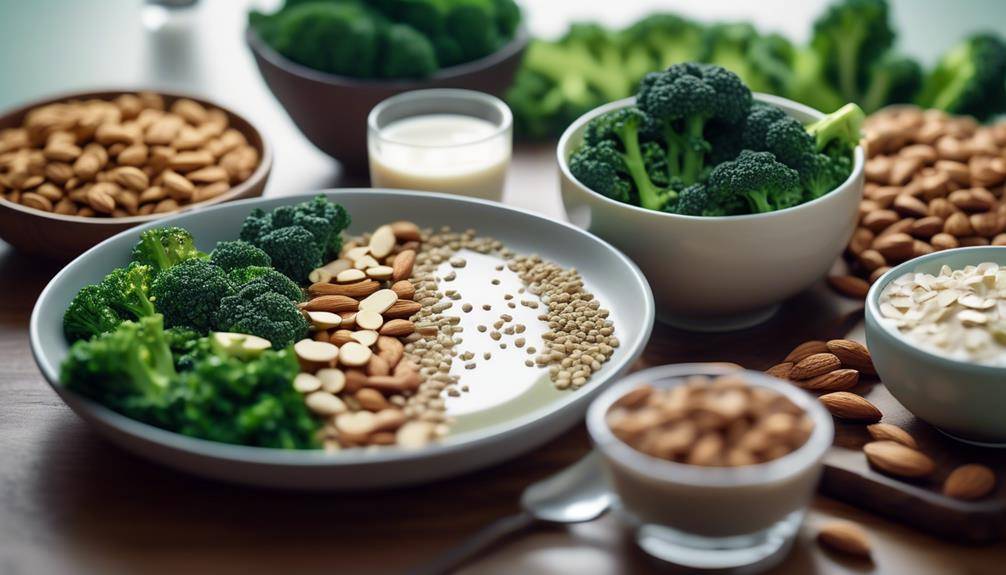
One excellent source of calcium is leafy green vegetables such as kale, collard greens, and broccoli. These vegetables not only provide calcium but also offer other essential nutrients. Additionally, fortified plant-based milk alternatives, like soy milk or almond milk, can be great sources of calcium. Look for brands that specifically state they are fortified with calcium to ensure you are getting an adequate amount.
Another tip to maximize calcium absorption is to pair calcium-rich foods with vitamin D. This vitamin helps your body absorb and utilize calcium more effectively. You can find vitamin D in sunlight, so spending time outdoors can be beneficial. However, if you have limited sun exposure, you can also obtain vitamin D from fortified plant-based milk alternatives or vitamin D supplements.
In addition to plant-based sources, there are also calcium-rich alternatives to dairy products such as tofu, tempeh, and fortified plant-based yogurt. These options can be easily incorporated into your meals and snacks to boost your calcium intake.
Remember to prioritize variety in your diet to ensure you are getting a wide range of nutrients. By incorporating these calcium-rich alternatives and following calcium absorption tips, you can easily meet your calcium needs on a vegan diet.
Vitamin B12 Supplementation for Vegan Seniors
Supplementing with vitamin B12 is essential for vegan seniors to ensure they meet their nutritional needs. As we age, our bodies become less efficient at absorbing nutrients, making it even more important for vegan seniors to pay attention to their nutrient intake. Here are four important points to consider regarding vitamin B12 supplementation for vegan seniors:
- Nutrient deficiencies: Plant-based diets can be lacking in certain nutrients, and vitamin B12 is one of them. This nutrient is primarily found in animal-based foods, making it necessary for vegans to supplement.
- Dietary recommendations: The recommended intake of vitamin B12 for seniors is 2.4 micrograms per day. This can be achieved through fortified foods or supplements. It’s important to consult with a healthcare professional to determine the right dosage for you.
- Healthy aging: Vitamin B12 is crucial for healthy aging as it supports nerve function and the production of red blood cells. By supplementing with vitamin B12, vegan seniors can maintain their overall health and well-being.
- Expert guidance: It’s always a good idea to seek personalized nutrition advice from a registered dietitian or healthcare professional. They can help you develop a meal plan that ensures you’re meeting your vitamin B12 needs while following a plant-based diet.
Iron Sources for Vegan Seniors
If you’re a vegan senior, it’s important to know which plant-based foods are rich in iron to meet your nutritional needs. Some iron-rich options include legumes, tofu, spinach, and fortified cereals. To enhance iron absorption, you can pair these foods with vitamin C-rich sources like citrus fruits or peppers. If you’re concerned about meeting your iron requirements through diet alone, you can also consider iron supplementation options.
Plant-Based Iron-Rich Foods
To ensure optimal iron intake, vegan seniors can incorporate a variety of plant-based foods into their diet. Here are four iron-rich options to consider:
- Legumes: Beans, lentils, and chickpeas are excellent sources of iron. They can be added to soups, stews, salads, or made into delicious spreads like hummus.
- Leafy greens: Spinach, kale, and Swiss chard are not only rich in iron but also packed with other essential nutrients. Include them in salads, smoothies, or sauté them as a side dish.
- Nuts and seeds: Almonds, pumpkin seeds, and cashews are great sources of iron. They can be enjoyed as a snack, sprinkled on salads, or used as a topping for oatmeal and yogurt.
- Whole grains: Quinoa, brown rice, and oats contain iron and provide a good amount of fiber. Incorporate them into your meals as a side dish or use them as the base for grain bowls or stir-fries.
Including these plant-based iron-rich foods in your diet can help meet your nutritional needs and support overall health in your senior years.
Iron Absorption Tips
When ensuring optimal iron intake on a vegan diet, it is important for seniors to consider iron absorption tips to maximize the benefits from their plant-based iron sources. While plant-based iron sources can provide the necessary nutrient, it is essential to enhance iron absorption. One tip is to consume iron-rich foods alongside vitamin C-rich foods, as vitamin C helps enhance iron absorption. Examples of vitamin C-rich foods include citrus fruits, strawberries, and bell peppers.
Another tip is to avoid consuming calcium-rich foods and beverages, such as dairy products and calcium-fortified drinks, at the same time as iron-rich foods, as calcium can inhibit iron absorption. Additionally, soaking and cooking plant-based iron sources can also help improve iron absorption. By following these iron absorption tips, seniors can ensure they are getting the most out of their plant-based iron-rich foods.
Iron Supplementation Options
Iron supplementation options for vegan seniors include a variety of plant-based sources to ensure optimal nutrient intake. It is important for seniors to maintain adequate iron levels to prevent anemia and support overall health. Here are four vegan iron supplementation options to consider:
- Legumes: Foods like lentils, chickpeas, and black beans are rich in iron and can easily be incorporated into meals.
- Nuts and seeds: Almonds, pumpkin seeds, and hemp seeds are good sources of iron and can be added to salads, smoothies, or enjoyed as a snack.
- Whole grains: Quinoa, brown rice, and fortified cereals are iron-rich options that provide additional nutrients like fiber and B vitamins.
- Leafy greens: Spinach, kale, and Swiss chard are packed with iron and can be enjoyed in salads, stir-fries, or as a side dish.
In addition to these food sources, vegan iron supplements are available for those who may need an extra boost. It is recommended to consult with a healthcare professional to determine the appropriate dosage and duration of supplementation.
Omega-3 Fatty Acid Sources for Seniors on a Vegan Diet
In order to meet their nutritional needs, seniors on a vegan diet can find ample sources of omega-3 fatty acids from plant-based foods. While omega-3 supplements are available, it is always best to obtain nutrients from whole foods whenever possible. Fortunately, there are several vegan omega-3 sources that can provide seniors with the necessary nutrients for optimal health.
One of the most well-known plant-based sources of omega-3 fatty acids is flaxseed. Flaxseeds are rich in alpha-linolenic acid (ALA), which is a type of omega-3 fatty acid. Seniors can incorporate ground flaxseeds into their diet by sprinkling them on oatmeal or adding them to smoothies. Chia seeds are another excellent option, as they contain both omega-3 and omega-6 fatty acids. These tiny seeds can be added to yogurt, cereal, or even used as an egg substitute in baking.
Walnuts are not only a tasty snack but also a great source of omega-3 fatty acids. Seniors can enjoy a handful of walnuts as a snack or incorporate them into salads, stir-fries, or baked goods. Hemp seeds are also a good choice, as they contain a balanced ratio of omega-3 and omega-6 fatty acids. These seeds can be sprinkled on top of salads, yogurt, or blended into smoothies for an added nutritional boost.
Seaweed and algae are unique sources of omega-3 fatty acids, particularly eicosapentaenoic acid (EPA) and docosahexaenoic acid (DHA). Seniors can find these nutrients in products like nori sheets, spirulina, or chlorella. Adding seaweed to homemade sushi rolls or incorporating algae into smoothies can be a delicious and nutritious way to meet omega-3 needs.
Fiber-Rich Foods for Digestive Health in Vegan Seniors
To maintain digestive health, it’s important for vegan seniors to consume a fiber-rich diet. Fiber can be found in a variety of plant-based foods such as fruits, vegetables, whole grains, legumes, and nuts. A diet high in fiber offers numerous benefits, including promoting regular bowel movements, preventing constipation, and reducing the risk of developing chronic diseases like heart disease and diabetes.
Importance of Fiber
Fiber-rich foods play a crucial role in maintaining optimal digestive health for vegan seniors. As you age, your digestive system may become less efficient, making it important to prioritize fiber intake to support gut health. Here are four key reasons why fiber is essential for seniors on a vegan diet:
- Improved digestion: Fiber adds bulk to your stool, helping to regulate bowel movements and prevent constipation, a common issue in older adults.
- Lowered risk of heart disease: Soluble fiber found in foods like oats, beans, and fruits has been shown to reduce cholesterol levels and promote heart health.
- Blood sugar control: High-fiber foods help slow down the absorption of sugar, preventing spikes in blood glucose levels and supporting diabetes management.
- Weight management: Fiber-rich foods tend to be more filling, which can help seniors maintain a healthy weight and prevent overeating.
Sources of Dietary Fiber
For optimal digestive health, vegan seniors can incorporate a variety of fiber-rich foods into their diet. Sources of dietary fiber include fruits, vegetables, whole grains, legumes, nuts, and seeds. These foods are not only rich in fiber but also provide essential nutrients such as vitamins, minerals, and antioxidants. Consuming a fiber-rich diet offers numerous benefits for seniors.
Firstly, it promotes regular bowel movements and prevents constipation, a common issue among older adults. Secondly, fiber helps to maintain a healthy weight by increasing satiety and reducing the risk of overeating. Additionally, a high-fiber diet can lower cholesterol levels and decrease the risk of heart disease. Lastly, fiber-rich foods support a healthy gut microbiome, contributing to overall digestive health. Incorporating these fiber-rich foods into a vegan diet can provide seniors with the necessary nutrients for optimal digestive function.
Benefits of Fiber-Rich Diet
Incorporating a variety of fiber-rich foods into your vegan diet can offer numerous benefits for digestive health as a senior. Here are four reasons why a fiber-rich diet is beneficial for you:
- Weight Loss: A fiber-rich diet can help you maintain a healthy weight or even shed some pounds. High-fiber foods are often low in calories and can keep you feeling full for longer, reducing the chances of overeating.
- Heart Health: Fiber plays a crucial role in maintaining a healthy heart. It helps lower cholesterol levels by binding to cholesterol and removing it from the body. By reducing cholesterol, fiber-rich foods can also help lower the risk of heart disease and stroke.
- Improved Digestion: Fiber acts as a natural laxative, promoting regular bowel movements and preventing constipation. It adds bulk to the stool, making it easier to pass through the digestive system.
- Blood Sugar Control: Fiber slows down the absorption of sugar in the bloodstream, preventing spikes in blood sugar levels. This is especially important for seniors with diabetes or those at risk of developing it.
Maintaining Healthy Bones on a Vegan Diet
To maintain strong and healthy bones on a vegan diet, it is important to ensure you are getting adequate amounts of essential nutrients. While a vegan diet can provide many health benefits, including reduced risk of heart disease and certain types of cancer, it may require some additional attention to ensure proper bone health.
One key nutrient for bone health is calcium. Many people associate calcium with dairy products, but there are plenty of plant-based sources of this essential mineral. Foods such as kale, broccoli, tofu, and fortified plant-based milks are all excellent sources of calcium. Aim to include these foods in your daily meals to meet your calcium needs.
Vitamin D is another important nutrient for bone health, as it helps the body absorb and utilize calcium. While the sun is a natural source of vitamin D, it can be challenging to get enough sunlight, especially for seniors. Therefore, it is crucial to include vitamin D-rich foods in your diet, such as fortified plant-based milks, mushrooms, and fortified cereals. If necessary, consider taking a vitamin D supplement to ensure adequate intake.
In addition to calcium and vitamin D, it is important to pay attention to other nutrients that support bone health, such as magnesium, phosphorus, and vitamin K. Foods like almonds, lentils, quinoa, and leafy greens are good sources of these nutrients.
Lastly, regular physical activity is essential for maintaining healthy bones and joints. Engage in weight-bearing exercises like walking, dancing, or yoga to help strengthen your bones and improve joint health.
Managing Blood Sugar Levels for Vegan Seniors
Managing blood sugar levels is crucial for vegan seniors to maintain optimal health and prevent complications associated with diabetes. Following a vegan diet can provide numerous health benefits, but it is important to pay attention to blood sugar management. Here are four key strategies to help you effectively manage your blood sugar levels on a vegan diet:
- Eat a balanced diet: Focus on consuming a variety of nutrient-dense foods that are low in added sugars and refined carbohydrates. Include plenty of non-starchy vegetables, whole grains, legumes, and healthy fats in your meals. These foods have a lower glycemic index, meaning they cause a slower rise in blood sugar levels.
- Monitor carbohydrate intake: While carbohydrates are an essential part of a vegan diet, it is important to be mindful of the quantity and quality of carbs you consume. Opt for complex carbohydrates that are high in fiber, such as quinoa, brown rice, and sweet potatoes. These foods digest more slowly, preventing spikes in blood sugar levels.
- Incorporate protein and healthy fats: Including protein-rich foods, such as tofu, tempeh, and beans, in your meals can help regulate blood sugar levels. Additionally, consuming healthy fats from sources like avocados, nuts, and seeds can slow down the absorption of sugars into the bloodstream.
- Stay hydrated: Drinking enough water is essential for maintaining proper blood sugar levels. Dehydration can lead to higher blood sugar levels, so aim to drink at least 8 cups of water per day.
Antioxidant-Rich Foods for Seniors on a Vegan Diet
When considering the nutritional needs of vegan seniors, it is essential to explore the benefits of incorporating antioxidant-rich foods into their diet. Antioxidants are substances that help protect cells from damage caused by harmful molecules called free radicals. As we age, our bodies become more susceptible to oxidative stress, which can lead to chronic diseases and accelerated aging. Fortunately, there are many delicious and nutritious antioxidant-rich foods that seniors on a vegan diet can enjoy.
One simple and convenient way to consume antioxidants is through smoothies. By blending together antioxidant-rich fruits and vegetables, you can create a tasty and nutrient-packed beverage. Try making a smoothie using berries like blueberries, raspberries, or strawberries, which are all excellent sources of antioxidants. You can also add spinach or kale for an extra dose of antioxidants and other beneficial nutrients. To make a vegan smoothie even more antioxidant-rich, consider adding a spoonful of chia seeds or ground flaxseeds, which are high in antioxidants and omega-3 fatty acids.
In addition to smoothies, there are various cooking techniques that can help preserve the nutrients in vegan meals. One such technique is steaming, which involves cooking food over boiling water. Steaming vegetables like broccoli, carrots, and bell peppers helps retain their antioxidant content while maintaining their texture and flavor. Another technique is stir-frying, which involves quickly cooking vegetables in a small amount of oil over high heat. This method allows the vegetables to retain their antioxidants while adding a delicious charred flavor.
Incorporating antioxidant-rich foods into a vegan diet is crucial for seniors as they provide a range of health benefits. By including antioxidant-rich smoothies and utilizing cooking techniques that preserve nutrients, seniors can ensure that they are meeting their nutritional needs while enjoying delicious and nourishing meals.
Hydration Tips for Vegan Seniors
Staying properly hydrated is essential for vegan seniors to support overall health and well-being. Adequate hydration plays a vital role in maintaining optimal body functions, including digestion, circulation, and temperature regulation. As a vegan senior, it is crucial to prioritize hydration to ensure your body operates at its best. Here are four hydration tips to help you stay hydrated:
- Drink enough water: Water is the best way to stay hydrated. Aim to drink at least eight 8-ounce glasses of water each day. Carry a water bottle with you throughout the day as a reminder to drink regularly.
- Include hydrating foods in your diet: In addition to drinking water, you can also increase your hydration levels by consuming foods with high water content. Fruits like watermelon, strawberries, and oranges, as well as vegetables like cucumbers and lettuce, are excellent choices.
- Limit dehydrating beverages: Certain beverages, such as caffeinated drinks and alcohol, can have a diuretic effect, increasing urine production and leading to dehydration. Limit your intake of these beverages and opt for hydrating alternatives like herbal tea or infused water.
- Monitor your urine color: Checking the color of your urine is an easy way to assess your hydration levels. Ideally, your urine should be pale yellow or clear. If it appears dark yellow or amber, it may indicate dehydration, and you should increase your fluid intake.
Meal Planning for Optimal Nutrition in Vegan Seniors
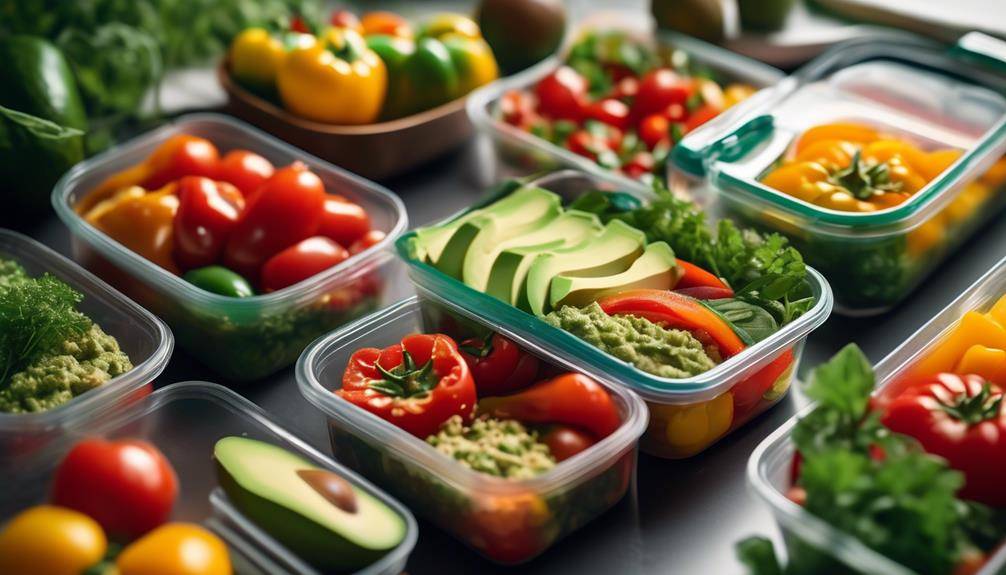
To ensure optimal nutrition for vegan seniors, it is important to carefully plan meals that meet their specific dietary needs. Meal planning plays a crucial role in providing the necessary nutrients for seniors following a vegan diet. As individuals age, their nutritional requirements may change, and it becomes even more important to ensure they are receiving adequate amounts of essential nutrients.
When planning meals for vegan seniors, it is essential to include a variety of plant-based protein sources such as legumes, tofu, tempeh, and seitan. These foods are rich in protein, which is important for muscle maintenance and repair. Additionally, including a variety of fruits, vegetables, whole grains, and nuts can provide a wide range of vitamins, minerals, and antioxidants.
Calcium and vitamin D are also crucial for seniors’ bone health. While dairy products are not consumed in a vegan diet, calcium can be obtained from fortified plant-based milk alternatives, tofu, and leafy green vegetables. Vitamin D, which aids in calcium absorption, can be obtained through exposure to sunlight or by consuming fortified plant-based foods.
Furthermore, omega-3 fatty acids play a vital role in heart health and brain function. Vegan sources of omega-3 fatty acids include flaxseeds, chia seeds, walnuts, and hemp seeds. Including these foods in meals can help meet the nutritional requirements of vegan seniors.
Consulting With a Healthcare Professional for Personalized Advice
To ensure you meet your nutritional needs on a vegan diet as a senior, it is important to consult with a healthcare professional for personalized advice. They can provide expert guidance and tailored recommendations based on your specific health concerns, dietary preferences, and lifestyle. By seeking their professional input, you can make informed decisions about your diet and ensure that you are getting all the necessary nutrients to support your overall health and well-being.
Expert Guidance for Seniors
Consider consulting with a healthcare professional to receive personalized advice on following a vegan diet as a senior. Here are four reasons why seeking expert guidance can be beneficial for seniors:
- Addressing dietary restrictions: Seniors often have specific dietary restrictions due to health conditions or medications. A healthcare professional can help tailor a vegan diet that meets nutritional needs while considering these restrictions.
- Managing vegan lifestyle challenges: Following a vegan lifestyle may pose challenges for seniors, such as meeting nutrient requirements or finding suitable food options. An expert can offer practical strategies and solutions to overcome these obstacles.
- Preventing nutrient deficiencies: Seniors may be at higher risk of nutrient deficiencies due to age-related changes in metabolism and nutrient absorption. A healthcare professional can assess nutrient intake and recommend appropriate supplements if needed.
- Monitoring health outcomes: Regular consultation with a healthcare professional allows for monitoring of health outcomes and adjustments to the vegan diet as necessary. This ensures that seniors maintain optimal health while following a vegan lifestyle.
Tailored Nutritional Recommendations
Seeking personalized advice from a healthcare professional can ensure that seniors receive tailored nutritional recommendations for following a vegan diet. While general guidelines for a vegan diet exist, individual needs may vary due to factors such as age, health conditions, and medication use. Consulting with a healthcare professional, such as a registered dietitian or nutritionist, can help seniors create tailored meal plans that meet their specific nutritional needs.
These professionals have the knowledge and expertise to provide evidence-based recommendations on how to obtain essential nutrients from plant-based sources while avoiding deficiencies. Nutritional counseling sessions can also address any concerns or questions seniors may have about transitioning to a vegan diet. By working closely with a healthcare professional, seniors can optimize their nutritional intake and maintain their health and well-being on a vegan diet.
Frequently Asked Questions: Vegan Diet Nutritional Needs for Seniors
Can a Vegan Diet Provide Enough Calories for Seniors?
A vegan diet can provide enough calories for seniors. It is important to ensure a balanced nutrition by incorporating plant-based protein sources, whole grains, fruits, and vegetables into your meals.
What Are Some Vegan Sources of Vitamin D for Seniors?
To ensure you’re getting enough vitamin D on a vegan diet, seniors can rely on fortified plant-based milk, fortified cereals, and mushrooms exposed to sunlight. These sources are essential for bone health.
How Can Seniors on a Vegan Diet Ensure They Are Getting Enough Zinc?
To meet zinc needs on a vegan diet, seniors must ensure nutritional balance. Incorporate zinc-rich foods like legumes, whole grains, nuts, and seeds. Consider fortified foods or supplements if necessary. Consult a healthcare professional for personalized guidance.
Are There Any Vegan Alternatives to Fish Oil for Omega-3 Fatty Acids?
Plant based omega 3 supplements, like algae oil or flaxseeds, can be alternatives to fish oil for seniors on a vegan diet. These options provide the necessary omega-3 fatty acids without compromising their dietary choices.
What Are Some Vegan Options for Seniors Who Have Difficulty Chewing or Swallowing?
If you have difficulty chewing or swallowing, there are soft vegan options available. Try pureed soups, mashed vegetables, or smoothies. For swallowing difficulties, consider vegan meal alternatives like pureed tofu, lentil soup, or vegan protein shakes.

Conclusion
In conclusion, a vegan diet can meet the nutritional needs of seniors by ensuring they consume essential nutrients such as protein, calcium, vitamin B12, and antioxidants. It is important for seniors to consult with a healthcare professional for personalized advice and meal planning to ensure they are getting optimal nutrition. By following these guidelines, seniors can maintain a healthy and balanced vegan diet that supports their overall well-being.