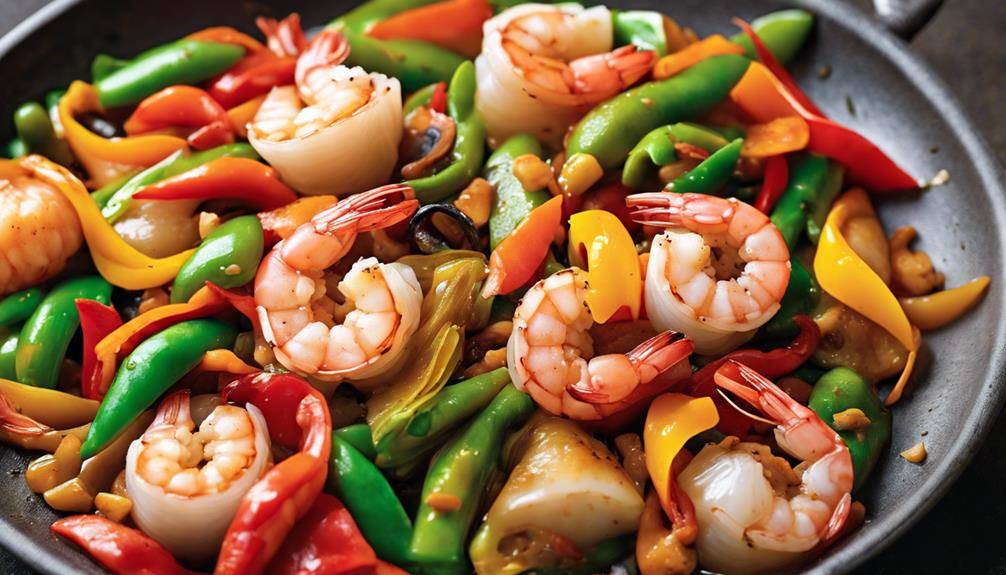
Stir-Frying Vegetables Without Losing Nutrients
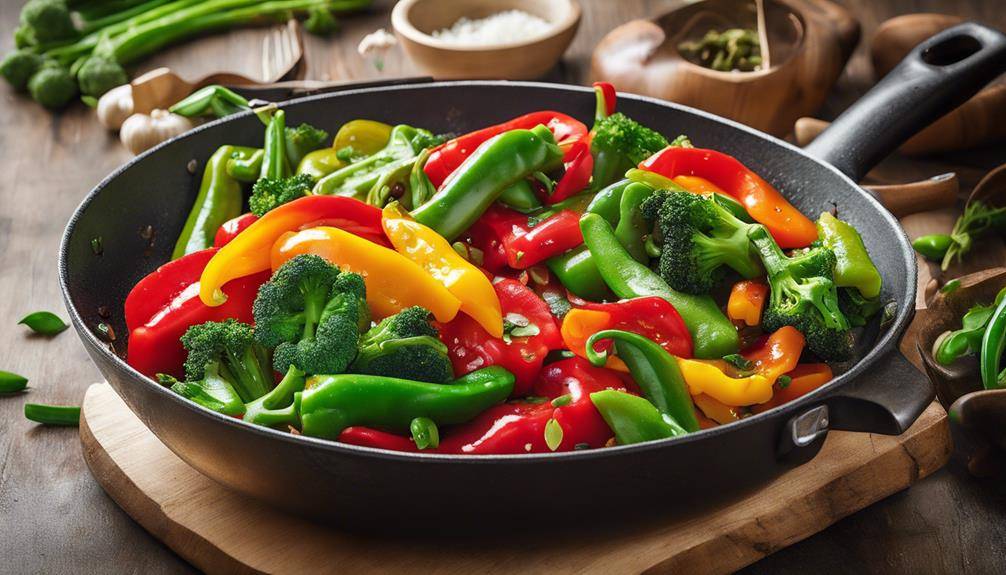
Stir-Frying Vegetables Without Losing Nutrients: To stir-fry vegetables without losing nutrients, keep your cooking time short and your heat high. Use a wok or skillet preheated to around 350°F to 400°F, and choose oils with high smoke points like canola or avocado. Cut vegetables uniformly for even cooking, and stir continuously to prevent burning. Start with sturdier veggies and add leafy greens later, cooking for only 1-2 minutes. Opt for seasonal and colorful vegetables to maximize nutrient retention and flavor. Simple enhancements, like fresh herbs and citrus, can elevate your dish. Stick around to uncover more tips and techniques for nutritious stir-frying!
Click Here and Turn Every Masterpiece into a Showstopper!
Understanding Nutrient Retention
When you stir-fry vegetables, understanding nutrient retention is crucial for maximizing their health benefits. Stir-frying is a quick cooking method that can help preserve the nutrient profiles of many vegetables. However, the effectiveness of this technique depends on how you approach it.
First, consider the cooking time. The longer you cook vegetables, the more nutrients they lose. In stir-frying, you should aim for high heat and short cooking durations. This method helps retain water-soluble vitamins, like vitamin C and some B vitamins, that can degrade with prolonged exposure to heat. By keeping the cooking time minimal, you guarantee that your veggies maintain their vibrant colors and crunchy textures, indicating that they're still packed with nutrients.
Another factor to keep in mind is the type of fat you use. Healthy oils, such as olive or avocado oil, not only enhance flavor but also support nutrient absorption. Some nutrients, like vitamins A, D, E, and K, are fat-soluble, meaning they require fat for best absorption. So, don't shy away from adding a drizzle of oil to your stir-fry.
Choosing the Right Vegetables
Choosing the right vegetables for your stir-fry can greatly impact both flavor and nutritional value. When selecting vegetables, aim for seasonal vegetables, as they're typically fresher and packed with nutrients. Seasonal produce not only tastes better, but it often retains more vitamins and minerals, giving you the best bang for your buck regarding health benefits.
Incorporating a color variety in your stir-fry isn't just visually appealing; it also guarantees you're getting a wider range of nutrients. Different colors often represent different phytonutrients and vitamins, so mix in vibrant reds, greens, yellows, and purples. For instance, bell peppers add a sweet crunch and are rich in vitamin C, while dark leafy greens like bok choy are excellent sources of vitamins A and K.
Don't forget about texture, too! Combine crunchy vegetables like carrots and snow peas with softer ones like mushrooms or zucchini. This contrast not only enhances the eating experience but also encourages you to enjoy a diverse range of nutrients.
When shopping, consider what's in season at your local farmers' market or grocery store. Not only will you be supporting local agriculture, but you'll also be choosing vegetables that are at their peak flavor and nutritional value. So, the next time you plan a stir-fry, remember to fill your basket with seasonal vegetables and a colorful array for a delicious and nutritious meal.
Essential Stir-Frying Techniques
After you've picked out your seasonal and colorful vegetables, it's time to focus on how to cook them to maximize flavor and texture. One of the key techniques in stir-frying is temperature control. You want your pan to be hot enough to sear the vegetables quickly, locking in their nutrients and vibrant colors. Preheat your wok or skillet over medium-high heat for a few minutes before adding any oil.
Next, oil selection plays a vital role. Choose oils with high smoke points, like canola, peanut, or grapeseed oil. These oils can withstand high heat without breaking down, guaranteeing your vegetables cook evenly and maintain their crunch. Once your oil is shimmering, it's time to add your vegetables.
Make certain you cut your vegetables into uniform sizes to guarantee even cooking, and don't overcrowd the pan. If you add too many veggies at once, the temperature will drop, resulting in steaming rather than stir-frying. Instead, cook in batches if necessary.
Stir the vegetables continuously to promote even cooking and prevent burning. Use a spatula to toss them around the pan, allowing them to make contact with the hot surface. This method enhances their flavor while keeping nutrients intact. Remember, the goal is to achieve that perfect balance of tenderness and crispness without overcooking. With these essential techniques, you'll stir-fry like a pro and enjoy delicious, nutrient-rich vegetables every time!
Click Here and Turn Every Masterpiece into a Showstopper!
Optimal Cooking Times
To achieve the best results in stir-frying, understanding ideal cooking times for different vegetables is vital. Each vegetable has its own best cooking time, which helps retain nutrients and texture. For instance, leafy greens like spinach or bok choy typically need just 1 to 2 minutes. These quick cooking times help preserve their vibrant color and nutritional value.
On the other hand, sturdier vegetables like carrots, bell peppers, and broccoli require a bit longer—around 3 to 5 minutes. It's essential to cut these veggies into uniform sizes to guarantee even cooking. When you stir-fry, aim for ideal temperatures around 350°F to 400°F (175°C to 200°C). This high heat allows for quick cooking, preventing the vegetables from becoming mushy and losing their nutrients.
Don't forget about timing when you add your vegetables to the pan. Start with the ones that take longer to cook, like carrots and broccoli, and then add quicker-cooking items, such as snap peas or zucchini. This method guarantees everything finishes cooking at the same time without overcooking any ingredients.
Remember to keep an eye on your stir-fry as it cooks; it's easy for the vegetables to go from perfectly crisp to overdone in just a minute. By mastering these best cooking times, you'll create delicious, nutrient-packed dishes that are both satisfying and healthy.
Flavor Enhancements Without Compromise
Enhancing the flavor of your stir-fried vegetables doesn't have to mean sacrificing health or freshness. You can elevate your dish while keeping it nutritious by using clever flavor enhancements. One of the best ways to do this is through herb infusions. Fresh herbs like basil, cilantro, or mint can add a vibrant kick without any extra calories. Simply toss in a handful of chopped herbs at the end of cooking, and you'll infuse your vegetables with aromatic goodness.
Another effective method is to experiment with sauce pairings. Instead of heavy sauces that can weigh down your meal, opt for lighter options like a splash of low-sodium soy sauce or a homemade garlic-ginger sauce. These not only enhance the natural flavors of your veggies but also keep them full of nutrients. You can create a simple sauce by mixing a bit of sesame oil, lime juice, and crushed garlic. This combination provides a revitalizing taste that complements your stir-fry perfectly.
Furthermore, consider using citrus zests or juice for an added burst of flavor. A squeeze of lemon or lime right before serving can brighten your dish and enhance the overall taste profile. Remember, the key is to keep it simple yet effective. By incorporating herb infusions and smart sauce pairings, you can create delicious stir-fried vegetables that are both flavorful and nutritious. Embrace these techniques, and you'll enjoy meals that satisfy your taste buds without compromising on health.
Click Here and Turn Every Masterpiece into a Showstopper!
Frequently Asked Questions: Stir-Frying Vegetables Without Losing Nutrients
Can I Stir-Fry Frozen Vegetables Without Losing Nutrients?
Yes, you can stir-fry frozen vegetables without losing nutrients. Their nutrient preservation is often high, as they're quickly frozen after harvesting. Plus, frozen vegetable benefits include convenience and longer shelf life, making them an excellent choice.
What Oils Are Best for Nutrient Retention During Stir-Frying?
When choosing oil types for stir-frying, you want oils with high smoke points, like avocado or grapeseed oil. These maintain nutrient stability, ensuring your vegetables retain essential vitamins while cooking at high temperatures.
Does the Order of Adding Vegetables Affect Nutrient Loss?
Yes, the order you add vegetables does affect nutrient loss. Using different cooking techniques can enhance nutrient preservation. Start with denser vegetables, then add quicker-cooking ones to maintain their vitamins and minerals effectively.
Are There Specific Vegetables Better Suited for Stir-Frying?
When you explore stir fry techniques, consider vibrant vegetable combinations like bell peppers, broccoli, and snap peas. These veggies not only enhance flavor but also retain their crunch and nutritional value, making your dish delightful and healthy.
How Can I Incorporate Herbs Without Compromising Nutrient Integrity?
To incorporate herbs without compromising nutrient integrity, focus on herb selection that complements your dish. Use gentle cooking techniques, like adding herbs towards the end, ensuring they retain their flavors and health benefits. Enjoy vibrant, nutritious meals!

Conclusion
By following these tips, you can stir-fry vegetables while keeping their nutrients intact. Choose the right veggies, master essential techniques, and pay attention to cooking times for the best results. Don't forget to enhance flavors without compromising nutrition. With these strategies, you'll enjoy delicious, vibrant dishes that not only taste great but also provide the health benefits you need. So go ahead, fire up that wok and start cooking your colorful, nutrient-rich stir-fry!