Affordable Vegetarian Cooking A Comprehensive Guide
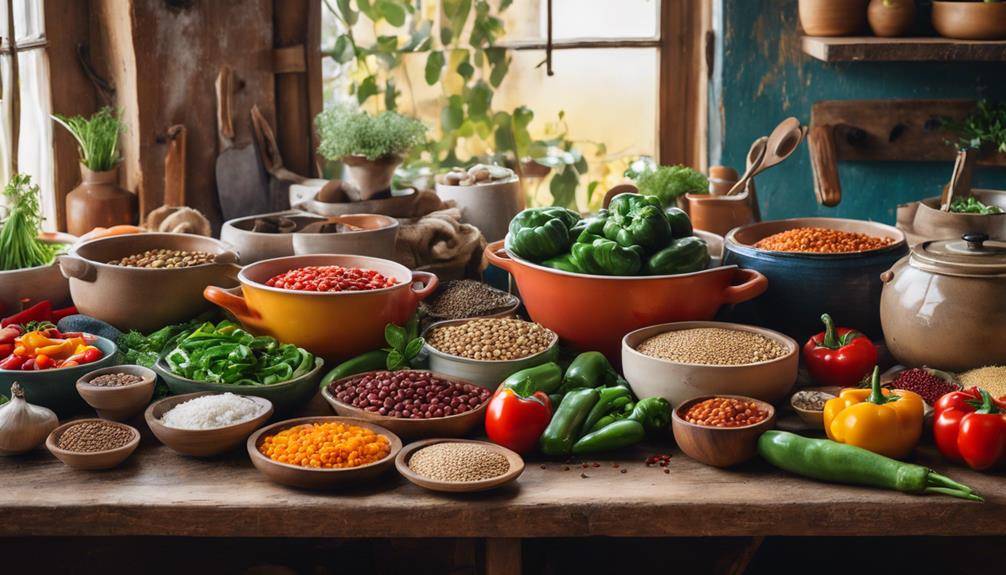
Vegetarian Cooking A Comprehensive Guide; Affordable vegetarian cooking lets you enjoy flavorful meals while sticking to a budget. By planning your meals for the week, you can save time and minimize waste. Stock up on inexpensive staples like legumes, grains, and seasonal vegetables to create nutritious dishes without overspending. Master simple cooking techniques to enhance flavors and maximize the nutritional value of your food. Don’t forget to get creative with leftovers, transforming them into new meals. With the right strategies and tips, you can enjoy a healthy, satisfying vegetarian lifestyle. You’ll discover plenty of inspiration and resources to elevate your cooking journey.
Understanding Vegetarianism
Vegetarianism isn’t just a diet; it’s a lifestyle choice that many people embrace for various reasons. You might find that vegetarian ethics play a significant role in your decision. Many individuals opt for vegetarianism to avoid contributing to animal suffering or to promote environmental sustainability. By choosing plant-based foods, you’re often aligning your meals with your values, reflecting a commitment to a more humane and eco-friendly world.
Cultural influences can also shape your understanding of vegetarianism. Different cultures have diverse attitudes toward food, which can lead to varying interpretations of what it means to be vegetarian. For instance, in India, vegetarianism is often linked to religious beliefs and practices, while in Western countries, it might be associated more with health or ethical concerns. You may find that exploring these cultural perspectives enriches your understanding and appreciation of vegetarianism.
As you navigate this lifestyle, it’s crucial to reflect on how these ethical and cultural factors influence your choices. You’ll likely discover that your reasons for adopting vegetarianism can evolve over time. Whether it’s ethical considerations or cultural traditions, these elements can deepen your connection to the food you eat. Embracing vegetarianism allows you to create a personal philosophy around food that resonates with your beliefs and experiences, making your journey all the more meaningful.
Benefits of Vegetarian Cooking
When you embrace vegetarian cooking, you’re not just making a meal choice; you’re also boosting your health, helping the environment, and saving money. Eating more plant-based meals can lead to better nutrition and lower health risks. Plus, you’ll find plenty of budget-friendly options that don’t compromise on flavor or satisfaction.
Health Benefits Overview
Embracing a vegetarian lifestyle can lead to numerous health benefits that enhance your overall well-being. By focusing on plant-based foods, you’re likely to increase your nutritional diversity, which means a broader range of vitamins, minerals, and antioxidants. This variety can help support your immune system, reduce inflammation, and promote better digestion.
Incorporating various cooking techniques, like steaming, roasting, and sautéing, allows you to prepare vegetables and legumes in delicious ways while preserving their nutrients. By exploring different cuisines, you can discover new flavors and textures, making meals not only healthier but also enjoyable.
Research indicates that a vegetarian diet can lower the risk of chronic diseases, such as heart disease, diabetes, and certain cancers. You’ll often find that plant-based diets are lower in saturated fats and cholesterol, which contributes to better heart health.
Additionally, many people experience weight loss or maintenance when switching to vegetarian cooking, thanks to the abundance of fiber-rich foods that keep you feeling full longer. Overall, adopting a vegetarian lifestyle can greatly improve your health, giving you more energy and liveliness in your daily life.
Environmental Impact Considerations
Choosing a vegetarian diet not only boosts your health but also contributes positively to the environment. By opting for plant-based diets, you’re playing an essential role in reducing your carbon footprint. Livestock farming is a major source of greenhouse gas emissions, and changing to vegetarianism helps mitigate climate change.
Sustainable farming practices are integral to this change. When you choose locally sourced fruits, vegetables, and grains, you support farmers who prioritize eco-friendly methods over industrial agriculture. This not only preserves biodiversity but also reduces the excessive use of water and land resources.
Moreover, plant-based diets require considerably less energy and resources compared to meat production. For instance, it takes far less water to grow crops than to raise animals for food. By embracing vegetarian cooking, you’re making a conscious choice that benefits both your body and the planet.
Every meal you prepare is an opportunity to promote sustainability. So, as you explore affordable vegetarian options, remember that each bite contributes to a greener future. You’re not just feeding yourself; you’re nurturing the Earth and helping to create a more sustainable world.
Budget-Friendly Meal Options
With the rising cost of groceries, vegetarian cooking offers a wallet-friendly solution without sacrificing flavor or nutrition. By focusing on plant-based ingredients, you can create delicious meals that fit your budget. Start by planning your meals for the week—meal prep is essential for saving both time and money. When you prepare your meals in advance, you’re less likely to splurge on takeout or waste food.
One of the best strategies is to utilize ingredient substitutions. For example, swap out expensive proteins like chicken or beef with affordable legumes such as beans, lentils, or chickpeas. These ingredients not only lower costs but also boost your meals with fiber and protein. Seasonal vegetables are another great way to save money; they’re often cheaper and taste better when they’re in season.
Don’t forget about grains like rice, quinoa, or pasta, which can serve as a filling base for your dishes. By getting creative with your meal prep and making smart ingredient substitutions, you can enjoy a variety of flavorful vegetarian meals without breaking the bank. Embrace the budget-friendly options available to you and enjoy the benefits of vegetarian cooking!
Budget-Friendly Ingredients
Finding budget-friendly ingredients is essential for anyone looking to cook affordable vegetarian meals without sacrificing taste. Start by stocking up on inexpensive legumes like lentils and chickpeas. They’re not only rich in protein but also versatile enough to be used in salads, soups, or curries. Next, consider versatile grains like rice, quinoa, and barley. These grains serve as hearty bases for your dishes and can be easily paired with a variety of ingredients.
Don’t forget to buy seasonal vegetables. They’re typically cheaper and taste better when they’re at their peak. Visiting local markets can help you score great deals on fresh produce. If you can’t consume everything right away, frozen produce is an excellent alternative; it retains nutrients and is often more affordable than fresh options.
Keep your pantry stocked with staples like canned tomatoes, vegetable broth, and bulk spices. These items not only extend the shelf life of your meals but also enhance flavors without breaking the bank. Affordable dairy products, such as yogurt and cheese, can serve as good protein sources while adding creaminess to your dishes.
Lastly, explore plant-based proteins like tofu and tempeh. They’re budget-friendly and can be incorporated into various recipes for added nutrition. By focusing on these ingredients, you’ll find it easier to whip up delicious vegetarian meals that fit your budget.
Meal Planning Strategies
Meal planning is a game changer for affordable vegetarian cooking. By creating a weekly menu and incorporating budget-friendly ingredients, you can save both time and money. Plus, batch cooking helps you make the most of your efforts, ensuring you always have nutritious meals on hand.
Weekly Menu Ideas
As you plan your week ahead, creating a vegetarian menu can streamline your grocery shopping and cooking efforts. Start by brainstorming family favorites, ensuring everyone’s happy with the meals. Incorporate seasonal themes to take advantage of fresh produce, which can enhance flavors and nutrition.
For your main dishes, focus on plant-based proteins like lentils, chickpeas, and tofu. You can easily whip up quick snacks, like hummus and veggie sticks, to keep everyone satisfied between meals. Don’t forget to explore international dishes—think spicy curry or vibrant stir-fries—to keep things exciting.
Plan for festive recipes on weekends or special occasions, allowing you to enjoy the cooking process without feeling rushed. Finally, save room for budget desserts, like fruit crisps or yogurt parfaits, to satisfy your sweet tooth without breaking the bank.
With a structured menu, you’ll reduce food waste and make the most of your ingredients. Remember, meal prep is key! Spend a few hours on the weekend chopping veggies or cooking grains, and you’ll have a stress-free week ahead. Happy cooking!
Budget-Friendly Ingredients
When planning your vegetarian meals, choosing budget-friendly ingredients can greatly cut costs without sacrificing flavor. Start by stocking up on inexpensive legumes like lentils, chickpeas, and black beans. They’re not only affordable but also excellent protein sources. Pair these with versatile grains such as rice, quinoa, or barley, which provide satisfying bases for your meals.
Make the most of seasonal produce available at local markets. Buying fruits and vegetables in season often means lower prices and better taste. Don’t overlook pantry staples like canned tomatoes, pasta, and spices; they can elevate any dish without breaking the bank. Frozen vegetables are another great option, as they’re typically cheaper and don’t spoil quickly.
Consider making bulk purchases for items like grains and legumes; this can save you money in the long run. When you need to switch things up, use creative substitutes, such as swapping out meat for mushrooms or tofu in your recipes. Finally, meal kits can simplify your shopping, but always check for the best deals. By focusing on these budget-friendly ingredients, you can create delicious, wholesome vegetarian meals without overspending.
Batch Cooking Tips
Batch cooking is a smart strategy that can save you time and money while ensuring you always have healthy vegetarian meals on hand. Start by selecting recipes that share similar cooking techniques and flavor pairings. This not only streamlines your prep but also enhances the overall taste of your meals. Use a variety of spice selections to keep things interesting, and don’t hesitate to make ingredient substitutions based on what you have available.
When it comes to portion control, consider dividing your meals into single servings for easy meal storage. Invest in quality containers to keep your freezer meals fresh and ready to go. Make a schedule for your cooking sessions to improve your time management; dedicating a few hours once a week can make a big difference.
As you batch cook, focus on versatile ingredients that can be used in multiple dishes. This helps reduce waste and keeps your grocery bills in check. By following these tips, you’ll not only enjoy delicious vegetarian meals but also simplify your weekly routine and make healthy eating more accessible. Happy cooking!
Essential Cooking Tools
Having the right tools can make all the difference in your vegetarian cooking experience. To get started, focus on essential gadgets that simplify meal prep and enhance your cooking methods. A good-quality chef’s knife is a must-have for efficient chopping, while a cutting board keeps your kitchen organized and safe. Invest in a set of measuring cups and spoons to guarantee precise ingredient substitutions, especially when working with new recipes.
For efficient cooking and prep techniques, consider a food processor or blender. These eco-friendly tools can help you create everything from smoothies to purees with ease. A sturdy set of mixing bowls is also beneficial for ingredient organization during meal prep. Don’t forget about storage solutions; reusable containers keep your leftovers fresh and minimize waste.
Utensil maintenance is essential, too. Regularly clean and care for your tools to promote their longevity and maintain cooking safety. Non-stick pans and pots can make cooking and cleanup easier, but be sure to choose ones that are free from harmful chemicals.
Simple Cooking Techniques
Mastering simple cooking techniques can elevate your vegetarian dishes without overwhelming you. By focusing on a few essential cooking methods, you’ll reveal a world of flavor profiles that can transform basic ingredients into culinary delights.
Start with sautéing. This method quickly cooks vegetables while allowing their natural flavors to shine. Use a little olive oil in a hot pan, toss in your chopped veggies, and season with salt and pepper. You’ll notice how sautéing enhances their taste and texture.
Next, consider steaming. It retains nutrients and delivers a fresh flavor. Just add water to a pot, place your vegetables in a steamer basket, and cook until tender. This technique is perfect for greens like spinach or broccoli and brings out their vibrant colors.
Roasting is another fantastic method. Preheat your oven, toss your veggies in olive oil, sprinkle with herbs or spices, and let them caramelize. This process deepens their flavor profiles, making them taste rich and satisfying.
Don’t forget about boiling and blanching. Boiling can soften tougher vegetables, while blanching helps maintain their color and crunch. A quick plunge into boiling water, followed by an ice bath, secures vibrant hues.
Easy Vegetarian Recipes
Now that you’ve got a handle on simple cooking techniques, it’s time to put them into practice with some easy vegetarian recipes. These quick meals can save you time while still satisfying your taste buds. Start with family favorites like veggie stir-fry, where you can toss in seasonal vegetables and your choice of protein sources like tofu or chickpeas.
For a revitalizing side, whip up simple salads using greens, colorful veggies, and flavorful dressings made from olive oil, vinegar, and spices. If you’re craving something warm, hearty soups are perfect for chilly days. Try a lentil soup seasoned with exotic spices for an extra kick!
Innovative sandwiches can also be a hit. Layer hummus, roasted vegetables, and fresh herbs between whole-grain bread for a delightful lunch option. And don’t forget breakfast ideas! Overnight oats topped with fruits or a vegetable-packed omelet can fuel your day right.
For those in-between moments, snack options like roasted chickpeas or veggie sticks with dip can keep hunger at bay without breaking the bank. By mixing and matching these recipes, you’ll discover a variety of flavors and textures that keep your meals exciting. Remember, cooking should be fun, so experiment with different ingredients and make these dishes your own!
Shopping Tips for Savings
When you’re shopping for vegetarian ingredients, consider choosing seasonal produce to save money and enjoy fresher flavors. Buying in bulk can also cut costs considerably, allowing you to stock up on staples. Plus, don’t forget to take advantage of store loyalty programs for even more savings on your grocery bills.
Seasonal Produce Choices
Shopping for seasonal produce can greatly reduce your grocery bills while enhancing your meals with fresh flavors. By choosing fruits and vegetables in season, you support local farmers and sustainable agriculture, ensuring fresher options for your table. Visit community gardens, where you can often find heirloom varieties that aren’t available in supermarkets.
Keep an eye out for seasonal festivals in your area, as they often feature local produce at lower prices. These events not only provide great deals but also foster connections with growers, helping you understand crop rotation and the benefits of buying farm-to-table.
When you buy in-season produce, you’re less likely to encounter inflated prices, as these items are abundant. Plus, you can practice produce preservation techniques to extend the life of your seasonal finds, saving you even more.
Bulk Buying Benefits
Buying seasonal produce is just one way to keep your grocery bills in check; another effective method is bulk buying. By engaging in bulk purchasing, you can enjoy significant cost savings on staples like grains, legumes, and canned goods. This approach not only helps with grocery budgeting but also enables you to stock your pantry efficiently, ensuring you always have ingredients on hand for a variety of meals.
Smart shopping involves keeping an eye out for seasonal savings and online deals. When you buy items in bulk, you can often find discounts that make it more affordable. Plus, stocking up on items you use frequently means fewer trips to the store, which can save time and reduce impulse purchases.
Don’t forget about food preservation! You can freeze, can, or dehydrate bulk items, extending their shelf life and helping you avoid waste. If you have friends or family interested in community sharing, consider splitting bulk purchases to maximize savings while diversifying your pantry. With a little planning, bulk buying can enhance your meal variety and keep your vegetarian cooking both affordable and enjoyable.
Store Loyalty Programs
Taking advantage of store loyalty programs can considerably boost your savings while shopping for vegetarian ingredients. When you sign up for these programs, you access various store rewards that can make a significant difference in your grocery bills. Many stores offer loyalty benefits such as discounts on specific items, exclusive promotions, or points that you can redeem for future purchases.
To maximize your savings, always keep an eye on the weekly ads and digital coupons linked to your loyalty card. These can often include discounts on fresh produce, grains, and plant-based proteins, which are staples in vegetarian cooking.
Don’t forget to check for bonus point opportunities, especially during sales events or special promotions. By strategically planning your shopping trips around these deals, you can save even more.
Cooking in Batches
Cooking in batches is a smart strategy that not only saves you time but also helps you stick to your vegetarian diet without breaking the bank. When you prepare meals in larger quantities, you can take advantage of recipe scalability, allowing you to adjust the serving sizes based on your needs. This means less time cooking during the week and more time enjoying your meals.
Batch freezing is one of the best methods for preserving flavors and maintaining the freshness of your dishes. Once you cook a big batch, portion out your meals into containers and freeze them. This way, you can enjoy a variety of meals without the hassle of daily cooking. It also helps with portion control, ensuring you don’t overindulge.
To keep things interesting, rotate your ingredients and pantry staples. By using different vegetables, grains, and legumes, you can create diverse meals that prevent monotony. This ingredient rotation keeps your taste buds engaged while sticking to a budget.
Moreover, meal variety doesn’t have to come at a high cost. By planning your meals around sales and seasonal produce, you can create wholesome dishes that are both affordable and delicious. When you incorporate these strategies, you enhance your time efficiency in the kitchen, making vegetarian cooking an enjoyable and sustainable lifestyle choice. So, roll up your sleeves, embrace batch cooking, and watch how it transforms your meals!
Using Leftovers Creatively
You can turn your veggie scraps into delicious broths or stir-fries, minimizing waste while maximizing flavor. Try creating grain bowls with leftover grains, adding whatever veggies and sauces you have on hand for a quick meal. With a little creativity, your leftovers can become a highlight of your cooking routine.
Transforming Veggie Scraps
Leftover veggie scraps can be a goldmine for creative cooking, transforming what might otherwise end up in the trash into delicious meals. Start by saving those carrot tops, beet greens, and onion peels. You can toss them into a pot to make flavorful vegetable stock. Just simmer the scraps with water for an hour or so, strain, and you’ll have a rich base for soups, stews, and sauces.
Another fun way to use scraps is to whip up scrap smoothies. Blend together leftover leafy greens, overripe fruits, and even bits of cucumber for a nutrient-packed drink. The sweetness from the fruits will mask any bitterness from the greens, making it a tasty treat.
Don’t forget about using peels and stems in stir-fries or frittatas. They add texture and flavor, ensuring nothing goes to waste. Even herb stems can be blended into pestos or sauces, giving you that extra kick without the extra cost. With just a little creativity, you can transform those leftover veggie scraps into something delicious and nutritious, reducing waste while enjoying budget-friendly meals.
Creative Grain Bowls
Elevating your meals with creative grain bowls is a fantastic way to use what’s already in your fridge. Start with a base of your favorite grain varieties like quinoa, brown rice, or farro. Next, layer in seasonal ingredients—think roasted veggies or fresh greens you have on hand. Get adventurous with flavor combinations by mixing different cultural influences, such as adding a dash of soy sauce for an Asian twist or a sprinkle of cumin for a Mediterranean flair.
Don’t forget to include protein sources like chickpeas, lentils, or leftover grilled tofu to keep your bowl satisfying. For those texture contrasts, try crunchy nuts or seeds as creative toppings. A drizzle of dressing options, like tahini or vinaigrette, can elevate the taste and bring everything together.
As you prepare your meal prep, consider presentation ideas—use a colorful bowl or arrange your ingredients in sections for visual appeal. This approach not only reduces food waste but also transforms leftovers into a vibrant, nourishing dish that excites your palate. With a little creativity, you can turn everyday leftovers into something extraordinary!
Seasonal Produce Choices
When it comes to affordable vegetarian cooking, choosing seasonal produce not only enhances flavor but also helps your budget. Seasonal fruits and vegetables are typically more abundant and fresh, which means you’ll find better prices at your local markets. By purchasing these items in their peak season, you can enjoy vibrant flavors and nutritional benefits while cutting down on costs.
Connecting with local farmers is a great way to access seasonal produce. Farmers’ markets often showcase what’s currently in season, allowing you to support your community while enjoying the freshest ingredients. Plus, when you buy directly from local sources, you often save money compared to supermarket prices.
In spring, look for asparagus, peas, and strawberries. Summer brings an abundance of tomatoes, zucchini, and peaches. Autumn offers a bounty of squash, apples, and pears, while winter provides hearty root vegetables like carrots, beets, and sweet potatoes. By planning your meals around these seasonal fruits and vegetables, you can create diverse, delicious dishes without breaking the bank.
To maximize your budget, consider buying in bulk when produce is in season. You can freeze or can excess fruits and vegetables to enjoy later, minimizing waste and extending your culinary options throughout the year. Incorporating seasonal produce not only supports local farmers but also enhances your cooking experience, making it easier to create nutritious, affordable vegetarian meals.
Flavor Enhancements
To truly savor your affordable vegetarian meals, incorporating flavor enhancements is key. Start by experimenting with herb pairings like basil and oregano, or cilantro and lime, to elevate your dishes. Spice blends can also transform your meals; think curry powder for a warm flavor profile or smoked paprika for a bold kick.
Don’t forget about umami enhancements! Ingredients like mushrooms, nutritional yeast, and sun-dried tomatoes can add depth to your dishes. When marinating your proteins or vegetables, consider marinade ideas that include soy sauce, garlic, and ginger for a punchy flavor that penetrates deeply.
Condiment creations are another way to boost flavor. Whip up a simple tahini sauce or a zesty chimichurri to drizzle over your creations. Zest additions from citrus fruits can brighten dull dishes; a sprinkle of lemon or lime zest can work wonders.
Flavor layering is essential in vegetarian cooking. Start with a base of sautéed onions and garlic, then build on it with vegetables, spices, and herbs. This creates a rich foundation for your meals. For texture contrast, combine crunchy elements like nuts or seeds with softer ingredients, adding another layer of interest.
Nutritional Considerations
While cooking affordable vegetarian meals can be budget-friendly, it’s crucial to confirm you’re still meeting your nutritional needs. Start by incorporating diverse protein sources like legumes, quinoa, and nuts to guarantee you’re getting enough essential amino acids. Focus on nutrient balance by including a variety of fruits and vegetables, which will enhance your fiber intake and support digestive health.
Be mindful of iron absorption, particularly if you rely on plant-based sources. Pair iron-rich foods, like spinach or lentils, with vitamin C-rich options, such as citrus fruits, to boost absorption. When considering calcium alternatives, explore fortified plant milks and leafy greens to meet your daily requirements. Don’t forget about omega fatty acids; include sources like flaxseeds and walnuts in your meals.
Utilizing effective cooking methods can enhance flavor profiles while maintaining nutritional value. Steaming and sautéing can preserve nutrients better than boiling, so opt for those when possible. Also, consider portion sizes to avoid overeating and confirm a healthy balance of macronutrients.
For snacks, focus on options like hummus with veggies or whole grain toast with avocado, which can provide sustained energy without breaking the bank. Finally, develop hydration strategies to complement your meals; drinking plenty of water supports overall health. By embracing meal diversity and practicing food combining, you’ll not only enjoy delicious dishes but also promote a well-rounded diet tailored to your vegetarian lifestyle.
Resources for Inspiration
Finding inspiration for affordable vegetarian cooking can be both exciting and rewarding. One of the best places to start is by exploring recipe websites. These platforms often feature budget-friendly recipes that cater to various tastes and dietary needs. Cooking blogs also offer personal stories and practical tips that can ignite your creativity in the kitchen.
Don’t underestimate the power of social media. Following food influencers on platforms like Instagram or TikTok can introduce you to fresh ideas and cooking techniques. Consider joining online forums where you can exchange recipes and meal prep strategies with fellow vegetarian cooks. You’ll find a wealth of knowledge and inspiration from others on the same journey.
Seasonal cookbooks are another fantastic resource. They highlight ingredients that are typically less expensive and more flavorful, helping you create delicious meals throughout the year. Additionally, food documentaries can provide insight into the benefits of vegetarian cooking and inspire you to try new recipes.
If you prefer hands-on learning, look for cooking classes in your area. They often focus on budget-friendly vegetarian meals and can help hone your skills. Don’t forget to visit local markets, where you can find fresh produce at lower prices and discover new ingredients.
Community and Support Groups
How can connecting with others enhance your journey in affordable vegetarian cooking? Engaging with a community can provide invaluable support, inspiration, and resources that make your cooking experience more enjoyable and cost-effective. Through community engagement, you’ll find support networks that share your passion for vegetarian cooking while helping you navigate challenges and discover new ideas.
Consider joining online forums where members discuss budget-friendly recipes, tips for saving money, and share their successes and failures. These platforms are perfect for recipe exchanges, allowing you to try out new dishes and contribute your own creations. Local meetups can also be a great way to connect with like-minded individuals. You can share cooking experiences, learn from each other, and even organize group cooking classes to enhance your skills and broaden your culinary repertoire.
Resource sharing is another key aspect of these communities. Whether it’s bulk buying tips, seasonal produce recommendations, or suggestions for affordable ingredients, support networks foster a collaborative environment that can make vegetarian cooking less intimidating. Advocacy groups focused on vegetarianism can provide you with insights into sustainable practices and ethical eating, enriching your cooking journey even further.
Frequently Asked Questions Vegetarian Cooking A Comprehensive Guide
What Are the Best Plant-Based Protein Sources on a Budget?
When you’re looking for budget-friendly plant-based protein sources, consider beans and lentils. They’re versatile and affordable. Don’t forget about tofu alternatives like tempeh or edamame; they’re nutritious and can elevate your meals!
How Do I Overcome Cravings for Meat While Vegetarian Cooking?
To overcome cravings for meat, explore various meat alternatives like tempeh or seitan, and focus on flavor enhancement with spices and sauces. Experimenting with textures and flavors can keep your meals satisfying and fulfilling.
What Are Some Easy Vegetarian Meal Prep Ideas for Beginners?
You can start with quick meal ideas like veggie stir-fry, quinoa salad, or chickpea curry. These easy recipes require minimal prep, letting you enjoy delicious meals without spending hours in the kitchen. You’re gonna love it!
Can I Get Enough Nutrients From a Vegetarian Diet?
Absolutely, you can get enough nutrients from a vegetarian diet! By focusing on nutrient density and incorporating foods rich in essential vitamins like leafy greens, legumes, and whole grains, you’ll meet your nutritional needs effectively.
How Do I Transition My Family to Vegetarian Meals?
To shift your family to vegetarian meals, start meal planning together. Involve everyone by choosing recipes, shopping for ingredients, and cooking. This way, you’ll create excitement and guarantee everyone feels included in the process.

Conclusion
By embracing affordable vegetarian cooking, you’re not just nourishing your body but also making a positive impact on the environment and your wallet. With budget-friendly ingredients, smart meal planning, and a few essential tools, you’ll find it easier than ever to whip up delicious, nutritious meals. Don’t forget to explore various resources and connect with like-minded individuals for inspiration and support. So get cooking, and enjoy the journey of discovering flavorful vegetarian dishes!
If you enjoyed exploring this topic and want to dive even deeper, be sure to check out some of our other articles here on Infinite Flavors. From rich culinary histories to creative twists on classic recipes, there’s always something new to discover. Whether you’re curious about the origins of a dish, looking for fresh inspiration in the kitchen, or simply love learning about food culture, our collection of posts is the perfect next step on your flavor journey.
Kid-Friendly Vegetarian Cooking A Great Guide
11 Great Tips For Weight Loss With Vegetarian Cooking
Why Opt For Great High-Protein Vegetarian Recipes