The Fascinating History of Turkey Curry
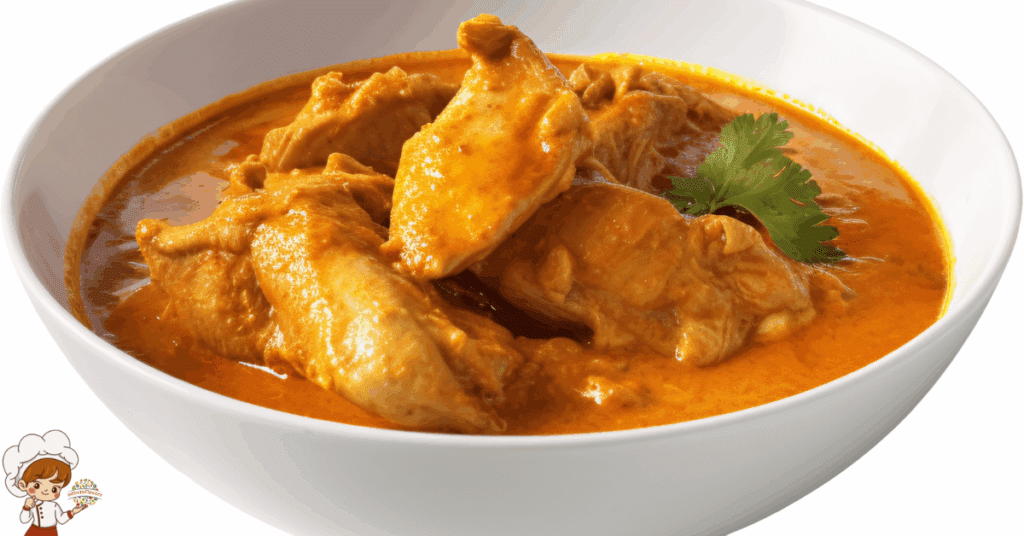
The Fascinating History of Turkey Curry; Turkey curry is one of those comforting, satisfying dishes that feels timeless, as though it has always belonged on family tables around the world. Yet its history is far more layered than many expect. Turkey curry stands at the crossroads of culinary tradition, global migration, and the evolution of home cooking. While curry itself has ancient roots that stretch back thousands of years, turkey as a culinary staple entered global cuisine much later.
When these two elements came together, they created not just a delicious meal but a symbol of cultural blending that continues to evolve today. Understanding the history and origin of turkey curry is like opening a flavorful time capsule filled with culinary innovation, colonial influence, seasonal home cooking, and the changing patterns of the modern kitchen.
In this long-form exploration, we will uncover how turkey curry developed, why it became so popular, and the role it now plays in both traditional and contemporary food culture. From the spice routes of ancient India to the holiday tables of modern-day America, this story highlights how food morphs, adapts, and connects us through time.
The History of Turkey Curry and Its Global Food Traditions
Exploring the history of turkey curry reveals an intriguing story that begins with the domestication of the turkey itself. Turkeys are native to North America, where Indigenous peoples domesticated them long before European contact. These early turkeys were valued not only for their meat but for their feathers, which held cultural significance.
When European explorers arrived in the 15th and 16th centuries, they were introduced to turkeys for the first time. The bird quickly made its way across the Atlantic, and within a short time, turkey became a popular protein source in European kitchens. Turkey’s versatility and mild flavor allowed it to fit easily into a variety of culinary traditions, making it compatible with ingredients and techniques from many cultures.
While turkey began making culinary waves abroad, curry had already been part of global cuisine for thousands of years. Curry, in its broadest sense, refers to a wide range of spiced dishes that originated in the Indian subcontinent. Ancient Indian cooks developed spice blends that enhanced flavor, preserved food, and provided medicinal benefits. As trade routes expanded and colonial influences spread, curry evolved and adapted to different regions, each adding its own interpretation based on local ingredients. Eventually, curry became an international phenomenon, influencing cuisines throughout Asia, the Caribbean, Africa, and Europe.
The fusion of turkey and curry did not occur immediately. Instead, it emerged gradually through the blending of cultures, trade, and practicality in home kitchens. When British colonial presence in India shaped Victorian-era cuisine, curry dishes became fashionable among British households. Returning colonists brought back a taste for curries, and by the 19th century, curry powder had become a pantry staple in Western homes.
At the same time, turkey was becoming increasingly associated with holiday meals, particularly in the United States and the United Kingdom. The abundance of leftover turkey after festive occasions created the perfect opportunity for inventive home cooks to incorporate turkey into flavorful curry dishes. Turkey curry became a delicious way to repurpose leftovers, combining the richness of roasted turkey with the aromatic warmth of curry spices.
Understanding the Origin of Turkey Curry and Its Cultural Evolution
The origin of turkey curry can be traced to practical and cultural intersections more than any single moment in culinary history. In the United Kingdom, the popularity of turkey curry rose significantly in the mid-20th century. After World War II, British cuisine began to shift, incorporating international flavors and experimenting with spice blends. The rise of curry houses and the broader interest in South Asian cuisine made curry an essential part of British food culture. At the same time, holiday turkey dinners became more common and more affordable. Home cooks embraced the idea of using leftover turkey in inventive ways, and turkey curry quickly became a beloved post-holiday dish, especially around Christmas.
Meanwhile, in North America, turkey curry gained traction for similar reasons. Americans celebrated Thanksgiving with turkey at the center of the table, and the days that followed often involved finding creative ways to use leftover meat. Turkey pot pie, turkey sandwiches, and turkey casseroles were common, but turkey curry offered a flavorful twist that felt exciting and different. Its bold spices provided a refreshing contrast to traditional holiday flavors, appealing to home cooks who wanted variety while still relying on familiar ingredients. As interest in global cuisine grew in the late 20th and early 21st centuries, turkey curry became even more popular.
What makes turkey curry so unique is its cross-cultural foundation. It blends a New World protein with Old World spices, creating a dish that symbolizes the expanding culinary landscape of the modern kitchen. Turkey curry reflects seasonal traditions, global exploration, evolving taste preferences, and even the influence of migration and trade. Each bowl of turkey curry tells the story of how food travels, adapts, and becomes something entirely new.
Why Turkey Curry Became a Popular Comfort Food in Modern Home Cooking
Turkey curry’s rise to popularity in modern home cooking is rooted in both convenience and flavor. Leftover turkey provides an easy base for a comforting meal that comes together quickly. Curry spices, whether prepared from scratch or using pre-made curry powder, offer a simple way to add depth and aroma to a dish without requiring complicated techniques. For home cooks looking to stretch ingredients, reduce food waste, or reinvent leftovers, turkey curry became a trusted go-to option.
In addition to practicality, turkey curry appeals to evolving flavor preferences. Today’s home cooks are more adventurous than ever, experimenting with spices, global cuisines, and fusion dishes. Turkey curry fits seamlessly into this trend, offering customizable levels of heat, sweetness, and richness. Some versions emphasize creamy textures using yogurt or coconut milk, while others lean into bold spice blends or fresh herbs. This adaptability makes turkey curry suitable for family meals, weekly meal prep, or cozy winter dinners.
Another factor contributing to the popularity of turkey curry is its versatility. It pairs well with rice, naan, roasted vegetables, or simple salad sides. This flexibility makes it an excellent option for busy households that want satisfying meals without extensive preparation. As more people explore multicultural foods, turkey curry has found a comfortable and lasting place in the repertoire of easy, flavorful dishes enjoyed year-round.
Health Benefits and Modern Appeal of Turkey Curry Dishes
While turkey curry is beloved for its flavor, it also carries nutritional benefits that align well with today’s focus on balanced eating. Turkey is a lean protein, which makes it an appealing alternative to fattier meats. When combined with vegetables and spices, turkey curry becomes a nourishing meal loaded with beneficial nutrients. Many curry spices like turmeric, cumin, ginger, and coriander offer anti-inflammatory and antioxidant properties, contributing to overall wellness.
In addition, turkey curry is naturally adaptable to many dietary preferences. It can easily be made dairy-free, gluten-free, or low-carb without compromising flavor or satisfaction. This adaptability makes it appealing for families with diverse dietary needs or individuals following specific eating plans. The combination of lean turkey, warming spices, and customizable ingredients positions turkey curry as a nutritious choice that aligns with current lifestyle trends.
Turkey Curry in Today’s Culinary Landscape and Changing Food Culture
The cultural significance of turkey curry continues to evolve as global food trends shift. Today, turkey curry appears in cookbooks, cooking shows, meal prep guides, and restaurant menus. Whether prepared as a simple home-cooked meal or elevated into a gourmet dish, turkey curry retains its role as a symbol of comfort and innovation.
The growing popularity of multicultural cooking has expanded interest in curry variations, and turkey remains a versatile ingredient that works beautifully with diverse flavor profiles. As plant-forward diets become more popular, turkey remains a favorite protein option for those seeking a balance between nutritious eating and comfort food traditions. Turkey curry embodies the modern preference for meals that are both hearty and wholesome, flavorful and familiar.
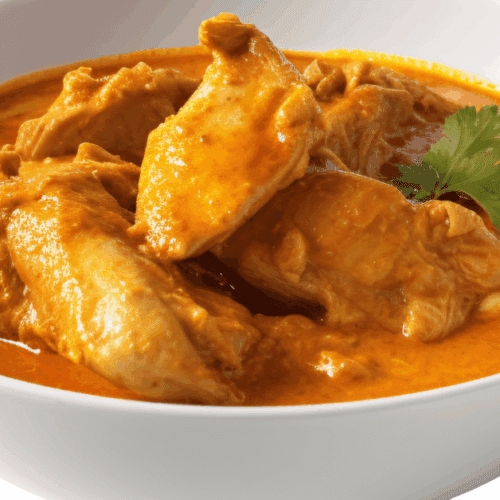
Turkey Curry
Ingredients
- 2 cups cooked turkey shredded or diced
- 1 can 13.5 oz coconut milk
- 1 tablespoon curry powder
- 1 teaspoon ground turmeric
- 1 teaspoon ground cumin
- 1 teaspoon paprika
- 1 teaspoon salt
- 1/2 teaspoon black pepper
- 2 cups cooked white rice for serving
Instructions
- In a large skillet, combine the cooked turkey, coconut milk, curry powder, turmeric, cumin, paprika, salt, and black pepper.
- Stir everything together and bring the mixture to a gentle simmer over medium heat.
- Let the curry cook for about 10–12 minutes, stirring occasionally, until the flavors meld and the sauce thickens slightly. Serve the warm turkey curry spooned generously over the cooked white rice.
Frequently Asked Questions: The Fascinating History of Turkey Curry
What is the origin of turkey curry?
Turkey curry originated through the blending of South Asian curry traditions with Western holiday cooking. As turkey became a holiday staple in the West, home cooks began combining leftover turkey with curry spices, creating a flavorful fusion dish that quickly gained popularity.
Is turkey curry traditionally Indian?
No, turkey curry is not a traditional Indian dish. While curry spices and techniques come from Indian cuisine, turkey curry itself is a fusion dish that emerged primarily in Western countries as a way to reinvent leftover holiday turkey.
Why is turkey used in curry dishes?
Turkey’s mild flavor absorbs spices well, making it an excellent protein for curry dishes. Its availability after holiday meals also made it convenient for home cooks seeking creative ways to repurpose leftovers.
Can turkey curry be made spicy or mild?
Yes, turkey curry can be customized to any spice level. Home cooks can adjust the heat by choosing milder curry blends or adding chili peppers, cayenne, or hot curry powder for extra spice.
Is turkey curry a healthy meal?
Turkey curry can be a healthy option, especially when made with lean turkey and vegetables. Curry spices often contain antioxidants and anti-inflammatory properties, adding to the dish’s nutritional value.
When is turkey curry typically eaten?
Turkey curry is most commonly enjoyed after holiday meals such as Thanksgiving or Christmas, but many people also prepare it year-round as a flavorful weeknight dinner.

Why Turkey Curry Remains a Beloved Fusion Dish
The history and origin of turkey curry reveal a fascinating tapestry of cultural blending, culinary evolution, and home-cooking creativity. From the ancient spice routes of India to the bustling kitchens of modern households, turkey curry represents far more than a simple meal—it embodies the journey of global flavors and the power of food to adapt and change over time.
As a dish that unites New World ingredients with Old World traditions, turkey curry stands as a delicious reminder of how food tells stories, reflects history, and brings people together. Whether enjoyed after a holiday feast or prepared as a comforting dinner on a cold night, turkey curry continues to hold a cherished place in the world of home cooking. Its evolution is ongoing, its flavors timeless, and its cultural significance enduring. Turkey curry endures because it is not just about the combination of turkey and spices; it is about the blending of traditions, the warmth of shared meals, and the joy of discovering new flavors rooted in history.
If you enjoyed exploring this topic and want to dive even deeper, be sure to check out some of our other articles here on Infinite Flavors. From rich culinary histories to creative twists on classic recipes, there’s always something new to discover. Whether you’re curious about the origins of a dish, looking for fresh inspiration in the kitchen, or simply love learning about food culture, our collection of posts is the perfect next step on your flavor journey.
The Great History Of Healthy Turkey Chili
The Delicious History Of Amazing Turkey Enchiladas
The Amazing History Of Turkey And Rice Casserole