The Best Low-Carb Eco-Friendly Meal Prep Recipes
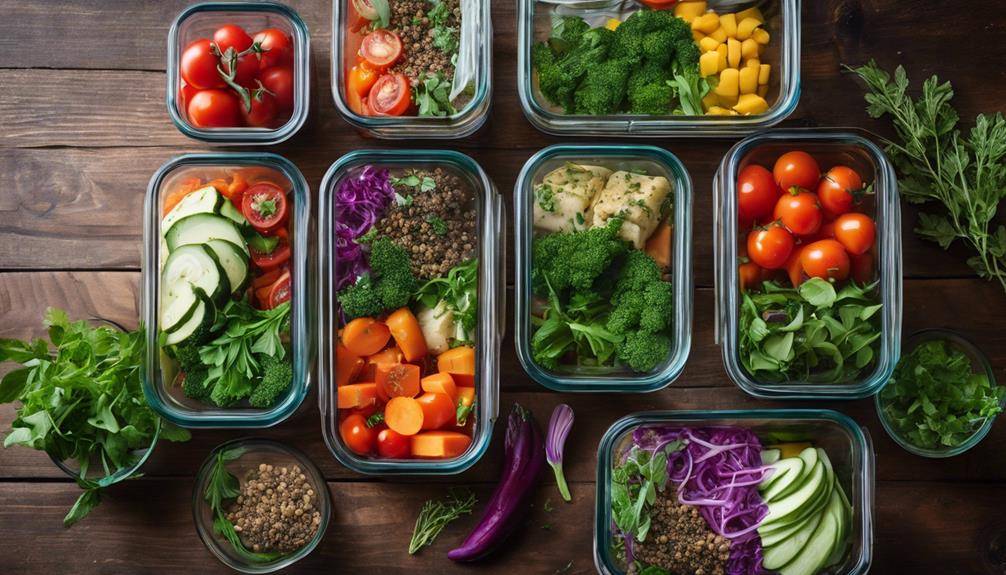
Best Low-Carb Eco-Friendly Meal Prep Recipes; You can easily combine low-carb eating with eco-friendly meal prep to create delicious, healthy recipes that benefit both your body and the planet. Focus on seasonal, local produce and plant-based proteins like lentils, chickpeas, or tofu for nutrient-rich meals with a lower environmental impact. For meals, consider quick egg muffins for breakfast, hearty salads or low-carb wraps for lunch, and tasty zucchini noodle stir-fries for dinner. Don’t forget healthy snacks, like roasted Brussels sprouts or deviled eggs! With some smart storage solutions and a few prep tips, you’ll enjoy meals that are sustainable and satisfying. More ideas await!
Benefits of Low-Carb Eating
When it comes to improving your health, low-carb eating offers several compelling benefits. One of the most significant advantages is weight loss. By reducing carbohydrate intake, your body shifts to burning fat for energy, which can lead to a more effective weight management strategy. This approach also stabilizes your blood sugar levels, making it easier to avoid the spikes and crashes that often accompany high-carb diets.
Low-carb eating can enhance your mental clarity as well. Many people report improved focus and cognitive function when they limit their carb consumption, which can be especially beneficial during long workdays or study sessions. Additionally, this dietary style supports heart health by lowering triglycerides and increasing HDL cholesterol levels, giving you a healthier cardiovascular profile.
Another remarkable aspect of low-carb eating is its emphasis on nutrient density. You’ll find yourself consuming more whole foods like vegetables, lean proteins, and healthy fats, which offer an abundance of essential nutrients. This shift not only boosts your digestive health but also helps maintain energy levels throughout the day. Instead of relying on quick fixes like sugary snacks, you’ll nourish your body with foods that sustain you.
Incorporating low-carb meals into your routine can lead to a more balanced and vibrant lifestyle. As you explore the benefits, you’ll likely notice the transformative effects on your overall health and well-being, making it an attractive option for those serious about making a positive change.
Sustainable Ingredients to Use
When you’re planning your low-carb meals, consider using seasonal local produce and plant-based proteins. These ingredients not only support your health but also benefit the environment. By choosing what’s in season and nearby, you can make your meal prep both delicious and sustainable.
Seasonal Local Produce
Embrace the bounty of seasonal local produce to elevate your low-carb meal prep. When you choose ingredients that are in season, you reap the seasonal advantages of freshness, flavor, and nutrition. Local sourcing guarantees that you’re not only supporting nearby farmers but also getting produce at its peak ripeness, which enhances the taste of your dishes.
Think about incorporating seasonal veggies like zucchini, bell peppers, and leafy greens into your meals. They’re not just low in carbs; they’re also packed with essential vitamins and minerals. You might find that local farmers’ markets offer unique varieties you won’t see in grocery stores, adding excitement to your low-carb repertoire.
Plant-Based Proteins
How can you enhance your low-carb meals while also being mindful of sustainability? One great way is by incorporating plant-based proteins into your meal prep. Tofu alternatives, like tempeh or edamame, offer a fantastic source of protein without the carbs. These ingredients not only provide essential nutrients but also have a lower environmental impact compared to animal-based proteins.
Consider exploring lentil dishes as well. Lentils are packed with protein and fiber while being low in carbs. They’re versatile, too—use them in soups, salads, or as a filling in wraps. Experiment with different spices and herbs to keep your meals exciting and flavorful.
Another sustainable option is chickpeas. You can roast them for a crunchy snack or blend them into a creamy hummus to pair with fresh veggies. By choosing these plant-based proteins, you’re not only supporting your health but also contributing to a more eco-friendly food system.
Incorporating these sustainable ingredients into your low-carb meal prep will help you stay on track with your dietary goals while making a positive impact on the planet.
Meal Prep Essentials
A solid foundation of meal prep essentials can transform your low-carb cooking experience. By equipping yourself with the right meal prep tools and storage solutions, you’ll simplify the process and make it more enjoyable.
Start with quality meal prep tools. A sharp chef’s knife and a sturdy cutting board are non-negotiable for efficient chopping. You’ll also want to invest in a set of measuring cups and spoons to guarantee accurate ingredient portions. A reliable food scale can help you track macros and maintain your low-carb regimen effectively. Consider having a spiralizer on hand, too; it’s perfect for turning vegetables into fun noodle alternatives.
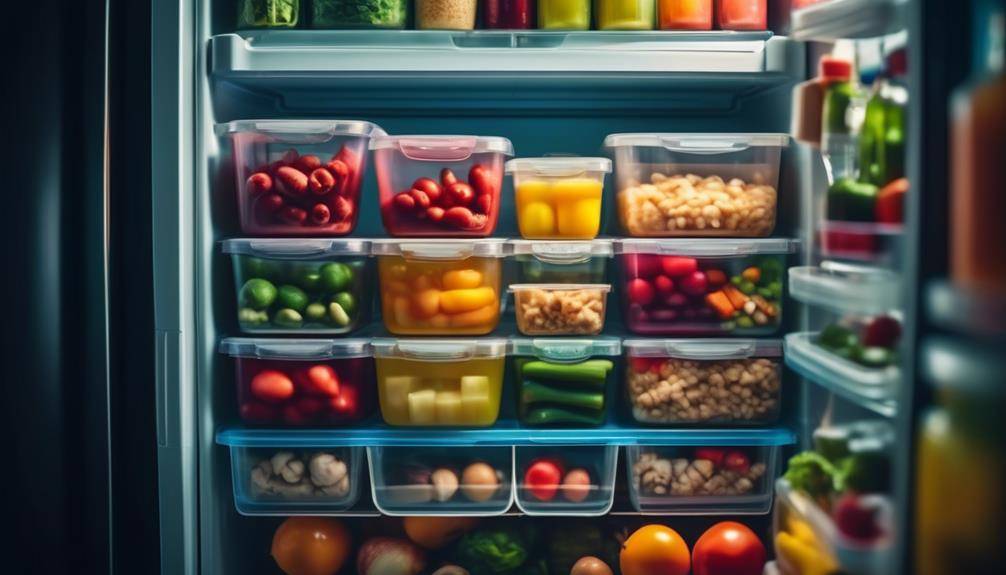
Next, focus on your storage solutions. Glass containers with airtight lids are excellent for keeping your meals fresh and preventing spills. Look for a variety of sizes to accommodate different portions. Mason jars are another versatile option for salads, overnight oats, or snacks. If you’re planning to freeze meals, silicone bags or freezer-safe containers can save space and keep your food organized.
You might also want to label your containers with dates and contents to keep everything on track. This will help you avoid food waste and guarantee you’re eating what you’ve prepped in a timely manner. With these meal prep essentials in your arsenal, you’re well on your way to mastering low-carb meal prep, making healthy eating easier and more accessible.
Breakfast Ideas
When it comes to low-carb breakfasts, quick egg muffins and chia seed pudding are your best friends. These recipes are not only easy to prepare but also packed with nutrients to kickstart your day. Let’s explore how you can whip up these delicious options ahead of time!
Quick Egg Muffins
Five minutes is all you need to whip up delicious Quick Egg Muffins that make breakfast a breeze. These versatile bites can be customized to suit your taste, making them perfect for busy mornings. Start by whisking together a few eggs, then pour the mixture into a muffin tin. Now, the fun part: choose your egg muffin variations! You can add diced vegetables like bell peppers and spinach, or toss in some cooked bacon or sausage for extra flavor.
Once you’ve filled the muffin cups, sprinkle on some healthy toppings like shredded cheese, fresh herbs, or even avocado slices. Bake them in the oven until they’re puffed and golden, and you’ll have a nutritious meal ready to go. These muffins store well in the fridge, so you can make a batch for the week and heat them up as needed.
Whether you’re looking for a quick breakfast or a protein-packed snack, Quick Egg Muffins are your answer. Experiment with different ingredients to find your favorite combinations, and enjoy a tasty, low-carb meal prep option that fuels your day!
Chia Seed Pudding
Chia Seed Pudding is a fantastic breakfast option that’s both nutritious and satisfying. Packed with omega-3 fatty acids, fiber, and protein, chia seeds offer numerous nutritional benefits. To prepare it, simply mix 1/4 cup of chia seeds with 1 cup of your choice of milk (dairy or plant-based) and let it sit for about 4 hours or overnight until it thickens.
You can easily customize your pudding with flavor variations. Consider adding vanilla extract, cocoa powder, or fresh fruit to enhance the taste. For storage tips, keep your prepared pudding in an airtight container in the fridge for up to five days.
When it comes to toppings, think fresh berries, nuts, or a drizzle of honey to elevate your breakfast experience. Be mindful of dietary considerations; chia pudding is gluten-free and vegan, making it suitable for various diets.
For serving ideas, enjoy it on its own, layer it in a parfait with yogurt, or use it as a topping for smoothies. With its versatility and ease of preparation, chia seed pudding is sure to become a favorite in your low-carb meal prep routine.
Lunch Recipes
Whether you’re looking to stay on track with your low-carb diet or simply want to enjoy delicious meals, these lunch recipes have got you covered. First up, try making Mediterranean wraps. Use large lettuce leaves as your wrap base and fill them with grilled chicken, feta cheese, olives, cucumbers, and a drizzle of olive oil and lemon juice. They’re not only satisfying but also super easy to prepare in advance. You can pack them for a quick lunch that’s bursting with flavor.
If you’re craving something warm, zucchini noodles are a fantastic option. Spiralize fresh zucchini into noodles and sauté them with garlic and your choice of protein, like shrimp or turkey. Toss in cherry tomatoes and spinach for added nutrients. This dish is light yet filling, making it perfect for a midday meal. You can even prepare a batch and store it in the fridge for a couple of days—just reheat when you’re ready to eat.
Another great lunch idea is a hearty salad. Combine mixed greens with roasted vegetables, avocado, and a protein source like grilled salmon or chickpeas. Top it off with a homemade vinaigrette for an extra kick.
These lunch recipes not only align with your low-carb goals but also emphasize eco-friendly ingredients, ensuring you’re making choices that benefit both your health and the environment. Enjoy these meals knowing you’re fueling your body with the best!
Dinner Options
After enjoying satisfying low-carb lunches, it’s time to explore dinner options that keep your diet on track without sacrificing flavor. One delicious choice is a hearty zucchini noodle stir-fry. You can quickly sauté your favorite vegetables, like bell peppers and broccoli, in a bit of olive oil. Then, toss in spiralized zucchini noodles and a protein of your choice, such as shrimp or chicken. With a splash of soy sauce or tamari, you’ll have a colorful, nutrient-packed meal ready in minutes.
If you’re craving something comforting, consider a cauliflower rice bowl. Start by pulsing cauliflower florets in a food processor until they resemble rice. Sauté this cauliflower rice in a pan with garlic, onions, and spices for added depth. Top it with grilled meat or roasted chickpeas for a satisfying crunch. Don’t forget to sprinkle fresh herbs like cilantro or parsley to brighten the dish.
For a cozy option, try a low-carb casserole. Layer cooked ground turkey or beef with cauliflower rice, diced tomatoes, and shredded cheese. Bake it until bubbly and golden; it’ll be a hit for the whole family.
These dinner ideas not only align with your low-carb goals but also keep your meals exciting. You’ll find that with a little creativity, you can whip up delicious dishes that nourish your body and satisfy your taste buds. Enjoy your culinary journey with these eco-friendly, low-carb options!
Snacks and Sides
Snack time doesn’t have to derail your low-carb diet; in fact, it can enhance it! By choosing the right snack alternatives, you can satisfy your cravings without sacrificing your health goals. Think about crunchy cucumber slices paired with creamy guacamole or a handful of almonds for a quick, nutritious boost. These options keep your carb count low and your energy high!
For side dish ideas, you can transform your meals with simple yet delicious low-carb options. Roasted Brussels sprouts or cauliflower rice can add texture and flavor while fitting perfectly into your meal prep. You might also enjoy zoodles (zucchini noodles) tossed in pesto as a vibrant and filling side.
Don’t forget about the versatility of cheese! Cheese crisps are an easy snack alternative that brings both crunch and flavor. Just bake small mounds of shredded cheese until crispy, and you’ve got a delightful treat. If you’re looking for something a bit more substantial, consider making a batch of deviled eggs. They’re not just tasty; they’re an excellent source of protein that’ll keep you satisfied.
Tips for Eco-Friendly Cooking
When you plunge into eco-friendly cooking, you’re not just making delicious meals; you’re also making choices that benefit the planet. To start, focus on zero waste cooking. This means using every part of your ingredients. For instance, vegetable scraps can be turned into homemade broth, and stale bread can be transformed into croutons or breadcrumbs. Get creative with leftovers, and you’ll minimize waste while maximizing flavor.
Next, consider how you cook. Energy efficient appliances can make a significant difference. Switch to an induction cooktop or a slow cooker, which uses less energy than traditional stovetops. Also, when you use the oven, try to cook multiple dishes at once to save energy. If you’re baking something, throw in some roasted veggies or a casserole to make the most of that heat.
Don’t forget about your shopping habits, either. Buy in bulk to reduce packaging waste and opt for seasonal produce to cut down on carbon emissions. Choosing local farms also supports your community and reduces transportation impact. When you plan your meals, think about the ingredients that can be used across multiple recipes, which helps avoid excess purchases.
Lastly, store your food properly to extend its life. Using glass containers instead of plastic can keep your meals fresh while being more environmentally friendly. Embrace these eco-friendly cooking tips, and you’ll not only nourish yourself but also contribute positively to the planet.
Frequently Asked Questions: Best Low-Carb Eco-Friendly Meal Prep Recipes
Can Low-Carb Diets Help With Weight Loss and Sustainability?
You’ll find that low-carb diets can indeed support weight loss benefits while incorporating sustainable ingredients. By focusing on whole foods, you not only shed pounds but also contribute positively to the environment through mindful eating choices.
How Can I Adapt Recipes for Specific Dietary Restrictions?
To adapt recipes for specific dietary restrictions, you can make ingredient substitutions based on what you need. Also, don’t forget to adjust portions to guarantee everyone enjoys a balanced meal without compromising their dietary needs.
What Are the Best Storage Methods for Meal Prep?
To guarantee your meal prep stays fresh, use vacuum sealing for perishable items and store others in glass containers. Both methods help maintain flavor and prevent spoilage, making your meal prep more efficient and enjoyable.
How Can I Reduce Food Waste While Meal Prepping?
To reduce food waste while meal prepping, focus on ingredient utilization by planning meals around what you already have. Employ smart food preservation techniques, like freezing leftovers, to keep ingredients fresh and minimize waste.
Are There Any Eco-Friendly Brands for Low-Carb Ingredients?
You can find eco-friendly brands that focus on sustainable sourcing for low-carb ingredients. Look for companies offering ingredient alternatives like almond flour or coconut products, which prioritize environmental responsibility while supporting your dietary choices.

Conclusion
By embracing low-carb, eco-friendly meal prep, you’re not just nourishing your body but also taking care of the planet. With sustainable ingredients and mindful cooking techniques, you can create delicious meals that support your health and the environment. Remember, every small change counts! So, get creative in the kitchen, try out the recipes, and enjoy the satisfaction of knowing you’re making a positive impact. Happy cooking and meal prepping!
If you enjoyed exploring this topic and want to dive even deeper, be sure to check out some of our other articles here on Infinite Flavors. From rich culinary histories to creative twists on classic recipes, there’s always something new to discover. Whether you’re curious about the origins of a dish, looking for fresh inspiration in the kitchen, or simply love learning about food culture, our collection of posts is the perfect next step on your flavor journey.
Meal Planning And Prep Archives
Exciting Eco-Friendly Meal Prep For Students
Super Easy Sustainable Meal Prep Grocery List