What Spices Define Traditional Japanese Cuisine
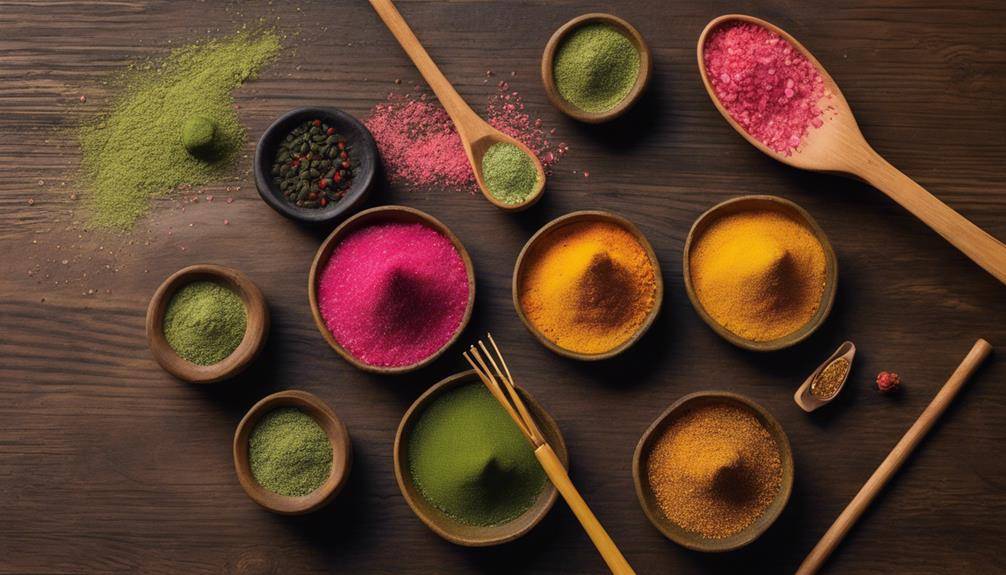
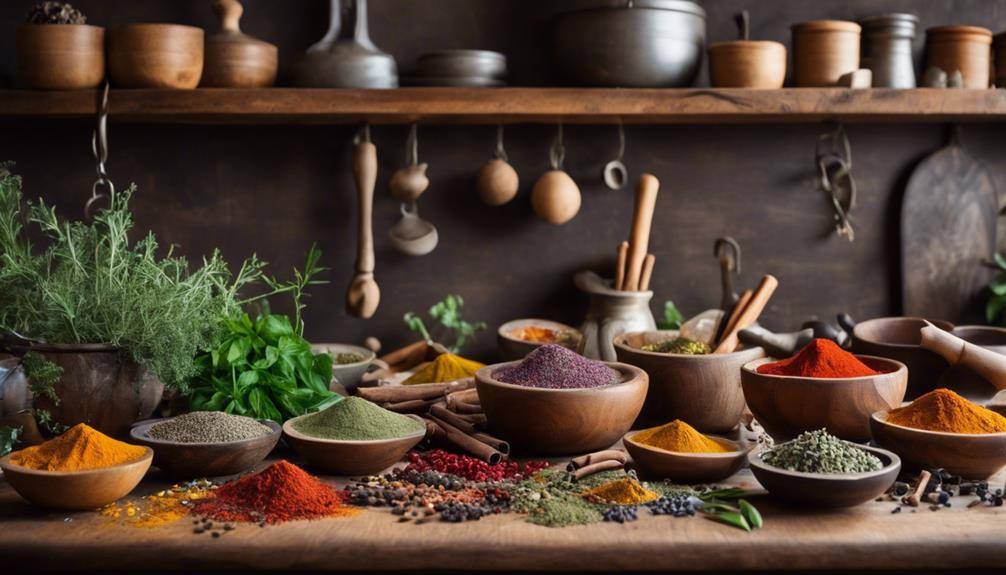
What Spices Define Traditional Japanese Cuisine: To truly appreciate traditional Japanese cuisine, you need to explore the essential spices that define it. Start with soy sauce, especially varieties like koikuchi and tamari, which bring depth to dishes. Miso adds a fermented richness, while wasabi brings a sharp heat that complements sushi. Shichimi togarashi, a seven-spice blend, enhances soups and noodles with vibrant flavor. Don't forget yuzu, a citrus fruit bringing brightness to many recipes, and sansho pepper, known for its zesty kick. Together, these spices create a delicate balance that underscores the essence of Japanese cooking, and you'll soon discover even more fascinating details.
The Essence of Umami
Click Here and Turn Every Masterpiece into a Showstopper!
Umami, often described as the fifth taste, plays an essential role in traditional Japanese cuisine. You might not realize it, but many of your favorite dishes owe their depth and richness to this unique flavor. Understanding umami sources can elevate your culinary experiences, enhancing the savory balance that defines Japanese cooking.
One of the most prominent umami sources is dashi, a broth made from kombu (dried seaweed) and bonito flakes. When you simmer these ingredients, you extract a deep, satisfying flavor that serves as the backbone for soups and sauces. You can also find umami in shiitake mushrooms, which add a robust earthiness to many dishes.
Fermented ingredients like miso and soy sauce are packed with umami, too. These ingredients undergo a fermentation process that intensifies their flavors, giving your meals a savory kick. When used in moderation, they contribute to a harmonious balance, making each bite more enjoyable.
Don't forget about seafood, especially varieties like sardines and anchovies. Their natural oils and proteins contain high amounts of umami, perfect for enhancing your favorite dishes.
Soy Sauce Varieties
Soy sauce is a fundamental ingredient in Japanese cuisine, known for its rich flavor and versatility. When you explore the different varieties, you'll discover that not all soy sauces are created equal. The two primary types are shoyu and tamari, each offering unique characteristics suited for various dishes.
Shoyu is the most common type, made from a blend of soybeans, wheat, and koji mold. When you look at shoyu distinctions, you'll notice there are regional variations, like koikuchi, which is dark and robust, and usukuchi, a lighter version that's saltier. Each type has its own flavor profile, making them ideal for different culinary applications—whether you're dipping sushi or seasoning stir-fries.
On the other hand, tamari is typically made with little to no wheat, making it a fantastic gluten-free option. You'll find that tamari varieties often have a deeper, richer flavor compared to standard shoyu. They're perfect for dishes where you want a strong umami presence without overwhelming the other ingredients.
When you cook Japanese dishes, think about which soy sauce to use based on your desired taste. You might prefer the boldness of koikuchi for marinades or the subtlety of usukuchi for lighter soups. Tamari, with its deep flavor, can elevate grilled meats or vegetable dishes. With these soy sauce varieties in your pantry, you'll be well-equipped to enhance your traditional Japanese culinary experiences.
Miso: Fermented Richness
Miso's depth of flavor and versatility make it a cornerstone of Japanese cooking. You'll find it in everything from soups to marinades, showcasing its unique ability to enhance dishes. At its core, miso is a fermented paste made from soybeans, salt, and a fermenting agent known as koji, which is essential for miso fermentation. This process not only develops its rich umami flavor but also boosts its nutritional profile.
When you explore the different miso varieties, you'll discover a spectrum of tastes and colors. White miso, or shiro miso, is mild and sweet, often used in dressings and light soups. On the other hand, red miso, or akamiso, is fermented longer, resulting in a stronger, saltier flavor perfect for hearty stews and marinades. There's also a middle ground, known as yellow miso, which balances sweetness and saltiness, making it versatile for various recipes.
Incorporating miso into your cooking adds depth and complexity. Whether you're making a traditional miso soup or experimenting with miso-glazed vegetables, you'll appreciate how it transforms the dish. Plus, its probiotic properties can aid digestion, making it not just flavorful but beneficial too. So next time you're in the kitchen, don't underestimate the power of miso; it's a simple ingredient that can elevate your meals to new heights.
The Heat of Wasabi
When you think of wasabi, you probably picture its sharp, pungent heat that adds a unique kick to your sushi. This bold flavor profile not only enhances dishes but also pairs well with various ingredients, making it a versatile addition to your culinary repertoire. Plus, wasabi offers some surprising health benefits that you won't want to overlook.
Wasabi's Distinct Flavor Profile
Wasabi, often recognized by its vibrant green hue, delivers a unique flavor profile that sets it apart from other condiments. Unlike typical hot sauces, wasabi's heat is sharp and fleeting, providing a sinus-clearing experience rather than a lingering burn. When you taste it, you might notice a complex blend of earthy, peppery notes that enhance its pungency. This distinct flavor comes from various wasabi varieties, each offering subtle differences in taste and aroma.
Wasabi cultivation is a meticulous process, requiring specific conditions like cool, flowing water and shaded environments. The traditional wasabi plant, known as Wasabia japonica, thrives in these unique settings, contributing to its rarity and high value. As you explore different wasabi varieties, you'll find that their flavor intensity can vary considerably, influencing the overall dining experience.
When enjoying wasabi in sushi or sashimi, you're not just tasting heat; you're experiencing a depth of flavor that's integral to Japanese cuisine. The freshness of the wasabi elevates dishes, providing a vibrant kick that complements rather than overpowers the main ingredients.
Culinary Uses and Pairings
The heat of wasabi plays a significant role in enhancing various dishes beyond just sushi and sashimi. You can use wasabi to elevate the flavors of grilled meats, seafood, and even vegetables. Its sharpness adds a distinct kick that complements the natural flavors of these ingredients, creating a delightful contrast.
When you're experimenting with spice blending, consider mixing wasabi with soy sauce or mirin to create a zesty dipping sauce. This combination not only intensifies the flavor but also helps in flavor balancing, allowing the rich umami of soy sauce to meld beautifully with wasabi's heat.
For a twist, try incorporating wasabi into dressings or marinades. A wasabi-infused vinaigrette can bring a fresh, spicy dimension to salads, while marinating meats in a wasabi-based sauce can infuse them with a unique flavor profile.
Don't forget about pairing wasabi with traditional Japanese dishes like soba noodles. A touch of wasabi in your dipping sauce can elevate the entire experience. By using wasabi thoughtfully, you'll discover how its heat can transform ordinary meals into extraordinary culinary adventures.
Health Benefits of Wasabi
One notable health benefit of wasabi is its potential to boost your immune system. This vibrant green condiment contains compounds like isothiocyanates, which have antimicrobial properties. By incorporating wasabi into your meals, you may help fend off infections and enhance your overall health.
Additionally, wasabi is known for its anti-inflammatory effects. This can be particularly beneficial for those who suffer from chronic inflammation, as it may help alleviate symptoms. You might also appreciate that wasabi contains antioxidants, which protect your cells from damage caused by free radicals.
However, it is crucial to be cautious about wasabi allergy reactions. While rare, some people may experience allergic responses to wasabi, leading to symptoms like skin irritation or gastrointestinal discomfort. If you've never tried wasabi before, start with a small amount to see how your body reacts.
Mirin: Sweet Rice Wine
Mirin, a sweet rice wine, plays an essential role in traditional Japanese cuisine, adding depth and complexity to various dishes. You might be surprised to learn that mirin production involves fermenting glutinous rice with koji mold and shochu, resulting in a rich, syrupy liquid that balances flavors beautifully. The sweetness of mirin not only enhances the taste of sauces and marinades but also helps to mask any strong flavors in dishes, making it a versatile ingredient.
When you're preparing Japanese meals, consider the various mirin pairings that can elevate your dishes. For instance, adding mirin to teriyaki sauce creates that signature glossy finish and sweet-savory flavor you love. It's also fantastic in simmered dishes like nikujaga or in dressings for salads, providing a subtle sweetness that complements the other ingredients.
Don't forget about its role in sushi rice! Mixing mirin with rice vinegar and sugar helps create the perfect balance of flavors, making your sushi experience truly authentic. You'll find that it's not just about taste; mirin also enhances the aroma of your cooking, making every meal more inviting.
Whether you're making a simple stir-fry or a complex multi-course meal, incorporating mirin will surely impress your friends and family. So, next time you're in the kitchen, remember this unique ingredient and let it transform your Japanese dishes into something special.
Click Here and Turn Every Masterpiece into a Showstopper!
Shichimi Togarashi
Shichimi Togarashi is a vibrant spice blend that adds depth to many dishes, and it's packed with ingredients like chili pepper, sesame seeds, and seaweed. You'll find it enhancing everything from soups to grilled meats, making it a staple in Japanese cuisine. Understanding its culinary uses and cultural significance will enrich your appreciation for this unique seasoning.
Ingredients of Shichimi Togarashi
While exploring the vibrant world of Japanese spices, you'll encounter Shichimi Togarashi, a versatile seasoning blend that adds depth and complexity to various dishes. This spice blend has a rich shichimi history, dating back to the Edo period, and consists of seven key ingredients, each contributing unique flavors.
The primary components include ground red chili pepper, which brings heat, and sansho pepper, offering a citrusy zing. You'll also find roasted sesame seeds, adding a nutty flavor, and poppy seeds, which enhance the texture. Dried seaweed contributes umami, while ginger and orange peel introduce a hint of sweetness and brightness.
Each ingredient in Shichimi Togarashi plays a vital role, making it a must-have in your spice cabinet. This blend not only enhances the taste of soups, noodle dishes, and grilled meats but also elevates simple steamed rice. By learning about Shichimi Togarashi, you'll appreciate the intricate balance of flavors that define traditional Japanese cuisine. This spice blend exemplifies how carefully chosen ingredients can transform a dish, inviting you to explore the culinary possibilities it offers.
Culinary Uses and Benefits
Enhancing your dishes with Shichimi Togarashi can elevate your cooking to new heights. This versatile spice blend not only adds a delightful kick but also brings a rich array of scent profiles that can transform everyday meals. When you sprinkle Shichimi Togarashi over noodles, rice, or grilled meats, you'll notice how it introduces a harmonious flavor balance that complements the dish rather than overpowering it.
You can use Shichimi Togarashi in various culinary applications. Try it in soups or broths for an added depth, or mix it into marinades for meats and tofu to infuse flavor before cooking. It also works wonderfully as a finishing touch on dishes like sashimi or steamed vegetables, enhancing their natural tastes.
Beyond its incredible flavor, Shichimi Togarashi offers health benefits too. Its ingredients, such as chili pepper and sesame seeds, are known for their antioxidant properties, potentially aiding in digestion and providing a metabolism boost. Incorporating this spice blend into your cooking not only makes your meals more enjoyable but also contributes positively to your health. So, go ahead and explore the delightful world of Shichimi Togarashi in your kitchen!
Cultural Significance in Japan
In Japan, Shichimi Togarashi isn't just a spice blend; it's a cultural icon deeply rooted in the country's culinary traditions. This vibrant mixture of seven spices offers more than just flavor; it carries significant ingredient symbolism. Each element, from the fiery chili pepper to the fragrant sesame seeds, represents different aspects of Japanese culture and history.
When you sprinkle Shichimi Togarashi on a bowl of udon or a plate of grilled fish, you're participating in cultural rituals that have been practiced for centuries. This spice blend often appears in traditional dishes, enhancing flavors while also serving as a reminder of the balance between simplicity and complexity in Japanese cuisine.
Moreover, its presence at festivals and communal meals underscores the importance of sharing flavors and experiences with loved ones. You might find Shichimi Togarashi in homes and restaurants alike, each setting celebrating the blend's unique characteristics. By embracing it, you connect with a rich culinary heritage, honoring the art of taste that defines Japan. So, the next time you enjoy this spice, remember it's more than seasoning; it's a deep-rooted symbol of culture and tradition.
Yuzu: Citrus Brightness
Yuzu brings a burst of citrus brightness that elevates traditional Japanese cuisine. This unique fruit, with its vibrant yellow skin and aromatic zest, adds a revitalizing twist to a wide array of dishes. When you incorporate yuzu zest into your cooking, you're not just enhancing flavors; you're also embracing the essence of Japanese culinary tradition.
Yuzu's versatility shines through in yuzu marinades, where its tartness perfectly balances rich proteins like fish and chicken. Imagine a grilled salmon glazed with a zesty yuzu marinade, transforming a simple meal into an unforgettable experience. Plus, yuzu cocktails have gained popularity for their stimulating flavor, making them a favorite in bars and restaurants alike.
Don't overlook yuzu desserts, either. From sorbets to cheesecakes, this citrus fruit can elevate sweets with its unique aroma and tang. For health enthusiasts, yuzu offers numerous benefits; its high vitamin C content supports your immune system and promotes skin health, making yuzu health a topic worth exploring.
Yuzu preservation methods, like making yuzu kosho or yuzu marmalade, allow you to enjoy its flavor year-round, while yuzu cultivation has spread beyond Japan, with farms now thriving in places like California. By embracing yuzu in your cooking, you're not just adding a citrus note; you're celebrating a key ingredient that defines the vibrant spirit of traditional Japanese cuisine.
Sansho Pepper's Unique Flavor
Just as yuzu adds brightness to dishes, sansho pepper brings a distinctive flavor profile that's hard to forget. This unique spice, often overlooked, is a staple in Japanese cuisine, known for its enchanting combination of citrus and heat. When you sprinkle sansho seasoning on your dishes, you'll instantly notice its zesty kick that awakens your taste buds and enhances the overall experience.
Sansho pepper, derived from the prickly ash tree, traces its origins back to ancient Japan, where it was cherished for its medicinal properties and culinary uses. Traditionally, it was used in dishes like grilled eel and sashimi, bringing a revitalizing vibrancy to these meals. Its flavor is often described as a mingling of lemon and pepper, with a hint of numbing heat that sets it apart from other spices.
Incorporating sansho into your cooking not only adds a distinctive taste but also evokes a sense of authenticity, connecting you to the rich history of Japanese cuisine. You might find it in various forms—whole seeds, ground powder, or as part of spice blends. Each form offers a different intensity and character, allowing you to experiment and discover which suits your palate best.
Click Here and Turn Every Masterpiece into a Showstopper!
Frequently Asked Questions: What Spices Define Traditional Japanese Cuisine
What Are the Health Benefits of Traditional Japanese Spices?
You'll find that traditional Japanese spices offer numerous health benefits, like enhancing digestion and boosting immunity. Their culinary uses also add depth to dishes, making meals not just flavorful but also nourishing for your body.
How Do Japanese Spices Differ From Those in Other Cuisines?
Japanese spices emphasize subtlety, enhancing flavor profiles with umami and freshness. Their cultural significance lies in harmony and balance, contrasting with bolder spices in other cuisines, which often prioritize intense heat or overwhelming flavor combinations.
Can Japanese Spices Be Used in Non-Japanese Dishes?
You can use Japanese spices in non-Japanese dishes. Embrace culinary creativity and experiment with Japanese spice fusion to elevate flavors, adding unique depth and excitement to your favorite recipes. Your taste buds will thank you!
What Is the History Behind These Japanese Spices?
You'll find that traditional spice origins in Japan date back centuries, influenced by trade and culture. As you explore regional spice variations, you'll discover unique flavors that reflect local ingredients and culinary practices across the country.
Where Can I Buy Authentic Japanese Spices?
You can buy authentic Japanese spices at various online retailers like Amazon or specialty stores that focus on Asian ingredients. These places often offer a wide selection to help you find what you need.

Conclusion
In traditional Japanese cuisine, spices and seasonings create a harmonious balance of flavors that truly defines each dish. From the umami richness of soy sauce and miso to the bright notes of yuzu and the kick of wasabi, every ingredient plays a crucial role. Shichimi togarashi and sansho pepper add depth and complexity, making your culinary experience unique and memorable. Embracing these elements will not only enhance your dishes but also deepen your appreciation for Japan's rich culinary heritage.