8 Best Steps To Perfect Cheesecake Preparation
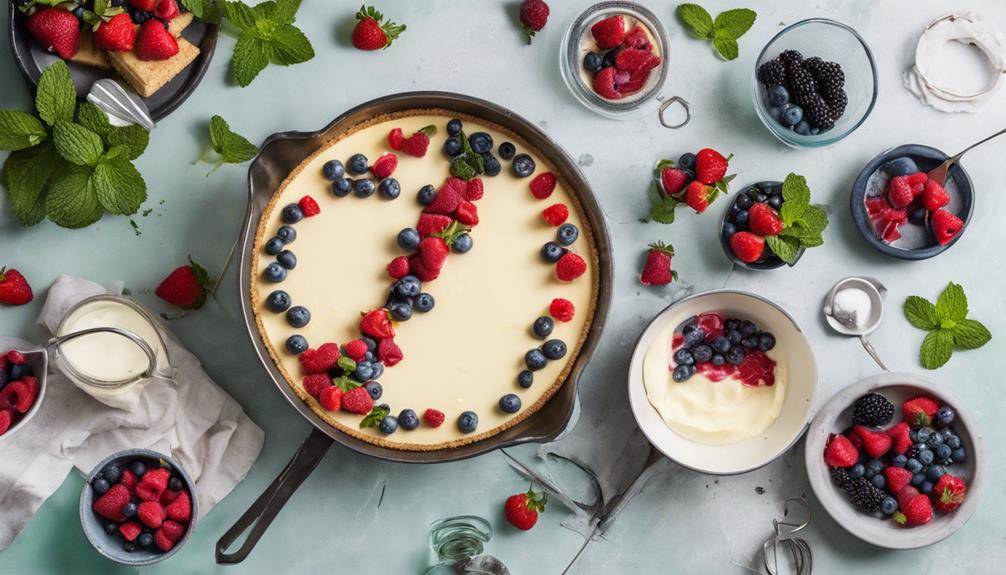
8 Best Steps To Perfect Cheesecake Preparation: To create the perfect cheesecake, start by choosing high-quality ingredients, especially full-fat cream cheese. Prepare a delicious crust, then mix the softened cream cheese until smooth. Incorporate room temperature eggs one at a time, mixing gently. Feel free to enhance flavors with fruit purees, chocolate, or spices. Use a water bath to prevent cracks while baking. Carefully monitor the baking time, ensuring the edges set while the center remains slightly jiggly. Finally, cool your cheesecake properly for ideal taste and texture. Follow these steps and you'll uncover more secrets to elevate your cheesecake game.
Choose the Right Ingredients
Click Here and Turn Every Masterpiece into a Showstopper!
When it comes to cheesecake, choosing the right ingredients is essential for achieving that perfect creamy texture and flavor. The foundation of any great cheesecake is cream cheese, and there are several cream cheese types to evaluate. Full-fat cream cheese will give you that rich and velvety texture you crave, while reduced-fat options can still work if you're looking to cut calories. However, be cautious—using too much low-fat cream cheese can result in a cheesecake that lacks the creaminess you desire.
Next, you'll want to think about sweetness. Traditional recipes often call for granulated sugar, but there are plenty of sugar alternatives that can work just as well. For instance, you might try using honey or maple syrup for a natural sweetness that adds depth to your cheesecake. If you're aiming for a sugar-free option, weigh erythritol or stevia, which can provide sweetness without the added calories.
Don't forget about the role of flavoring agents, like vanilla extract or lemon juice, to enhance your cheesecake's taste. These simple ingredients can elevate your dessert from good to unforgettable.
Prepare the Crust
A great cheesecake starts with a solid crust that complements its creamy filling. When you prepare the crust, you've got a few options to take into account. The most popular crust types include graham cracker, Oreo, and even nut-based crusts. Each type brings its unique flavor and texture, so choose one that pairs well with your cheesecake filling.
To start, crush your chosen base into fine crumbs. If you're using graham crackers, you can easily do this in a food processor or by placing them in a zip-top bag and rolling over them with a rolling pin. Once you've got your crumbs, mix them with melted butter and a bit of sugar. The butter helps bind the crumbs together, while the sugar enhances the sweetness.
Now, let's talk about crust thickness. A standard cheesecake crust is usually about 1/4 to 1/2 inch thick, but you can adjust this according to your preference. If you enjoy a thicker crust, simply add more crumbs and butter to your mixture. Once your crust is ready, press it firmly into the bottom of your springform pan to create an even layer. Don't forget to bake it for about 10 minutes at 350°F to set it before adding your cheesecake filling. This step guarantees your crust will hold its shape and provide a delightful crunch with every bite. Enjoy the process—it's the foundation of your delicious cheesecake!
Mix the Cream Cheese
Achieving a creamy, smooth texture is fundamental for a perfect cheesecake, and mixing the cream cheese properly plays an important role. Start by taking your cream cheese out of the fridge and letting it sit at room temperature for about 30 minutes. This step guarantees it softens, making it easier to achieve that desired cream cheese texture. If you skip this, you risk lumps that can ruin your cheesecake.
Next, use a stand mixer or a hand mixer to blend the cream cheese. Mixing techniques are significant here; beat the cream cheese on medium speed for about two to three minutes until it's completely smooth. Stop occasionally to scrape down the sides of the bowl. This guarantees every part of the cream cheese gets mixed evenly, preventing any stubborn lumps.
If you notice that the cream cheese still isn't as smooth as you'd like, you can gradually increase the speed to high for another minute. Just be careful not to overmix, as this can incorporate too much air, leading to cracks in your cheesecake.
Once you've achieved that perfect cream cheese texture, you're ready to move on to the next step in your cheesecake preparation. Remember, the foundation of a great cheesecake starts with well-mixed cream cheese, so take your time and enjoy the process. The result will be a cheesecake that's rich, creamy, and utterly delicious.
Incorporate Eggs Carefully
Carefully incorporating eggs is vital for the overall texture and structure of your cheesecake. If you want a smooth, creamy consistency, you need to pay attention to how you add the eggs. Start by confirming your eggs are at room temperature. Cold eggs can cause the cream cheese mixture to seize, leading to lumps and an uneven texture. To bring eggs to the right temperature, simply take them out of the refrigerator about 30 minutes before you start mixing.
When it comes to egg incorporation, you should add them one at a time. This allows each egg to blend fully into the batter before introducing the next. Crack the egg into a separate bowl first to avoid any shell mishaps, then pour it into your mixture. Mixing on low speed is vital; you don't want to overbeat the batter, which can introduce too much air and cause your cheesecake to crack while baking.
Once you've added all the eggs, gently scrape down the sides of the bowl to confirm everything is well combined. This final step helps achieve even texture throughout the batter. If you follow these tips, you'll find that your cheesecake will have a velvety and rich consistency that's hard to resist. Remember, the key to perfect egg incorporation lies in patience and attention to detail, so take your time and enjoy the process!
Add Flavoring Options
How can you elevate the flavor of your cheesecake to make it truly unforgettable? The key lies in the flavoring options you choose. Start with fruit purees. Whether it's strawberry, raspberry, or mango, swirling a fruit puree into your batter adds a revitalizing burst of flavor and stunning visuals. If you're a chocolate lover, consider incorporating chocolate swirls for a decadent touch that will have everyone coming back for more.
Don't forget about citrus zest! A bit of lemon or orange zest can brighten your cheesecake, while spice blends like cinnamon or nutmeg infuse warmth and complexity. You might even want to experiment with liqueur infusions. A splash of Amaretto or Kahlua can create a rich, sophisticated flavor profile.
Nut extracts, like almond or hazelnut, can also add depth. If you're feeling adventurous, try a savory twist by mixing in herbal notes, such as rosemary or thyme, for a unique cheesecake that surprises the palate.
For an indulgent finish, consider a caramel drizzle on top, or add coffee flavoring for a delightful after-dinner treat. The possibilities are endless, so don't hesitate to mix and match these options. With a little creativity, you'll craft a cheesecake that's not only delicious but also memorable.
Click Here and Turn Every Masterpiece into a Showstopper!
Use the Water Bath
Using a water bath is a game changer for cheesecake, ensuring a creamy texture without cracks. This baking technique involves placing your cheesecake pan inside a larger pan filled with hot water. The steam created helps to regulate the temperature around the cheesecake, preventing the edges from cooking too quickly while keeping the center perfectly smooth.
One of the primary water bath benefits is that it minimizes the risk of overbaking. Cheesecakes are sensitive to temperature changes, and a sudden burst of heat can lead to cracks on the surface. By using a water bath, you create a gentle cooking environment that allows for even baking. This technique also promotes a silky texture, making each slice melt in your mouth.
To set up your water bath, wrap the bottom of your cheesecake pan with aluminum foil to prevent water from seeping in. Place the wrapped pan in a larger baking dish and fill it with hot water until it reaches about halfway up the sides of the cheesecake pan. This simple step considerably enhances your baking process and the final product.
Remember to preheat your oven before starting this setup, as the hot water will help maintain a consistent temperature. This method might require a bit more effort, but the results are well worth it. Your cheesecake will emerge beautifully baked, creamy, and crack-free, impressing anyone lucky enough to taste it. So, embrace the water bath technique, and elevate your cheesecake game!
Monitor Baking Time
Monitoring baking time is essential for achieving the perfect cheesecake. Overbaking can lead to a dry, cracked texture, while underbaking leaves you with a gooey center. Start by preheating your oven and ensuring it's properly calibrated. An oven thermometer can help you verify the actual temperature, as many home ovens can be off by several degrees.
Once you place your cheesecake in the oven, keep an eye on the time. Most recipes will recommend a specific range, but remember that every oven is different. Use quality baking tools, like a timer, to help you track the duration accurately. Setting the timer for a few minutes less than the recommended time can prevent overbaking. When the timer goes off, check the cheesecake's doneness by gently shaking the pan; the outer edges should be set while the center remains slightly jiggly.
If you find it's not ready, continue baking in short intervals of 5-10 minutes. Make sure to avoid opening the oven door too frequently, as this can cause a drop in temperature that affects baking time. Instead, look through the oven window to monitor progress.
Once you're confident it's done, remove the cheesecake from the oven and let it cool slightly. Remember, the baking time is vital in creating a creamy, delicious cheesecake that's sure to impress. By staying vigilant and using the right tools, you'll achieve that perfect balance between rich flavor and smooth texture.
Cool and Serve Properly
Once your cheesecake is out of the oven, it's essential to let it chill properly to achieve the best texture and flavor. Serving it at the right temperature can make all the difference in how it tastes. Let's explore why chilling time matters and how to serve it perfectly.
Chilling Time Importance
Chilling your cheesecake for the right amount of time is crucial for achieving that perfect texture and flavor. If you skip this step or rush it, you might end up with a dense, unappetizing dessert instead of the creamy delight you envisioned. So, pay attention to chilling techniques and make sure you're following the ideal duration.
After baking, let your cheesecake cool at room temperature for about an hour. This helps prevent cracks from forming on the surface. Next, cover it with plastic wrap or aluminum foil, and place it in the refrigerator. Aim for at least four to six hours of chilling time, but overnight is even better for allowing those flavors to meld beautifully.
During this chilling period, the cheesecake firms up, making it easier to slice and serve. Plus, the longer it chills, the more flavors develop, enhancing the overall taste. Remember, patience is key here. Don't be tempted to dig in too soon; the wait will be worth it. By giving your cheesecake the proper chilling time, you're setting yourself up for a truly delicious dessert that'll impress everyone at the table.
Serving Temperature Tips
The ideal serving temperature for cheesecake is around 50-60°F (10-15°C), which allows the rich flavors and creamy texture to truly shine. To achieve this perfect serving temperature, take your cheesecake out of the refrigerator about 30 minutes before you're ready to serve. This gentle warming enhances the taste and makes slicing easier.
When it comes to presentation ideas, consider garnishing your cheesecake with fresh fruit, chocolate shavings, or a drizzle of fruit coulis. These toppings not only add visual appeal but also complement the cheesecake's flavors. For a sophisticated touch, serve individual slices on elegant plates, and don't forget to include a dollop of whipped cream on the side.
If you're hosting a gathering, keep your cheesecake on a cake stand at room temperature for a short time, but remember to refrigerate any leftovers promptly to maintain freshness. By paying attention to the serving temperature and presentation, you'll elevate the cheesecake experience for your guests, making it a memorable treat that they'll rave about long after the last slice is gone. Enjoy your cheesecake adventure!
Click Here and Turn Every Masterpiece into a Showstopper!
Frequently Asked Questions: 8 Best Steps To Perfect Cheesecake Preparation
Can I Use Low-Fat Cream Cheese for a Healthier Cheesecake?
Yes, you can use low-fat cream cheese for a healthier cheesecake. It's a great option among low-fat alternatives and cream cheese substitutes. Just remember, the texture and flavor might differ slightly from traditional cream cheese.
How Do I Know When My Cheesecake Is Fully Baked?
To know when your cheesecake's fully baked, monitor the baking time closely. Do a texture check by gently shaking the pan; it should wobble slightly in the center but be set around the edges.
What Is the Best Way to Store Leftover Cheesecake?
To store leftover cheesecake, wrap it tightly in plastic wrap or aluminum foil. Alternatively, place it in an airtight container. These cheesecake storage tips keep it fresh and delicious for up to five days in the fridge.
Can I Freeze Cheesecake, and if So, How?
Yes, you can freeze cheesecake! For the best cheesecake texture, wrap it tightly in plastic wrap and place it in an airtight container. Thaw it in the fridge before serving to maintain its creamy consistency.
What Toppings Pair Well With Cheesecake for Serving?
You've got plenty of delicious options for cheesecake toppings! Consider fruit compotes, chocolate ganache, or caramel drizzle. Nut toppings, berry coulis, whipped cream, cookie crumbs, and citrus zest also elevate your dessert beautifully. Enjoy!

Conclusion
By following these eight essential steps, you're well on your way to creating the perfect cheesecake. Choosing high-quality ingredients, preparing the crust carefully, and mixing the cream cheese just right make all the difference. Don't forget to incorporate the eggs gently and add your favorite flavorings. Using a water bath guarantees even baking, so keep an eye on the time. Finally, let your cheesecake cool properly before serving. Enjoy your delicious creation!