Perfecting Pizza: Guide To Cooking Time And Temperature
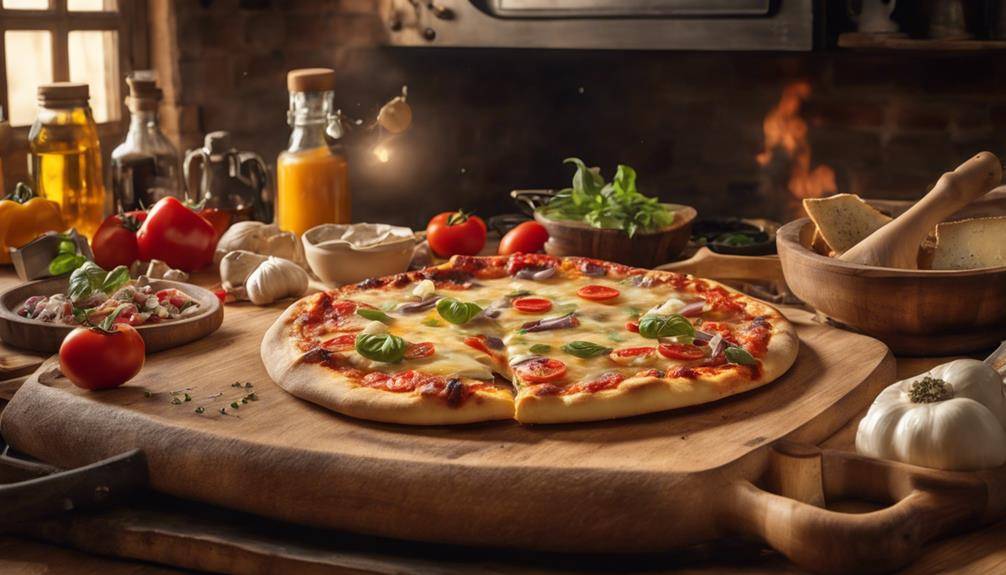
Pizza: Guide To Cooking Time And Temperature: To perfect your pizza, focus on the cooking time and temperature. Preheat your oven to 475-500°F for ideal crust. Cooking usually takes 10-15 minutes, depending on thickness; thin crusts need less time while thicker ones need a bit more. Use an oven thermometer to guarantee accuracy, as calibration can vary by 25°F. Check for visual cues like a golden crust and bubbling cheese, indicating it's done. If you're using a pizza stone, preheat it to enhance crispiness. There's more to mastering pizza, including dough tips and topping choices, waiting just ahead.
Understanding Pizza Dough
Click Here and Turn Every Masterpiece into a Showstopper!
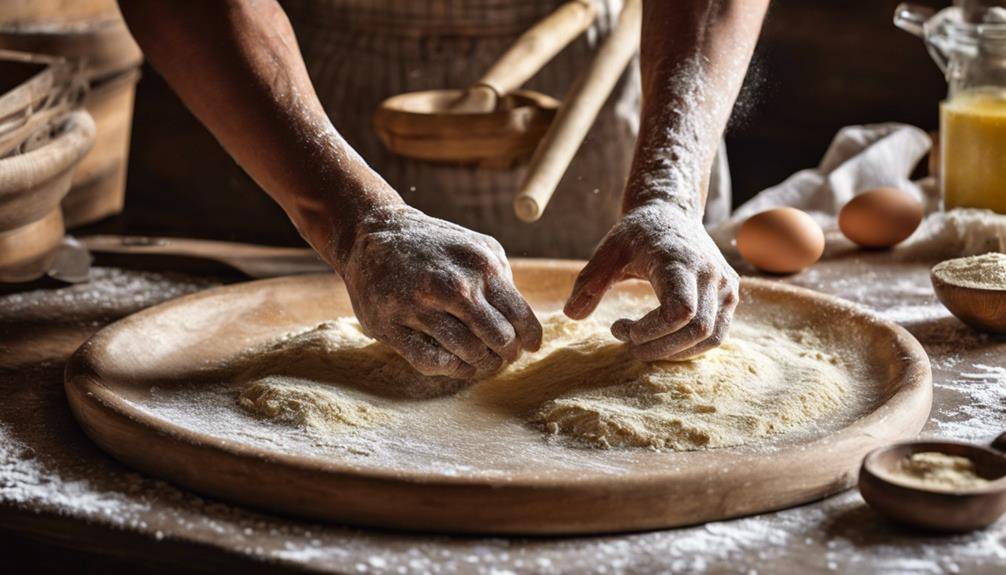
When it comes to pizza, the dough is its foundation, and getting it right is vital. Start by paying attention to dough hydration; the right water-to-flour ratio influences the final texture. Aim for about 60-65% hydration for a perfect balance between chewiness and crispiness. Next, employ effective fermentation techniques; allowing your dough to rise for several hours or overnight enhances flavor and texture.
As you mix your ingredients, focus on gluten development. Kneading methods play an important role here; whether you choose the traditional hand-kneading or a stand mixer, make sure you develop that gluten structure adequately. After kneading, don't forget the importance of resting periods. Giving your dough time to relax helps it become more pliable and easier to shape later.
When it comes to shaping techniques, take your time to stretch the dough gently. Pressing too hard can deflate the bubbles formed during fermentation, leading to a denser crust. Proper dough storage is also key; if you're not using the dough right away, refrigerate it to slow down fermentation without compromising flavor.
Oven Temperature Basics
Achieving the perfect pizza dough sets the stage, but the oven temperature can make or break your creation. If you want to enjoy that crispy crust and melty cheese, you need to pay attention to how your oven operates. Start by checking your oven calibration. Many home ovens can be off by as much as 25 degrees Fahrenheit, which can dramatically affect your pizza. Use an oven thermometer to verify the actual temperature inside. Once you know your oven's true temperature, you can adjust your settings for best results.
Next, consider heat distribution. Some ovens have hot spots, meaning certain areas get hotter than others. This uneven heat can lead to unevenly cooked pizza; one side might be perfectly crisp, while the other remains doughy. To combat this, rotate your pizza halfway through cooking. If you have a convection oven, use it to your advantage. The fan helps circulate hot air, providing more even heat distribution, which is ideal for cooking pizza.
For a traditional pizza experience, aim for a temperature of around 475 to 500 degrees Fahrenheit. This high heat helps achieve that quick cook time needed for the perfect crust. If you're using a pizza stone, allow it to preheat thoroughly to absorb heat and provide a solid base for your pizza. Remember, a well-calibrated oven and proper heat distribution are your best allies in the quest for pizza perfection.
Cooking Time Essentials
How do you know when your pizza is perfectly cooked? It all comes down to mastering your cooking time and using effective timing strategies. Start by preheating your oven to the right temperature. Most pizzas thrive at around 475°F to 500°F, but it's crucial to adjust based on your specific recipe and oven type.
When you place your pizza in the oven, keep an eye on it. Cooking techniques like rotating your pizza halfway through the cooking time can help achieve an even bake. Generally, pizzas take about 10 to 15 minutes to cook, but this can vary. Use a timer, but don't rely solely on it—visual cues are just as important.
Look for a golden-brown crust, bubbly cheese, and slightly charred edges. If your pizza has these characteristics, it's likely done. If you're unsure, use a thermometer; the internal temperature should ideally be around 200°F.
Experimenting with different timing strategies can also enhance your pizza game. For instance, if you're using a pizza stone, it retains heat and may cook your pizza faster than a regular baking sheet. Adjust your time accordingly.
Impact of Oven Type
While the type of oven you use can greatly influence your pizza's outcome, understanding these differences can help you make the most of your cooking experience. Each oven type has unique characteristics that affect temperature control and heat distribution, which are critical for baking the perfect pizza.
Convection ovens are popular for their even heat distribution. They circulate hot air, helping to achieve a crispy crust while keeping the toppings evenly cooked. However, you might need to adjust your cooking time since they often cook faster than traditional ovens.
Wood-fired ovens are a favorite among pizza aficionados for their high temperatures and unique flavor. A well-maintained wood-fired oven can reach 800°F, allowing you to cook pizza in just 90 seconds. The intense heat and radiant flames create a delightful char on the crust that you can't replicate in other ovens.
Electric ovens are versatile and easy to use. They provide stable temperature control, making them suitable for consistent results. To enhance your baking experience, consider using a pizza steel or a baking stone to mimic the effects of a traditional pizza oven.
Gas ovens offer a similar experience, heating up quickly and providing good temperature control. They can also create hot spots, so rotating your pizza during cooking is essential for even baking.
Lastly, air fryers can be a fun alternative for smaller pizzas, delivering a crispy texture without the need for large baking surfaces. Whichever oven you choose, mastering your cooking techniques will help you achieve pizza perfection.
Perfecting Toppings
When it comes to perfecting your pizza toppings, choosing fresh ingredients is key. You'll want to balance flavor profiles to create that mouthwatering experience everyone craves. Let's explore how to pick the right toppings that elevate your pizza game.
Choosing Fresh Ingredients
Choosing fresh ingredients is essential for crafting the perfect pizza, and it can make all the difference in flavor and texture. Start by sourcing ingredients from local markets. This not only supports your community but often yields the best seasonal produce. Look for ripe tomatoes that are bursting with flavor; they're the foundation of any great pizza sauce.
Don't forget to include quality cheese. Whether it's a rich mozzarella or a sharp provolone, fresh cheese enhances every bite. When it comes to meats, opt for artisanal options like prosciutto or spicy salami that can elevate your pizza to gourmet status.
Incorporate fresh herbs to add an aromatic touch—basil and oregano work wonders. If you can, choose organic options for your toppings, as they tend to be fresher and more flavorful.
Experiment with combinations of seasonal produce, like zucchini in summer or roasted butternut squash in fall. By prioritizing fresh ingredients, you'll not only enhance the taste of your pizza but also create a memorable dining experience that celebrates the best flavors nature has to offer.
Balancing Flavor Profiles
Balancing flavor profiles is essential for perfecting your pizza toppings. Start by considering your sauce balance; whether you choose a zesty marinara or a creamy Alfredo, it sets the stage for everything else. Next, think about cheese selection. A blend of mozzarella with a sharp cheddar or tangy goat cheese can create a delightful harmony.
Layer your ingredients thoughtfully—start with a base layer of cheese for texture variety, then add your toppings. Use herb combinations like basil, oregano, or thyme to enhance aroma and flavor. Pay attention to seasoning ratios; too much can overwhelm, while too little may leave your pizza flat.
Incorporate flavor contrast by adding sweet elements, such as caramelized onions or fresh figs, alongside savory meats or veggies. The regional influences in your toppings can also elevate your dish; think of classic Italian versus a spicy Mexican twist. Finally, guarantee taste harmony by balancing bold and subtle flavors, creating a well-rounded experience. With these strategies, you'll create a pizza that's not only delicious but also memorable.
Click Here and Turn Every Masterpiece into a Showstopper!
Common Cooking Mistakes
When you're making pizza, it's easy to make some common mistakes that can ruin your meal. Overcooking the crust can lead to a dry, unappetizing bite, while using the wrong oven temperature can result in uneven cooking. Let's explore how to avoid these pitfalls for the perfect pizza experience.
Overcooking the Crust
Many home cooks unknowingly overcook their pizza crust, leading to a dry and hard texture that detracts from the overall experience. Achieving the perfect crust involves more than just timing; you need to pay attention to both the crust texture and crust color. If you let your pizza bake too long, you risk losing that delightful chewiness and golden hue you're aiming for.
Instead of relying solely on the timer, keep an eye on your pizza as it cooks. A well-cooked pizza should have a crispy yet tender texture and a golden-brown color. Start checking it a few minutes before the recommended baking time. If you notice the edges darkening too quickly, it's a sign that it might be overcooking.
To avoid this mistake, consider using a pizza stone or steel, which helps distribute heat evenly. This way, you'll achieve that perfect balance of a crisp exterior and a soft, flavorful inside. Remember, a little observation goes a long way. Trust your instincts and remove the pizza when it looks just right to you, ensuring that every slice is a delight.
Incorrect Oven Temperature
Even if you've perfected your dough and toppings, an incorrect oven temperature can ruin your pizza. If your oven's not calibrated properly, you might end up with a soggy crust or burnt edges. Many home cooks assume their ovens heat accurately, but temperature variations are common. You could be cooking at a much lower or higher temperature than you think.
To guarantee you're hitting the right temperature, invest in an oven thermometer. This simple tool will help you verify your oven's calibration and prevent mishaps. If your oven runs hot, you might need to lower the temperature or adjust cooking times. Conversely, if it runs cold, it could mean adding extra time or cranking up the heat.
Adjusting for Thickness
Thickness can make or break your pizza experience. When you're preparing to bake, it's vital to take into account the dough thickness you're working with. A thicker crust requires different cooking adjustments than a thin one. If you roll out your dough to a thicker size, you'll need to extend the cooking time to guarantee the center cooks through properly. Conversely, if you prefer a thin crust, you can reduce the cooking time to avoid over-crisping the edges.
When you adjust for thickness, you should also keep an eye on your oven temperature. A high temperature works wonders for thin crusts, giving them that perfect crispy finish in less time. For thicker crusts, you might need to lower the temperature slightly. This allows the outside to cook evenly while giving the inside ample time to rise and bake.
Another important factor to bear in mind is how toppings impact your cooking adjustments. Heavier toppings on a thicker crust can trap moisture, making it necessary to cook it longer. You might also want to pre-cook certain toppings to guarantee everything comes out perfectly balanced.
Using a Pizza Stone
A pizza stone can elevate your homemade pizza to a whole new level. Its ability to retain and distribute heat evenly helps you achieve that perfect crust you crave. When you preheat your stone, it absorbs moisture from the dough, resulting in a crispy, golden-brown base. This is one of the key pizza stone benefits that every pizza lover should experience.
To maximize these benefits, you need to guarantee the ideal placement of your pizza stone in the oven. Position it on the middle rack, allowing for even heat circulation. As you preheat, give your stone at least 30 to 45 minutes to reach the desired temperature. This step is essential; a well-heated stone can make all the difference between a soggy crust and a beautifully baked pizza.
When you're ready to bake, use a pizza peel dusted with flour or cornmeal to slide your pizza onto the stone. This will help prevent sticking and make the transfer smoother. Avoid opening the oven door too often, as this can lower the temperature and affect your pizza's cooking time.
After baking, let your pizza stone cool down gradually in the oven. Rapid temperature changes can lead to cracking, so patience is key. With the right technique and placement, a pizza stone can become your secret weapon for achieving pizzeria-quality pizza at home. Embrace this tool, and you'll wonder how you ever cooked without it!
Testing for Doneness
Knowing when your pizza is perfectly cooked can be tricky, but there are some reliable methods to test for doneness. Start by observing the visual cues. The crust color should be a golden brown, indicating it's been cooked through. If you notice the cheese bubbling and the toppings starting to brown, you're on the right track.
Next, perform a texture check. Gently press down on the edge of the crust; it should feel firm and crispy, not soft or doughy. If you're unsure, use a food thermometer to check the internal temperature of the pizza. Ideally, it should reach around 200°F (93°C) in the center. This guarantees that both the crust and toppings are adequately cooked.
Aroma detection is another helpful method. The delightful smell of baked dough, melted cheese, and sizzling toppings can signal that your pizza is nearing perfection. If it smells amazing, it's likely ready to be removed from the oven.
Don't forget to pay attention to the cheese. When it's bubbly and golden, it's a strong indicator that your pizza is done. However, if the crust is perfectly browned but the cheese looks dull, give it a couple more minutes.
Click Here and Turn Every Masterpiece into a Showstopper!
Frequently Asked Questions: Pizza: Guide To Cooking Time And Temperature
How Do I Prevent My Pizza Crust From Burning?
To prevent your pizza crust from burning, adjust the oven placement. For thicker crusts, position the pizza lower to guarantee even cooking, and for thinner crusts, keep it higher to avoid excessive direct heat.
Can I Freeze Leftover Pizza?
Yes, you can freeze leftover pizza! Just slice it, wrap each piece in freezer bags, and store them. When you're ready to eat, choose your favorite topping choices, and reheat for a delicious meal!
What's the Best Way to Reheat Pizza?
To reheat pizza, use microwave methods for quick results, but consider oven techniques for a crispier crust. Preheat your oven, place the pizza on a baking sheet, and warm it for about 10 minutes. Enjoy!
How Do Different Cheeses Affect Cooking Time?
Different cheese types impact cooking time due to their melting points and moisture content. Softer cheeses melt faster, while harder cheeses take longer, altering flavor profiles. Choose wisely to achieve your desired pizza perfection.
Can I Cook Pizza on a Grill?
Yes, you can cook pizza on a grill! Different grill types, like gas or charcoal, impact the cooking method. Experiment with topping choices to find your perfect flavor combination while achieving that delicious, smoky crust.

Conclusion
Now that you've got the essentials for perfecting your pizza, it's time to put your skills to the test. Remember to adjust the cooking time and temperature based on your oven type and dough thickness. Don't forget to keep an eye on those toppings! With practice, you'll create delicious, restaurant-quality pizzas right at home. So fire up that oven, grab your ingredients, and enjoy the satisfying experience of making the perfect pizza!