Asian Stir-Frying Techniques And Tips
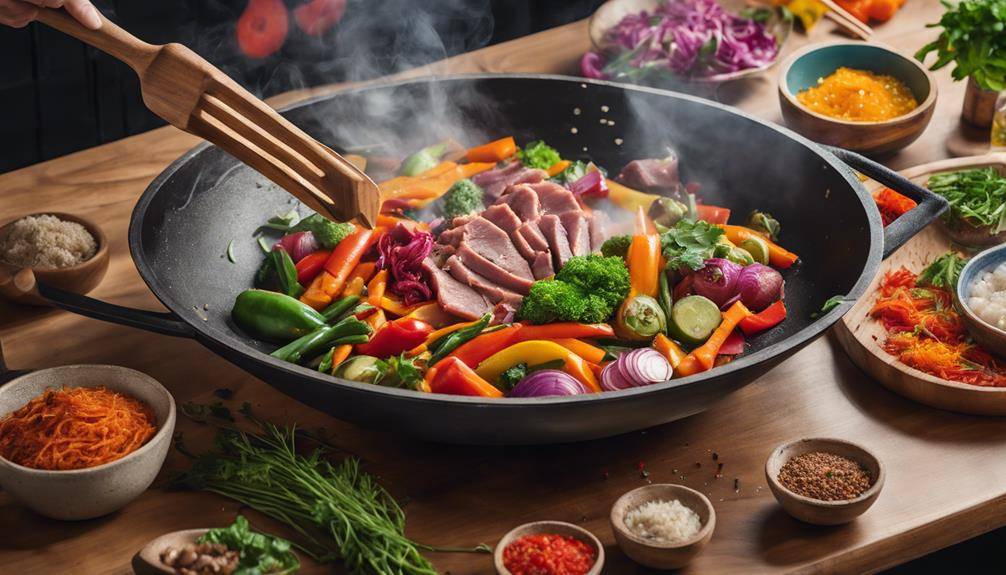
Asian Stir-Frying Techniques And Tips: To master Asian stir-frying, start with the right wok—carbon steel is versatile and distributes heat evenly. Gather fresh ingredients, slicing proteins thinly for quick cooking. Preheat your wok until it shimmers, then add oil with a high smoke point. Cook aromatics first for flavor, and layer in ingredients based on cooking times. Don't overcrowd the wok to maintain heat. Experiment with sauces to enhance flavor, like soy or oyster sauce, added at the right moment. With practice, you'll achieve delicious results. Stick around to explore more tips and techniques that can elevate your stir-frying game!
Click Here and Turn Every Masterpiece into a Showstopper!
Choosing the Right Wok
When choosing the right wok, what factors should you consider to guarantee the best stir-frying experience? First, think about wok materials. Traditional carbon steel woks are popular because they heat up quickly and provide excellent heat distribution. They develop a natural non-stick surface over time, making them ideal for high-heat cooking. If you're looking for something more modern, consider a non-stick or stainless steel wok. Non-stick woks are easy to clean, but they may not withstand high temperatures as well as carbon steel. Stainless steel woks offer durability and even heating, but they might require more oil to prevent sticking.
Next, think about wok sizes. The size of your wok should correspond to your cooking needs and the number of people you typically cook for. A 14-inch wok is a versatile choice for most households, allowing you to cook enough food while still being manageable on the stove. If you're planning to cook for larger gatherings, a bigger 16-inch or 18-inch wok might be more suitable. However, keep in mind that larger woks can be heavier and more challenging to handle.
Lastly, consider the wok's shape. A round-bottomed wok is great for traditional gas stoves, while a flat-bottomed wok works better on electric ranges. By paying attention to materials, sizes, and shapes, you'll guarantee you pick a wok that fits your cooking style perfectly. Happy stir-frying!
Essential Ingredients for Stir-Frying
Having the right wok sets the stage for a successful stir-frying experience, but equally important are the ingredients you choose. To create delicious dishes, you'll want to focus on ingredient freshness. Fresh vegetables, proteins, and aromatics elevate your meal, ensuring vibrant flavors and textures.
Start with your protein, whether it's chicken, beef, tofu, or shrimp. Choose cuts that are suitable for quick cooking, like thinly sliced meats or cubed tofu. Next, consider your vegetables. Opt for a mix that complements your protein and offers a variety of colors and textures. Bell peppers, broccoli, and snap peas are great choices.
Now, let's talk about essential oils. High smoke point oils, like peanut or canola oil, are perfect for stir-frying. They not only help prevent sticking but also enhance flavor profiles. When it comes to spice selection, think about what you want to achieve. Ginger, garlic, and chili peppers can add depth and heat, while sesame oil drizzled at the end provides a nutty finish.
Meal prepping can streamline your cooking process. Chop your ingredients ahead of time and have your cooking utensils ready for a seamless experience. Finally, apply seasoning techniques carefully. Soy sauce, oyster sauce, or a sprinkle of salt can work wonders, but balance is key. Aim for a nutritional balance by incorporating a variety of ingredients, and you'll create dishes that are not only tasty but also wholesome.
Preparing Your Ingredients
A well-prepped workspace makes all the difference in stir-frying. Before you start cooking, gather all your ingredients and verify they're fresh. Proper ingredient storage is essential; keep vegetables in the fridge and proteins in the freezer until you're ready to use them. This not only maintains their quality but also saves you time when you're cooking.
Next, focus on your knife skills. Efficient chopping and slicing can speed up your prep time considerably. Aim for uniform pieces, as they'll cook evenly. For vegetables like bell peppers and carrots, slice them into thin strips or dice them into small cubes, depending on your recipe. If you're working with proteins, cut them against the grain for tenderness.
Don't forget to prepare your aromatics, like garlic and ginger, as they'll add depth to your dish. Mince them finely or slice them into thin rounds, depending on your preference.
Once you've prepped all your ingredients, organize them into separate bowls or containers. This mise en place will help you see everything at a glance and make it easy to grab what you need as you cook. Remember, stir-frying is a quick process, so having everything ready to go will guarantee a smooth cooking experience.
Heat Management Techniques
When stir-frying, managing heat is essential for achieving the perfect dish. You need to control heat levels, preheat your wok, and adjust cooking times to guarantee even cooking and vibrant flavors. Mastering these techniques will elevate your stir-frying skills considerably.
Controlling Heat Levels
Mastering heat levels is essential for successful stir-frying, as it directly affects the texture and flavor of your ingredients. You need to focus on flame control to create the right stir fry intensity. Different cooking surfaces can help you achieve this; for instance, a well-seasoned wok retains heat effectively, allowing for quick cooking.
Start by preheating your wok to the appropriate temperature, but be mindful of temperature variations. Too high a heat can lead to burnt food, while too low may result in soggy dishes. Keep an eye on the smoke point—when you see smoke, it's time to adjust flames. If you're using gas, you can easily tweak the flames, but with electric heat sources, you'll need to adjust the temperature settings.
As you cook, pay attention to your ingredients. They might require seasoning adjustments based on the heat. High heat enhances flavors quickly, while lower heat can help develop deeper tastes. Remember, controlling heat levels is about finding that sweet spot where your food cooks evenly and deliciously, ensuring each bite is just right.
Preheating Your Wok
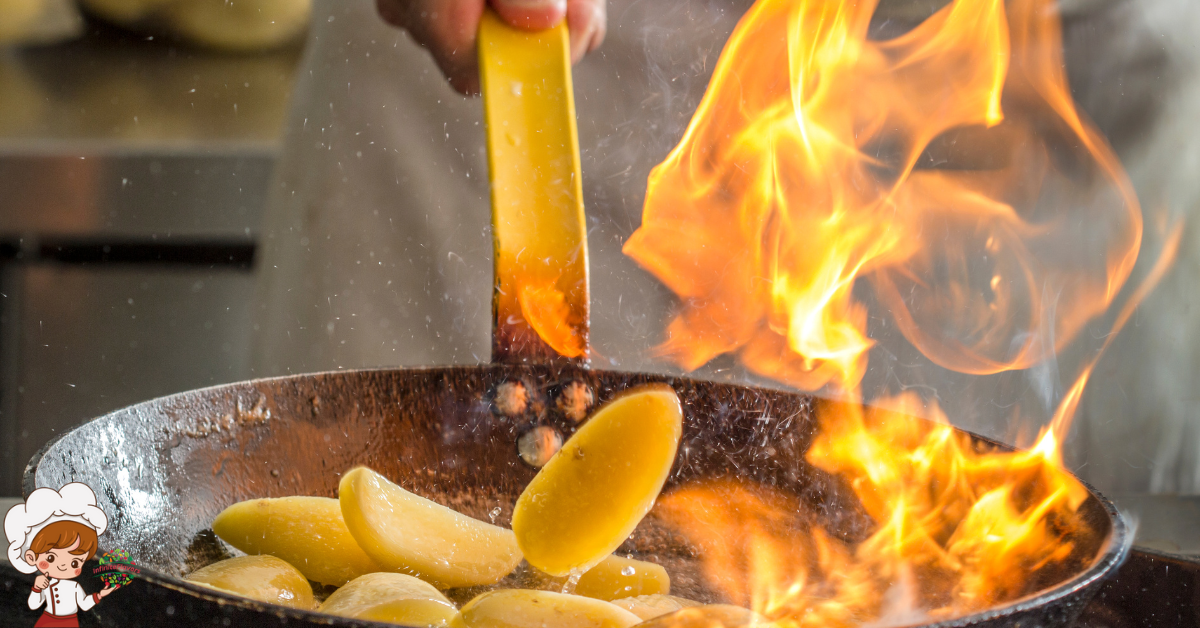
Achieving the right heat level starts with preheating your wok properly. When you heat your wok before cooking, you guarantee even heat distribution, which is essential for effective stir-frying. Begin by placing your empty wok on high heat for a couple of minutes. You'll know it's ready when it starts to shimmer slightly.
Next, it's all about oil selection. Opt for oils with high smoke points, like peanut or canola oil. These oils can handle the high temperatures typical in stir-frying without burning. Once your wok reaches the right temperature, add a small amount of your chosen oil, swirling it around to coat the surface evenly. This not only enhances flavor but also aids in wok maintenance, keeping the surface seasoned and non-stick.
Remember to avoid overcrowding the wok, as this can lower the temperature quickly. If you maintain a consistent heat throughout the cooking process, you'll achieve that beautifully seared result. By mastering the preheating phase, you set the stage for successful stir-frying, making certain your ingredients cook evenly and retain their vibrant colors and textures.
Adjusting Cooking Times
Adjusting cooking times is crucial for perfecting your stir-fry. Each ingredient cooks at a different rate, so you need to pay attention to their size and texture. For instance, thicker vegetables like broccoli or carrots require longer cooking times, while delicate items such as bell peppers or bean sprouts need just a quick toss in the pan.
Start by adding ingredients that take longer to cook first, and gradually introduce the quicker-cooking items. This method will guarantee everything is cooked evenly and retains its flavor and crunch. When adjusting cook times, keep an eye on the heat level; too high can scorch your ingredients, while too low may lead to soggy results.
To master this technique, try cutting your ingredients into uniform sizes. Smaller pieces cook faster, while larger ones need more time. You'll get a feel for timing as you practice, allowing you to create a beautifully balanced stir-fry. Remember, it's all about timing and attention to detail. So, adjust your cooking times based on ingredient size, and enjoy the vibrant, fresh results of your culinary efforts!
Stir-Frying Methods Explained
Understanding stir-frying methods can elevate your cooking skills and bring authentic Asian flavors to your kitchen. One of the primary techniques is the high-heat stir-fry, where you cook ingredients quickly over intense heat. This method locks in flavors and maintains vibrant colors, allowing for excellent flavor balancing. You'll want to guarantee your wok or pan is preheated thoroughly before adding any oil; this will help achieve that coveted sear.
Another method is the low-and-slow stir-fry, where you cook ingredients at a lower temperature for an extended period. This technique helps develop deeper flavors and is perfect for tougher ingredients like meat or root vegetables. Here, you can focus on texture contrast, allowing softer ingredients to meld with more robust ones, creating a pleasing mouthfeel.
You can also experiment with the layering technique, where you add ingredients based on their cooking times. Start with aromatics, then add proteins, followed by harder vegetables, and finish with delicate items like leafy greens. This method promotes even cooking and enhances the dish's overall taste.
Click Here and Turn Every Masterpiece into a Showstopper!
Timing and Sequence of Cooking
When it comes to stir-frying, timing and sequence are essential for achieving that perfect balance of flavors and textures. You'll want to prepare your ingredients in the right order and pay attention to cooking times to guarantee everything is perfectly cooked. Plus, mastering heat control techniques can make all the difference in your stir-fry results.
Ingredient Preparation Order
Getting the timing right in your stir-frying can make all the difference in achieving that perfect balance of flavors and textures. To master this, you need to prioritize ingredient preparation order based on ingredient types and preparation techniques. Start with the aromatics, like garlic and ginger. These are your flavor base, and they should go into the wok first, releasing their essential oils.
Next, add your proteins, such as chicken, beef, or tofu. Since these usually take longer to cook, you'll want to guarantee they're diced uniformly for even cooking. After your protein is nearly done, it's time to introduce denser vegetables like carrots and broccoli. They require more time to cook, so giving them a head start is vital.
Cooking Times for Ingredients
Timing is essential in stir-frying, and knowing how long to cook each ingredient can elevate your dish. Start by considering the ingredient thickness; thicker pieces will naturally require more time to cook than thinner ones. For example, if you're using carrots, slice them thinly to guarantee they cook quickly and evenly.
Next, pay attention to the cooking temperature. High heat is vital for stir-frying, as it helps to seal in flavors while maintaining the crunchiness of your vegetables. When you add your ingredients, it's best to start with those that take the longest to cook, like protein or denser vegetables, and then add quicker-cooking items, like leafy greens, later on.
As a general rule, cook your proteins for about 3 to 5 minutes, depending on their size and thickness. For vegetables, aim for 2 to 4 minutes, stirring constantly to avoid burning. Remember to keep an eye on the color and texture—cooked but still crisp is the goal. By mastering these cooking times, you'll create perfectly balanced stir-fry dishes that are both delicious and visually appealing.
Heat Control Techniques
Controlling heat effectively is vital for achieving the perfect stir-fry. Start by adjusting the flame intensity based on the ingredients you're cooking. When you add vegetables, crank up the heat to high. This guarantees they sear quickly, preserving their color and crunch. If you're adding proteins like chicken or shrimp, consider lowering the flame slightly after they're seared to allow for even cooking without burning.
Timing is important, so always sequence your ingredients wisely. Begin with aromatics such as garlic and ginger, and let them sizzle for a few seconds before adding meat. Once the meat's browned, throw in veggies that require longer cooking times first, like carrots, followed by quicker-cooking ones like bell peppers.
Heat retention plays a significant role as well. If your wok or pan loses heat too quickly, your stir-fry could become soggy. Keep the ingredients moving, and avoid overcrowding the pan to maintain high temperatures. Remember, it's all about balance—managing flame intensity and timing guarantees each component of your stir-fry turns out just right.
Enhancing Flavor With Sauces
A well-crafted sauce can elevate your stir-fry from ordinary to extraordinary. To achieve the perfect flavor balance, you'll want to experiment with sauce pairings that complement your ingredients. Consider the regional variations in sauces; for example, a sweet and tangy teriyaki can work wonders with chicken, while a spicy Szechuan sauce can enhance the flavors of vegetables.
When creating your sauce, think about the thickness. A thicker sauce clings to your ingredients, while a thinner sauce can provide a lighter touch. Homemade sauces allow you to control the flavor profile, incorporating umami boosters like soy sauce or miso for depth. Don't shy away from mixing sauce combinations; a bit of oyster sauce with a splash of chili paste can transform your dish.
As you stir-fry, pay attention to cooking techniques that can enhance the sauce's impact. For instance, adding the sauce at the right moment guarantees it caramelizes beautifully, creating an irresistible glaze. Also, consider ingredient contrasts; pairing sweet, salty, and sour elements can create a harmonious dish.
Adjusting spice levels is essential too. If you prefer a milder flavor, tone down the heat with less chili, or balance it with sweeter ingredients. Remember, the key to a memorable stir-fry lies in the sauce, so invest time in crafting a blend that excites your palate while highlighting the freshness of your ingredients.
Tips for Cooking Protein
When cooking protein for your stir-fry, choosing high-quality ingredients is key to achieving the best flavor and texture. You'll also want to master proper marination techniques to enhance the protein's taste and tenderness. Finally, understanding cooking time guidelines will help you avoid overcooking and keep everything perfectly tender.
Selecting Quality Proteins
Quality proteins are the backbone of a great stir-fry, so it is important to choose the right ingredients. Start with smart protein sourcing; look for fresh, high-quality options. When selecting meat, pay attention to protein marbling, as this enhances flavor and tenderness. For ideal protein tenderness, lean cuts like chicken breast or sirloin work well, while fattier cuts like pork belly can add richness.
Consider various protein types to keep things interesting. Chicken, beef, pork, and seafood are classics, but don't overlook protein alternatives like tofu or tempeh for a vegetarian twist. Each has unique textures and flavors that can elevate your dish.
Proper protein storage is vital to maintain freshness. Store proteins in the coldest part of your fridge and use them within a few days to avoid spoilage. When it comes to protein portioning, aim for even slices; this guarantees quick, uniform cooking during stir-frying.
Proper Marination Techniques
Marinating proteins not only enhances their flavor but also tenderizes them, making for a more enjoyable stir-fry experience. To get the best results, focus on the right marinade ratios. A balance of acid, like vinegar or citrus juice, with oil is key for texture enhancement. The acid helps break down the protein, while the oil adds moisture.
Reflect on your chosen protein types—chicken, beef, or tofu—and match them with complementary ingredient pairings. For example, use soy sauce and ginger for chicken to create an umami-rich flavor profile. Don't forget to take into account cultural influences; a Thai-inspired marinade might include coconut milk and lemongrass.
Marination times vary, but generally, 30 minutes to a few hours works well. Aim for a seasoning balance that highlights the natural flavors of your protein without overpowering them. Spice blends can also add depth; a pinch of five-spice powder can elevate your dish considerably. Experiment with different combinations to find what delights your palate and enhances your stir-fry creations!
Cooking Time Guidelines
After marinating your chosen protein, understanding the right cooking times is essential for achieving perfectly cooked results. Different proteins require specific cooking temperature guidelines to guarantee they're safe and delicious. For instance, chicken should reach an internal temperature of 165°F, while beef can be cooked to varying degrees of doneness, generally between 130°F and 160°F.
When stir-frying, aim for high heat, usually around 400°F to 450°F. This quick cooking method helps retain moisture and flavor. Keep ingredient texture considerations in mind; proteins like shrimp cook much faster than beef or chicken, often needing just 3-4 minutes. If you're using thicker cuts of meat, slice them into smaller pieces to guarantee even cooking.
Another important tip is to avoid overcrowding the pan. When you add too much protein at once, it can lower the cooking temperature, leading to steaming rather than stir-frying. Cook in batches if necessary. Always check the doneness by cutting into the protein or using a meat thermometer. By paying attention to these cooking time guidelines, you'll guarantee that your stir-fried dishes are both safe and satisfying.
Vegetable Selection and Preparation
Selecting the right vegetables is essential for a successful stir-fry. You want to create colorful combinations that not only look appealing but also enhance the dish's flavor profiles. Start by choosing seasonal vegetables; they're often fresher and more flavorful. Pay attention to freshness factors such as crispness and vibrant color—these are indicators of quality.
Incorporating texture varieties is key to a satisfying stir-fry. Combine crunchy bell peppers, tender snap peas, and earthy mushrooms for a delightful contrast. When prepping, use proper washing methods to clean your veggies thoroughly. This step guarantees you remove any dirt or pesticides.
Next, consider your slicing techniques. Cutting vegetables uniformly allows for even cooking, which is essential for nutrient retention. Thinner slices will cook faster and create a more delightful bite, while thicker pieces give a nice bite and chew.
Don't forget to explore local produce; it often has unique flavors that can elevate your dish. Tailor your selections to your cooking preferences, whether you prefer bold, spicy flavors or milder tastes.
Common Mistakes to Avoid
When you're stir-frying, it's easy to make a few common mistakes that can ruin your dish. One of the biggest errors is overcooking vegetables. They should remain crisp and vibrant, so keep an eye on the clock. Using too much oil is another pitfall; a little goes a long way in stir-frying. You also want to avoid neglecting flavor balance. Make sure to incorporate sweet, salty, and umami elements to elevate your dish.
Improper seasoning can render your stir-fry bland. Don't shy away from seasoning throughout the cooking process. Overcrowding the wok is a common mistake too. It can trap steam, leading to soggy ingredients instead of that desired sear. Always cook in batches if necessary.
Ignoring ingredient freshness is a mistake you can't afford to make; fresh ingredients yield the best flavors and textures. Not stirring enough can lead to uneven cooking, so keep that spatula moving! Failing to taste your dish as you cook can result in missing the mark on seasoning. Always sample along the way.
Using cold ingredients straight from the fridge can lower the cooking temperature, affecting your stir-fry's texture. Finally, don't skip marination steps. A well-marinated protein adds depth and flavor, enhancing the overall dish. Keep these common mistakes in mind, and you'll be on your way to stir-frying success!
Click Here and Turn Every Masterpiece into a Showstopper!
Frequently Asked Questions: Asian Stir-Frying Techniques And Tips
What Type of Oil Is Best for Stir-Frying?
When stir-frying, you'll want to choose oil varieties with a high smoke point, like peanut or avocado oil. These oils can handle high heat without burning, ensuring your dish turns out perfectly cooked and flavorful.
How Do I Clean My Wok After Use?
After using your wok, let it cool slightly, then rinse with hot water. Use a soft sponge to scrub away food residue, avoiding harsh cleaners. Proper wok maintenance guarantees longevity and peak performance for your future meals.
Can I Use a Non-Stick Pan for Stir-Frying?
Yes, you can use a non-stick pan for stir-frying. Non-stick advantages include easier food release and quick cleanup. However, consider traditional alternatives like a wok for better heat distribution and authentic flavor.
What Are the Benefits of Using a Carbon Steel Wok?
Using a carbon steel wok enhances your cooking by offering excellent heat retention, allowing for high-temperature stir-frying. Plus, with proper wok maintenance, it develops a natural non-stick surface, making your dishes even more delicious.
How Do I Store Leftover Stir-Fry Dishes?
To store leftover stir fry, let it cool before placing it in airtight containers. For safety, refrigerate within two hours and consume within three to four days to guarantee freshness and avoid spoilage.

Conclusion
Now that you've learned the essentials of Asian stir-frying, you're ready to elevate your cooking skills. Remember to choose the right wok, prep your ingredients, and manage your heat effectively. Don't forget to experiment with flavors and sauces to create dishes that wow your taste buds. Avoid common mistakes, and you'll be on your way to mastering this delicious technique. So, grab your wok, and start stir-frying your way to culinary success!