Cooking Time For Stir-Frying Vegetables
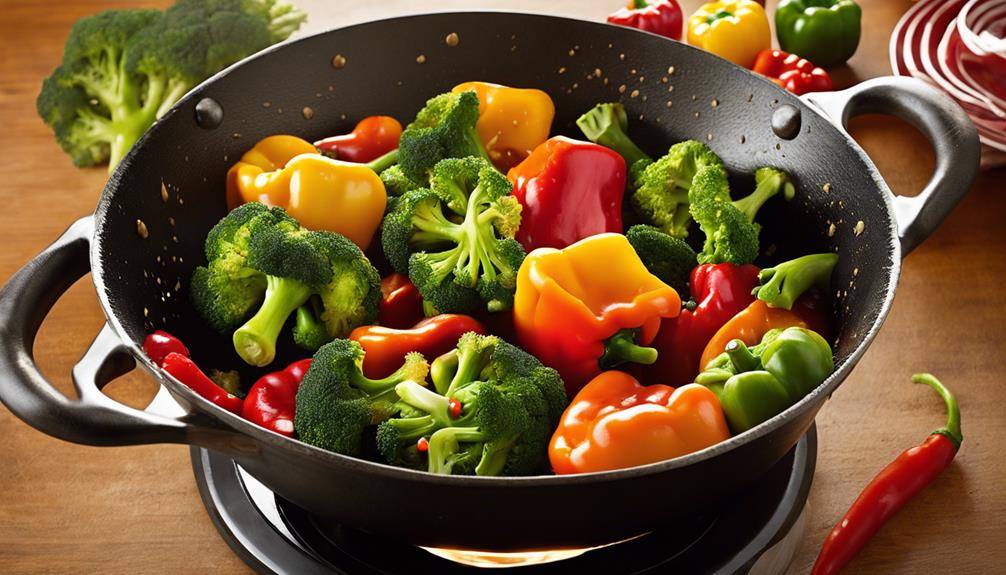
Cooking Time For Stir-Frying Vegetables: When stir-frying vegetables, timing is key for the perfect crunch and color. Softer veggies like bell peppers take about 2 to 4 minutes, while denser ones like carrots require 4 to 6 minutes. For broccoli, aim for 3 to 5 minutes; snap peas only need 1 to 2 minutes. Start with the tougher vegetables, adding the quicker-cooking ones later to guarantee even cooking. Always prep your ingredients in similar sizes and don't overcrowd the pan. With the right techniques and timings, you're on your way to a vibrant stir-fry. Keep going to reveal more tips for your cooking adventures!
Click Here and Turn Every Masterpiece into a Showstopper!
Importance of Cooking Times
When you're cooking stir-fried vegetables, understanding the significance of cooking times can make all the difference in achieving that perfect crunch and vibrant color. Each type of vegetable requires its own cooking time to guarantee you maintain that ideal vegetable texture. For instance, softer veggies like bell peppers or zucchini cook much quicker than denser options like carrots or broccoli. If you get the timing wrong, you could end up with mushy vegetables that lose their appeal and nutrients.
To maximize nutrient retention, aim to cook your vegetables just until they're tender-crisp. This means they should be bright and colorful, not dull and overcooked. Overcooking can lead to a significant loss of vitamins and minerals, which are crucial for your health. By keeping a close eye on the clock and knowing how long each vegetable takes to cook, you'll also enhance the overall flavor of your dish.
To achieve this, prep your vegetables in similar sizes to guarantee even cooking. Start with the denser vegetables first, adding quicker-cooking veggies later on. This staggered approach helps you control the cooking time and maintain the integrity of each ingredient. Remember, the key to a great stir-fry lies in that careful balance of time and temperature. So, next time you're cooking, pay attention to those cooking times, and you'll be rewarded with a colorful, nutrient-packed dish that's sure to impress.
Essential Stir-Frying Techniques
Mastering essential stir-frying techniques can elevate your cooking game and bring out the best in your vegetables. Whether you're a novice or a seasoned cook, understanding how to effectively stir fry can make a significant difference. Start by prepping your ingredients; it's vital to have everything chopped and ready to go before you heat the pan. This guarantees that your vegetables cook evenly and don't overcook while you're busy chopping.
Next, focus on heat control. A hot wok or pan is key to achieving that perfect stir-fried texture. Preheat your pan over medium-high heat for a few minutes, then add your oil. When you see the oil shimmering, it's time to add your ingredients. Always add ingredients in the right order; start with the ones that take longer to cook, like onions or carrots, and follow with quicker-cooking vegetables, like bell peppers or snap peas. This helps maintain a consistent cooking temperature.
Another important stir fry technique is to keep things moving. Use a spatula or wooden spoon to toss your vegetables constantly, making sure they cook evenly and don't stick to the pan. This technique also helps to seal in flavors and maintain that vibrant texture and color you want in your stir fry. Finally, don't overcrowd your pan; working in batches if necessary allows for better heat control and prevents steaming instead of frying. With these essential techniques, you'll be well on your way to mastering stir-frying!
Cooking Times for Common Vegetables
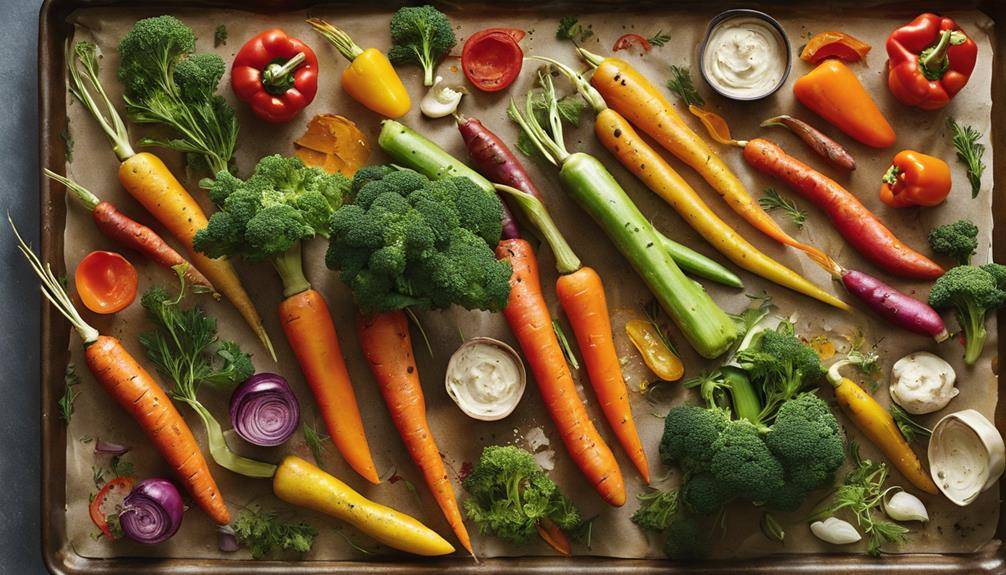
Cooking times for common vegetables can vary considerably, so knowing how long to stir-fry each type is essential for achieving that perfect bite. For starters, let's talk about broccoli. Ideally, you'll want to cook it for about 3 to 5 minutes. This timing allows the florets to become tender while still retaining their vibrant color and crunch. If you prefer a softer texture, you can add an extra minute, but don't overdo it, or you'll lose that delightful broccoli timing you're aiming for.
Next up are bell peppers, which are a fantastic addition to any stir-fry. You should aim for a cooking time of around 2 to 4 minutes. This will give you that perfect bell pepper crunch that enhances your dish. Remember, if you slice them thinly, they'll cook faster, so keep an eye on them to avoid mushiness.
Carrots require a bit more time, around 4 to 6 minutes, depending on their thickness. If you cut them into matchsticks or thin rounds, they'll cook more evenly and quickly. For snap peas, just a quick 1 to 2 minutes will do the trick, ensuring they remain crisp and vibrant.
Lastly, for mushrooms, you'll want to give them about 5 to 7 minutes until they're tender and golden, enhancing their earthy flavor. By keeping these cooking times in mind, you'll create a stir-fry that's not only visually appealing but also packed with flavor and texture.
Tips for Preparing Vegetables
Preparing vegetables properly is crucial for achieving the best results in your stir-fry. Start with fresh, high-quality produce, as this will greatly enhance the flavor and texture of your dish. When it comes to vegetable preparation, wash your veggies thoroughly to remove any dirt or pesticides. For leafy greens, think about soaking them in water for a few minutes and then rinsing to guarantee they're clean.
Next, focus on your knife skills. Sharp knives not only make the job easier but also improve the quality of your cuts. Aim for uniform pieces when chopping your vegetables, as this promotes even cooking. Cut harder vegetables, like carrots and bell peppers, into thin strips or bite-sized pieces to make sure they cook quickly. Softer vegetables, such as zucchini or mushrooms, can be sliced slightly thicker if you prefer.
Don't forget to think about the order of cooking; start with denser vegetables that take longer to cook, like broccoli and snap peas, before adding quicker-cooking ones like bell peppers or bean sprouts. Prepping your vegetables ahead of time can save you a lot of stress during the actual cooking process. Make certain everything's sliced, diced, and ready to go before you heat up the pan.
Click Here and Turn Every Masterpiece into a Showstopper!
Adjusting Cooking Times for Freshness
When you stir-fry vegetables, adjusting cooking times based on freshness is essential for achieving the best flavor and texture. Freshness indicators like color, firmness, and aroma can greatly affect your stir-frying experience. For instance, vibrant colors often signal that a vegetable is at its peak. If you notice dull or faded hues, it might be time to adjust your cooking time or consider different vegetables altogether.
When you pick up your veggies, give them a gentle squeeze. If they feel firm and crisp, you're on the right track. Soft or mushy vegetables may require less cooking time since they can quickly turn to mush when exposed to high heat. Smell plays a role too; fresh vegetables usually have a pleasant, earthy aroma, while older ones may emit an off odor.
Proper vegetable storage also impacts freshness. Keep your produce in the refrigerator's crisper drawer to maintain ideal moisture levels. Use it within a week for the best results. If you're using frozen vegetables, keep in mind that they often take longer to cook due to their water content.
Flavor Enhancements During Stir-Frying
When you stir-fry vegetables, the right seasonings can elevate their flavors dramatically. Adding aromatics at the right time enhances their natural taste and aroma, making your dish irresistible. Let's explore how to choose essential seasonings and when to add them for maximum flavor impact.
Essential Seasoning Choices
To elevate your stir-fried vegetables, choosing the right seasonings can make all the difference. Start by experimenting with various spice combinations that complement the natural flavors of your veggies. You might try mixing soy sauce with garlic and ginger for a classic Asian flair or combining olive oil with balsamic vinegar for a Mediterranean twist.
Next, focus on seasoning ratios. It's vital to balance flavors without overwhelming your dish. A good rule of thumb is to use one tablespoon of liquid seasoning for every two cups of vegetables. Adjust this based on your personal taste and the specific spices you're using.
Don't forget about salt and pepper—these basics can enhance the overall flavor when used appropriately. When adding spices, start small; you can always add more as you taste.
Herbs like basil, cilantro, or parsley can also provide freshness. Remember to add dried herbs earlier in the cooking process and fresh herbs just before serving. This way, you'll guarantee that your stir-fried vegetables burst with flavor and are sure to impress!
Aromatic Additions Benefits
Adding aromatic ingredients can markedly enhance the flavor of your stir-fried vegetables. When you include fresh herbs like basil, cilantro, or parsley, you create a vibrant herb infusion that elevates the overall taste profile. These herbs not only add freshness but also complement the natural sweetness of the vegetables, making each bite more enjoyable.
In addition to herbs, spices are essential for achieving the right spice balance. Ingredients like garlic, ginger, and chili peppers bring depth and warmth to your dish. When you stir-fry them alongside your vegetables, their essential oils release, infusing your meal with rich flavors. It's all about layering these aromas; a pinch of cumin or a dash of sesame oil can transform a simple stir-fry into something extraordinary.
Timing for Flavor Release
Timing is essential for maximizing flavor release during stir-frying. When you toss your vegetables into the hot pan, you want to guarantee that each type is cooked just right to achieve peak flavor intensity. Start with the sturdier vegetables, like carrots and broccoli, which need a bit more time to soften. After a couple of minutes, add the more delicate ones, such as bell peppers and snap peas. This staggered approach helps maintain a texture balance, allowing for that satisfying crunch alongside tender bites.
Keep an eye on the clock, as overcooking can lead to a loss of vibrant flavors and nutrients. Aim for bright colors and a slight char, which can intensify the taste without compromising the veggies' integrity. If you're using sauces, add them toward the end of your cooking time. This way, they'll coat the veggies without burning, enhancing the overall flavor profile. Remember, it's all about timing—each ingredient plays a role in the final dish. By mastering this aspect, you'll elevate your stir-frying game, creating dishes that are not only delicious but also visually appealing.
Common Mistakes to Avoid
When stir-frying, you might be tempted to overcrowd the pan, but that can lead to uneven cooking and soggy veggies. Ignoring cooking times can also ruin your dish, as some vegetables need more time than others. Let's explore these common mistakes so you can achieve the perfect stir-fry every time.
Overcrowding the Pan
Overcrowding the pan is one of the most common mistakes you can make while stir-frying vegetables. When you pile too many veggies into a small pan, they won't cook evenly. Instead of achieving that delightful crisp-tender texture, you'll likely end up with soggy, steamed vegetables. To avoid this, it's important to choose the right pan size for the amount and types of vegetables you're cooking.
Consider the vegetable sizes as well. Smaller pieces cook faster, so if you mix large and small veggies in a tight space, some will overcook while others remain underdone. If you're cooking a variety of vegetables, group them by their cooking times and sizes. For instance, you might start with denser vegetables like carrots and peppers, then add quicker-cooking items like zucchini or snow peas later.
Always give your vegetables enough room to spread out. A well-spaced stir-fry allows better heat distribution and promotes that signature sear. Remember, it's better to cook in batches than to overcrowd the pan and compromise your dish. Happy stir-frying!
Ignoring Cooking Times
One of the key factors in achieving a perfectly sautéed stir-fry is paying attention to cooking times. Ignoring these times can lead to undercooked or overcooked vegetables, ruining the dish. You want to maintain the right vegetable textures, which means knowing when to add each ingredient based on their cooking needs. For instance, harder vegetables like carrots and broccoli take longer to cook than delicate ones like bell peppers and spinach.
If you toss everything into the pan without regard for how long each should be cooked, you'll end up with some mushy and others raw. This not only affects taste but also impacts color retention, making your stir-fry look unappetizing.
To avoid this mistake, prep your ingredients and group them by cooking time. Start with the ones that need longer cooking, and then gradually add the quicker-cooking veggies. Keep an eye on the clock and stir frequently to guarantee even cooking. By respecting cooking times, you'll achieve a beautiful, vibrant stir-fry that showcases all the flavors and textures of your vegetables.
Click Here and Turn Every Masterpiece into a Showstopper!
Frequently Asked Questions: Cooking Time For Stir-Frying Vegetables
Can I Stir-Fry Frozen Vegetables Effectively?
Yes, you can stir-fry frozen vegetables effectively. Just remember to thaw them first for better texture. Use proper stir-frying techniques, like high heat and quick movements, to achieve delicious results in no time.
What Oils Are Best for Stir-Frying?
When stir-frying, choose oils with high smoke points like grapeseed, peanut, or avocado. These oils enhance flavor profiles without burning, allowing you to create delicious dishes while maintaining the integrity of the ingredients.
Should I Cover the Pan While Stir-Frying?
When stir-frying, covering the pan can cause steam retention, impacting texture. You want to maintain high pan temperature for quick cooking. If you cover it, check frequently to avoid soggy vegetables. Balance is key!
Can I Stir-Fry Vegetables in a Non-Stick Pan?
Yes, you can stir-fry vegetables in a non-stick pan. The non-stick benefits make cleaning easier, and it guarantees even heat retention, allowing your veggies to cook quickly without sticking or burning. Enjoy your stir-frying!
How Do I Know When Vegetables Are Done?
To know when vegetables are done, watch for visual cues like vibrant colors and slight browning. Feel their texture; they should be tender yet crisp. Trust your instincts, and taste a piece if unsure!

Conclusion
To wrap it up, mastering cooking times for stir-frying vegetables is key to achieving that perfect crunch and vibrant flavor. Remember to prep your veggies well, adjust times based on their freshness, and enhance flavors as you cook. Avoid common mistakes, and you'll create delicious, colorful dishes that maximize both taste and nutrition. So, grab your wok, keep these tips in mind, and enjoy the art of stir-frying! Happy cooking!