Stir-Frying Technique For Spicy Dishes
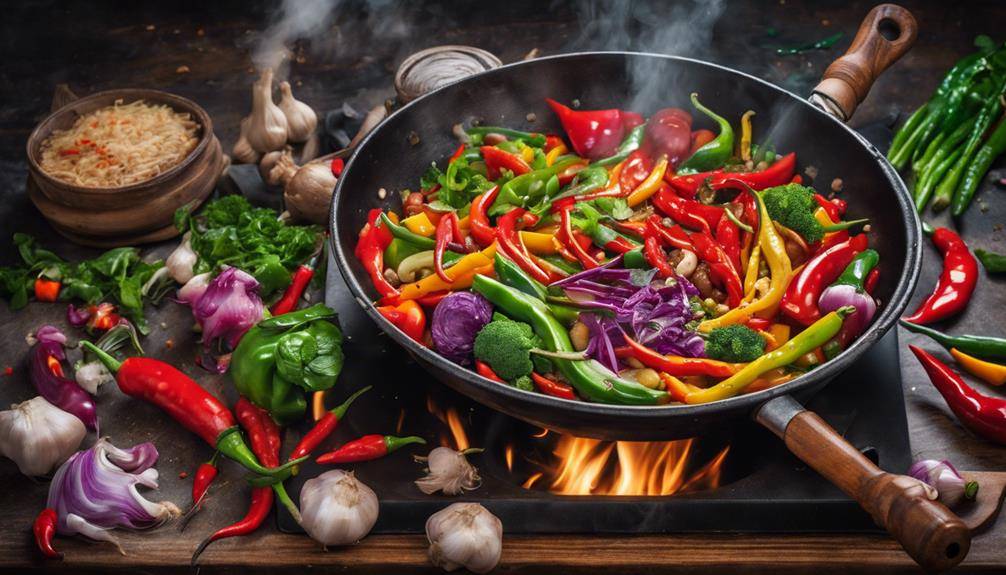
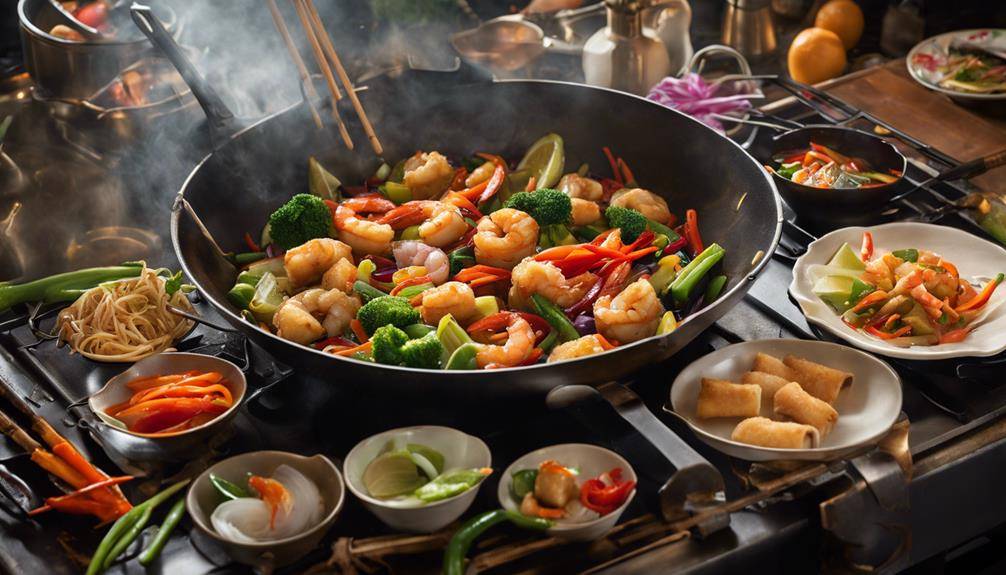
Stir-Frying Technique For Spicy Dishes: To master stir-frying for spicy dishes, start by prepping your ingredients. Choose fresh, crunchy vegetables and marinate proteins like chicken or tofu to complement heat levels. Use a well-heated wok with high smoke point oils for quick searing. Add aromatics like garlic and ginger for depth, and incorporate your favorite spices or fresh chilies. Control your heat carefully, adding denser ingredients first and adjusting as needed. Avoid overcrowding the pan to guarantee even cooking and vibrant flavors. With these tips, you'll enhance your dishes considerably and discover even more techniques that elevate your cooking game.
Click Here and Turn Every Masterpiece into a Showstopper!
Essential Stir-Frying Equipment
When it comes to stir-frying, having the right equipment can make all the difference. A good wok is essential for achieving that perfect sear and even cooking. You'll find various wok types, including traditional round-bottomed woks, flat-bottomed versions for electric stoves, and non-stick options for easy clean-up. Each type has its advantages, so it's important to choose one that suits your cooking style and kitchen setup.
Next, consider the utensil materials you'll use. Wooden spatulas or bamboo utensils are excellent choices because they won't scratch your wok's surface and help prevent sticking. Metal utensils like stainless steel can also work but be cautious; they may scratch certain wok types if you're not careful. Silicone spatulas are another option, providing flexibility without damaging your cookware.
Additionally, make sure you have a sturdy heat source. A gas burner is ideal for stir-frying, as it delivers high heat quickly, allowing for that signature sizzle. If you're using an electric stove, a flat-bottomed wok will help maximize contact with the heat source.
Choosing the Right Ingredients
To create a truly spicy stir-fry, you often need to pay careful attention to your ingredient choices. The right ingredient combinations can elevate your dish from average to outstanding. Start by selecting fresh vegetables that have a natural crunch, like bell peppers, snap peas, or bok choy. Their textures not only provide contrast but also absorb flavors beautifully.
Next, consider your protein. Chicken, beef, shrimp, or tofu work well, but make sure to marinate them with spices or sauces that complement the heat you're aiming for. Don't forget about the heat sources themselves. Fresh chilies, chili paste, or even a sprinkling of crushed red pepper flakes can pack a punch. Remember, it's all about flavor balancing. You want your spices to shine without overwhelming the other ingredients.
Herbs like cilantro or basil can add freshness and counterbalance the heat, so include them in your ingredient list. Additionally, consider adding aromatics such as garlic and ginger. These not only enhance the overall flavor but also add depth to the spiciness.
Preparing Ingredients for Stir-Frying
When you're prepping for stir-frying, fresh ingredients make all the difference. You'll want to master various cutting techniques to guarantee everything cooks evenly and quickly. Let's explore how to select and prepare your ingredients for the perfect spicy dish.
Choosing Fresh Ingredients
Fresh ingredients are the backbone of any great stir-fry, especially when you're aiming for a spicy dish that packs a punch. When you're shopping, focus on seasonal produce. Not only is it fresher, but it also helps you create vibrant flavor profiles that enhance your spicy creations. Head to local markets whenever you can; you'll often find a wider variety of fresh vegetables and herbs that aren't available at larger grocery stores.
Think about the spice varieties you'll be using, too. Fresh chilies, garlic, and ginger can elevate your dish greatly. They add depth and heat, transforming simple ingredients into an exciting meal. When you select your veggies, look for ones that are crisp and colorful; these will not only taste better but also add visual appeal to your stir-fry.
Lastly, don't forget about herbs. Fresh cilantro, basil, or green onions can brighten your dish and harmonize the spice levels. By choosing fresh ingredients, you're ensuring that your stir-fry isn't just another meal, but a deliciously spicy experience that everyone will love.
Cutting Techniques Overview
Proper cutting techniques are essential for a successful stir-fry, guaranteeing even cooking and maximizing flavor. Start with slicing techniques for vegetables like bell peppers and onions. Thin slices cook quickly and absorb flavors better. For a more uniform bite, use dicing methods for harder vegetables such as carrots and zucchinis.
Julienne cuts are perfect for creating matchstick-shaped pieces, which add a pleasing texture to your dish. When using leafy greens, employ the chiffonade style to create finely sliced ribbons, enhancing both presentation and taste. Don't forget about mincing garlic – this releases oils and intensifies the flavor in your stir-fry.
Segmenting vegetables into bite-sized pieces helps guarantee they cook evenly. Experiment with cutting shapes for a touch of creativity; it can make your dish visually appealing as well.
Lastly, practice precision chopping for proteins like chicken or tofu. Uniform pieces will cook at the same rate, preventing any from becoming overcooked. Master these cutting techniques, and you'll elevate your stir-frying game, paving the way for delicious, spicy dishes that are both flavorful and satisfying.
The Importance of Heat Control
Heat control is vital in stir-frying, especially when you're aiming for that perfect balance of flavor and texture in spicy dishes. The right flame intensity can make all the difference. If you start with a high flame, you'll quickly sear your ingredients, locking in their juices and enhancing flavors. However, if the heat is too intense, you risk burning your spices and vegetables, which can lead to a bitter taste.
You need to pay attention to cooking temperature as well. A well-heated pan allows for proper heat distribution, ensuring that every ingredient cooks evenly. This is important when you're working with various textures, like crunchy vegetables and tender proteins.
Pan placement is another factor that shouldn't be overlooked. Make sure your pan is positioned directly over the heat source for best cooking. If you notice that your ingredients are cooking unevenly, adjust the pan to allow for better heat access.
Stir fry timing is key, too. You should add ingredients based on their cooking times, starting with those that take longer to cook. This way, everything finishes at the same time, maintaining that glorious texture.
Lastly, oil selection plays a significant role in heat control. Choose oils with high smoke points, like peanut or canola oil, to withstand higher temperatures without burning. With these factors in check, you'll master the art of stir-frying spicy dishes like a pro.
Techniques for Marinating Proteins
Marinating proteins is vital for enhancing flavor and tenderness in your stir-fry dishes. It's a simple yet powerful technique that can elevate your meal to new heights. Start by choosing the right protein, such as chicken, beef, or tofu, and cut it into uniform pieces to guarantee even marination.
Next, you'll want to create a marinade that complements your dish's flavor profiles. Common ingredients include soy sauce, garlic, ginger, and a splash of vinegar or citrus for acidity. Don't hesitate to experiment with different combinations to discover what suits your taste best.
When marinating, timing is essential. Generally, the longer you marinate, the more intense the flavor will be, but be careful not to overdo it. For delicate proteins like fish or shrimp, marinating times should be limited to 15-30 minutes. For heartier proteins like beef or chicken, you can extend the marinating time to 1-2 hours, or even overnight if you have time.
Always remember to marinate in the refrigerator to prevent bacterial growth. If you're short on time, even a quick 30-minute soak can impart significant flavor.
After marinating, let your protein drain briefly to avoid excess liquid in your stir-fry, which could lead to steaming instead of searing. With these techniques, you'll achieve deliciously flavored and tender proteins that make your stir-fry dishes truly memorable.
Click Here and Turn Every Masterpiece into a Showstopper!
Incorporating Spices and Aromatics
Spices and aromatics are the heart and soul of any spicy stir-fry, infusing your dish with depth and character. To create a truly memorable meal, start by experimenting with different spice combinations. Think about how various chili varieties, from mild to fiery, can enhance the overall flavor. Consider incorporating pungent profiles, like cumin or coriander, to provide a robust foundation.
For aromatic infusions, garlic techniques play a significant role. You can sauté minced garlic until it's golden, releasing its rich aroma, or use whole cloves for a milder essence. Don't shy away from adding ginger or scallions, as they offer a delightful zing that balances the heat from the chilies.
Flavor layering is essential. Begin with your base spices, then gradually add herbs for enhancements. Fresh basil, cilantro, or even Thai basil can elevate your dish, providing freshness that counters the spice. Balancing your seasoning is key; a pinch of sugar can tone down excessive heat while a splash of soy sauce adds umami depth.
As you stir-fry, keep tasting and adjusting. If you find the flavors lacking, sprinkle in a bit more spice or a dash of vinegar for brightness. The goal is to create a harmonious blend where each ingredient complements the next, resulting in a dish that's truly unforgettable. Embrace the art of seasoning, and let your creativity shine in every sizzle!
Timing Your Cooking Process
Getting the timing right in your stir-fry can make all the difference between a perfectly cooked meal and a soggy mess. To achieve that ideal texture and flavor, you need to pay close attention to your cooking sequence. Each ingredient has its own cooking time, so it's vital to add them in the right order. Start with denser vegetables like carrots and broccoli, which require a longer cooking time. Then, gradually add quicker-cooking items like bell peppers and snap peas.
Timing adjustments are essential as you go. If you notice that some ingredients are cooking faster than others, adjust the heat accordingly. A common mistake is to cook everything on high heat from the beginning. Instead, consider starting with medium heat to get a feel for how quickly your ingredients cook. This way, you can make necessary adjustments on the fly without burning anything.
Another tip is to prepare all your ingredients beforehand. This "mise en place" approach allows you to focus solely on timing during the cooking process. When you have everything chopped and ready to go, you can add ingredients precisely when they need to hit the pan.
Serving Suggestions for Spicy Dishes
When it comes to serving spicy dishes, presentation can elevate the overall dining experience. You want to make sure your dish looks as appealing as it tastes. Start by using colorful garnishes like fresh cilantro, sliced green onions, or a sprinkle of sesame seeds to add visual interest. These elements not only enhance the dish's aesthetic but also contribute to flavor balancing, making the spice less overwhelming.
Think about your dish pairings as well. Spicy stir-fries work beautifully with cooling sides. Consider serving your spicy creation alongside jasmine rice or a revitalizing cucumber salad. The rice absorbs the heat, while the salad adds a crunch that contrasts nicely with the dish's texture. You could also serve it with a side of yogurt or raita to further tone down the heat, creating a harmonious balance of flavors.
Don't forget about the serving temperature. Spicy dishes are best enjoyed hot, so make sure to serve them immediately after cooking. If you're entertaining, consider serving the dish family-style, allowing everyone to help themselves. This not only encourages sharing but also creates a relaxed atmosphere.
Common Mistakes to Avoid
When stir-frying, it's easy to make some common mistakes that can ruin your dish. Overcrowding the pan, ignoring heat levels, and skipping ingredient prep can lead to uneven cooking and lackluster flavors. Let's break down these pitfalls so you can stir-fry like a pro!
Overcrowding the Pan
Overcrowding the pan often leads to disappointing results in stir-frying, and it's a mistake you should avoid at all costs. When you exceed the pan capacity, you compromise cooking efficiency. Instead of achieving that perfect sear, your ingredients steam in their own moisture, resulting in soggy vegetables and bland proteins.
To maintain ideal flavor balance, give each ingredient enough space. This allows them to cook evenly and absorb the rich flavors from your spices and sauces. If you pile too much into the pan at once, chances are your dish won't reach its full potential.
Instead of trying to cook everything in one go, consider working in batches. This might take a little longer, but it guarantees each component gets the attention it deserves, maximizing ingredient absorption. You'll end up with a dish that's bursting with flavor and perfectly cooked, rather than a mishmash of underwhelming textures.
Ignoring Heat Levels
How often do you pay attention to the heat levels while stir-frying? Ignoring the right temperature can lead to bland, unbalanced dishes. When you don't control the heat, you miss out on the vital spice infusion that elevates your meal. High heat is essential for quickly searing ingredients, allowing their natural flavors to shine while also enhancing the overall taste through caramelization.
If you start too low, your vegetables may become soggy, and the spices won't reach their full potential. Conversely, if the heat is too high, it can burn your ingredients, leading to bitterness instead of a harmonious blend of flavors. This imbalance can ruin the dish's integrity.
To achieve ideal flavor balancing, aim for a steady, high heat that allows you to stir-fry efficiently. Pay attention to how your ingredients react; if they sizzle right away, you've got the right temperature. Remember, stir-frying is about quick cooking—so adjust the heat as needed to maintain that perfect balance. By mastering your heat levels, you'll create spicy dishes that burst with flavor and keep your taste buds craving more.
Skipping Ingredient Prep
Skipping ingredient prep can greatly impact the success of your stir-fry. When you're aiming for a quick meal, taking shortcuts with your ingredients might seem tempting, but it often leads to a chaotic cooking experience. You might think you can whip up a spontaneous stir fry in minutes, but without proper prep, you'll find yourself scrambling.
To avoid this, focus on time-saving tips like chopping your veggies and marinating proteins ahead of time. Keep pantry staples, such as soy sauce and garlic, on hand to act as flavor boosters when you're in a rush. This approach guarantees hassle-free cooking and lets you enjoy those on-the-go meals without stress.
Don't underestimate the power of a well-prepped kitchen! Set aside a few minutes to wash, chop, and organize your ingredients before you start cooking. This way, you'll maintain the flow of your stir fry and enhance the overall flavor. Remember, a little prep work goes a long way in making your dish delicious and your cooking experience enjoyable. So, resist the urge to skip ingredient prep—your taste buds will thank you!
Click Here and Turn Every Masterpiece into a Showstopper!
Frequently Asked Questions: Stir-Frying Technique For Spicy Dishes
Can I Use a Non-Stick Pan for Stir-Frying Spicy Dishes?
Yes, you can use a non-stick pan for stir-frying spicy dishes. The non-stick benefits help prevent sticking and make cleanup easier. Just make sure your pan selection is heat-resistant for ideal cooking performance. Enjoy your dish!
How Do I Store Leftover Stir-Fried Spicy Dishes?
To store leftover stir-fried spicy dishes, cool them quickly and transfer to airtight containers. Guarantee proper refrigeration at 40°F or below, and use reheating methods like microwaving or stovetop to enjoy them later.
What Types of Oils Are Best for Stir-Frying?
For stir-frying, you'll want oils with high smoke points, like peanut or canola. These oils not only support oil selection but also enhance the flavor, ensuring your dishes achieve that delicious, authentic taste you crave.
How Can I Adjust Spice Levels for Different Palates?
To adjust spice levels for different palates, you'll want to find the right spice balance. Start mild, then gradually add heat for flavor enhancement. Tasting frequently helps you achieve the perfect level for everyone.
Are There Any Health Considerations for Spicy Stir-Frying?
When considering health with spicy foods, you should be mindful of spice sensitivity and how it affects your digestive health. Too much spice can lead to discomfort, so adjust accordingly to suit your needs.

Conclusion
With the right equipment and ingredients, you can master the stir-frying technique for spicy dishes. Remember to control the heat, prep your ingredients well, and marinate proteins for maximum flavor. Incorporate spices and aromatics thoughtfully, and keep an eye on your cooking time to achieve that perfect balance of heat and taste. Avoid common mistakes, and you'll impress everyone at the table. So grab your wok, fire up the heat, and get cooking!