The Best Vegetable Pan Frying Tips
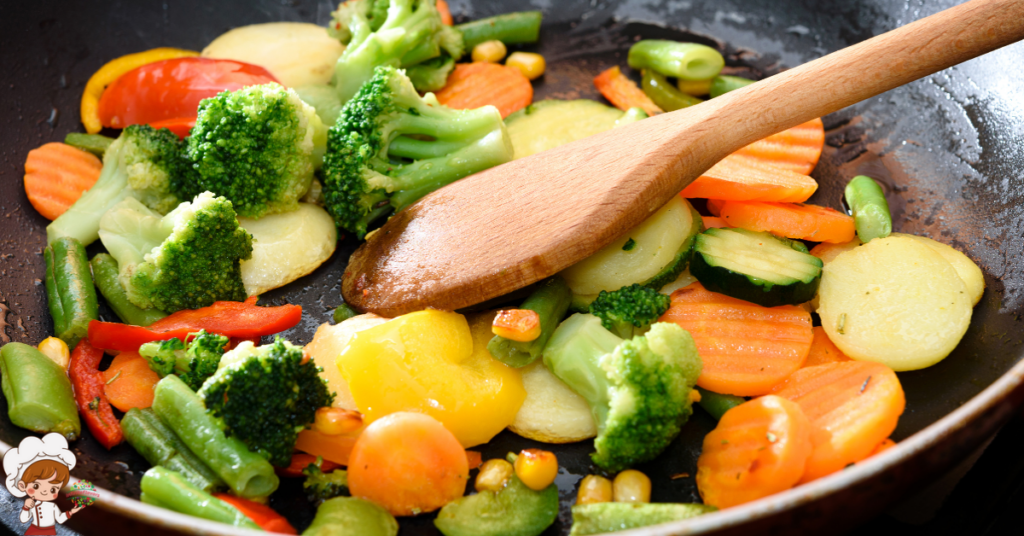
The Best Vegetable Pan Frying Tips; Vegetable pan frying is all about choosing fresh, seasonal veggies and slicing them evenly for even cooking. Start with denser vegetables like carrots, and add quicker-cooking ones like bell peppers later. Use high smoke point oils, like avocado or canola, to achieve that perfect sear. Control the heat to avoid burning, and don’t forget to stir regularly. Season your dish with salt and herbs, and try adding aromatics like garlic or onion for extra flavor. Master these tips, and you’ll create delicious, vibrant meals that make vegetables shine—there’s even more to discover that’ll elevate your cooking!
Click Here and Turn Every Masterpiece into a Showstopper!
Choosing the Right Vegetables
When it comes to vegetable pan frying, choosing the right vegetables can make all the difference in flavor and texture. You’ll want to focus on seasonal vegetables, as they’re typically fresher and more flavorful. Think about what’s in season; fresh asparagus, bell peppers, and zucchini can elevate your dish. Each vegetable offers its unique taste and crunch, which contributes to the overall experience.
To create a satisfying dish, aim for a texture contrast. Pair crisp vegetables like snap peas or carrots with softer varieties like mushrooms or eggplant. This balance not only enhances the eating experience but also makes your dish visually appealing. When you combine different textures, your palate will enjoy the delightful interplay of crunch and tenderness.
You might also consider the color of the vegetables. A mix of vibrant greens, reds, and yellows adds visual interest and signals freshness. Don’t shy away from experimenting with different combinations; sometimes, unexpected pairings yield the best results. For instance, try sautéing broccoli with cherry tomatoes for a surprising burst of flavor.
Lastly, remember to slice your vegetables evenly to guarantee they cook uniformly. This step is essential for achieving that perfect pan-fried finish. By focusing on seasonal vegetables and creating a delightful texture contrast, you’ll set the foundation for a delicious vegetable pan fry that’s both satisfying and nutritious. Your taste buds will thank you!
Preparing Your Ingredients
Preparation is key to achieving a flawless vegetable pan fry. Start by gathering your ingredients and verifying they’re fresh. Fresh vegetables not only taste better, but they also enhance the overall quality of your dish. Before you plunge into cooking, make sure to wash your ingredients thoroughly. Ingredient washing removes any dirt or pesticides, confirming your meal is both safe and delicious. Use cold water and a gentle scrub for root vegetables, while leafy greens can be soaked and rinsed to remove any grit.
Next, consider marinating your vegetables. Ingredient marinating can elevate the flavor profile of your dish, making it stand out. You don’t need to marinate for hours; even a quick soak in a simple mixture of olive oil, vinegar, and your favorite herbs can make a significant difference. Aim for at least 15 to 30 minutes to allow the flavors to penetrate the vegetables.
While you’re prepping, cut your vegetables into evenly sized pieces. This guarantees uniform cooking, preventing some from becoming mushy while others remain undercooked. For denser vegetables like carrots and potatoes, consider slicing them thinner to help them cook through more quickly.
Selecting the Best Oil
When selecting the best oil for pan frying your vegetables, pay attention to the oil’s smoke point, as it affects how well your food cooks. You’ll also want to take into account flavor profiles, since some oils can enhance or alter the taste of your dish. Finally, keep health considerations in mind to choose an oil that aligns with your dietary needs.
Oil Smoke Point
Choosing the right oil for pan frying vegetables is crucial for achieving the perfect texture and flavor. One of the most critical factors to reflect on is the oil’s smoke point. Oils with high smoke points, like canola or avocado oil, can withstand higher temperatures without breaking down. This is essential for effective smoke management during cooking. When your oil reaches its smoke point, it starts to produce smoke and can impart an unpleasant flavor to your dish.
For ideal results, you’ll want to select an oil that complements your frying method and the vegetables you’re using. Oils like olive oil have a lower smoke point, making them suitable for lower-temperature frying. However, if you’re looking to achieve that perfect crispy texture, high-smoke-point oils are your best bet.
Remember to keep an eye on the temperature as you cook; if you notice smoke, it’s time to lower the heat. This will not only enhance the flavor of your vegetables but also guarantee your cooking oil remains stable. By focusing on proper oil selection and smoke management, you can elevate your vegetable frying game greatly.
Flavor Profiles
While understanding oil smoke points is important, selecting the right oil based on flavor profiles can greatly enhance your vegetable dishes. Different oils bring unique tastes that can complement your ingredients beautifully. For instance, olive oil offers a fruity richness that pairs well with herb combinations, while sesame oil introduces nutty notes perfect for Asian-inspired spice blends.
When you’re aiming for citrus infusions, consider using oils flavored with lemon or lime, which can brighten up your dishes. If you’re looking to add depth, oils infused with umami additions like garlic or shallots can elevate your vegetables. Sweet contrasts can be achieved with oils that have hints of sweetness, such as avocado oil.
Don’t forget about smoky flavors; oils like smoked olive oil can add an intriguing layer to your pan-fried veggies. Texture balancing is key, too—lighter oils work well for delicate greens, while heartier oils suit robust root vegetables. Consider regional influences and seasonal variations when selecting your oil, and adjust the heat as needed to guarantee your chosen oil performs at its best. These choices can transform an ordinary dish into something memorable.
Health Considerations
Selecting the right oil for pan frying isn’t just about flavor; it’s also vital for your health. Different oils come with varying nutritional benefits, which can impact your overall well-being. For instance, oils high in monounsaturated fats, like olive oil, can support heart health, while oils rich in omega-3 fatty acids, such as flaxseed oil, may enhance brain function.
When you have dietary restrictions, such as avoiding saturated fats or allergens, choosing the right oil becomes even more important. Certain cooking methods can also affect the oil’s health profile; for example, frying at high temperatures can lead to the formation of harmful compounds.
Be mindful of portion control, too. Even healthy oils can contribute to excess calories if used in large amounts. Pair your selected oil with a variety of vegetables to maximize their health benefits while minimizing potential health risks.
Ultimately, understanding the oils you use can help you create delicious vegetable dishes that align with your health goals. So, consider your cooking methods and the vegetable varieties you’re utilizing to make the best choice for your pan frying adventures.
Click Here and Turn Every Masterpiece into a Showstopper!
Heat Control Techniques
Mastering heat control is essential for perfecting your vegetable pan frying technique. It’s all about finding the right balance between flame intensity and temperature regulation. Start by gradually heating your cooking surface, allowing for even heat distribution. If you turn the heat up too fast, you risk burning the vegetables or losing moisture retention, which can lead to a dry dish.
Understanding the difference between simmer vs. sauté is vital. Simmering involves lower heat, perfect for softening vegetables while retaining their natural flavors. In contrast, sautéing requires higher heat to achieve that beautiful caramelization and searing techniques that enhance the taste and texture of your veggies. When using higher flames, keep an eye on the cooking duration; too long can result in overcooking.
Pay attention to the thermal conductivity of your pan. Materials like stainless steel and cast iron conduct heat differently, which can impact how quickly your vegetables cook. If you notice uneven cooking, adjust your flame intensity accordingly. For instance, if certain areas of the pan are hotter, you may need to shift your vegetables around for even cooking.
Using the Right Pan
Choosing the right pan can greatly impact your vegetable frying results. Each type of pan offers unique benefits, so it’s crucial to match the pan to your cooking needs. For instance, a cast iron skillet excels in heat retention, ensuring your vegetables cook evenly and develop a beautiful sear. However, cast iron can be heavy and requires proper seasoning for the best cooking surface.
On the other hand, non-stick pans are fantastic for easy release and cleanup, especially when cooking delicate vegetables. They require less oil, making them a healthier option, but be mindful of their durability factors; non-stick coatings can wear off over time, especially with metal utensils.
If you prefer a more versatile choice, stainless steel pans are excellent for browning veggies while providing durability. They may not have the same heat retention as cast iron, but they’re great for achieving a nice caramelization when paired with the right technique.
When selecting your pan size, consider the surface area. A larger pan allows for better air circulation and prevents overcrowding, which is key to achieving that perfect crispy texture. Ultimately, the right pan depends on your cooking style and the type of vegetables you’re frying. Keep these factors in mind, and you’ll enhance your vegetable frying experience!
Cutting Vegetables Properly
When you’re cutting vegetables, mastering knife skills is essential for achieving the perfect texture and cook. Different cutting techniques can enhance the presentation and help your veggies cook evenly. Let’s explore the basics and variations that will elevate your pan-frying game.
Knife Skills Basics
Proper knife skills are essential for anyone looking to elevate their vegetable pan-frying game. Understanding different knife types can make a world of difference in your prep work. A chef’s knife is versatile and perfect for most chopping tasks, while a paring knife is excellent for peeling and intricate cuts.
When it comes to chopping techniques, mastering the basic methods will enhance your efficiency and safety. Start with the claw grip: tuck your fingers under while holding the vegetable, using your knuckles as a guide for the blade. This protects your fingers from accidental cuts.
For uniform cooking, aim for consistent sizes. Dice vegetables into small cubes or slice them into thin strips, depending on your dish’s needs. The rocking motion is key when using a chef’s knife—keep the tip on the cutting board and rock the blade down and forward.
Don’t forget to keep your knives sharp; a dull knife can be more dangerous than a sharp one. With practice, you’ll not only speed up your prep time but also improve the overall presentation and texture of your vegetable dishes when pan-frying.
Cutting Techniques Variations
Mastering various cutting techniques can greatly enhance your vegetable preparation for pan frying. Using the julienne technique, you can create thin, matchstick-shaped veggies that cook quickly and evenly. The brunoise method, which involves dicing vegetables into small cubes, is perfect for adding depth to your stir-fries. For leafy greens, try the chiffonade style, where you roll the leaves tightly and slice them into thin ribbons.
Experimenting with diagonal cuts can add visual appeal and increase the surface area for even cooking. Wedge shapes, like those from potatoes or bell peppers, give a hearty texture to your dish. If you’re looking for something fun, spiralized vegetables can add a unique twist to your pan fry.
Batonnet cuts provide uniform sticks that cook beautifully, while a rough chop works well for a rustic feel. Pay attention to slice thickness, as it directly impacts cooking time and texture. Finally, the crosshatch technique, made by scoring the surface of vegetables, enhances flavor absorption during frying. By mastering these techniques, you’ll elevate your vegetable pan frying experience!
Click Here and Turn Every Masterpiece into a Showstopper!
Timing for Perfect Cooking
Achieving the perfect timing for vegetable pan frying is essential to enhancing flavors and maintaining texture. To get the best results, you’ll need to be mindful of cooking times for different types of vegetables. Start with those that take longer to cook, like carrots and potatoes. Cut them into smaller, uniform pieces to guarantee even cooking. Once you’ve got those in the pan, give them a head start of about 5 to 7 minutes.
Next, add medium-cooking vegetables like bell peppers and zucchini. These typically require around 3 to 5 minutes. Keep an eye on them, stirring occasionally to promote even browning. You want to achieve that perfect vegetable doneness—tender yet still slightly crisp.
Seasoning Your Vegetables
Transform your vegetable pan frying experience by seasoning your veggies at the right moment. Timing’s key to extracting maximum flavor, so sprinkle your salt applications as soon as your vegetables hit the pan. This helps draw out moisture and enhances the natural flavors. Explore various herb combinations and spice blends to elevate your dish; think garlic powder with rosemary or cumin paired with paprika for a delightful kick.
Consider different seasoning techniques, like marinating options, which can greatly enhance flavor depth. A simple marinade of olive oil, lemon juice, and your favorite herbs can infuse your vegetables with umami depth before they even hit the heat. When frying, don’t shy away from adding a splash of citrus zest at the end for a revitalizing brightness that contrasts beautifully with the savory notes of your cooked veggies.
You can also incorporate sweet additions, like a drizzle of honey or balsamic glaze, to create unexpected savory contrasts. This balance of flavors can take your dish from ordinary to extraordinary. Remember to taste as you go; this will help you adjust the seasoning to your preference. If you find your veggies lack that punch, don’t hesitate to add a little more seasoning or a squeeze of fresh lemon.
Adding Flavor With Aromatics
Seasoning your vegetables sets the stage, but adding aromatics can elevate the flavor profile even further. To create delicious dishes, you’ll want to explore various aromatic combinations that bring depth to your pan-fried vegetables. Start with onion varieties; a sweet onion can add a mild flavor, while a red onion gives a sharper bite. You can also experiment with garlic options—roasted garlic offers a creamy, mellow taste, while raw garlic packs a punch.
Don’t forget to incorporate herb infusions, like thyme or rosemary, which can enhance your dish remarkably. Fresh herbs should be added towards the end of cooking to maintain their vibrant flavor. For a hint of brightness, consider adding citrus zest, like lemon or lime, just before serving. It’ll bring a revitalizing contrast to the richness of the vegetables.
Spice blends are another fantastic way to add flavor layering. A pinch of smoked paprika or cumin can transform your dish into something exotic. Umami boosters such as soy sauce or miso paste can deepen the savory notes, making your veggies irresistible.
Batch Cooking Tips
Batch cooking can save you time and make weeknight meals a breeze. By prepping your ingredients efficiently, you’ll have everything ready to go when it’s time to cook. Plus, knowing how to store leftovers properly guarantees your dishes stay fresh and delicious for days.
Prepping Ingredients Efficiently
When you prep your ingredients efficiently, you set the stage for a smooth cooking experience. Start by organizing your ingredients before you even reach for your knife. Gather everything you need and place them in a designated area. This ingredient organization minimizes distractions and saves you time during the cooking process.
Next, focus on efficient slicing. Use a sharp knife to make quick work of your vegetables, and take into account cutting them into uniform sizes. This guarantees even cooking, so you won’t end up with some pieces overcooked while others remain underdone. If you’re chopping a large batch, stack several leaves or slices together for faster cuts.
Don’t forget to take into account the order in which you’ll cook your vegetables, as this can also influence how you prep. Start with the ones that take longer to cook, like carrots or potatoes, and slice them first. You’ll find that having everything prepped and ready to go not only speeds up the cooking process but also enhances the flavors of your dish. With these tips, you’ll become a pro at prepping your ingredients for a fantastic vegetable pan fry!
Storing Leftovers Properly
To guarantee your vegetable pan fry stays fresh and delicious for future meals, it’s important to store leftovers properly. Start by letting your dish cool down to room temperature before putting it in the fridge. This helps prevent condensation that can lead to sogginess. Use airtight containers to keep your leftovers safe from air exposure, which can accelerate spoilage.
When it comes to refrigeration methods, make sure your fridge is set to 40°F (4°C) or lower. This temperature slows down bacterial growth, ensuring your food remains safe to eat. Ideally, consume your leftovers within 3-4 days. If you won’t finish them in that time frame, consider freezing portions instead. This extends shelf life while maintaining quality.
Label your containers with the date you cooked the meal, so you know when it’s time to toss it. Remember, food safety is vital; if something smells off or looks moldy, it’s better to be safe than sorry. By following these simple steps, you can enjoy your vegetable pan fry again, knowing you’ve stored it the right way!
Maintaining Texture and Color
As you pan fry vegetables, preserving their vibrant color and appealing texture is vital for an appetizing dish. One effective method to guarantee this is through blanching techniques. Blanching involves briefly boiling the vegetables before frying them. This process helps set their color, making them look more enticing on your plate.
To start, bring a pot of salted water to a boil and prepare an ice bath. Once the water is boiling, add your vegetables and let them cook for just a couple of minutes. For example, green beans or bell peppers benefit from this quick treatment. Afterward, immediately transfer them to the ice bath to halt the cooking process. This step is essential for color retention, as it locks in the bright hues and prevents the veggies from becoming dull.
Once your vegetables are blanched and cooled, pat them dry with a clean towel. Excess moisture can hinder proper frying, leading to steaming instead of a nice sear. When you start frying, use a hot pan with a splash of oil. This not only enhances the flavor but also contributes to maintaining that desirable crunch.
Keep in mind that timing is everything. Don’t overcrowd the pan; give each vegetable enough space to cook evenly. By following these tips, you’ll guarantee that your veggies retain their vibrant colors and appealing textures, making your dish visually stunning and delicious. Happy frying!
Cleaning Up After Cooking
After enjoying a delicious vegetable pan fry, the last thing you want is a messy kitchen. To make cleaning up easier, start with some effective clean up strategies. Gather your cleaning tools before you begin, like paper towels, sponges, and a broom. This way, you won’t waste time searching for supplies after you’ve finished cooking.
As you cook, practice post cooking organization by placing used utensils in one spot. This helps with utensil management, so you’re not running around to find where you left things. Once you’ve served your meal, tackle the cleaning surfaces first. Wipe down counters and the stove with a damp cloth to minimize mess and prevent stains. For stubborn stains, a bit of baking soda can work wonders for stain removal.
Now, let’s talk about efficient disposal. Collect food scraps and any packaging waste as you go. Use a compost bin for vegetable peels and other compostable materials, which aids in waste reduction. For anything non-compostable, have a designated trash bag ready.
Click Here and Turn Every Masterpiece into a Showstopper!
Frequently Asked Questions: The Best Vegetable Pan Frying Tips
Can I Use Frozen Vegetables for Pan Frying?
Yes, you can use frozen vegetables for pan frying. Just make certain to thaw them properly using microwave or cold water techniques. This helps achieve better texture and guarantees a delicious, evenly cooked dish.
What Are the Best Herbs to Use for Seasoning?
For seasoning, consider herb combinations like basil and oregano for Italian dishes, or cilantro and lime for a fresh twist. These flavor profiles elevate your meals, enhancing both taste and aroma. You won’t regret it!
How Do I Prevent Sticking When Frying?
To prevent sticking when frying, make sure your oil’s hot enough before adding food. Choose a non-stick pan, and avoid overcrowding it. This way, you’ll achieve perfectly cooked, non-sticking results every time you fry.
Can I Reuse Cooking Oil for Frying Vegetables?
Yes, you can reuse cooking oil for frying vegetables, but make sure to filter it first to remove food particles. Store the filtered oil in a cool, dark place to maintain its quality for future use.
What Kitchen Tools Make Vegetable Frying Easier?
To make frying easier, you’ll want quality frying pans and the right spatula types. Non-stick pans help prevent sticking, while a slotted spatula lets you flip veggies effortlessly, ensuring even cooking and easy serving.

Conclusion
With these vegetable pan frying tips, you’re all set to create delicious, vibrant dishes. Remember to choose the right veggies, prep them well, and select a suitable oil. Control your heat for perfect cooking, and don’t forget to add aromatics for extra flavor. Batch cooking can save time, while keeping an eye on texture and color will elevate your meal. Finally, clean up efficiently to enjoy the fruits of your labor without any hassle. Happy cooking!